What’s the Difference Between Dividend Yield and Payout Ratio?
Dividend yield measures the annual dividend payment as a percentage of a stock’s current share price (Annual Dividend ÷ Share Price), essentially telling investors what income return they can expect relative to their investment cost. The dividend payout ratio, by contrast, measures what percentage of a company’s net earnings is being distributed to shareholders as dividends (Annual Dividend ÷ Earnings Per Share), offering insight into how sustainable that dividend might be going forward.
Why Both Metrics Matter Together
A high dividend yield alone can sometimes be a warning sign rather than a positive one — if a stock’s price has fallen sharply due to underlying business problems, its yield can appear artificially high even as the dividend itself becomes increasingly unsustainable. Checking the payout ratio alongside the yield helps investors assess whether a company is distributing a reasonable, sustainable portion of its earnings, or stretching itself thin to maintain an attractive-looking yield.
Interpreting Payout Ratio Levels
Moderate Payout Ratios Suggest Sustainability
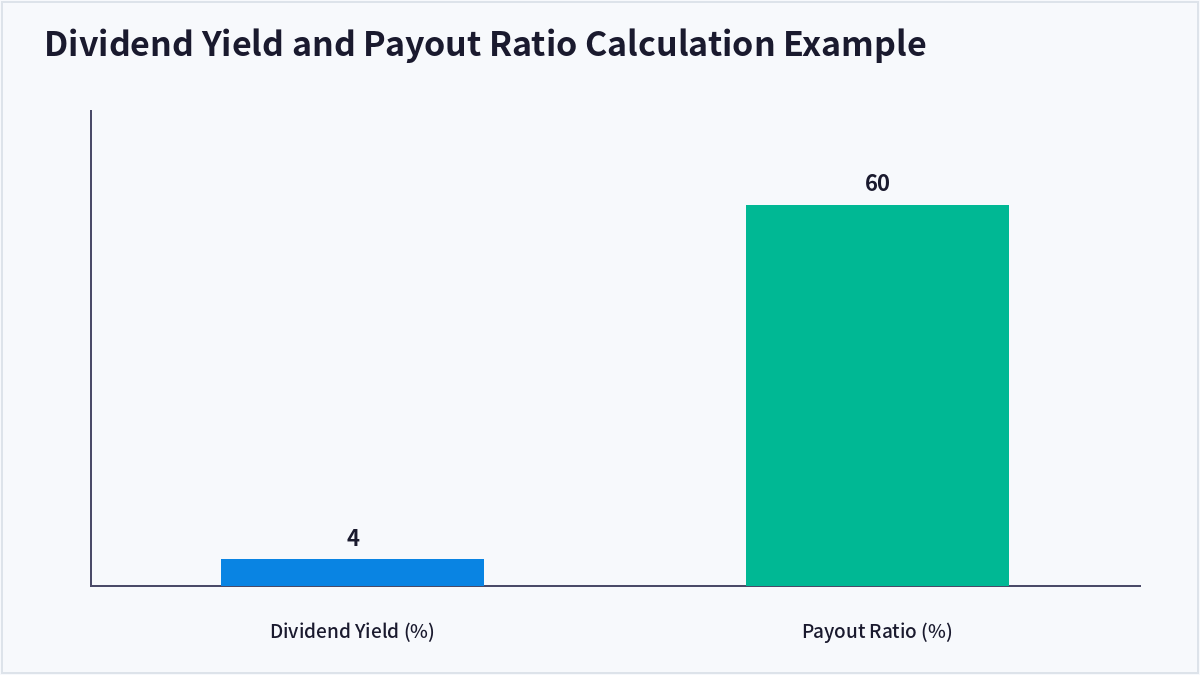
A payout ratio in the range of roughly 40% to 60% is often viewed as a reasonably sustainable range for many established companies, leaving sufficient earnings retained for reinvestment in the business, debt repayment, or as a buffer during difficult periods.
Very High Ratios Warrant Caution
A payout ratio approaching or exceeding 100% means a company is distributing all or more of its current earnings as dividends, which can be unsustainable long-term unless supported by unusually stable, non-cyclical cash flows, as is sometimes the case with certain REITs or utility companies.
| Payout Ratio Range | General Interpretation | Consideration |
|---|---|---|
| Below 40% | Conservative, room to grow dividend | May prioritize reinvestment over income |
| 40%-60% | Moderate, generally sustainable | Balances income and reinvestment |
| Above 80-100% | High, potential sustainability risk | Vulnerable to earnings decline |
Frequently Asked Questions
Can a payout ratio exceed 100%?
Yes, this can happen temporarily if a company’s earnings decline sharply in a given period but management chooses to maintain the existing dividend level, which is generally not sustainable if it persists over multiple periods.
Is a low dividend yield always a bad sign?
Not necessarily — some companies, particularly younger growth-oriented businesses, intentionally maintain low payout ratios and low yields to retain more earnings for reinvestment into faster business growth rather than distributing cash to shareholders.
Why do REITs often have very high payout ratios?
REITs are generally required by law to distribute the vast majority of their taxable income to shareholders to maintain their favorable tax status, which structurally results in higher typical payout ratios compared to companies in other industries.
Should I always prefer stocks with the highest dividend yield?
Not necessarily — chasing the highest available yield without checking the payout ratio and underlying business fundamentals can lead investors into companies with unsustainable dividends that are at risk of being cut.
Key Takeaways
Dividend yield measures income relative to share price, while the payout ratio measures what portion of earnings is distributed as dividends. Evaluating both together — rather than yield alone — helps investors better assess whether a dividend is likely to be sustainable going forward. This article is for informational purposes only and does not constitute investment advice.

QuantPro: AI Finds the Trade Before You Do
From AI-powered chart analysis to real-time market intelligence — everything a serious investor needs, in one platform.
- Automated AI chart analysis with precision trend timing
- Bull Radar: real-time visualization of geopolitical & economic shifts
- Live market-moving news and insights, curated for you
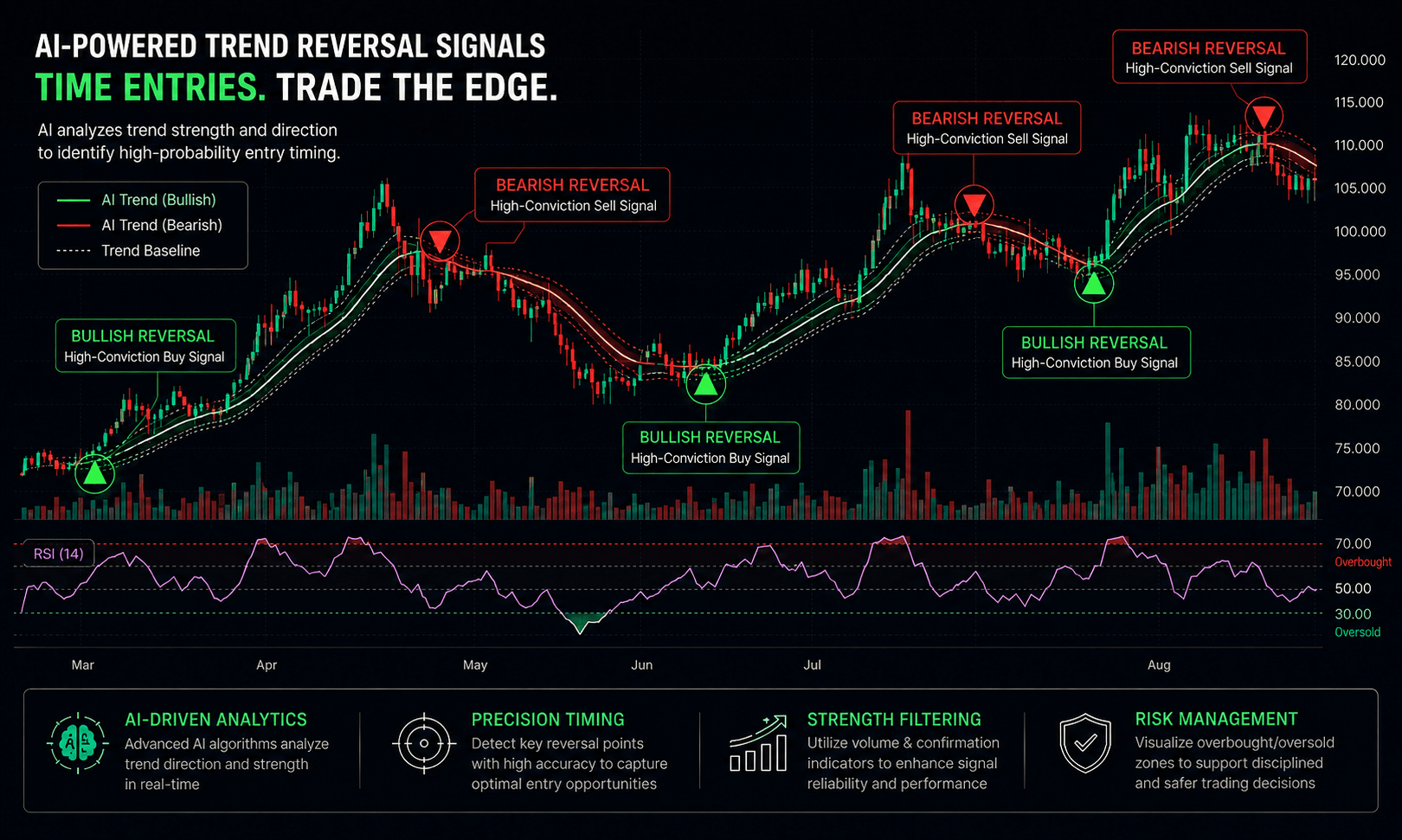
Bull Wave / Bear Wave Forecast Model
Engineered to help you read market direction and momentum faster than the crowd.
- Instantly separate bullish momentum from bearish pressure
- Pinpoint high-probability entry zones with confidence
- Chart signals clear enough for beginners, sharp enough for pros
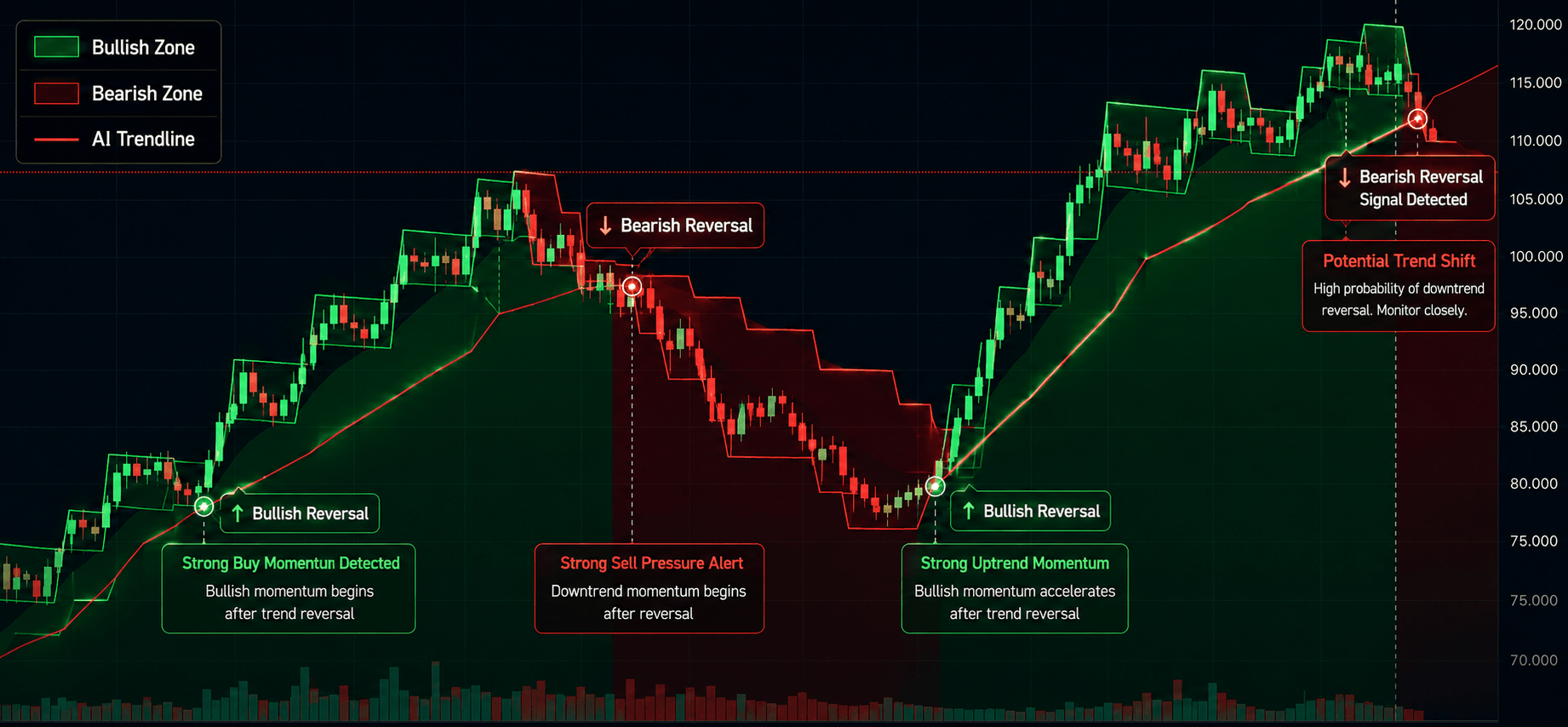
Winning Pattern Detection
Instantly surfaces the high-probability setups that repeat across the charts — a trusted edge for timing your entries and exits.
- Spot momentum building in real time
- Catch trend-reversal points before they break
- Built for active traders who need results, not theory

AI Live Economic Dashboard
AI analyzes real-time market data — turning complex, global investment flows into clear insight in seconds.
- Track global stock markets in real time
- See exactly which assets are strong — and which are fading
- Watch how geopolitical events move the markets
About the Author