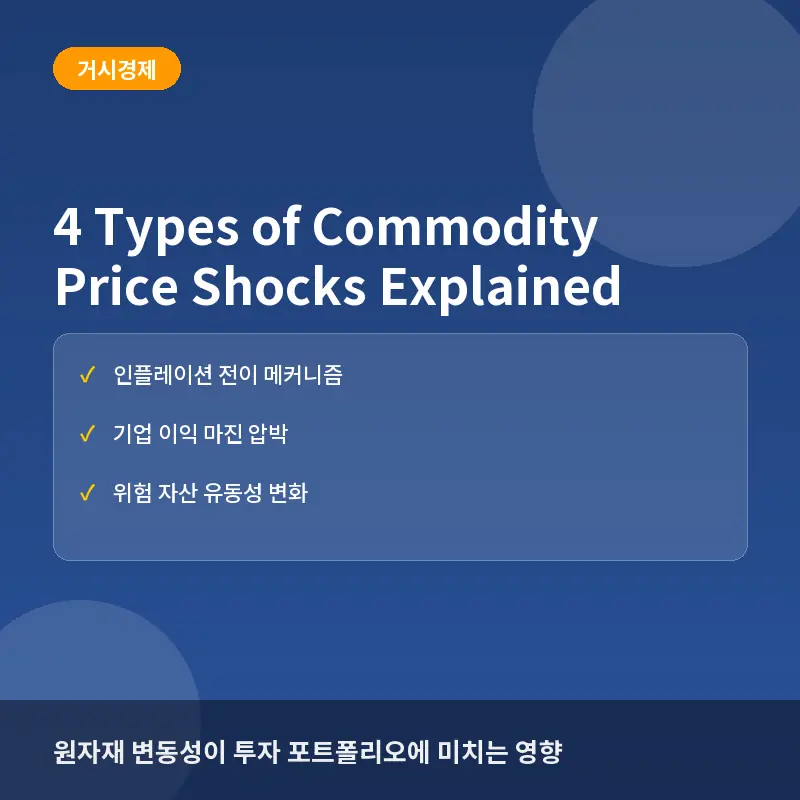
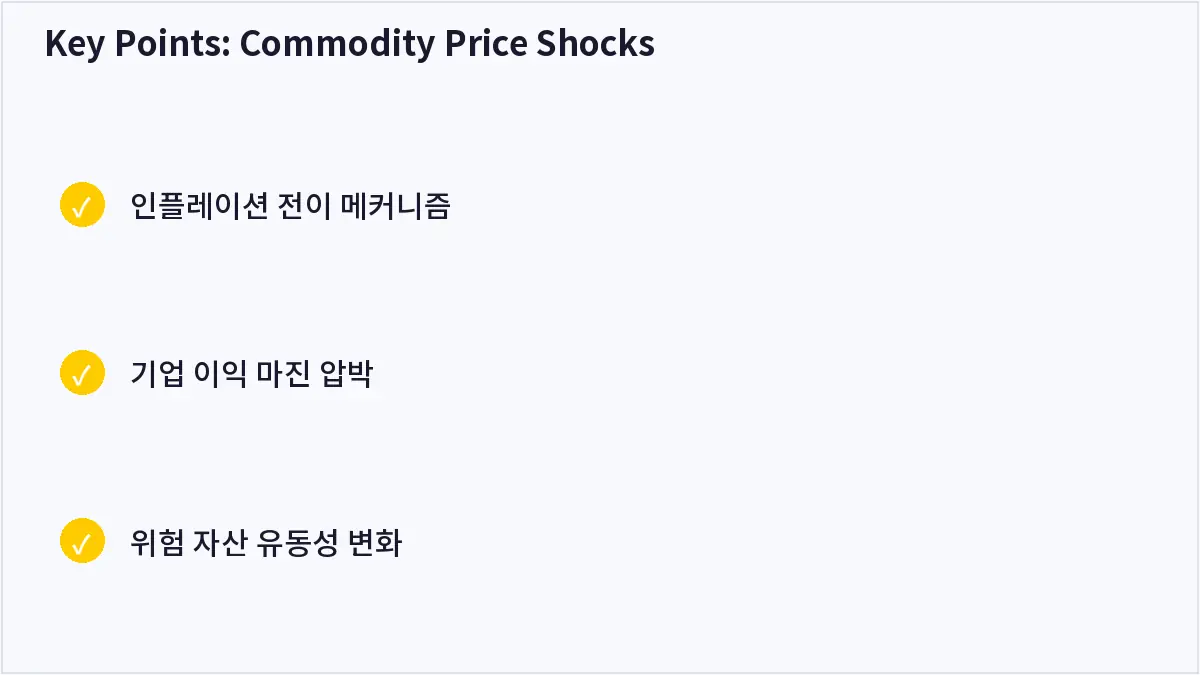
Commodity price shocks affect markets by driving headline inflation and altering corporate input costs, which directly influence monetary policy outlooks. Higher energy and raw material costs typically compress profit margins for equities and reduce liquidity for risk assets like crypto.
What are Commodity Price Shocks?
Commodity price shocks refer to sudden, significant changes in the cost of essential raw materials like crude oil, natural gas, metals, and agricultural products. These shocks are often supply-side driven, meaning they originate from geopolitical tensions, natural disasters, or disruptions in production chains rather than changes in consumer demand. When these essential inputs surge in price, the ripple effect moves rapidly from producer costs to consumer price indices, fundamentally changing the macroeconomic environment for investors.
The Causal Chain: From Raw Materials to Market Prices
Cost-Push Inflation Dynamics
When commodity prices rise, companies face higher production and transportation costs. To maintain margins, businesses often pass these costs to consumers, which spikes inflation data. You can check how these inflationary pressures correlate with market volatility by observing current sector trends directly on Bull Radar.
The Monetary Policy Response
Central banks view commodity-driven inflation as a threat to price stability. If a shock is deemed persistent, policymakers often tighten monetary conditions, such as raising interest rates, to dampen demand. Higher rates increase the discount factor applied to future earnings, which disproportionately hurts the valuation of growth stocks and liquidity-sensitive crypto assets.
Historical Tendencies of Market Reactions
Historically, energy-led commodity shocks act as a tax on the broader economy. During periods of sharp energy price spikes, equities in energy-intensive sectors (like industrials or consumer discretionary) typically underperform, while energy producers may see a temporary boost. Crypto markets, which function as ‘high-beta’ risk assets, tend to suffer during the initial stages of a shock due to a flight to liquidity, as investors move capital into cash or safe-haven assets until the inflationary impact stabilizes.
Monitoring and Risk Management Strategies
Investors should monitor commodity trends to anticipate shifts in central bank rhetoric. Instead of reacting to daily headlines, focus on the ‘stickiness’ of price changes in energy and food. If inflation stays elevated, portfolios should be reviewed for exposure to companies with strong pricing power who can pass costs to consumers, versus those with high operational overhead. For crypto exposure, recognize that during severe commodity shocks, correlation with the S&P 500 often increases, making diversification harder during the height of the volatility.
| Asset Class | Typical Impact of Commodity Shock | Underlying Logic |
|---|---|---|
| Equities (Cyclical) | Negative | Margin compression from higher input costs |
| Equities (Energy/Commodity) | Positive/Neutral | Increased revenue from higher selling prices |
| Cryptocurrency | Negative | Reduced liquidity and risk appetite |
| Fixed Income | Negative | Higher inflation leads to yield spikes |
Frequently Asked Questions
Do crypto prices always fall when oil prices rise?
Not necessarily always, but there is a common inverse relationship during supply-side shocks. When energy costs spike, it creates broader economic uncertainty that often leads investors to pull capital from speculative, risk-sensitive assets like crypto.
How can I see if commodity prices are affecting my portfolio?
Monitor the correlation between the energy sector and your equity holdings. You can use tools like Bull Radar to observe whether your specific assets are showing increased sensitivity to inflationary benchmarks.
Why does inflation driven by commodities matter to the Fed?
Central banks have a mandate to maintain price stability. If commodity prices push overall inflation above their target, they are forced to restrict money supply, which removes the excess liquidity that typically supports higher valuations for stocks and crypto.
Are there assets that benefit from commodity shocks?
Historically, commodity-producing firms, energy stocks, and sometimes precious metals like gold tend to perform better during these periods. These assets often act as a hedge because their value is tied directly to the rising price of the underlying commodity.
Key Takeaways
Commodity price shocks serve as a leading indicator for inflationary pressure and subsequent monetary policy shifts. Understanding that these shocks reduce corporate margins and tighten liquidity allows investors to shift from speculative positioning to defensive strategies. By tracking input costs alongside inflation data, investors can better anticipate the risk-off cycles that frequently hit crypto and growth-heavy equity portfolios. This article is for informational purposes only and does not constitute investment advice.

QuantPro: AI Finds the Trade Before You Do
From AI-powered chart analysis to real-time market intelligence — everything a serious investor needs, in one platform.
- Automated AI chart analysis with precision trend timing
- Bull Radar: real-time visualization of geopolitical & economic shifts
- Live market-moving news and insights, curated for you
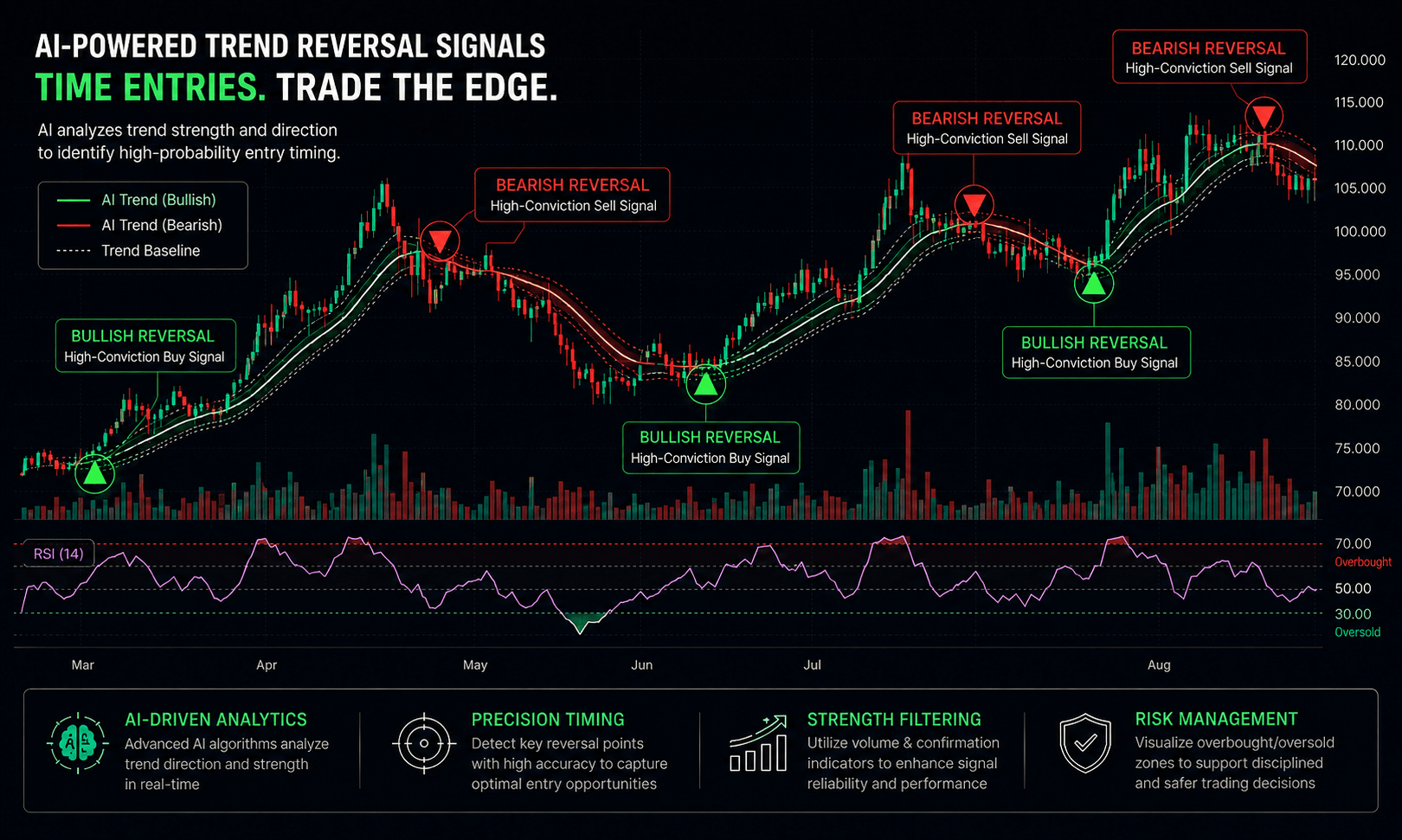
Bull Wave / Bear Wave Forecast Model
Engineered to help you read market direction and momentum faster than the crowd.
- Instantly separate bullish momentum from bearish pressure
- Pinpoint high-probability entry zones with confidence
- Chart signals clear enough for beginners, sharp enough for pros
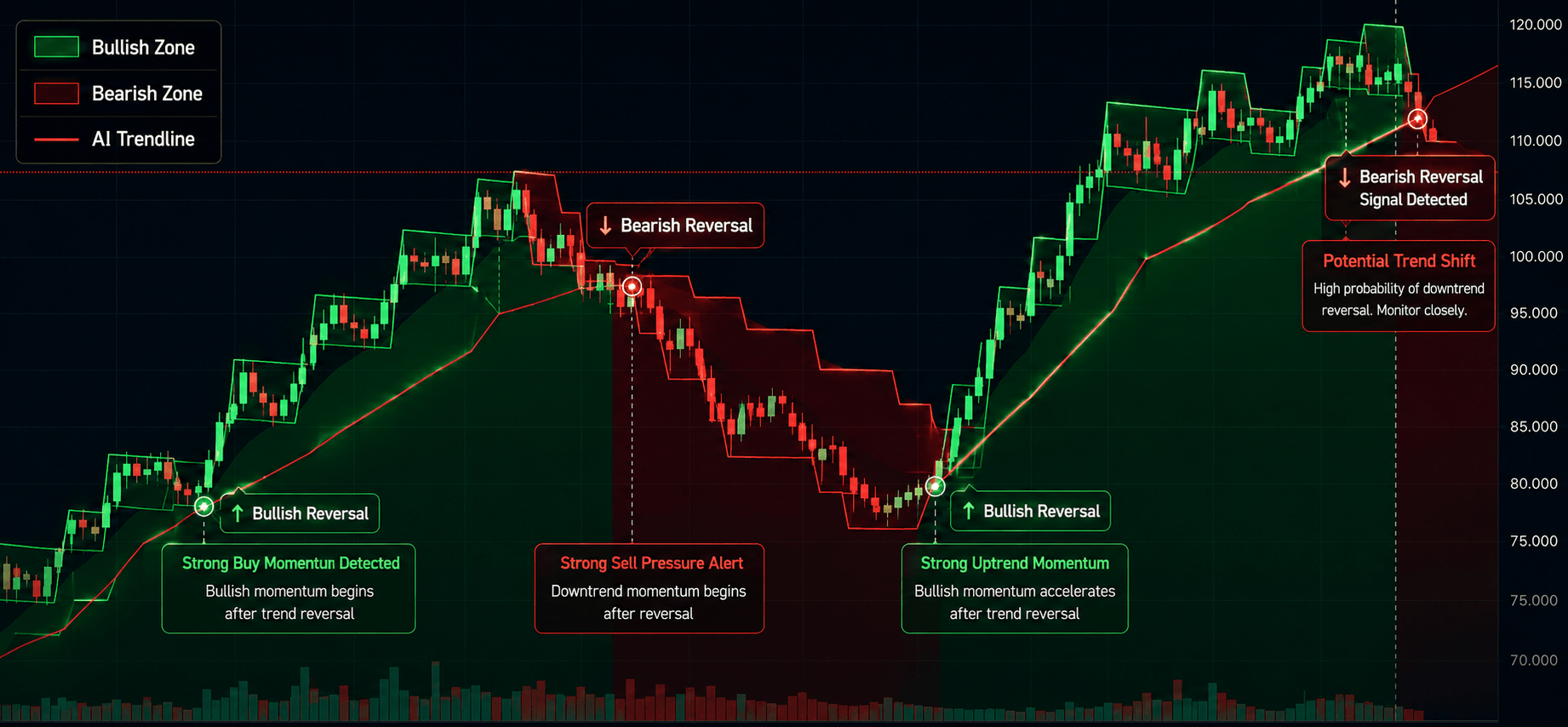
Winning Pattern Detection
Instantly surfaces the high-probability setups that repeat across the charts — a trusted edge for timing your entries and exits.
- Spot momentum building in real time
- Catch trend-reversal points before they break
- Built for active traders who need results, not theory
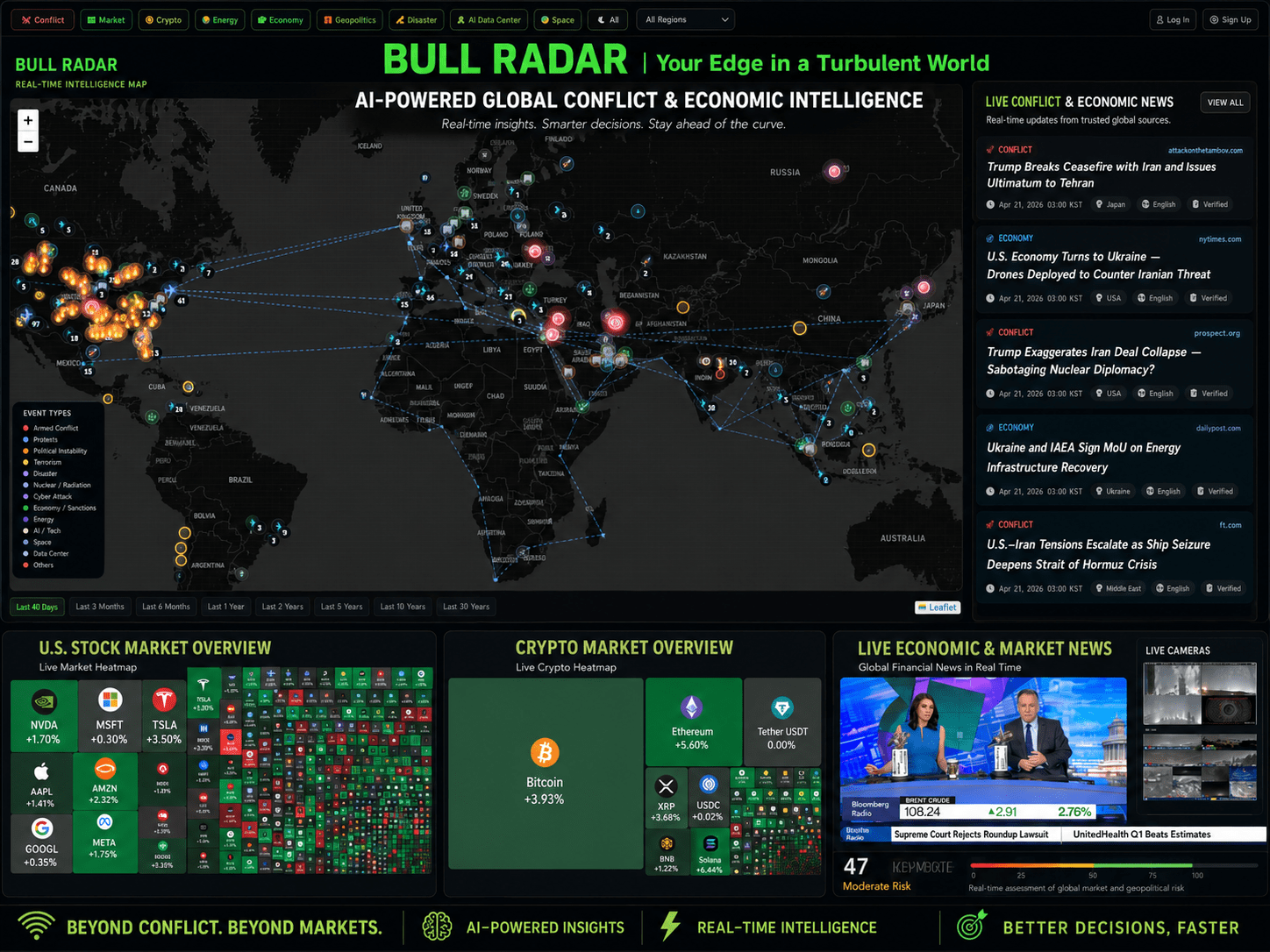
AI Live Economic Dashboard
AI analyzes real-time market data — turning complex, global investment flows into clear insight in seconds.
- Track global stock markets in real time
- See exactly which assets are strong — and which are fading
- Watch how geopolitical events move the markets
Last updated: 2026-09-18
About the Author