What Is Payment for Order Flow?
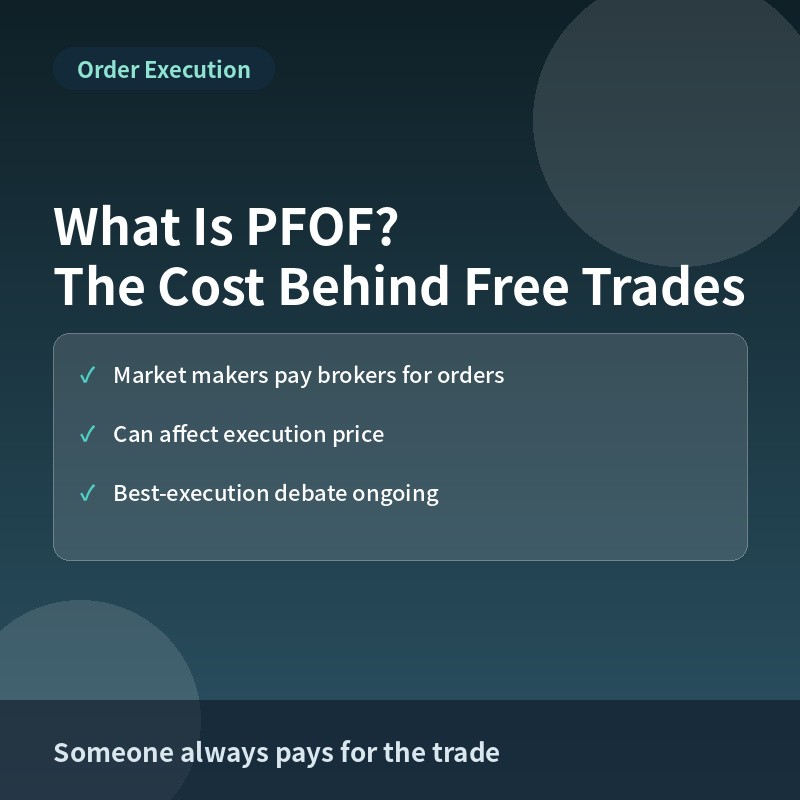
Payment for order flow (PFOF) is compensation that a brokerage receives for routing customer orders to a particular market maker instead of sending them directly to a public exchange. This arrangement became a core part of how many commission-free online brokers generate revenue starting in the 2010s.
How the Order Actually Gets Filled
When a retail investor places a buy or sell order, the broker often routes it to a large market maker such as Citadel Securities or Virtu Financial rather than to the New York Stock Exchange or Nasdaq directly. The market maker fills the order from its own inventory, profiting from the bid-ask spread, and pays the broker a small fee in return.
Why This Enables Commission-Free Trading
PFOF allows brokers to cut trading commissions to zero while still generating revenue through rebates from market makers. Critics point out that this revenue is ultimately tied to the customer’s order flow, meaning the real cost of the trade may be embedded in the execution price rather than an explicit fee.
The Best-Execution Debate
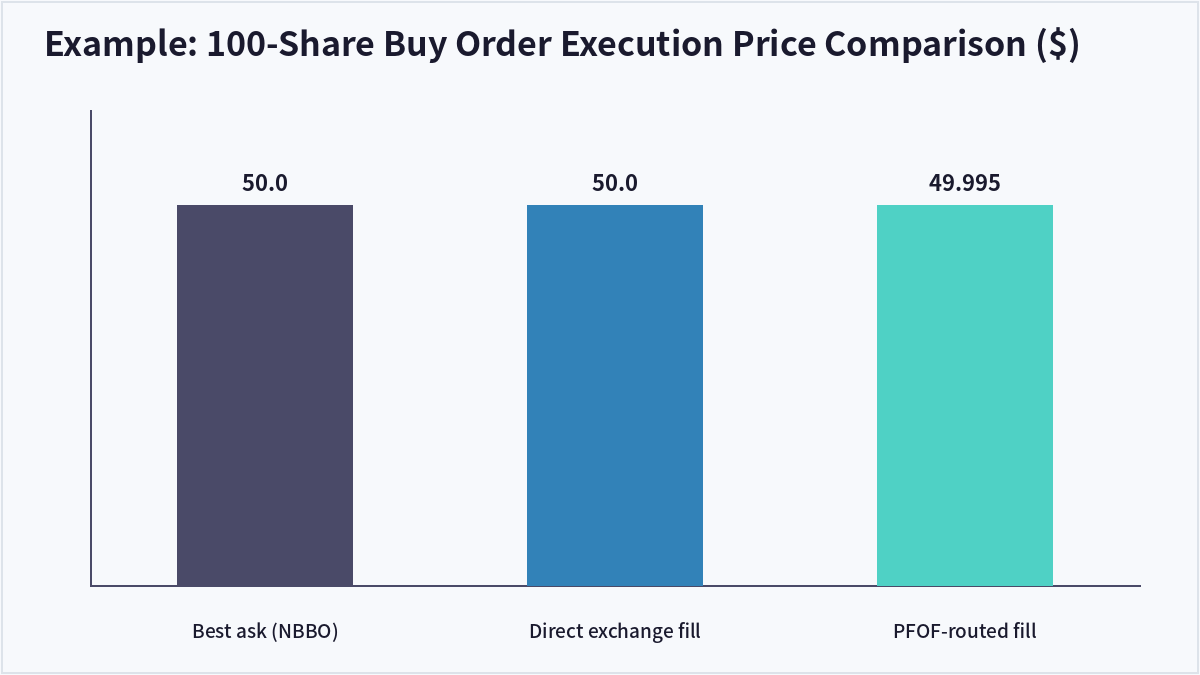
Market makers often claim to offer price improvement over the official National Best Bid and Offer (NBBO). Critics argue that PFOF creates a conflict of interest, since brokers may be incentivized to route orders to whichever market maker pays the highest rebate rather than the one offering the best execution. The SEC has strengthened disclosure requirements to address this concern.
| Aspect | Direct Exchange Order | PFOF-Routed Order |
|---|---|---|
| Execution venue | Public exchange order book | Market maker’s internal book |
| Broker revenue source | Trading commissions | Market maker rebates |
| Price improvement potential | Limited | Possible, but not guaranteed |
| Transparency | Visible on exchange data | Requires Rule 606 disclosure |
Frequently Asked Questions
Do all brokers rely on PFOF?
Most major U.S. commission-free brokers receive some form of payment for order flow, though the amount and the market makers used vary by firm and by asset class.
Does PFOF always hurt investors?
Not necessarily. Several studies have found that PFOF-routed orders often receive prices slightly better than the NBBO on average, though results vary widely by order size and stock.
How can investors check their broker’s PFOF practices?
U.S. brokers are required to publish quarterly Rule 606 reports disclosing which market makers received their order flow and how much they were paid, which investors can review for transparency.
Is PFOF likely to be banned?
Regulators including the SEC have repeatedly examined potential reforms, including auction-based execution models, but as of 2026 PFOF has not been banned outright in the United States.
Key Takeaways
Payment for order flow is the real economic engine behind commission-free trading, and it can influence where and how an order is executed. Investors benefit from looking past the headline of zero commissions and checking actual execution quality and broker disclosures. This article is for informational purposes only and does not constitute investment advice.

QuantPro: AI Finds the Trade Before You Do
From AI-powered chart analysis to real-time market intelligence — everything a serious investor needs, in one platform.
- Automated AI chart analysis with precision trend timing
- Bull Radar: real-time visualization of geopolitical & economic shifts
- Live market-moving news and insights, curated for you
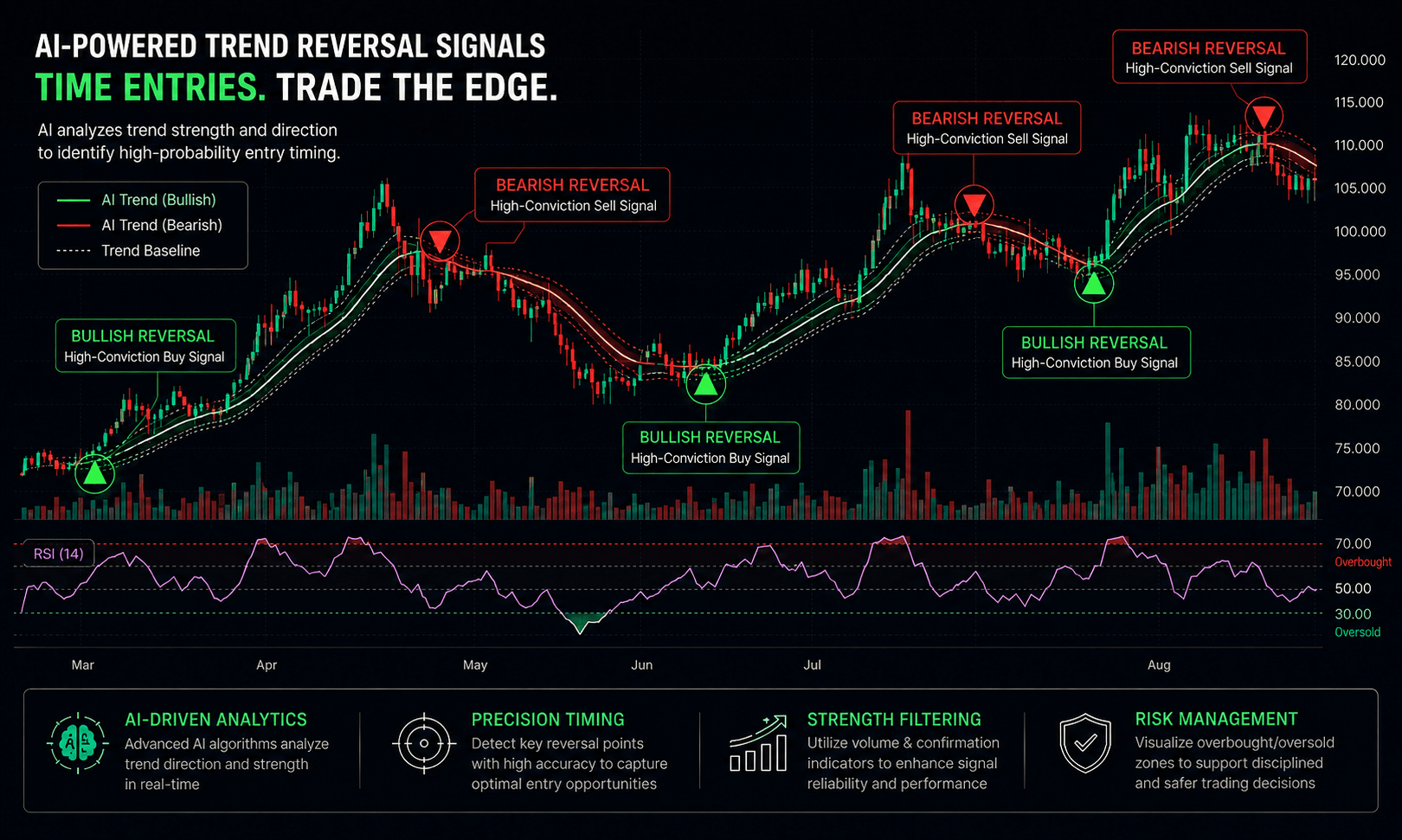
Bull Wave / Bear Wave Forecast Model
Engineered to help you read market direction and momentum faster than the crowd.
- Instantly separate bullish momentum from bearish pressure
- Pinpoint high-probability entry zones with confidence
- Chart signals clear enough for beginners, sharp enough for pros
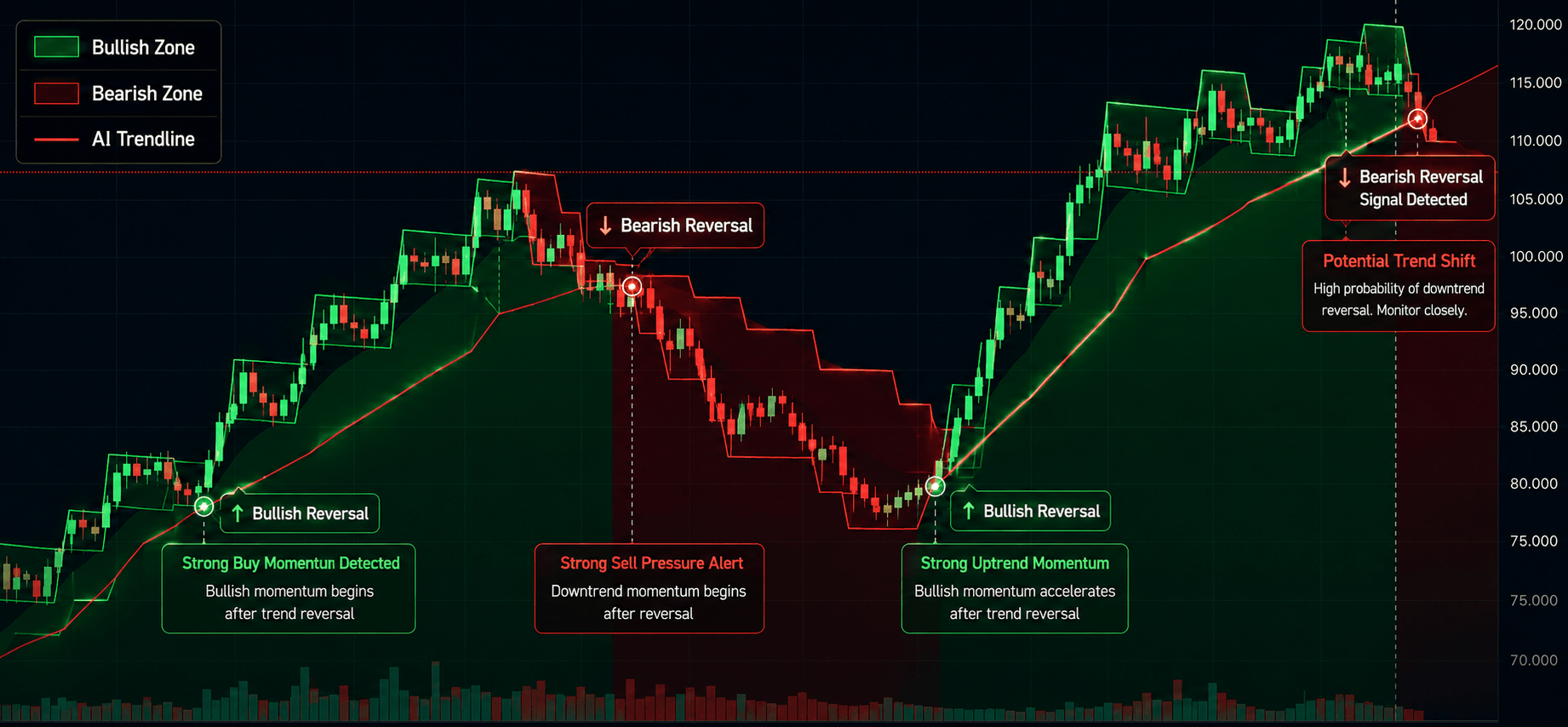
Winning Pattern Detection
Instantly surfaces the high-probability setups that repeat across the charts — a trusted edge for timing your entries and exits.
- Spot momentum building in real time
- Catch trend-reversal points before they break
- Built for active traders who need results, not theory
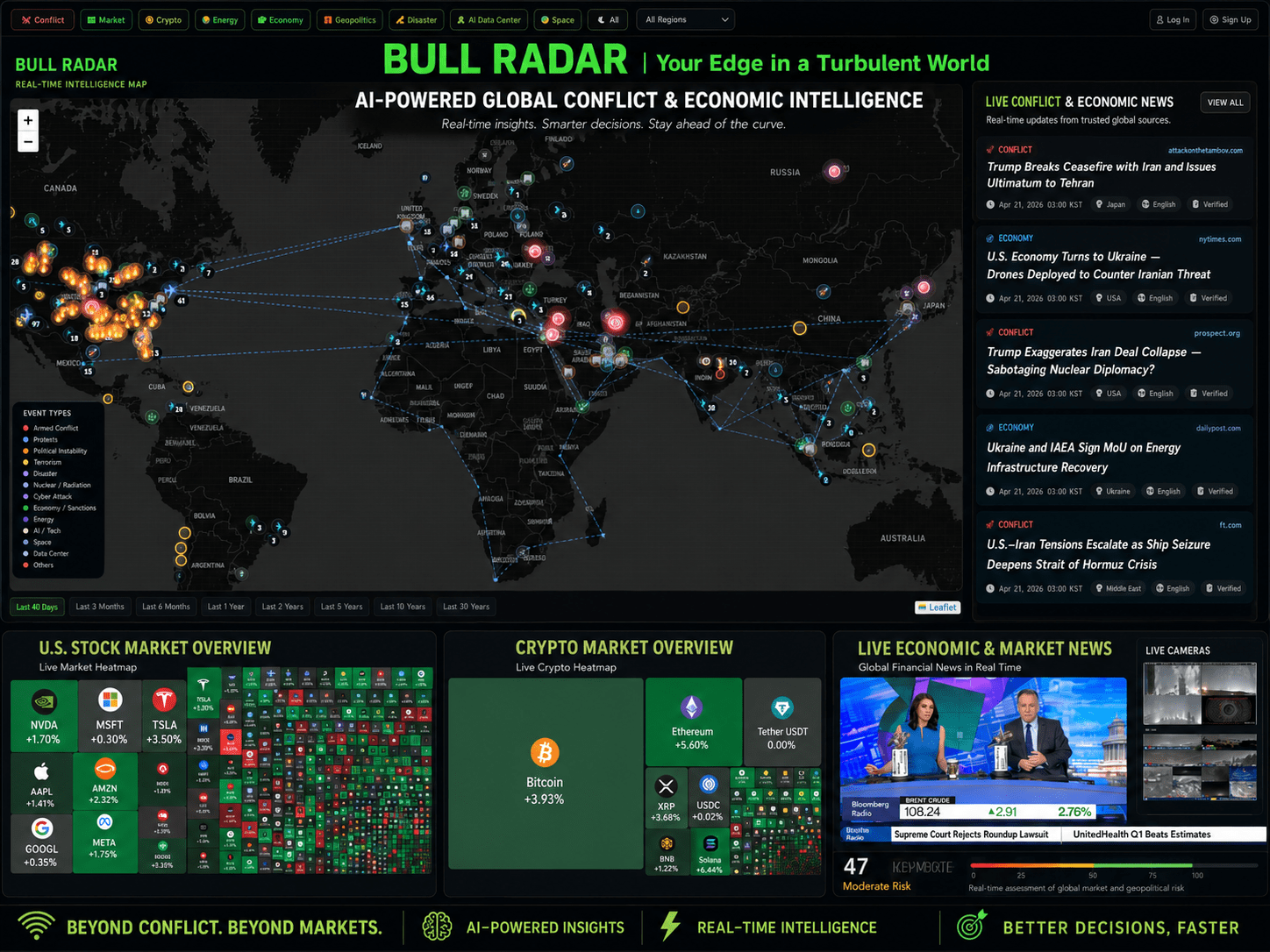
AI Live Economic Dashboard
AI analyzes real-time market data — turning complex, global investment flows into clear insight in seconds.
- Track global stock markets in real time
- See exactly which assets are strong — and which are fading
- Watch how geopolitical events move the markets
About the Author