What Is a TWAP Order?
Time-Weighted Average Price (TWAP) is an algorithmic execution strategy that divides a large order into equal quantities and executes them at regular time intervals over a specified period. For example, selling 100,000 shares over one hour might mean executing roughly 16,667 shares every 10 minutes.
How the Benchmark Is Calculated
The TWAP benchmark price is the simple average of prices observed at regular intervals over the execution window, without regard to how much volume traded at each price point. This means a burst of heavy trading at one moment does not get extra weight in the calculation.

Why Institutions Use TWAP for Large Orders
Placing a large order all at once as a market order can move the price unfavorably, a phenomenon known as market impact. TWAP reduces this risk by breaking the order into smaller pieces spread over time, keeping the visible size at any moment smaller and the average execution price closer to the market’s overall level.
TWAP vs. VWAP
Volume-Weighted Average Price (VWAP) allocates more of the order to periods with heavier trading volume, while TWAP allocates evenly across time regardless of volume. TWAP tends to be preferred when volume patterns are unpredictable or when a trader wants to avoid concentrating execution during high-volume windows, while VWAP is preferred when tracking the market’s typical volume-weighted price is the goal.
| Aspect | TWAP | VWAP |
|---|---|---|
| Allocation basis | Equal time intervals | Proportional to trading volume |
| High-volume periods | Treated the same as others | Allocated more shares |
| Best suited for | Unpredictable volume patterns | Tracking typical volume-weighted price |
| Exposure risk | Low, spread evenly | Can concentrate at high-volume windows |
Frequently Asked Questions
Can individual investors use TWAP orders?
Some brokers offer TWAP or VWAP algorithmic order types for larger accounts, but these are used more commonly by institutional traders executing large block orders than by typical retail investors.
Does TWAP eliminate market impact entirely?
No. It reduces market impact by spreading exposure over time rather than eliminating it completely, since large enough orders can still move prices even when sliced.
How are TWAP intervals determined?
The total execution window is divided into equal-length time slices, with the order quantity split evenly across them; the number of slices depends on order size and the desired execution speed.
When would a trader prefer TWAP over VWAP?
TWAP is often preferred around periods of unpredictable volume, such as avoiding concentration at the open or close, or when a trader wants to limit the price impact during specific high-volume windows.
Key Takeaways
TWAP executes large orders by splitting them into equal quantities across equal time intervals, offering a simple way to reduce market impact regardless of volume patterns. Understanding how it differs from VWAP helps traders choose the right execution algorithm for large trades. This article is for informational purposes only and does not constitute investment advice.

QuantPro: AI Finds the Trade Before You Do
From AI-powered chart analysis to real-time market intelligence — everything a serious investor needs, in one platform.
- Automated AI chart analysis with precision trend timing
- Bull Radar: real-time visualization of geopolitical & economic shifts
- Live market-moving news and insights, curated for you
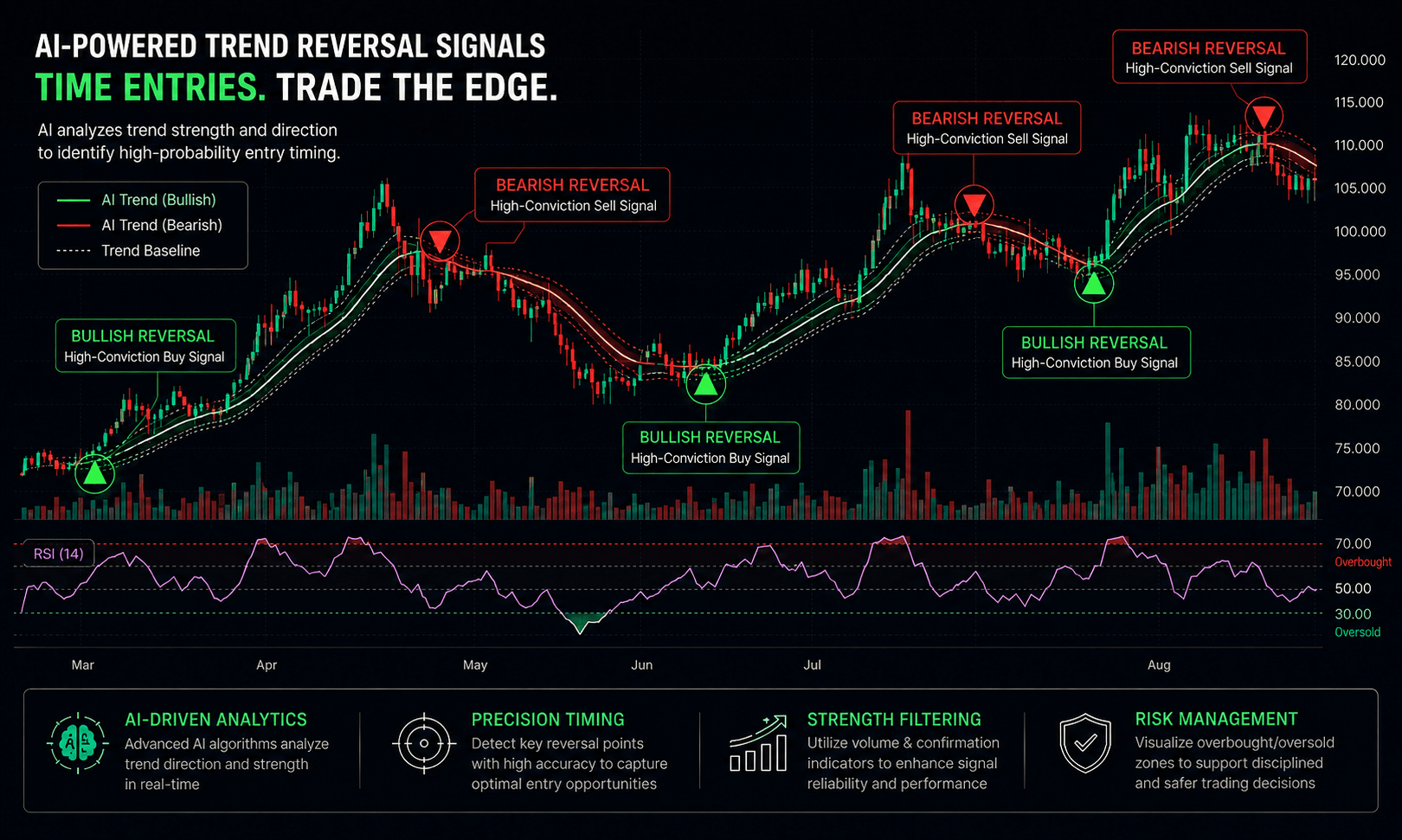
Bull Wave / Bear Wave Forecast Model
Engineered to help you read market direction and momentum faster than the crowd.
- Instantly separate bullish momentum from bearish pressure
- Pinpoint high-probability entry zones with confidence
- Chart signals clear enough for beginners, sharp enough for pros
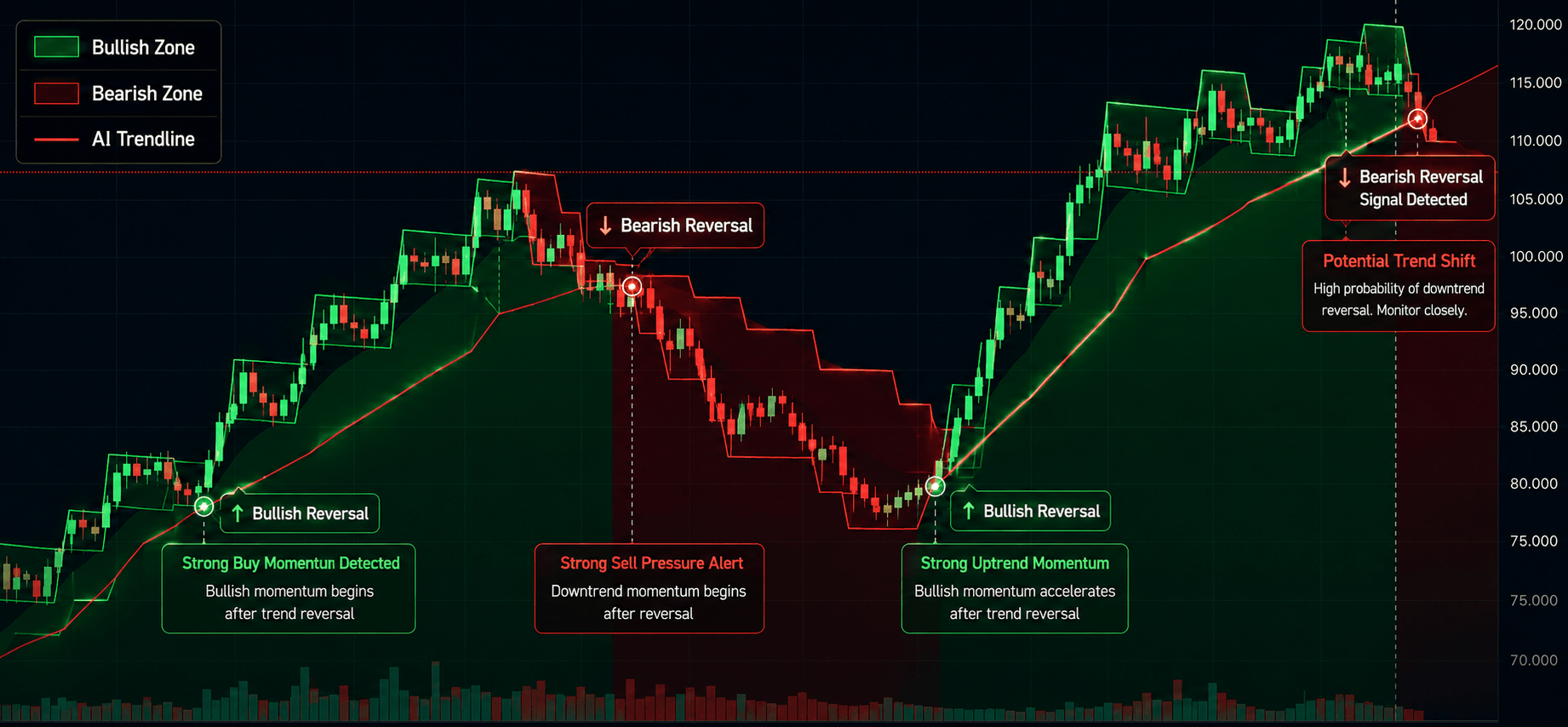
Winning Pattern Detection
Instantly surfaces the high-probability setups that repeat across the charts — a trusted edge for timing your entries and exits.
- Spot momentum building in real time
- Catch trend-reversal points before they break
- Built for active traders who need results, not theory
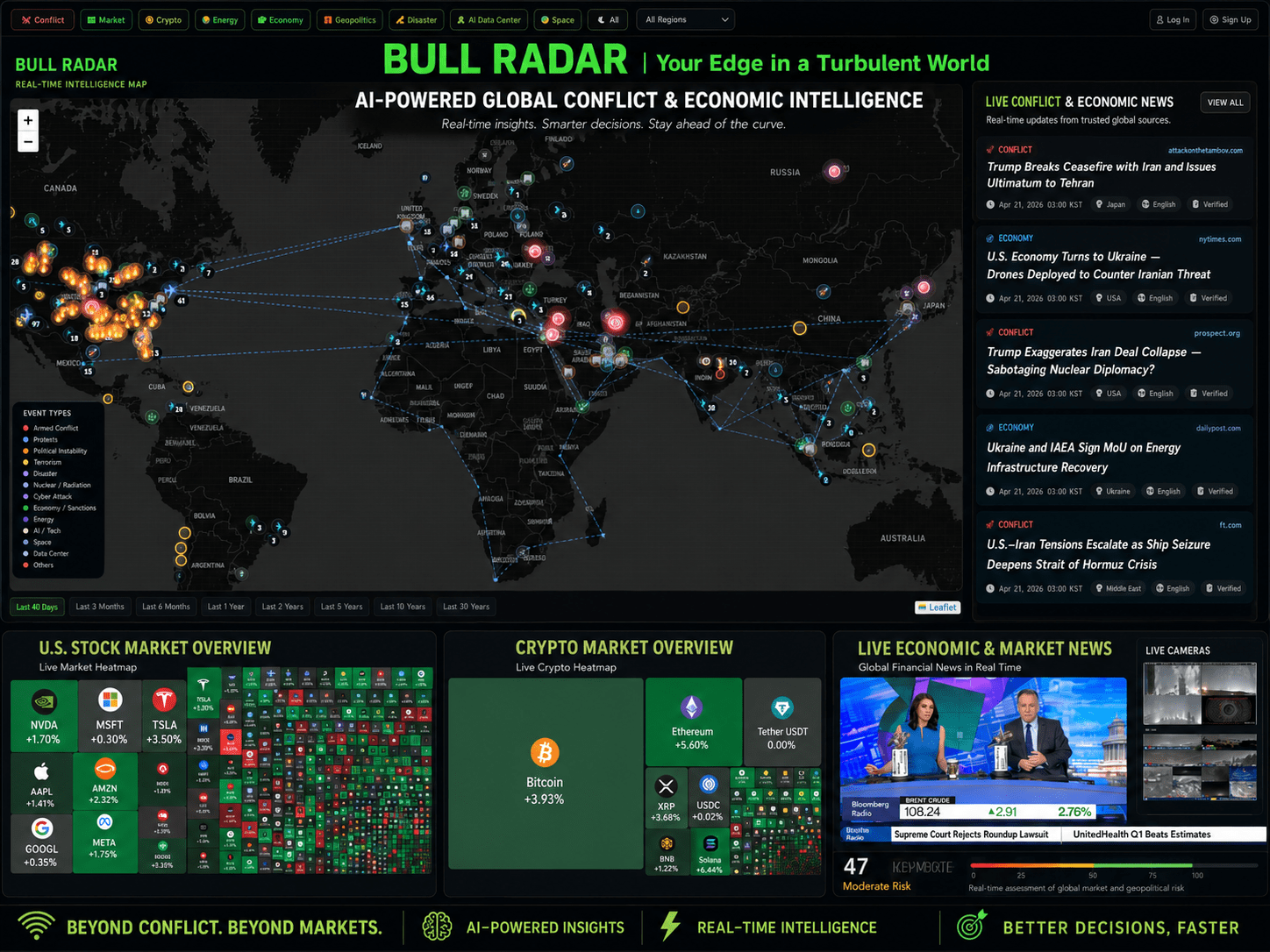
AI Live Economic Dashboard
AI analyzes real-time market data — turning complex, global investment flows into clear insight in seconds.
- Track global stock markets in real time
- See exactly which assets are strong — and which are fading
- Watch how geopolitical events move the markets
About the Author