What Is the Neutral Rate (R-Star)?
The neutral rate of interest, often called R-star, is the theoretical real interest rate at which monetary policy is neither stimulating nor restricting economic growth, consistent with the economy operating at full employment and stable inflation over the long run. It is a foundational concept in modern monetary policy frameworks, including the Taylor Rule.
Why It Can’t Be Directly Observed
Unlike the federal funds rate, which is set explicitly by the central bank, R-star cannot be observed directly and must be estimated using economic models that account for factors like productivity growth, demographics, and global capital flows. Different models and institutions can produce meaningfully different R-star estimates for the same economy.

Why R-Star Matters for Policy
When the actual policy rate is above the estimated R-star, monetary policy is considered restrictive, tending to slow growth and cool inflation. When the policy rate is below R-star, policy is considered accommodative, tending to stimulate growth. Central banks use estimates of R-star to gauge how much room they have to cut or raise rates without over- or under-shooting their economic goals.
The Debate Over a Declining R-Star
Many economists have argued that structural factors such as aging populations, slower productivity growth, and elevated demand for safe assets have pushed R-star lower over recent decades compared with the late 20th century. A lower R-star means central banks have less room to cut rates during a downturn before hitting zero or needing unconventional policy tools, a concern that shaped post-2008 monetary policy debates.
| Policy Rate vs. R-Star | Interpretation |
|---|---|
| Policy rate above R-star | Policy stance is restrictive |
| Policy rate below R-star | Policy stance is accommodative |
| Policy rate equal to R-star | Policy stance is roughly neutral |
Frequently Asked Questions
Who estimates R-star?
Various central bank economists and academic researchers publish R-star estimates using different models; the Federal Reserve Bank of New York’s Holston-Laubach-Williams model is one widely cited example.
Is R-star the same for every country?
No. R-star estimates vary by country based on local factors such as demographics, productivity trends, savings rates, and capital flows, so different central banks reference different R-star levels.
Can R-star change over time?
Yes. R-star is not a fixed constant; it evolves gradually with structural economic changes, and central bank estimates are periodically revised as new data becomes available.
Why do investors care about R-star?
Because it affects expectations about how high or low interest rates can realistically go over a full cycle, R-star estimates influence bond yields, currency valuations, and broader asset pricing models.
Key Takeaways
R-star, the neutral rate of interest, represents the rate consistent with stable growth and inflation, serving as a benchmark for judging whether monetary policy is restrictive or accommodative. Because it can only be estimated rather than observed directly, debates over its true level remain central to monetary policy discussions. This article is for informational purposes only and does not constitute investment advice.

QuantPro: AI Finds the Trade Before You Do
From AI-powered chart analysis to real-time market intelligence — everything a serious investor needs, in one platform.
- Automated AI chart analysis with precision trend timing
- Bull Radar: real-time visualization of geopolitical & economic shifts
- Live market-moving news and insights, curated for you
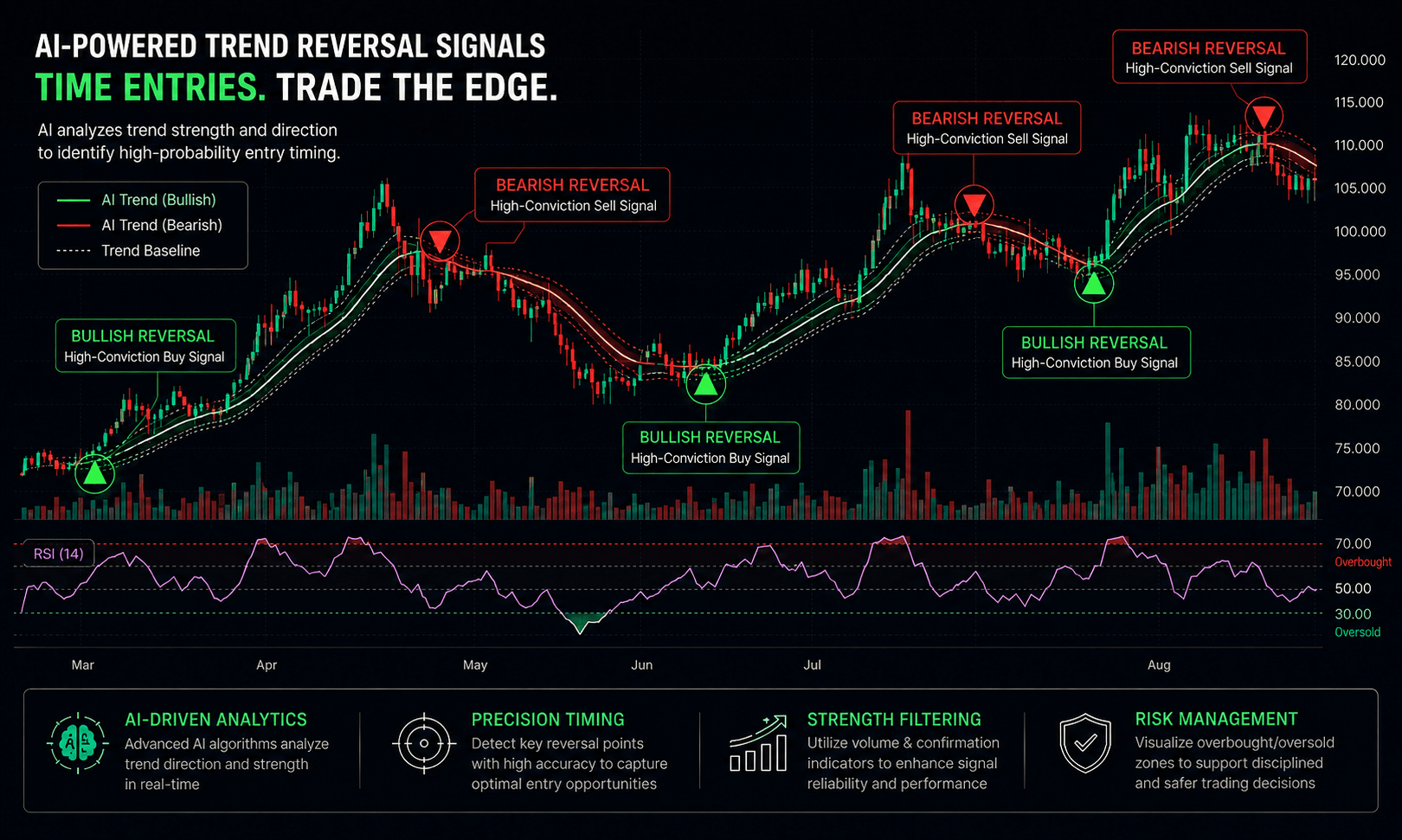
Bull Wave / Bear Wave Forecast Model
Engineered to help you read market direction and momentum faster than the crowd.
- Instantly separate bullish momentum from bearish pressure
- Pinpoint high-probability entry zones with confidence
- Chart signals clear enough for beginners, sharp enough for pros
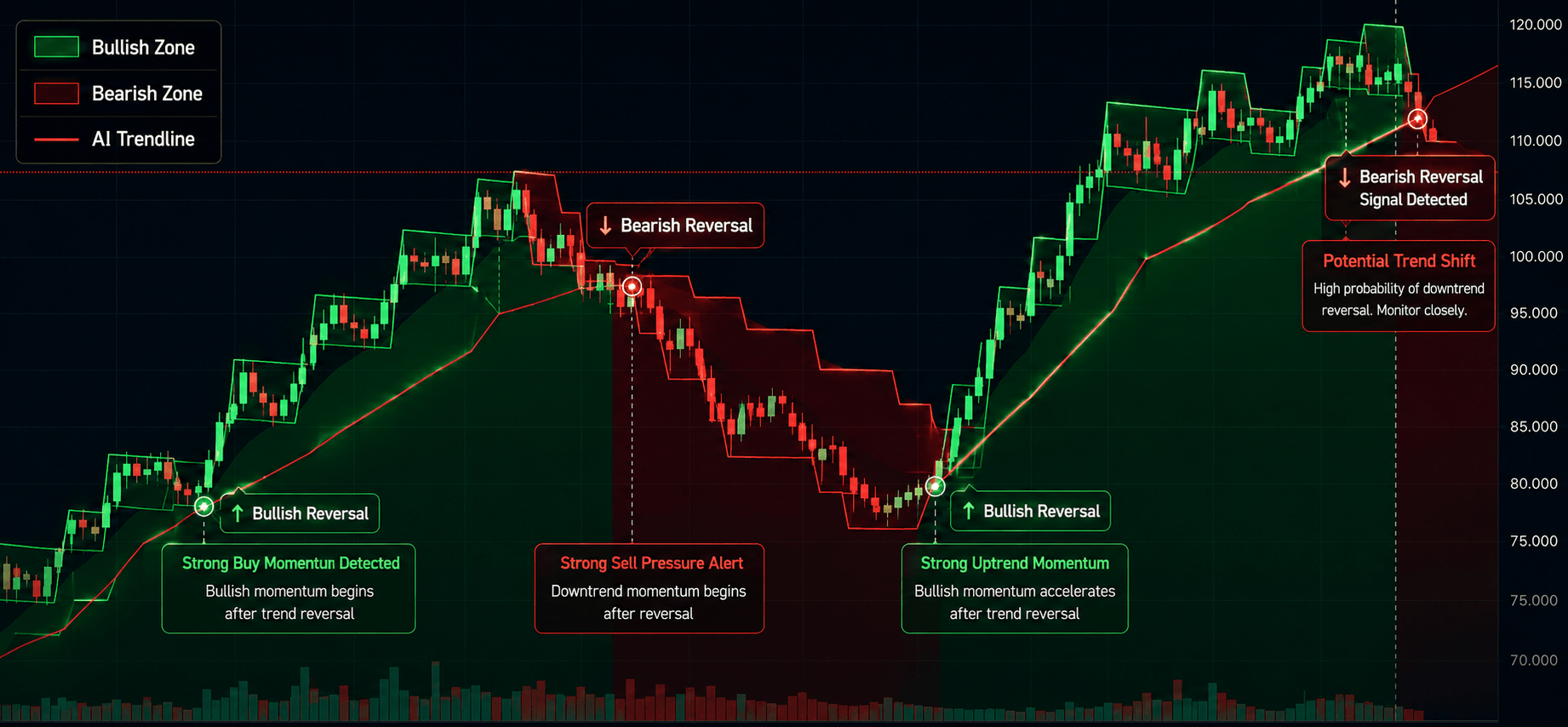
Winning Pattern Detection
Instantly surfaces the high-probability setups that repeat across the charts — a trusted edge for timing your entries and exits.
- Spot momentum building in real time
- Catch trend-reversal points before they break
- Built for active traders who need results, not theory

AI Live Economic Dashboard
AI analyzes real-time market data — turning complex, global investment flows into clear insight in seconds.
- Track global stock markets in real time
- See exactly which assets are strong — and which are fading
- Watch how geopolitical events move the markets
About the Author