Definition
The capitalization rate, or cap rate, is a real estate valuation metric that measures the annual return a property is expected to generate relative to its market value or purchase price. It is one of the most widely used shorthand tools for comparing income-producing properties such as apartment buildings, office towers, retail centers, and industrial warehouses, because it strips away financing structure and expresses return purely on the basis of the asset’s operating income.
How It’s Calculated
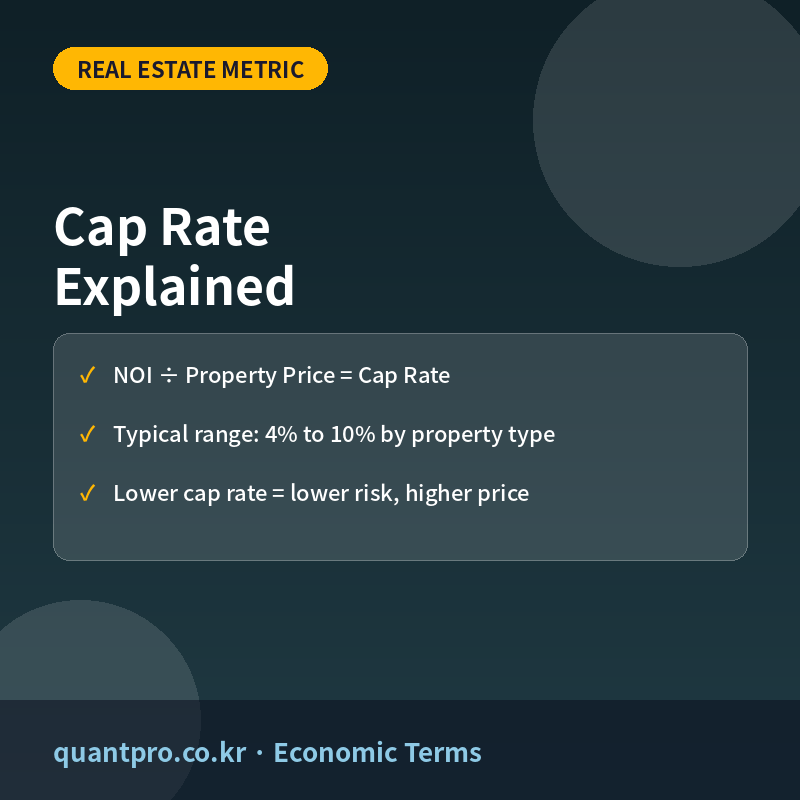
Cap rate is calculated with a simple formula: Cap Rate = Net Operating Income (NOI) / Current Market Value (or Purchase Price). Net Operating Income is the property’s annual rental income minus operating expenses such as property management fees, maintenance, insurance, and property taxes — but before mortgage payments, depreciation, and income taxes. For example, if a property generates $60,000 in annual NOI and is priced at $1,000,000, the cap rate is $60,000 / $1,000,000 = 6%.
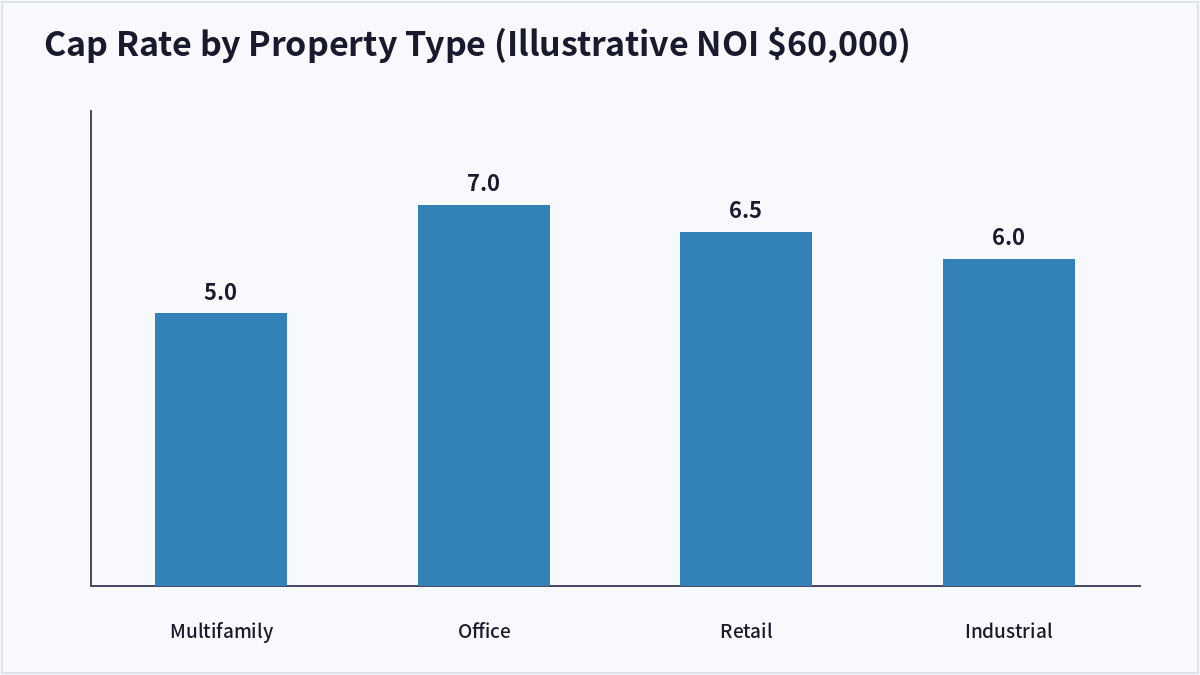
Typical cap rates vary meaningfully by property type and risk profile. Using a fixed $60,000 NOI as a reference point, a stable multifamily apartment property might trade around a 5% cap rate (implying a roughly $1.2 million value), while a riskier or more management-intensive office property might trade around a 7% cap rate (implying a lower value of about $857,000 for the same income). Retail typically falls near 6.5% and industrial near 6%, though local market conditions, tenant quality, and lease length all shift these ranges.
Why It Matters
Cap rate matters because it inversely links a property’s income to its price: for a fixed NOI, a lower cap rate means a higher valuation, and a higher cap rate means a lower valuation. This relationship makes cap rate a quick proxy for market-perceived risk. Investors generally accept a lower cap rate (paying a higher price per dollar of income) for properties seen as safer or higher-quality — strong locations, creditworthy tenants, newer buildings — and demand a higher cap rate (paying a lower price per dollar of income) for properties carrying more risk, such as older buildings, weaker tenants, or less liquid markets. Because cap rate excludes financing costs, it also allows investors to compare an all-cash return across properties with very different debt structures.
Comparison
| Property Type | Typical Cap Rate Range | Relative Risk |
|---|---|---|
| Multifamily (apartments) | 4% – 6% | Lower |
| Industrial / warehouse | 5% – 7% | Low-Moderate |
| Retail | 6% – 8% | Moderate |
| Office | 6% – 9% | Moderate-High |
| Hotel / hospitality | 8% – 10%+ | Higher |
Frequently Asked Questions
What is considered a good cap rate?
There is no single “good” cap rate — it depends on property type, location, and an investor’s risk tolerance. In major, high-demand markets, cap rates of 4-6% are common for stable, well-located assets. In secondary markets or for higher-risk property types, cap rates of 8% or more are common because investors demand extra return to compensate for extra risk.
Does a higher cap rate always mean a better investment?
Not necessarily. A higher cap rate usually signals higher perceived risk — for example, an older property, a weaker tenant base, or a less desirable location — rather than simply a better deal. Investors need to examine why the cap rate is elevated before assuming it represents an attractive opportunity.
How is cap rate different from cash-on-cash return?
Cap rate is calculated using the full property price and ignores financing, making it useful for comparing properties on an all-cash, unlevered basis. Cash-on-cash return, by contrast, measures annual cash flow relative to the actual cash an investor puts down (after financing), so it reflects the effect of leverage and can differ significantly from the cap rate on the same property.
Can cap rate change over time for the same property?
Yes. Cap rate is a function of both NOI and market value, and both can change. If rents rise and NOI grows while price stays flat, the cap rate rises. If investor demand pushes the property’s market price up faster than NOI grows, the cap rate compresses. Broader market cap rates also shift with interest rates and investor sentiment.
Key Takeaways
Cap rate is a straightforward but powerful tool for gauging a property’s income return relative to its price, and it moves inversely with valuation for a fixed NOI: lower cap rates imply higher prices and typically lower perceived risk, while higher cap rates imply lower prices and typically higher perceived risk. Because it excludes financing, it is best used alongside other metrics like cash-on-cash return and internal rate of return for a fuller investment picture. This article is for informational purposes only and does not constitute investment advice.

QuantPro: AI Finds the Trade Before You Do
From AI-powered chart analysis to real-time market intelligence — everything a serious investor needs, in one platform.
- Automated AI chart analysis with precision trend timing
- Bull Radar: real-time visualization of geopolitical & economic shifts
- Live market-moving news and insights, curated for you
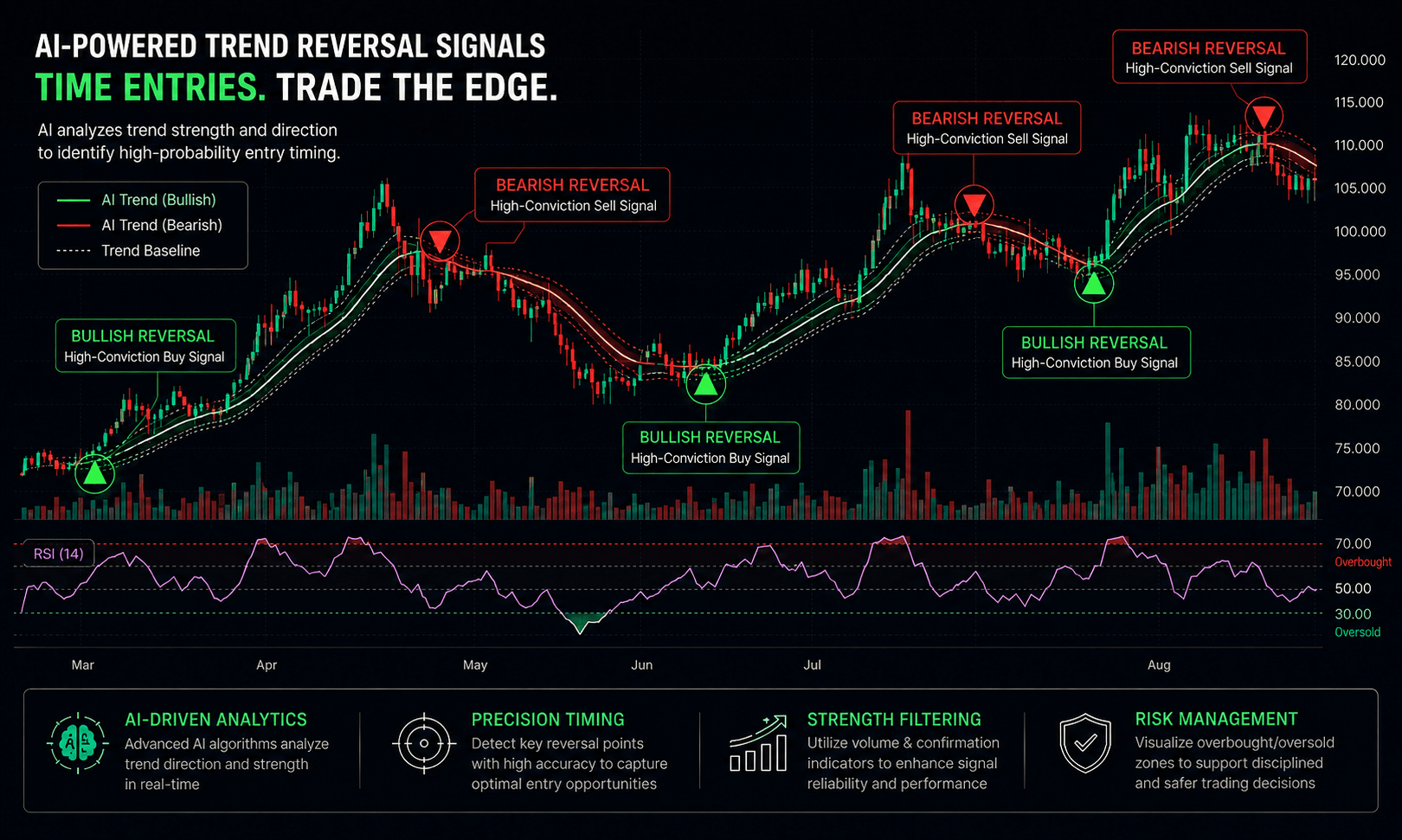
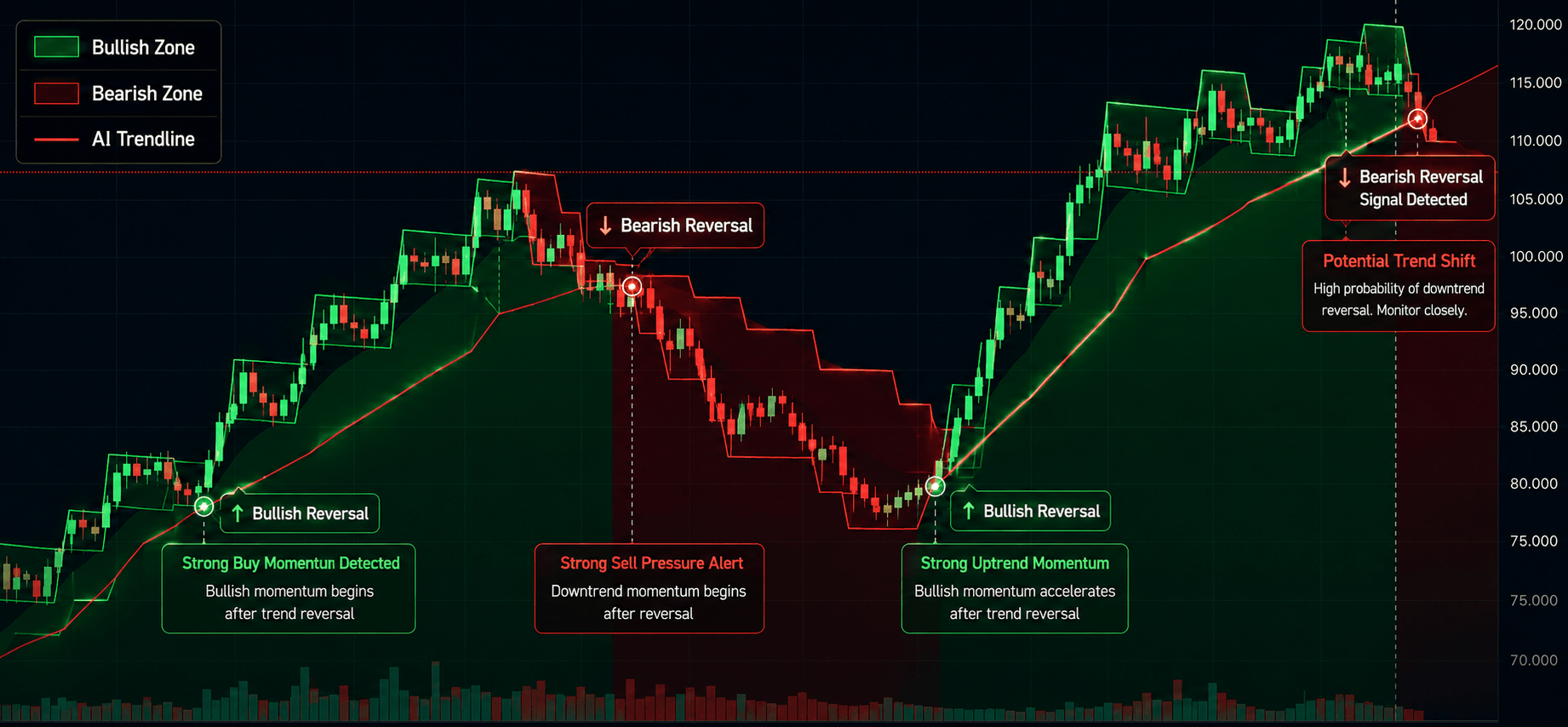
Bull Wave / Bear Wave Forecast Model
Engineered to help you read market direction and momentum faster than the crowd.
- Instantly separate bullish momentum from bearish pressure
- Pinpoint high-probability entry zones with confidence
- Chart signals clear enough for beginners, sharp enough for pros
Winning Pattern Detection
Instantly surfaces the high-probability setups that repeat across the charts — a trusted edge for timing your entries and exits.
- Spot momentum building in real time
- Catch trend-reversal points before they break
- Built for active traders who need results, not theory

AI Live Economic Dashboard
AI analyzes real-time market data — turning complex, global investment flows into clear insight in seconds.
- Track global stock markets in real time
- See exactly which assets are strong — and which are fading
- Watch how geopolitical events move the markets
About the Author