Definition
Free cash flow to equity (FCFE) and free cash flow to firm (FCFF) are two related but distinct cash flow measures used in discounted cash flow (DCF) valuation. FCFE represents the cash flow available to equity shareholders after all operating expenses, taxes, capital expenditures, and debt-related cash flows (interest and net borrowing) have been accounted for. FCFF represents the cash flow available to all capital providers — both equity holders and debt holders — before any financing effects are deducted. The key difference is whose claim on the cash flow is being measured: FCFE is an equity-side measure, while FCFF is an enterprise-wide (whole-firm) measure.
How It’s Calculated
One common formula for FCFF, starting from net income, is: FCFF = Net Income + Non-Cash Charges (like depreciation) + Interest Expense × (1 – Tax Rate) – Capital Expenditures – Change in Working Capital. FCFE can then be derived directly from FCFF by removing the effect of debt financing: FCFE = FCFF – Interest Expense × (1 – Tax Rate) + Net Borrowing (new debt issued minus debt repaid).
As a worked example, suppose a company has an FCFF of $100 million, pays $20 million in interest expense, faces a 20% tax rate, and takes on $20 million in net new borrowing during the year. The after-tax interest add-back that FCFF already included is $20 million × (1 – 0.20) = $16 million. Removing that and adding net borrowing gives FCFE = $100 million – $16 million + $20 million = $104 million. In this example FCFE exceeds FCFF because the company raised more in new debt than it paid in after-tax interest cost that year.

Why It Matters
Choosing the right free cash flow measure matters because each pairs with a different valuation approach and discount rate. FCFE, since it represents cash flow to equity holders only, should be discounted at the cost of equity to arrive directly at the value of equity. FCFF, since it represents cash flow to all capital providers, should be discounted at the weighted average cost of capital (WACC) to arrive at enterprise value, from which net debt is then subtracted to back into equity value. Using the wrong discount rate with the wrong cash flow measure is a common valuation error that can significantly distort the result.
Comparison
| Aspect | FCFE | FCFF |
|---|---|---|
| Represents cash flow to | Equity holders only | All capital providers (equity + debt) |
| Discount rate used | Cost of equity | Weighted average cost of capital (WACC) |
| Output of DCF | Equity value directly | Enterprise value (then subtract net debt) |
| Best suited when | Leverage (debt ratio) is stable | Leverage is unstable or changing significantly |
| Sensitivity to capital structure | High — built into the formula | Low — capital-structure-neutral |
Frequently Asked Questions
When should an analyst use FCFF instead of FCFE?
FCFF is generally preferred when a company’s capital structure (its mix of debt and equity) is unstable, expected to change significantly, or when the company has negative or highly variable net income that makes FCFE difficult to project reliably. Because FCFF is calculated before financing effects, it is less distorted by leverage changes and easier to model consistently across those changes.
Why can FCFE be negative even when a company is profitable?
FCFE can turn negative if a company is paying down large amounts of debt, making heavy capital expenditures, or facing a working capital buildup that outweighs its net income and depreciation add-backs. A profitable company that is aggressively deleveraging or investing can still show negative FCFE in a given period even though its underlying operations are healthy.
Do FCFE and FCFF always give the same equity value?
In theory, a properly constructed FCFF-based DCF (discounted at WACC, then subtracting net debt) and a properly constructed FCFE-based DCF (discounted at cost of equity) should converge to the same equity value, because they are two different paths to measuring the same underlying business. In practice, small differences often appear due to simplifying assumptions, especially around how debt and leverage are projected to change over the forecast period.
Is FCFF the same as EBITDA?
No. EBITDA (earnings before interest, taxes, depreciation, and amortization) is a profitability proxy that ignores capital expenditures and working capital changes entirely. FCFF starts from a profit measure but explicitly subtracts capital expenditures and changes in working capital, making it a genuine cash flow measure rather than an accounting earnings proxy.
Key Takeaways
FCFE and FCFF both measure cash flow available for distribution, but FCFE isolates the portion belonging to equity holders (paired with the cost of equity) while FCFF captures the whole firm’s cash flow before financing effects (paired with WACC) — the choice comes down to whether a company’s capital structure is stable enough to model directly through FCFE or unstable enough to require the capital-structure-neutral FCFF approach. This article is for informational purposes only and does not constitute investment advice.

QuantPro: AI Finds the Trade Before You Do
From AI-powered chart analysis to real-time market intelligence — everything a serious investor needs, in one platform.
- Automated AI chart analysis with precision trend timing
- Bull Radar: real-time visualization of geopolitical & economic shifts
- Live market-moving news and insights, curated for you
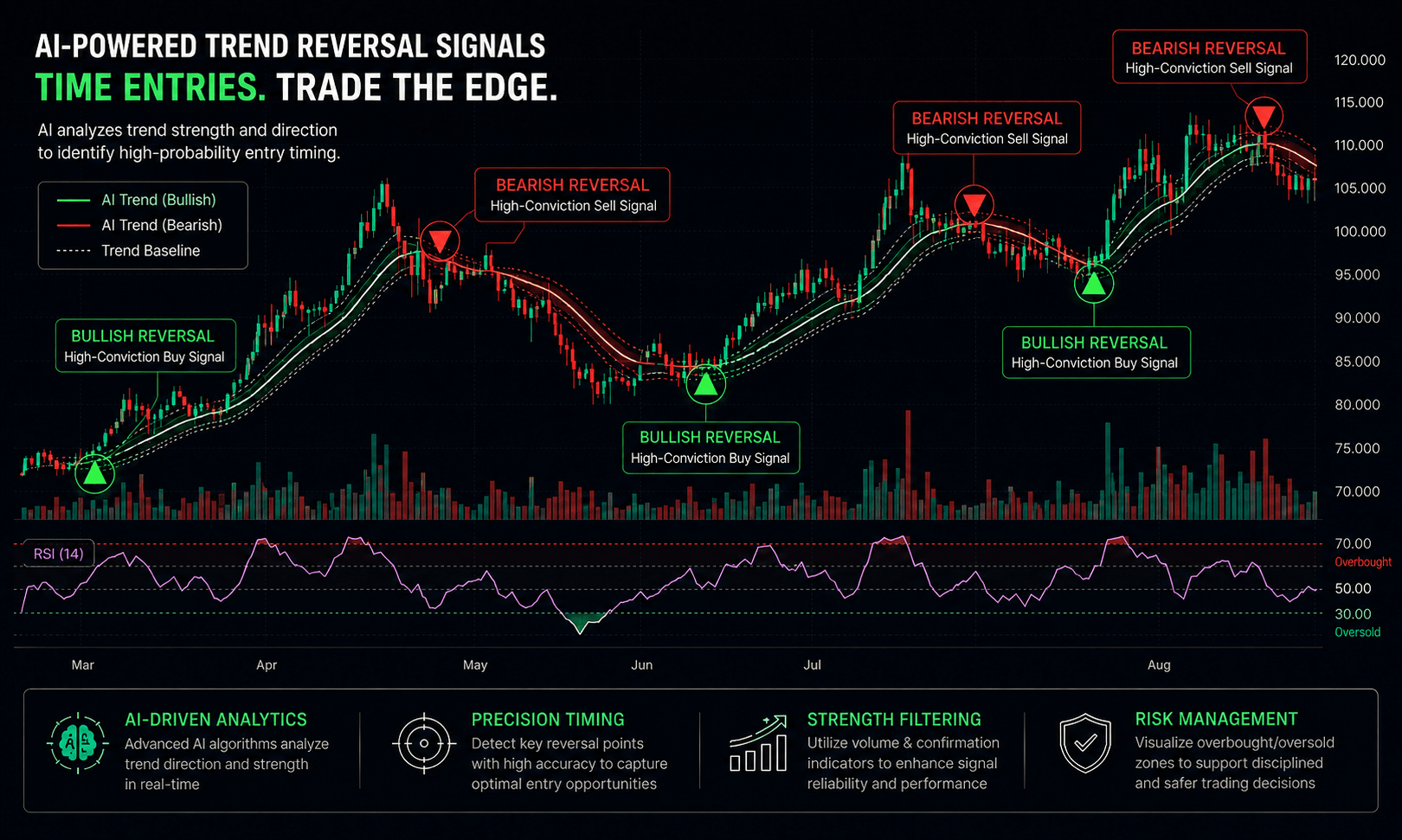
Bull Wave / Bear Wave Forecast Model
Engineered to help you read market direction and momentum faster than the crowd.
- Instantly separate bullish momentum from bearish pressure
- Pinpoint high-probability entry zones with confidence
- Chart signals clear enough for beginners, sharp enough for pros
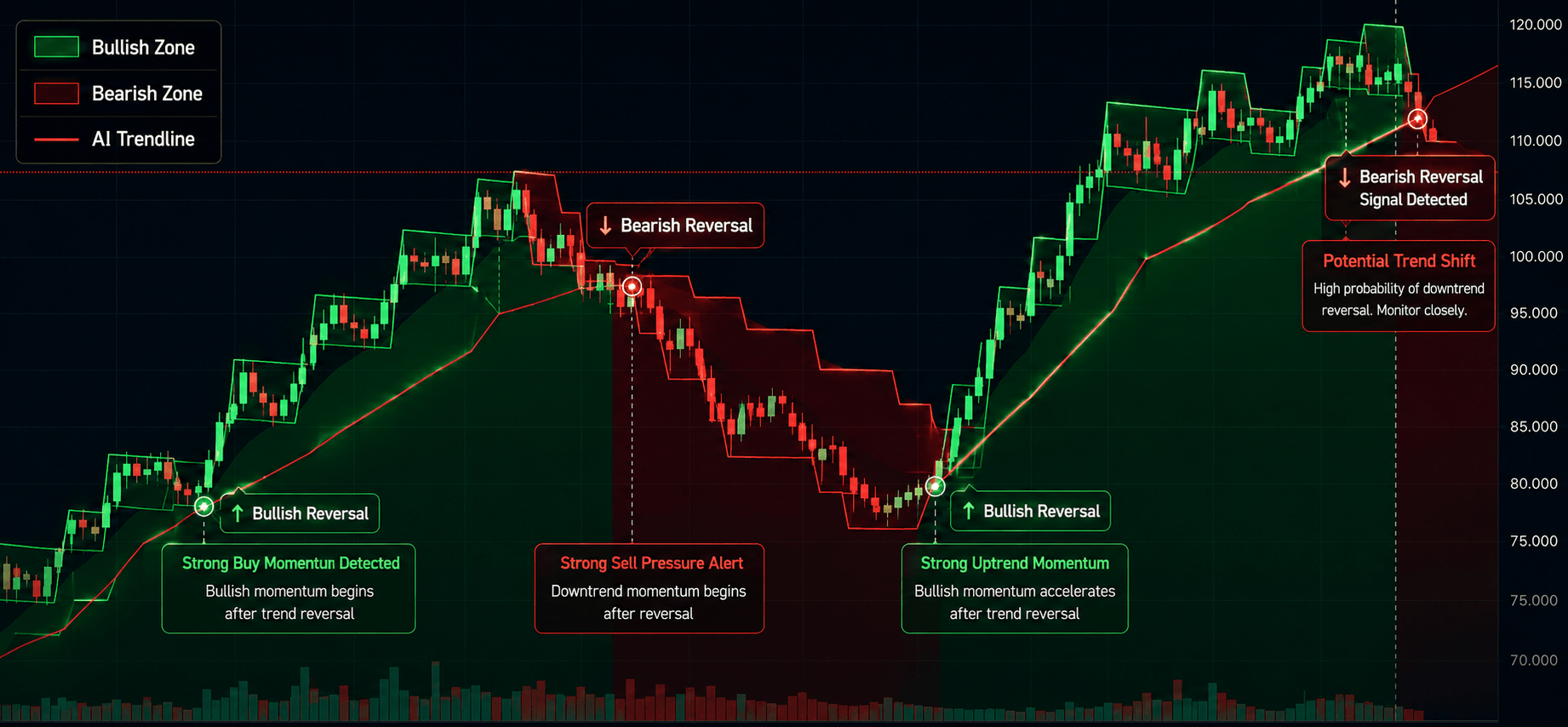
Winning Pattern Detection
Instantly surfaces the high-probability setups that repeat across the charts — a trusted edge for timing your entries and exits.
- Spot momentum building in real time
- Catch trend-reversal points before they break
- Built for active traders who need results, not theory

AI Live Economic Dashboard
AI analyzes real-time market data — turning complex, global investment flows into clear insight in seconds.
- Track global stock markets in real time
- See exactly which assets are strong — and which are fading
- Watch how geopolitical events move the markets
About the Author