Definition
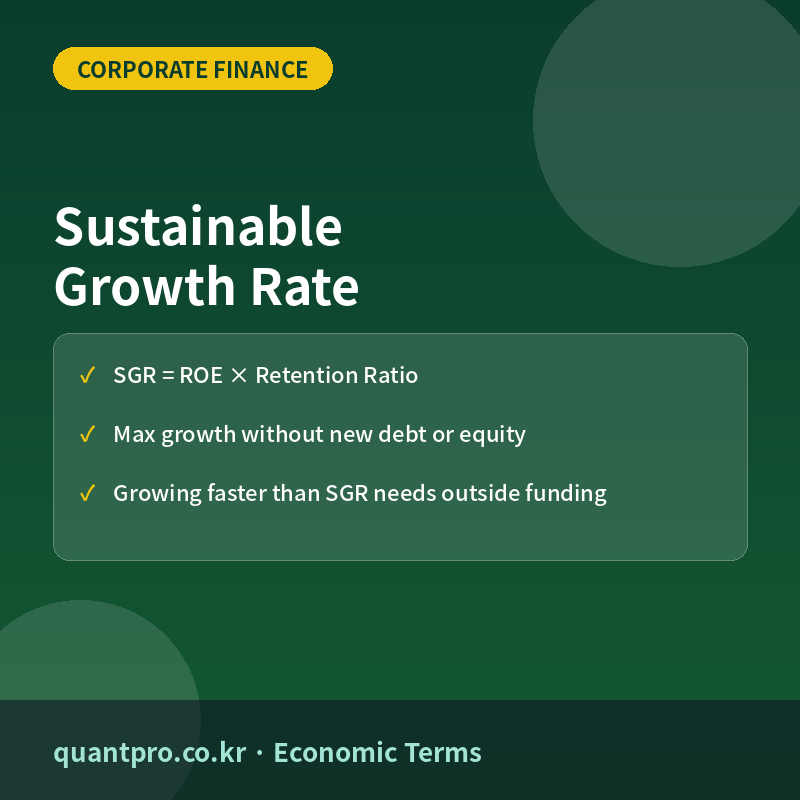
The sustainable growth rate (SGR) is the maximum rate at which a company can grow its revenue and earnings using only internally generated funds — retained earnings — without having to raise new debt or issue new equity. It was popularized as a corporate finance planning tool to check whether a company’s growth targets are financially realistic given its existing profitability and dividend policy, or whether they would require external financing.
How It’s Calculated
The formula is: Sustainable Growth Rate = Return on Equity (ROE) × Retention Ratio. Return on equity measures how much profit a company generates per dollar of shareholder equity, and the retention ratio is the portion of net income the company keeps and reinvests rather than paying out as dividends (Retention Ratio = 1 – Dividend Payout Ratio). For example, a company with a 15% ROE that retains 60% of its earnings (paying out 40% as dividends) has an SGR of 15% × 0.60 = 9%.
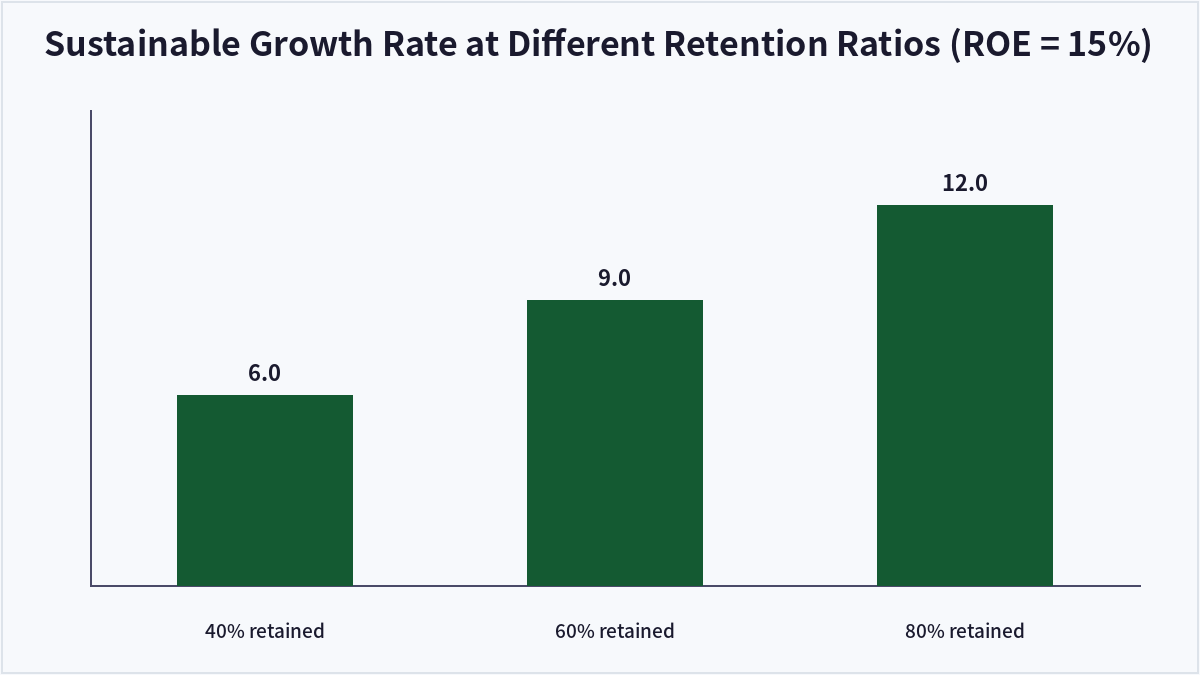
Holding ROE fixed at 15% and varying only the retention ratio shows how directly SGR scales with reinvestment: retaining 40% of earnings gives an SGR of 15% × 0.40 = 6%, retaining 60% gives 15% × 0.60 = 9%, and retaining 80% gives 15% × 0.80 = 12%. A company that wants to grow faster than its SGR without changing its profitability must either retain more earnings (cut dividends), improve ROE, or turn to external financing such as new debt or new equity.
Why It Matters
SGR matters because it acts as a reality check on a company’s growth strategy: if a company plans to grow revenue faster than its sustainable growth rate while keeping its current profitability and payout policy unchanged, that gap must be funded from outside the business, whether through new borrowing, a share issuance, or drawing down cash reserves. Analysts and lenders use SGR to flag companies whose growth ambitions may be outrunning their internal cash generation, which can signal rising leverage, dilution risk for existing shareholders, or future financing needs. Conversely, a company growing well below its SGR is generating more internal cash than it is deploying, which can point toward opportunities for higher dividends, buybacks, or reinvestment.
Comparison
| Actual Growth vs. SGR | Implication | Likely Response |
|---|---|---|
| Actual growth > SGR | Growth outpacing internal funding | Needs new debt, new equity, or cash drawdown |
| Actual growth = SGR | Growth matches internal funding capacity | Capital structure stays stable |
| Actual growth < SGR | Generating more cash than growth requires | Room for higher dividends, buybacks, or M&A |
Frequently Asked Questions
What does it mean if a company’s actual growth rate exceeds its SGR?
It means the company’s revenue and earnings are growing faster than its retained earnings alone can finance, given its current ROE and payout policy. To sustain that growth, the company will typically need to raise external capital — through new borrowing or issuing shares — draw down existing cash reserves, or improve its ROE and retention ratio.
How does paying dividends affect the sustainable growth rate?
Paying dividends reduces the retention ratio, since retention ratio equals 1 minus the payout ratio, which directly lowers SGR for a given ROE. A company that pays out a larger share of its earnings as dividends has less capital to reinvest internally, so it can sustain a lower growth rate before needing outside financing.
Can a company change its sustainable growth rate without changing its actual growth?
Yes. SGR depends only on ROE and the retention ratio, not on actual revenue growth. A company can raise its SGR by improving ROE (through better margins, asset efficiency, or leverage) or by retaining more earnings (cutting dividends), even if its actual growth rate stays the same in the short term.
Is a higher sustainable growth rate always better?
Not automatically. A high SGR driven by a very high retention ratio might mean a company is paying little or no dividend, which may not suit income-focused investors. Likewise, a high SGR driven by high leverage (which boosts ROE) carries more financial risk. SGR should be read alongside the underlying drivers of ROE and the company’s dividend policy, not treated as a standalone “better is always better” figure.
Key Takeaways
Sustainable growth rate, calculated as ROE multiplied by the retention ratio, defines the pace of growth a company can fund purely from retained earnings, and comparing actual growth to SGR quickly reveals whether a company’s expansion plans imply a future need for external financing or leave room for higher shareholder returns. This article is for informational purposes only and does not constitute investment advice.

QuantPro: AI Finds the Trade Before You Do
From AI-powered chart analysis to real-time market intelligence — everything a serious investor needs, in one platform.
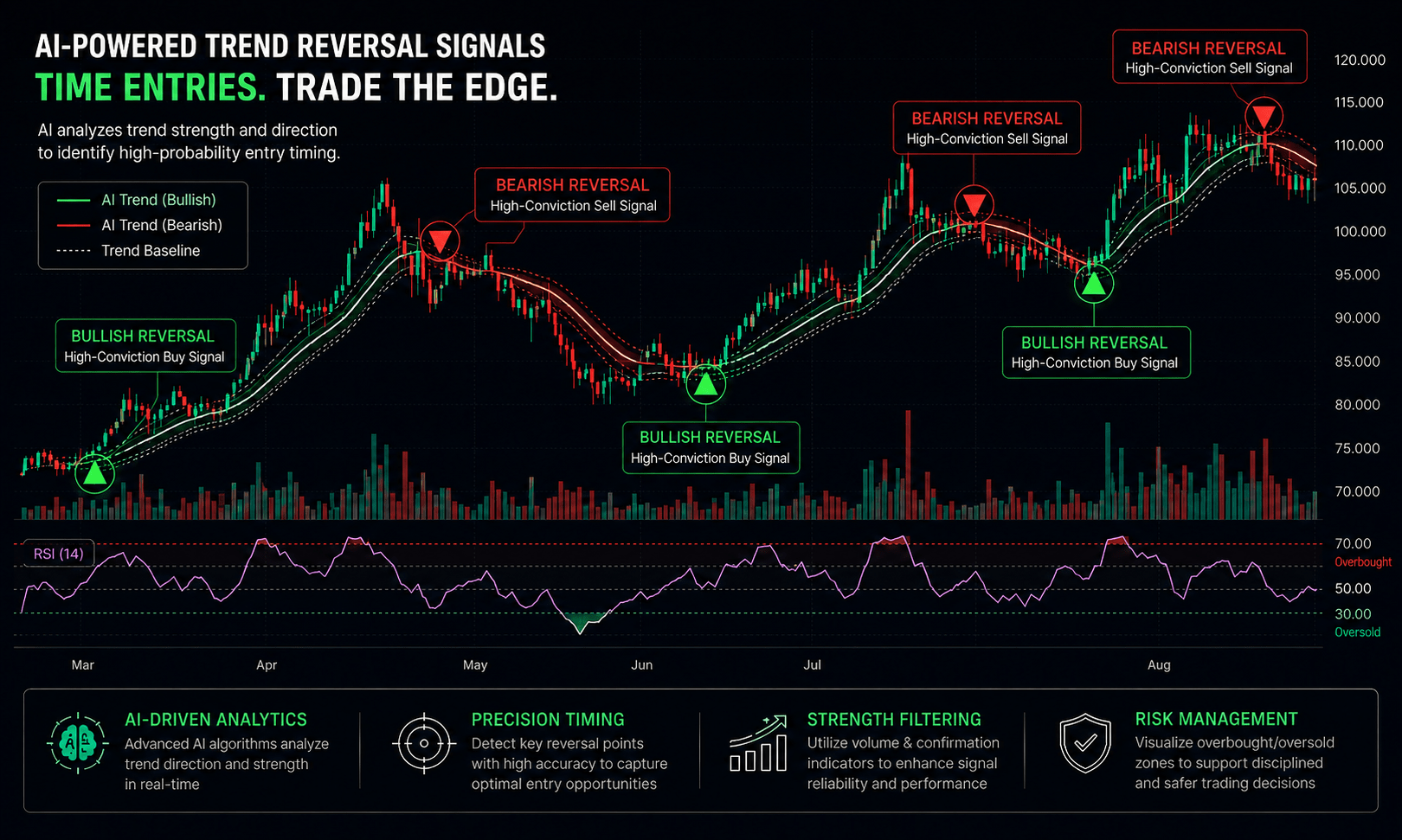
- Automated AI chart analysis with precision trend timing
- Bull Radar: real-time visualization of geopolitical & economic shifts
- Live market-moving news and insights, curated for you
Bull Wave / Bear Wave Forecast Model
Engineered to help you read market direction and momentum faster than the crowd.
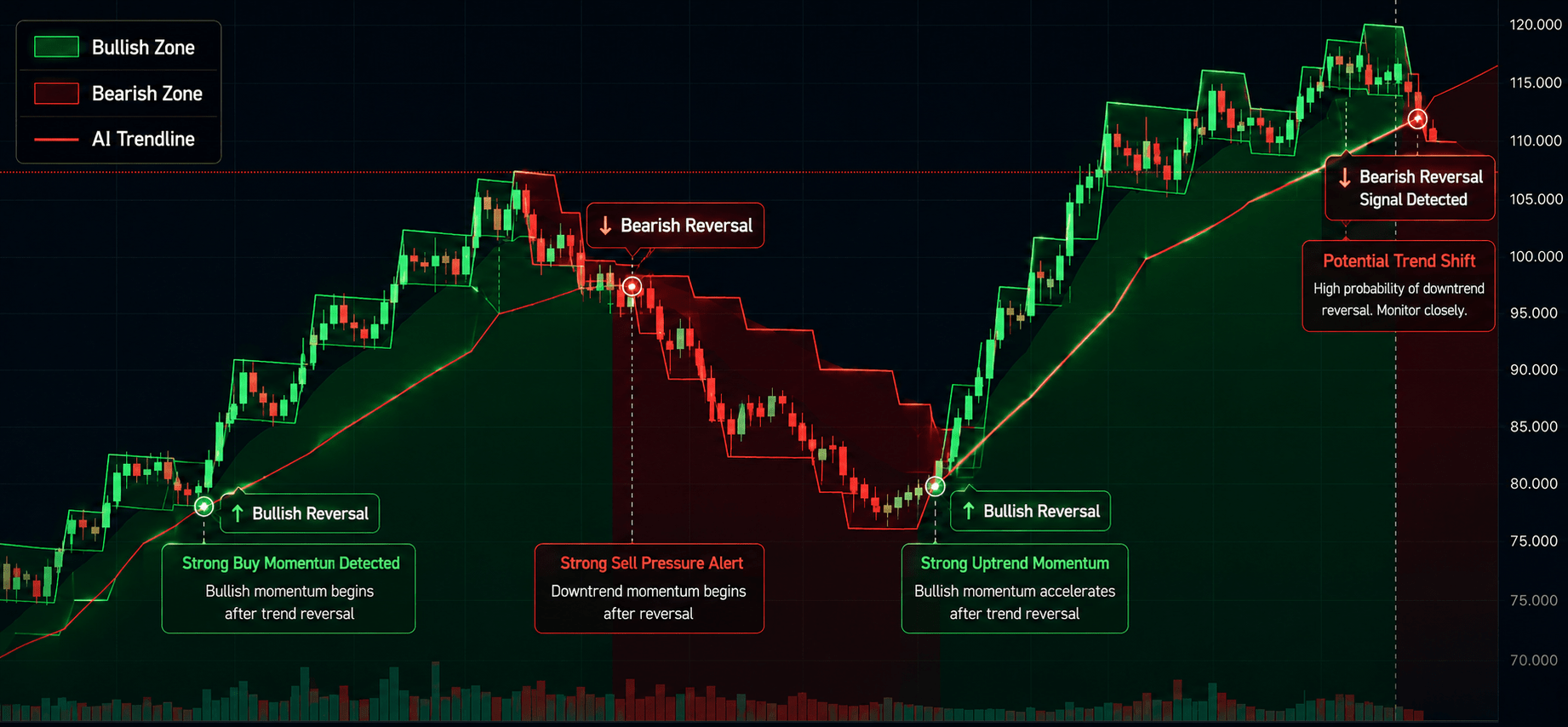
- Instantly separate bullish momentum from bearish pressure
- Pinpoint high-probability entry zones with confidence
- Chart signals clear enough for beginners, sharp enough for pros
Winning Pattern Detection
Instantly surfaces the high-probability setups that repeat across the charts — a trusted edge for timing your entries and exits.
- Spot momentum building in real time
- Catch trend-reversal points before they break
- Built for active traders who need results, not theory

AI Live Economic Dashboard
AI analyzes real-time market data — turning complex, global investment flows into clear insight in seconds.
- Track global stock markets in real time
- See exactly which assets are strong — and which are fading
- Watch how geopolitical events move the markets
About the Author