What Is Triple Witching Day
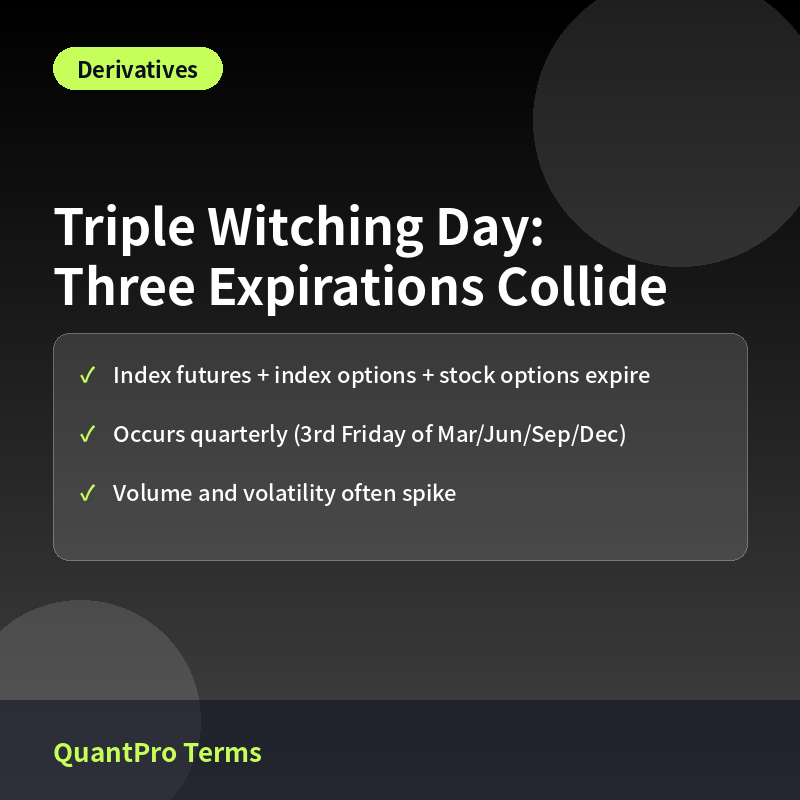
Triple witching day is when three types of derivative contracts — stock index futures, stock index options, and individual stock options — all expire on the same trading day. The term ‘witching’ evokes the sense that markets can behave unpredictably, as if under a spell, during this convergence.
In U.S. markets, triple witching falls on the third Friday of March, June, September, and December. On these days, large volumes of positions built around arbitrage between derivatives and the underlying stocks must be closed out or rolled over all at once.
Why Volatility Rises on Triple Witching Day
When three sets of derivatives expire simultaneously, arbitrage positions that have profited from price gaps between futures and the underlying stocks must be unwound together. This often floods the closing auction with large program-trading orders, causing sharp, short-term price swings in both the index and individual stocks — a phenomenon closely related to what’s sometimes called the ‘wag the dog’ effect, where derivatives markets end up driving the underlying cash market rather than the other way around.
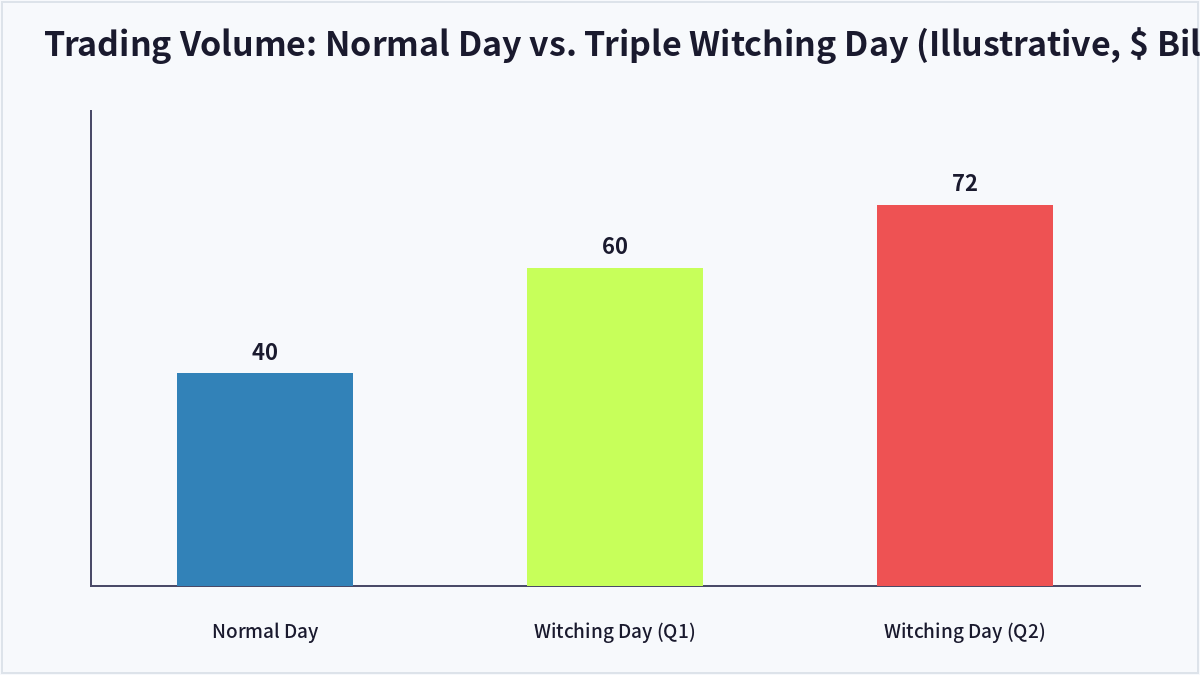
Trading volume on a normal day might run around $40 billion, but on a triple witching day it can jump to $60 billion or more, with volume disproportionately concentrated in the closing auction in the final minutes of trading.
How Investors Should Approach Triple Witching Day
The volatility on triple witching day is largely driven by mechanical position-unwinding rather than any change in a company’s underlying fundamentals. Making hasty trading decisions based on sharp price swings on these days — particularly near the closing auction — is generally discouraged.
Some investors view the price dislocations that follow triple witching as potential opportunities for bargain buying or portfolio rebalancing, but this requires a solid understanding of the unique supply-and-demand dynamics at play on expiration days.
| Feature | Detail |
|---|---|
| Contracts involved | Index futures, index options, stock options |
| Timing | 3rd Friday of Mar, Jun, Sep, Dec |
| Key characteristic | Volume surge, closing-auction volatility |
| Related phenomenon | ‘Wag the dog’ (derivatives driving cash market) |
Frequently Asked Questions
Does triple witching happen every month?
No — it occurs only on a quarterly basis, four times a year. Options on individual months still expire monthly, but only the quarterly dates see all three contract types expire together.
What is quadruple witching?
In U.S. markets, it refers to the same quarterly expiration but including single-stock futures as a fourth expiring contract type, a term used in some markets that also list stock futures.
Can I predict whether the market will rise or fall on triple witching day?
It’s very difficult to predict in advance, since the direction depends on whether the unwinding arbitrage positions are net buyers or net sellers — a detail that isn’t easy to know beforehand.
Should everyday investors care about triple witching day?
Even without direct derivatives exposure, being aware that volatility in indices and individual stocks tends to increase around this date can help investors avoid overreacting to short-term price distortions.
Key Takeaways
Triple witching day is when index futures, index options, and stock options all expire together, often triggering a surge in trading volume and short-term volatility as arbitrage positions are unwound en masse. The resulting price swings are largely mechanical and typically unrelated to any change in company fundamentals. This article is for informational purposes only and does not constitute investment advice.

QuantPro: AI Finds the Trade Before You Do
From AI-powered chart analysis to real-time market intelligence — everything a serious investor needs, in one platform.
- Automated AI chart analysis with precision trend timing
- Bull Radar: real-time visualization of geopolitical & economic shifts
- Live market-moving news and insights, curated for you
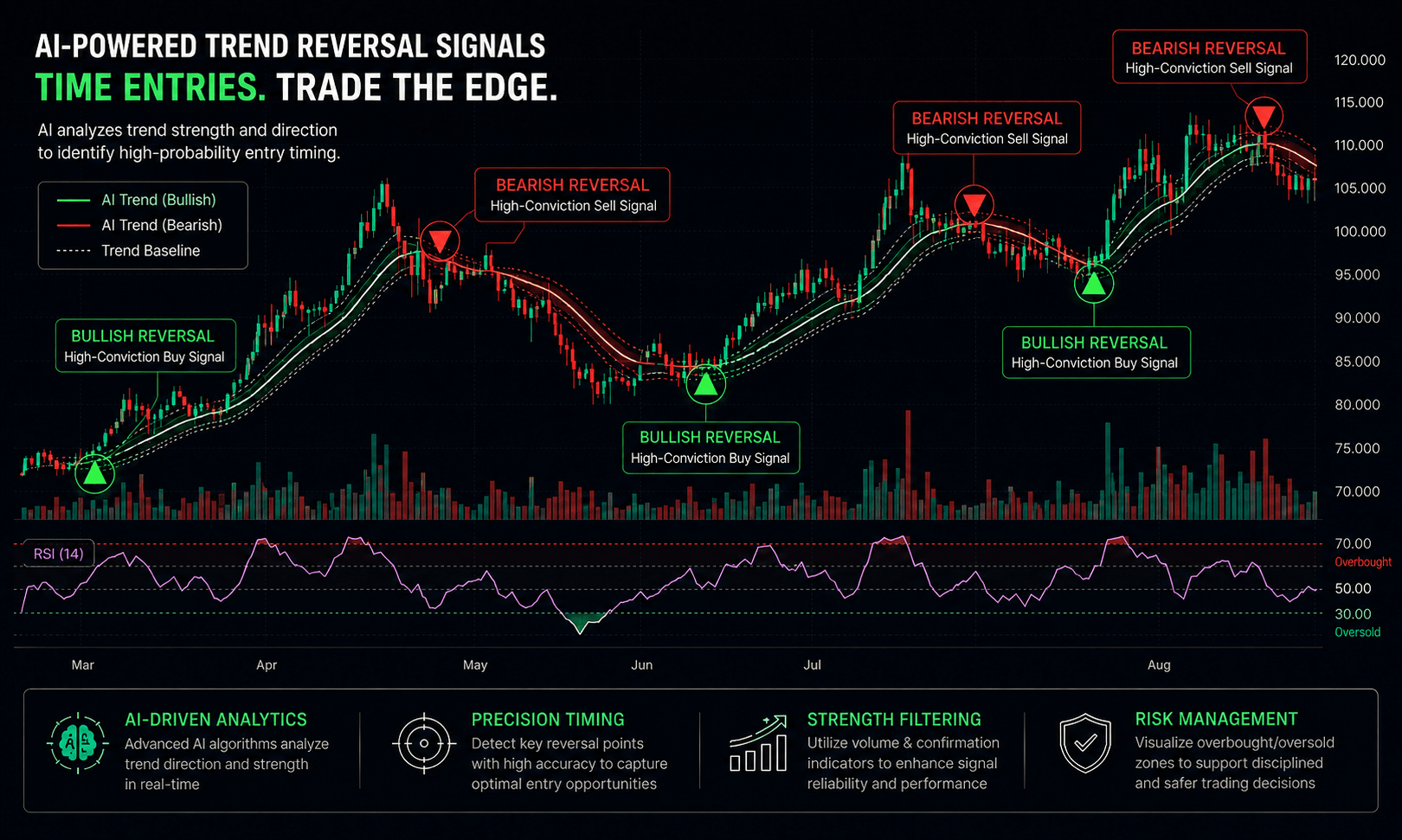
Bull Wave / Bear Wave Forecast Model
Engineered to help you read market direction and momentum faster than the crowd.
- Instantly separate bullish momentum from bearish pressure
- Pinpoint high-probability entry zones with confidence
- Chart signals clear enough for beginners, sharp enough for pros
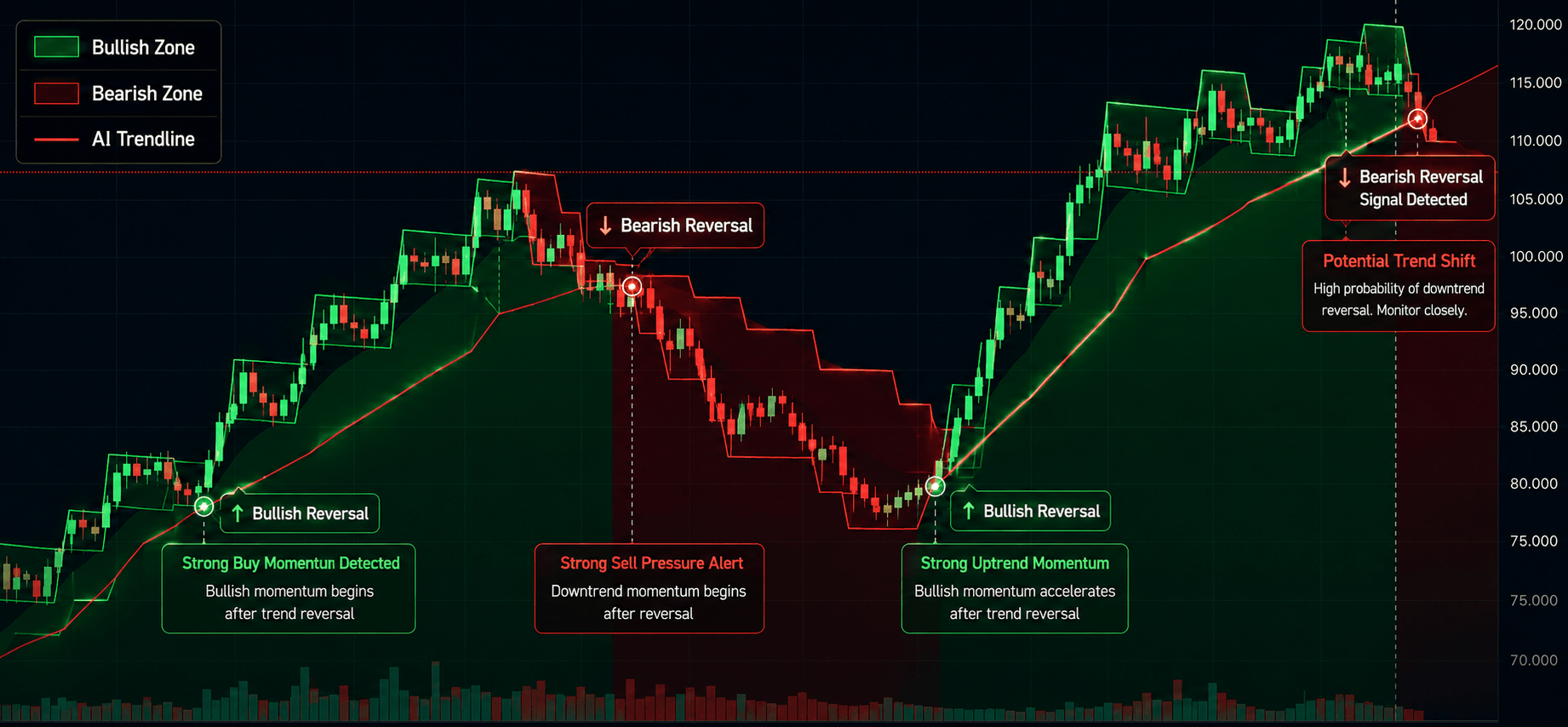
Winning Pattern Detection
Instantly surfaces the high-probability setups that repeat across the charts — a trusted edge for timing your entries and exits.
- Spot momentum building in real time
- Catch trend-reversal points before they break
- Built for active traders who need results, not theory
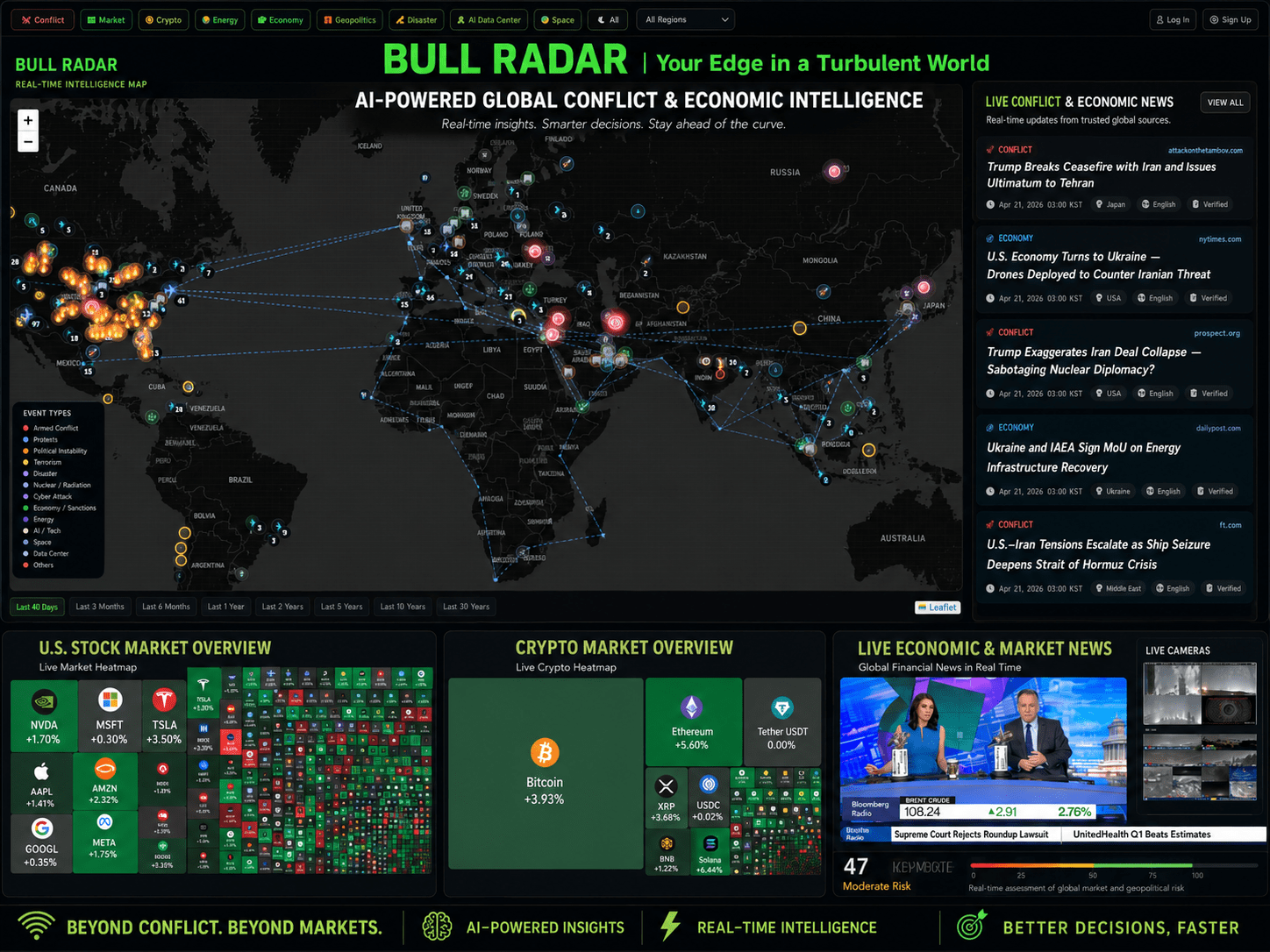
AI Live Economic Dashboard
AI analyzes real-time market data — turning complex, global investment flows into clear insight in seconds.
- Track global stock markets in real time
- See exactly which assets are strong — and which are fading
- Watch how geopolitical events move the markets
About the Author