What Are TIPS?
Treasury Inflation-Protected Securities (TIPS) are U.S. government bonds whose principal value is adjusted based on changes in the Consumer Price Index (CPI). As inflation rises, the bond’s principal increases; if deflation occurs, the principal decreases, though it will not fall below the original face value at maturity.
How the Coupon Payment Works
TIPS pay a fixed coupon rate, but that rate is applied to the inflation-adjusted principal rather than the original face value, meaning the actual dollar amount of each coupon payment rises with inflation even though the percentage rate itself stays constant.

Worked Example
Suppose an investor buys a TIPS with a $1,000 face value and a 1% coupon rate. If inflation runs at 3% annually, after one year the adjusted principal becomes $1,030, and the coupon payment for that year is 1% of $1,030, or $10.30, rather than the original $10. Over time, both the coupon payments and the principal repaid at maturity rise together with cumulative inflation.
How TIPS Compare to Regular Treasury Bonds
Regular Treasury bonds pay a fixed coupon on a fixed principal, which means their real (inflation-adjusted) return can erode significantly if inflation runs higher than expected. TIPS are designed specifically to preserve purchasing power, which typically means they offer a lower stated coupon rate than comparable nominal Treasury bonds, reflecting the inflation protection built into the security.
| Feature | Regular Treasury Bond | TIPS |
|---|---|---|
| Principal | Fixed | Adjusts with CPI |
| Coupon rate | Fixed on fixed principal | Fixed rate on adjusted principal |
| Inflation protection | None built in | Built into principal adjustment |
| Deflation protection at maturity | Not applicable | Principal repaid won’t go below face value |
Frequently Asked Questions
Can TIPS lose value if there is deflation?
The inflation-adjusted principal can decrease during deflationary periods, but the U.S. Treasury guarantees that the amount repaid at maturity will not be less than the original face value.
Are TIPS coupon payments taxed?
Yes, both the coupon payments and the annual increase in principal are generally subject to federal income tax in the year they occur, even though the increased principal isn’t paid out until maturity, which is sometimes called ‘phantom income.’
How can investors buy TIPS?
TIPS can be purchased directly from the U.S. Treasury through TreasuryDirect, through a broker on the secondary market, or indirectly through TIPS-focused mutual funds and ETFs.
Do TIPS always outperform regular Treasury bonds?
Not necessarily. If actual inflation turns out to be lower than what was priced into the yield difference (the breakeven inflation rate) between TIPS and nominal bonds at purchase, regular Treasury bonds can outperform TIPS over that period.
Key Takeaways
TIPS protect investors from inflation by adjusting their principal value with the CPI, ensuring that both coupon payments and the amount repaid at maturity keep pace with rising prices. Understanding how the adjustment mechanism works helps investors compare TIPS against regular Treasury bonds for real, inflation-adjusted returns. This article is for informational purposes only and does not constitute investment advice.

QuantPro: AI Finds the Trade Before You Do
From AI-powered chart analysis to real-time market intelligence — everything a serious investor needs, in one platform.
- Automated AI chart analysis with precision trend timing
- Bull Radar: real-time visualization of geopolitical & economic shifts
- Live market-moving news and insights, curated for you
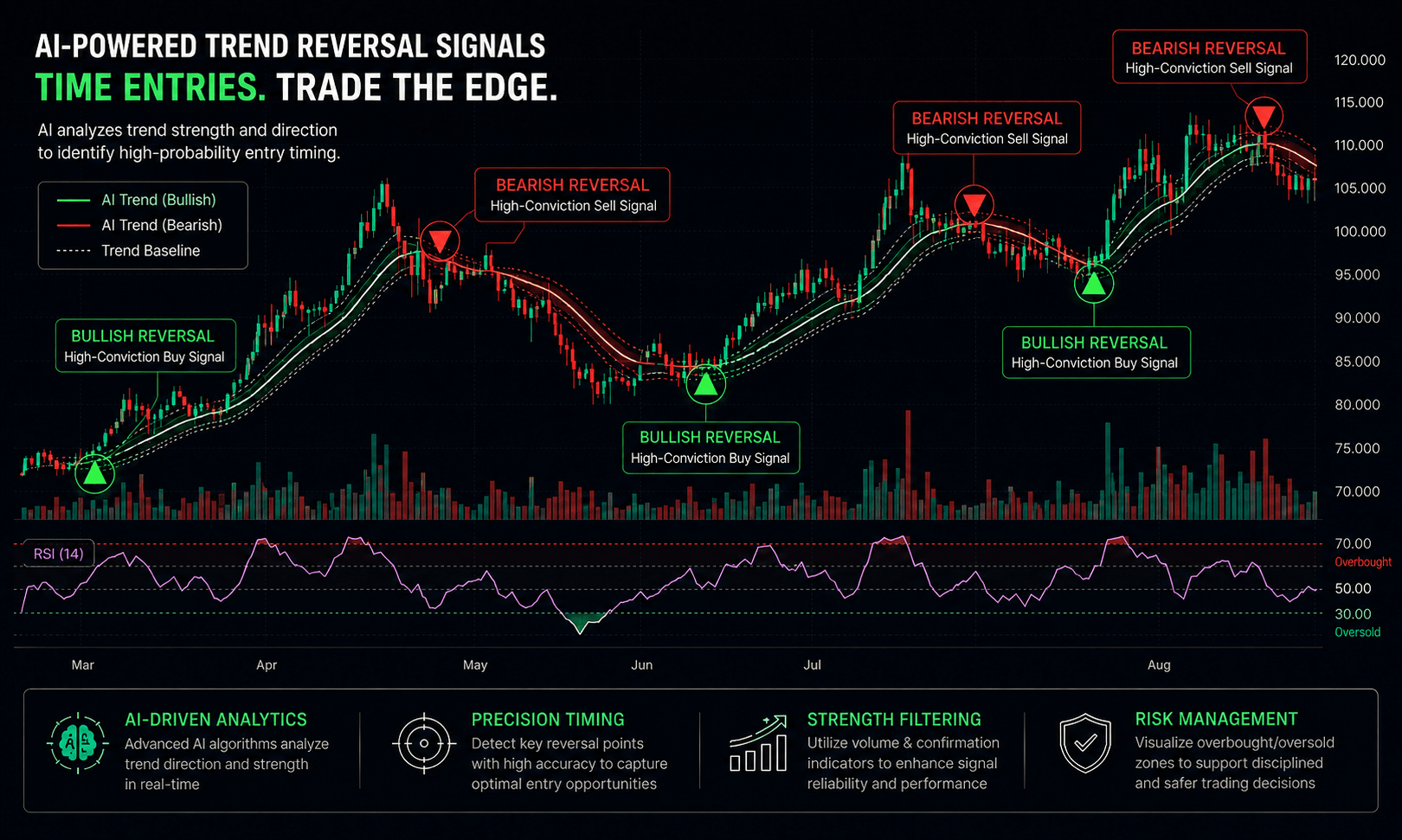
Bull Wave / Bear Wave Forecast Model
Engineered to help you read market direction and momentum faster than the crowd.
- Instantly separate bullish momentum from bearish pressure
- Pinpoint high-probability entry zones with confidence
- Chart signals clear enough for beginners, sharp enough for pros
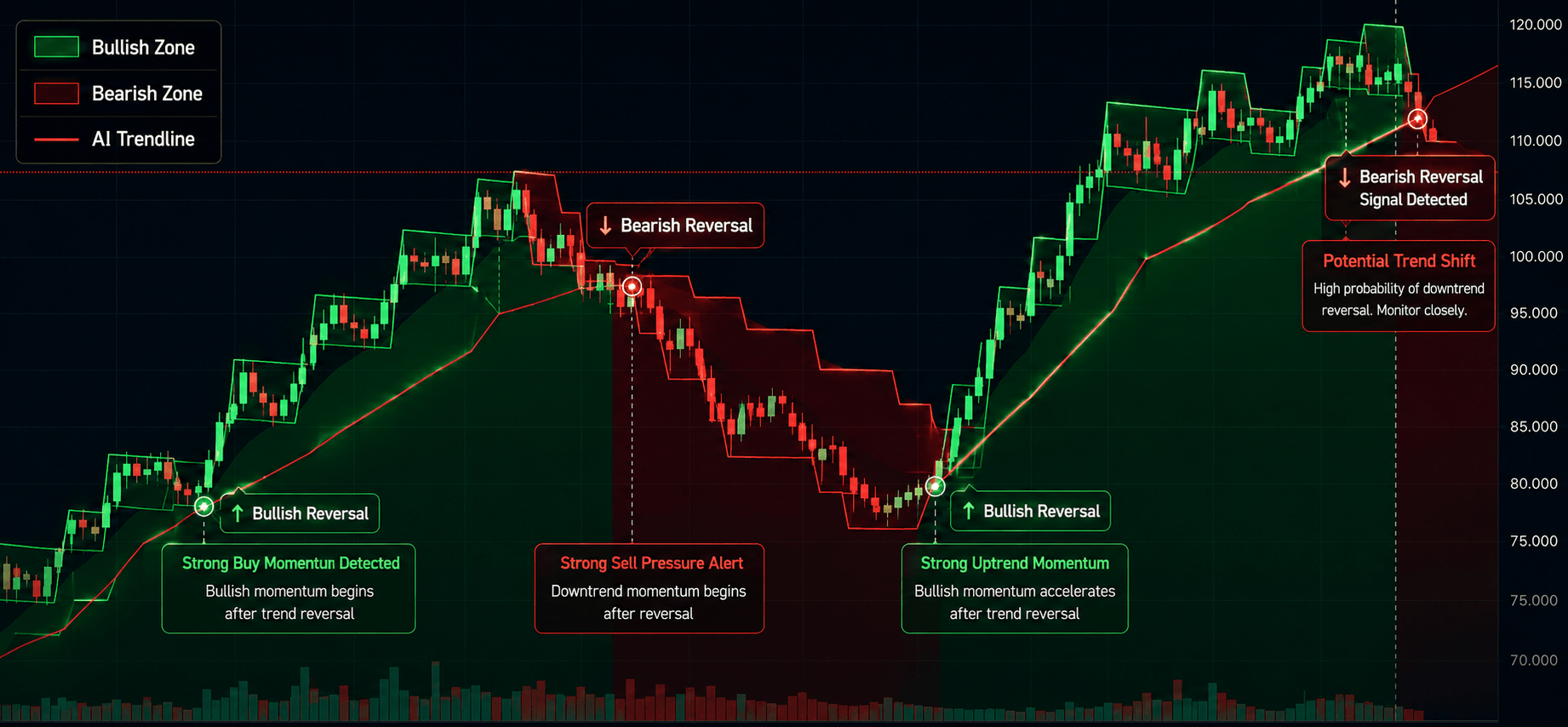
Winning Pattern Detection
Instantly surfaces the high-probability setups that repeat across the charts — a trusted edge for timing your entries and exits.
- Spot momentum building in real time
- Catch trend-reversal points before they break
- Built for active traders who need results, not theory

AI Live Economic Dashboard
AI analyzes real-time market data — turning complex, global investment flows into clear insight in seconds.
- Track global stock markets in real time
- See exactly which assets are strong — and which are fading
- Watch how geopolitical events move the markets
About the Author