What Is a Collateralized Loan Obligation (CLO)?
A collateralized loan obligation (CLO) is a structured credit vehicle that pools together a large number of leveraged bank loans — typically loans made to below-investment-grade companies — and repackages the combined cash flows into securities called tranches. Each tranche has a different level of seniority, meaning a different position in line for receiving interest and principal payments and absorbing any losses from loan defaults.
How the Tranche Structure Allocates Risk
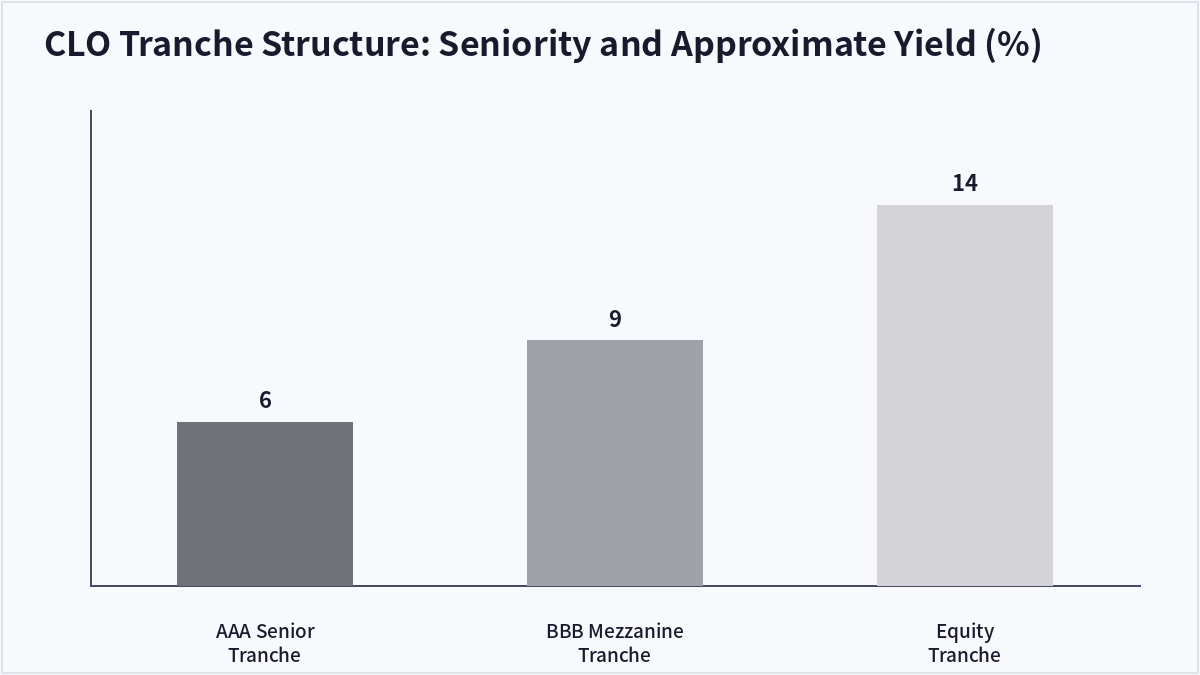
The senior-most tranche, typically rated AAA, is first in line to be paid and last to absorb any losses, which is why it offers the lowest yield (around 6% in this example) despite the underlying loans being non-investment-grade. The mezzanine tranche sits in the middle, taking on more risk for a higher yield (around 9%). The equity tranche, at the bottom of the structure, absorbs the first losses from any loan defaults but also captures the highest potential return (around 14%) if defaults stay low.
Why CLOs Exist
CLOs allow banks and loan originators to move leveraged loans off their balance sheets and transfer credit risk to investors with varying risk appetites, while giving fixed-income investors access to leveraged loan exposure and the diversification benefit of a large, professionally managed pool rather than concentrated exposure to any single borrower. CLOs are actively managed vehicles, with a collateral manager able to trade loans within the pool subject to defined constraints.
| Tranche | Credit Rating | Risk/Return Position |
|---|---|---|
| Senior | AAA to A | Lowest risk, lowest yield, paid first |
| Mezzanine | BBB to B | Moderate risk, moderate yield |
| Equity | Unrated | Highest risk, highest potential return, absorbs first losses |
Frequently Asked Questions
How is a CLO different from a CDO?
A CLO specifically pools corporate leveraged loans, while a collateralized debt obligation (CDO) is a broader category that can include a wider range of debt instruments, including mortgage-backed securities — CDOs backed by risky mortgage assets played a central role in the 2008 financial crisis.
Who typically invests in CLO tranches?
Senior CLO tranches are often bought by banks, insurance companies, and other institutions seeking high-quality, floating-rate income, while equity tranches attract hedge funds and specialized credit investors seeking higher returns.
Are CLOs actively or passively managed?
Most CLOs are actively managed by a collateral manager who can buy and sell loans within the pool during a defined reinvestment period, subject to diversification and quality constraints set out in the deal documents.
Did CLOs cause problems similar to CDOs in 2008?
CLOs held up notably better than mortgage-backed CDOs during the 2008 crisis, in part because leveraged loan collateral and CLO structures have generally proven more resilient, though they remain sensitive to a broad rise in corporate default rates.
Key Takeaways
A CLO pools leveraged bank loans and divides the cash flows into tranches with different seniority, letting investors choose their position in the risk-return spectrum from low-yield senior debt to high-yield equity. The structure allows banks to transfer credit risk while giving investors diversified access to the leveraged loan market. This article is for informational purposes only and does not constitute investment advice.

QuantPro: AI Finds the Trade Before You Do
From AI-powered chart analysis to real-time market intelligence — everything a serious investor needs, in one platform.
- Automated AI chart analysis with precision trend timing
- Bull Radar: real-time visualization of geopolitical & economic shifts
- Live market-moving news and insights, curated for you
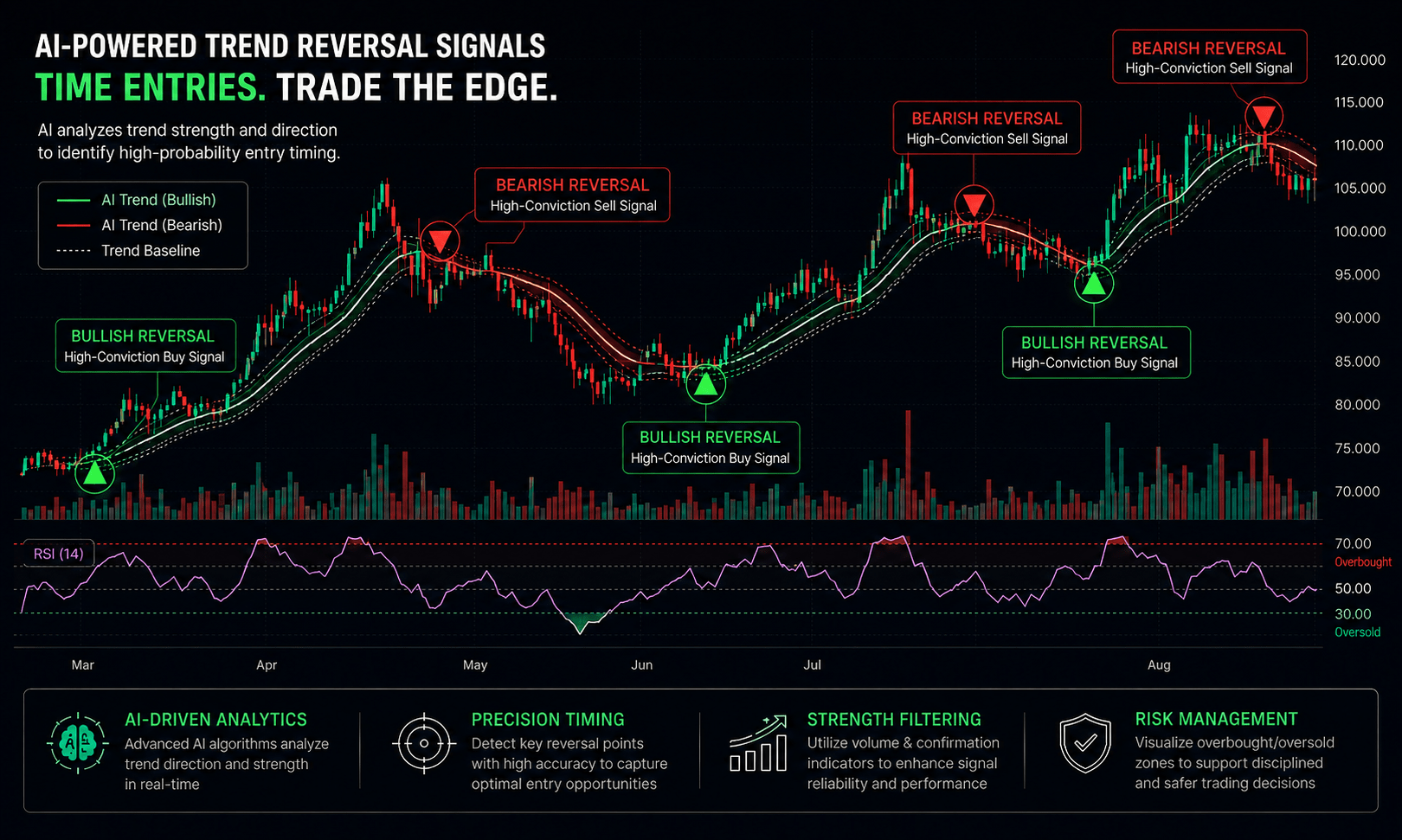
Bull Wave / Bear Wave Forecast Model
Engineered to help you read market direction and momentum faster than the crowd.
- Instantly separate bullish momentum from bearish pressure
- Pinpoint high-probability entry zones with confidence
- Chart signals clear enough for beginners, sharp enough for pros
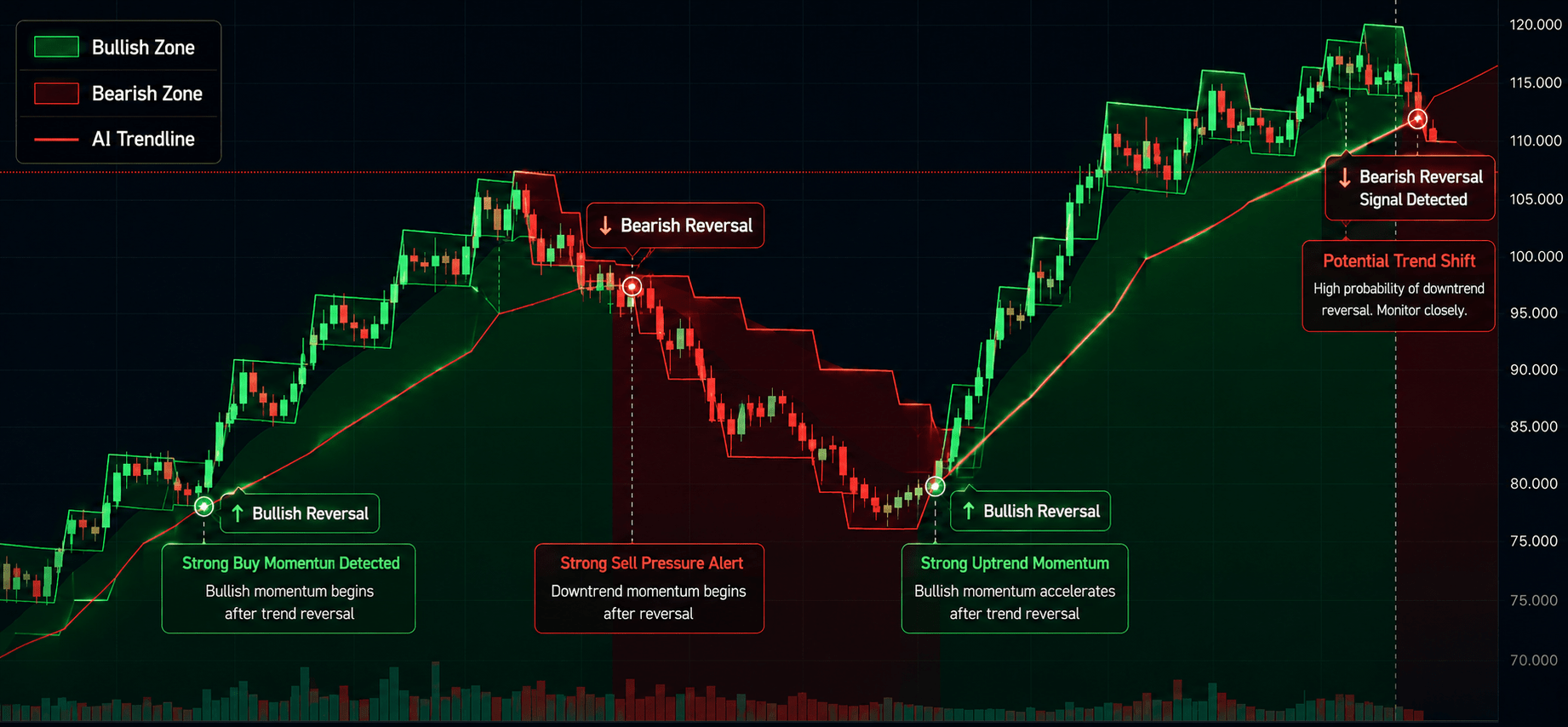
Winning Pattern Detection
Instantly surfaces the high-probability setups that repeat across the charts — a trusted edge for timing your entries and exits.
- Spot momentum building in real time
- Catch trend-reversal points before they break
- Built for active traders who need results, not theory

AI Live Economic Dashboard
AI analyzes real-time market data — turning complex, global investment flows into clear insight in seconds.
- Track global stock markets in real time
- See exactly which assets are strong — and which are fading
- Watch how geopolitical events move the markets
About the Author