What Is a Covered Call?
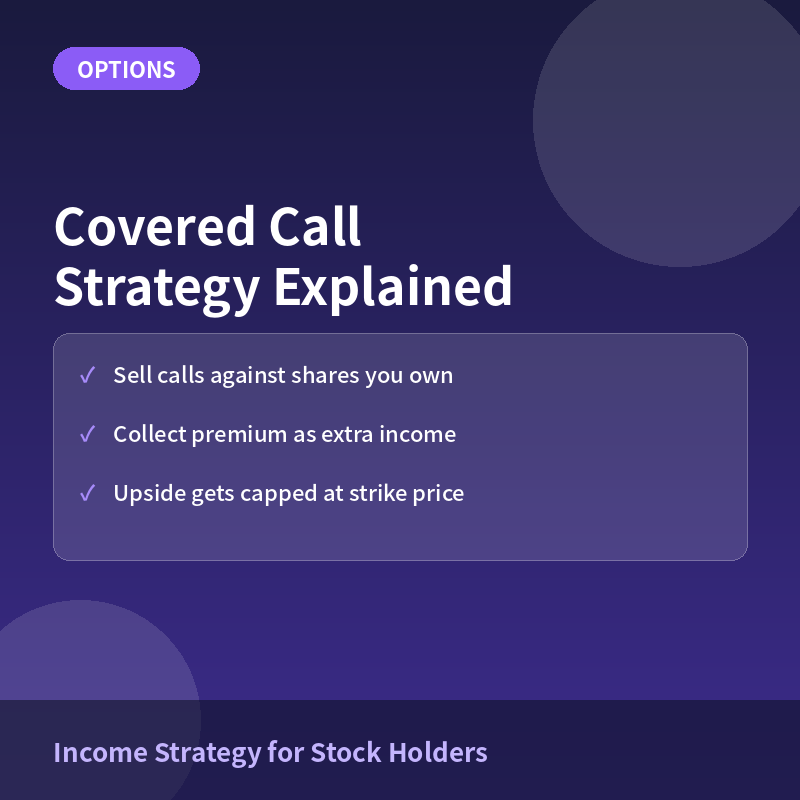
A covered call is an options strategy in which an investor who already owns at least 100 shares of a stock sells (writes) a call option against those shares. In exchange for taking on the obligation to sell the stock at the strike price if the option is exercised, the investor collects an upfront premium. It’s called ‘covered’ because the investor already owns the underlying shares, unlike a naked call, which carries unlimited risk.
How the Payoff Works
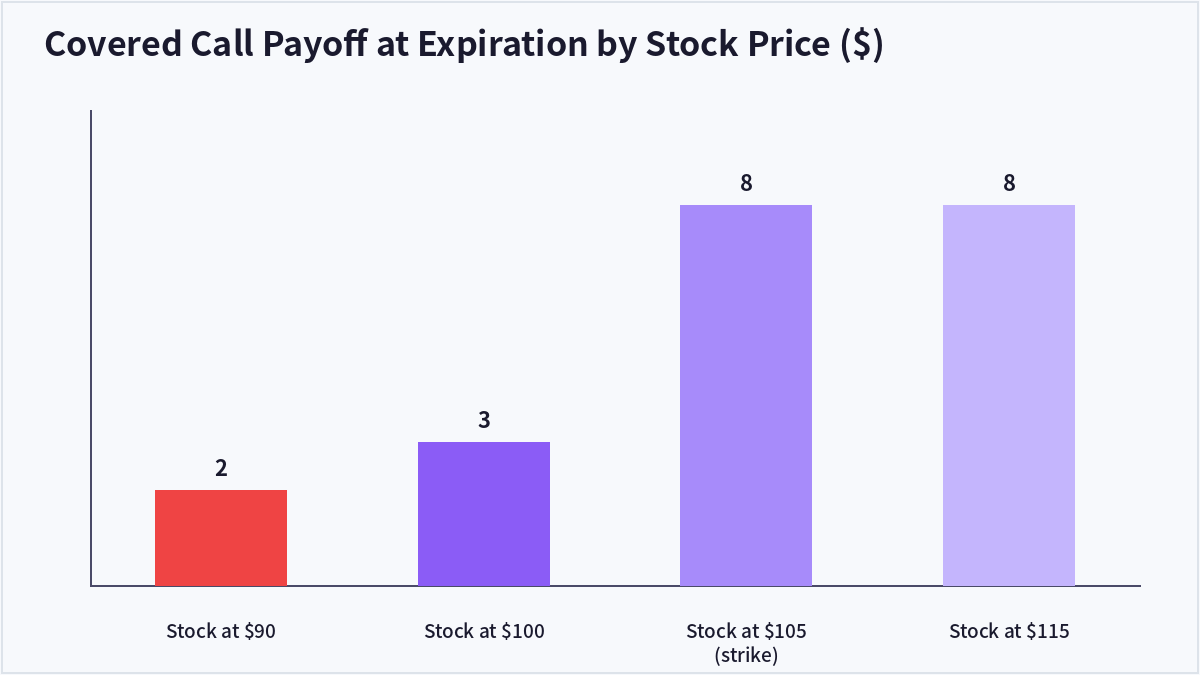
Suppose an investor buys a stock at $100 and sells a call option with a $105 strike for a $3 premium. If the stock stays below $105, the option expires worthless and the investor simply keeps the $3 premium on top of any stock gains. If the stock rises above $105, the shares get called away at $105, capping the total profit at $8 per share ($5 in stock appreciation plus the $3 premium) regardless of how much further the stock climbs.
Why Investors Use Covered Calls
Covered calls are popular with investors who hold a stock for the long term but don’t expect a large near-term rally, since the premium income can meaningfully boost returns in flat or modestly rising markets. Many monthly-income ETFs are built entirely around systematically selling covered calls across a portfolio of stocks to generate consistent distributions.
| Scenario | Buy-and-Hold Stock | Covered Call |
|---|---|---|
| Stock falls | Full loss (no cushion) | Loss reduced by premium collected |
| Stock flat | No gain | Gain equal to premium |
| Stock rallies sharply | Unlimited upside | Upside capped at strike + premium |
Frequently Asked Questions
What happens if the stock price drops sharply?
The premium collected provides a small cushion against losses, but a covered call does not protect against a large decline — the investor still owns the stock and bears most of the downside risk.
Can a covered call be closed before expiration?
Yes. The investor can buy back the short call at any time before expiration to close the position, typically at a profit if the stock has stayed below the strike or a loss if it has risen well above it.
Is a covered call the same as a buy-write?
They describe the same strategy from two angles: ‘buy-write’ refers to simultaneously buying the stock and writing the call, while ‘covered call’ more generally describes selling a call against stock already owned.
What is the ideal market condition for covered calls?
Covered calls tend to perform best in flat to modestly rising markets, since the investor captures the premium without giving up much upside; in strongly trending bull markets, the capped gains can lag simply holding the stock.
Key Takeaways
A covered call generates income by selling call options against stock you already own, trading away some upside potential for steady premium income. It works best when you expect modest gains or a flat market rather than a sharp rally. This article is for informational purposes only and does not constitute investment advice.

QuantPro: AI Finds the Trade Before You Do
From AI-powered chart analysis to real-time market intelligence — everything a serious investor needs, in one platform.
- Automated AI chart analysis with precision trend timing
- Bull Radar: real-time visualization of geopolitical & economic shifts
- Live market-moving news and insights, curated for you
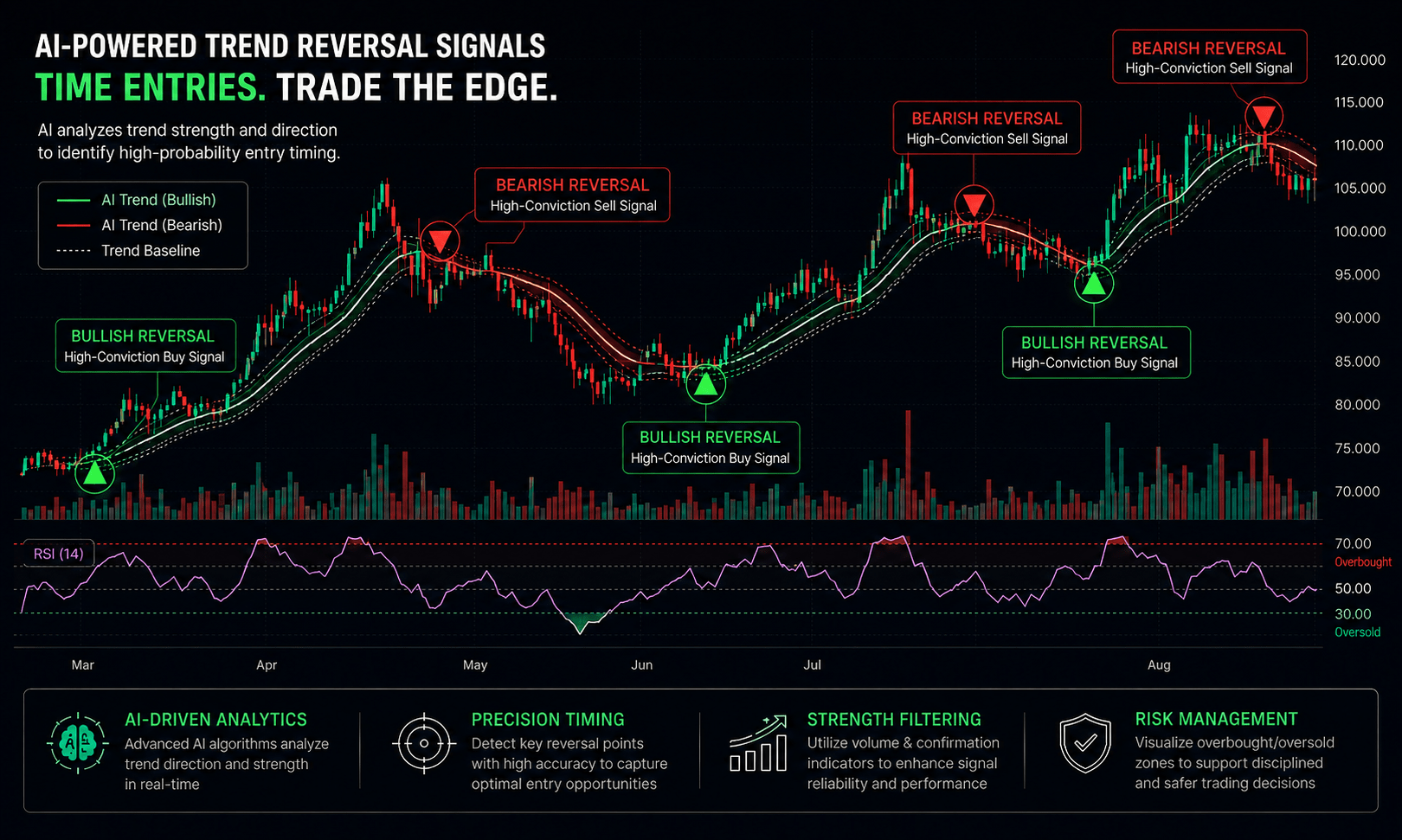
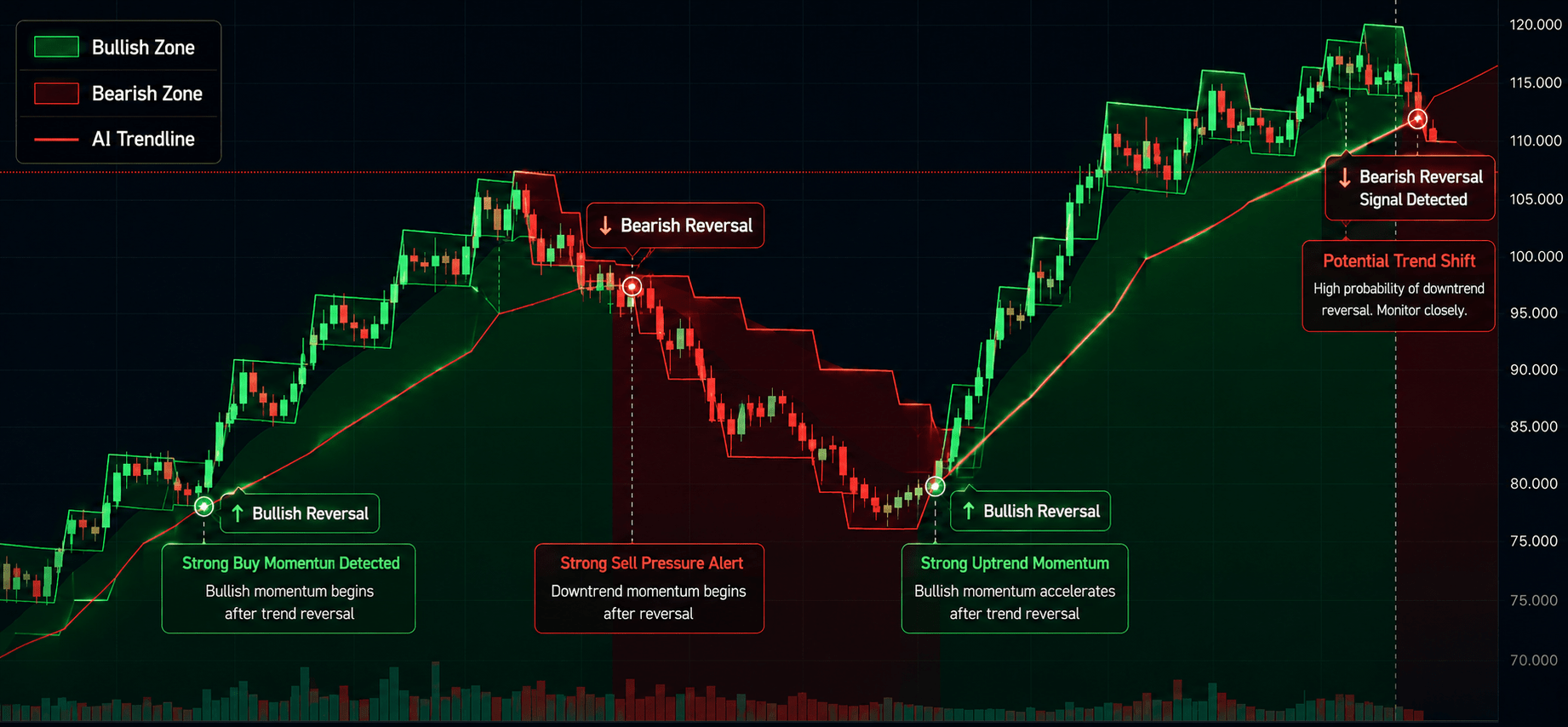
Bull Wave / Bear Wave Forecast Model
Engineered to help you read market direction and momentum faster than the crowd.
- Instantly separate bullish momentum from bearish pressure
- Pinpoint high-probability entry zones with confidence
- Chart signals clear enough for beginners, sharp enough for pros
Winning Pattern Detection
Instantly surfaces the high-probability setups that repeat across the charts — a trusted edge for timing your entries and exits.
- Spot momentum building in real time
- Catch trend-reversal points before they break
- Built for active traders who need results, not theory

AI Live Economic Dashboard
AI analyzes real-time market data — turning complex, global investment flows into clear insight in seconds.
- Track global stock markets in real time
- See exactly which assets are strong — and which are fading
- Watch how geopolitical events move the markets
About the Author