What Is a Margin Call?
A margin call occurs when an investor’s equity in a leveraged brokerage account falls below the broker’s required ‘maintenance margin’ level, typically because the value of securities purchased with borrowed money (margin) has declined. When this happens, the broker demands that the investor deposit additional cash or securities, or sell existing positions, to bring the account’s equity back above the required threshold.
How the Threshold Gets Breached
Suppose an investor buys stock on margin and the position’s equity starts at 50% of the total value. As the stock price falls, that equity percentage shrinks — in this example, dropping from 50% to 18% as the stock declines. Once equity falls below the maintenance margin requirement (commonly 25%, though brokers can set it higher), a margin call is triggered, and the investor must act quickly to restore the required equity level.

Why Margin Calls Can Spiral
If an investor can’t meet a margin call promptly, the brokerage has the legal right to sell the investor’s securities without prior notice or consent, and can choose which positions to liquidate — often at the worst possible time, during a sharp market decline. Because leverage magnifies both gains and losses, a relatively modest price decline in a heavily margined position can wipe out the investor’s equity far faster than an unleveraged position would.
| Term | Meaning |
|---|---|
| Initial margin | Minimum equity percentage required to open a leveraged position |
| Maintenance margin | Minimum equity percentage required to keep the position open |
| Margin call | Broker’s demand for funds when equity falls below the maintenance level |
Frequently Asked Questions
Can a broker sell my stock without asking me first?
Yes. Most margin agreements give the broker the right to liquidate positions immediately to meet a margin call, without prior notice, and the investor is not entitled to choose which specific securities are sold.
How quickly must a margin call be met?
Timeframes vary by broker and can be as short as the same trading day during periods of high volatility, which is why margin trading requires closely monitoring account equity rather than assuming ample time to respond.
Can I lose more money than I initially invested with margin?
Yes — unlike an unleveraged cash account, a margin account can generate losses exceeding the investor’s original deposit, since borrowed funds amplify both gains and losses.
How can an investor reduce the risk of a margin call?
Common approaches include using lower leverage than the maximum allowed, maintaining a cash buffer well above the maintenance margin requirement, and closely monitoring positions during periods of high volatility.
Key Takeaways
A margin call is triggered when losses on a leveraged position push account equity below the broker’s maintenance margin requirement, forcing the investor to add funds or face forced liquidation. Because margin amplifies both gains and losses, understanding maintenance requirements is essential before trading with borrowed money. This article is for informational purposes only and does not constitute investment advice.

QuantPro: AI Finds the Trade Before You Do
From AI-powered chart analysis to real-time market intelligence — everything a serious investor needs, in one platform.
- Automated AI chart analysis with precision trend timing
- Bull Radar: real-time visualization of geopolitical & economic shifts
- Live market-moving news and insights, curated for you
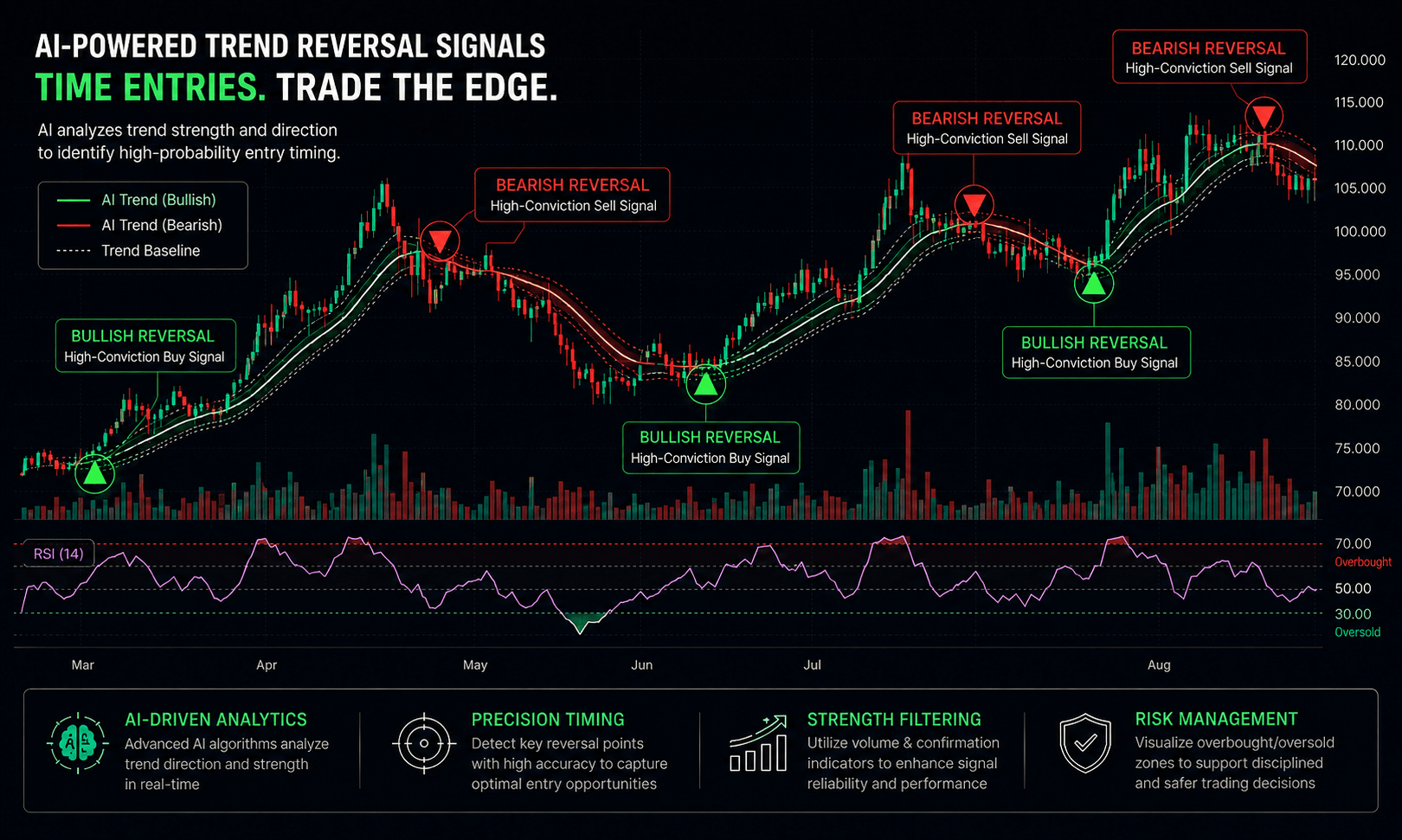
Bull Wave / Bear Wave Forecast Model
Engineered to help you read market direction and momentum faster than the crowd.
- Instantly separate bullish momentum from bearish pressure
- Pinpoint high-probability entry zones with confidence
- Chart signals clear enough for beginners, sharp enough for pros
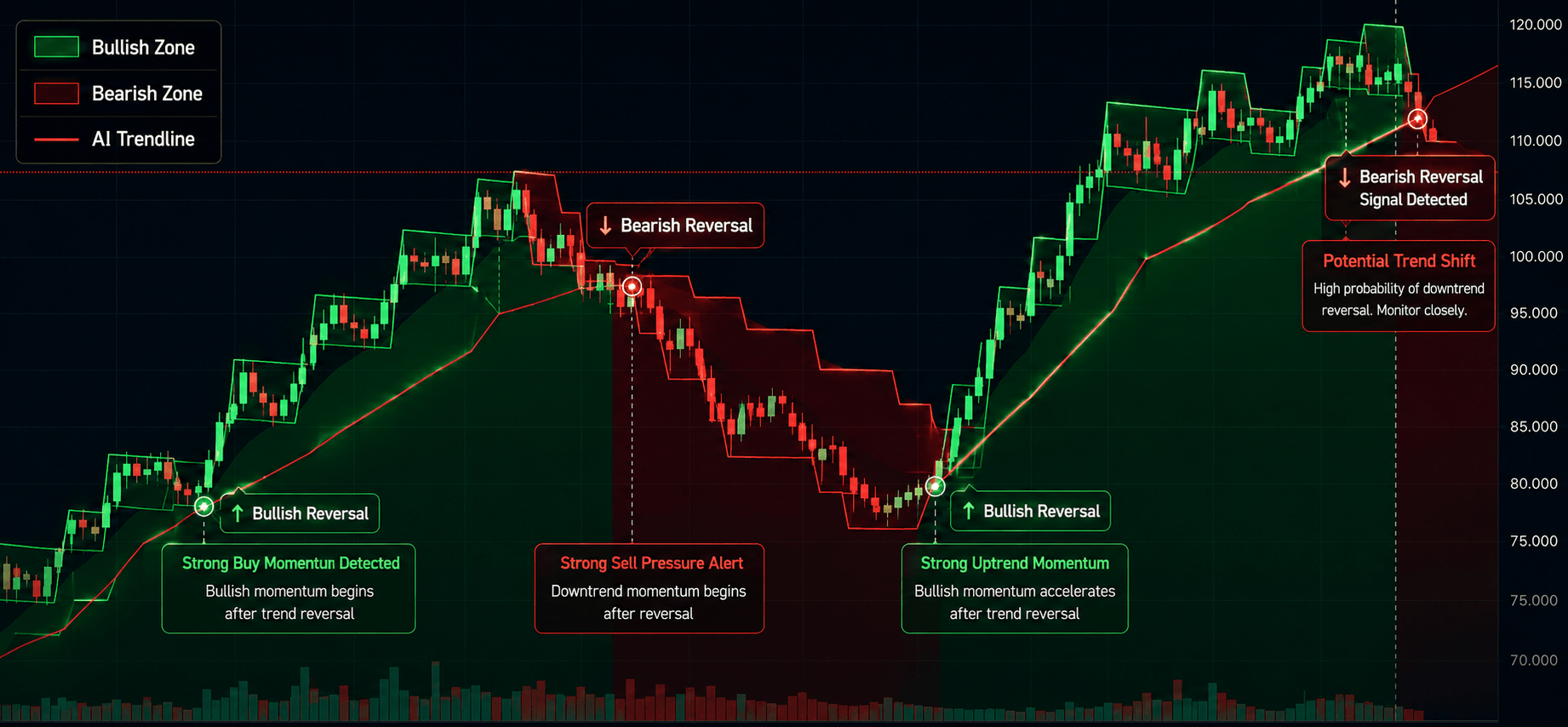
Winning Pattern Detection
Instantly surfaces the high-probability setups that repeat across the charts — a trusted edge for timing your entries and exits.
- Spot momentum building in real time
- Catch trend-reversal points before they break
- Built for active traders who need results, not theory
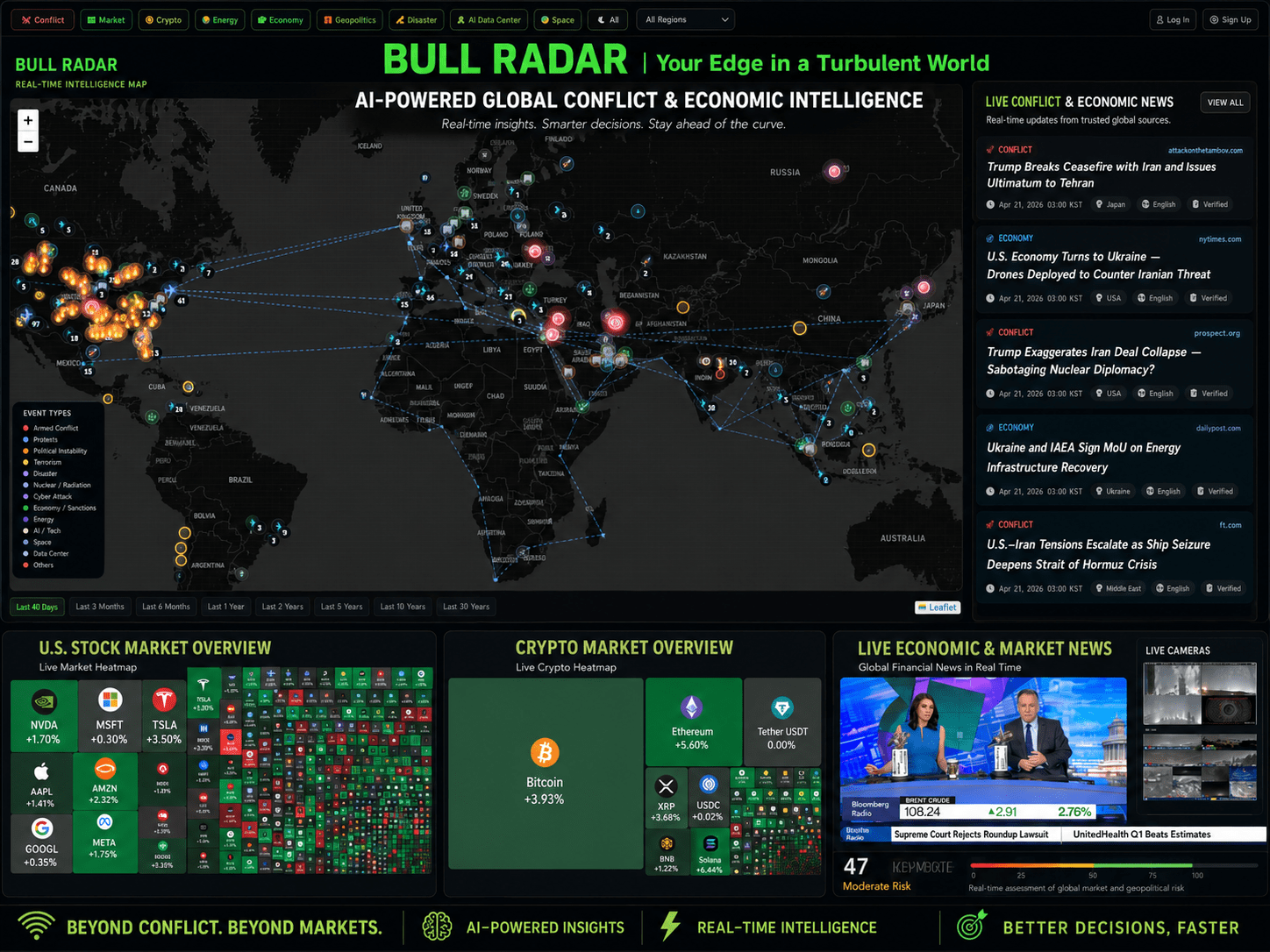
AI Live Economic Dashboard
AI analyzes real-time market data — turning complex, global investment flows into clear insight in seconds.
- Track global stock markets in real time
- See exactly which assets are strong — and which are fading
- Watch how geopolitical events move the markets
About the Author