What Is Contango vs. Backwardation?
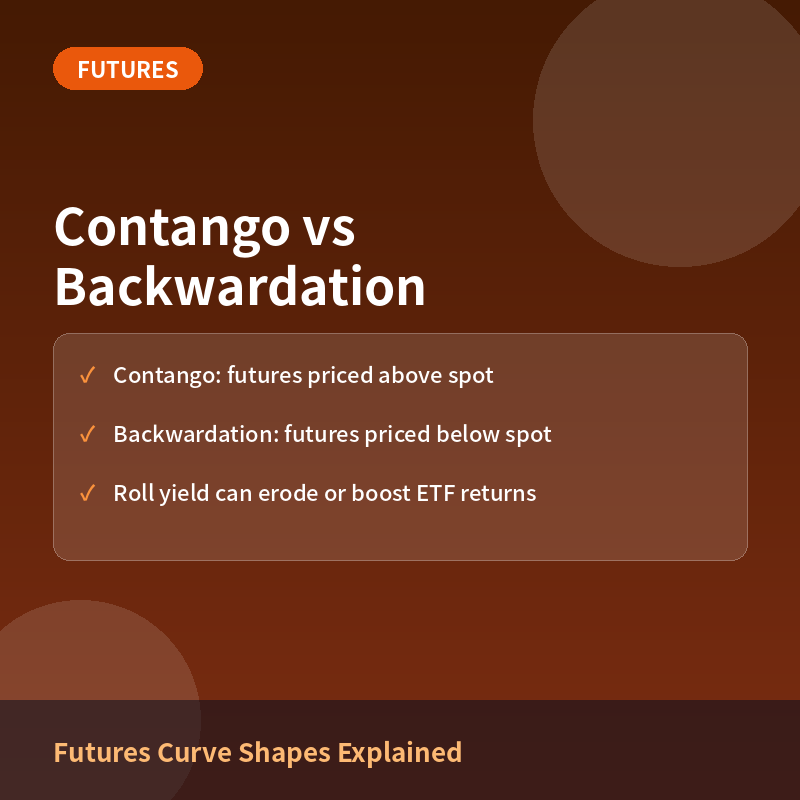
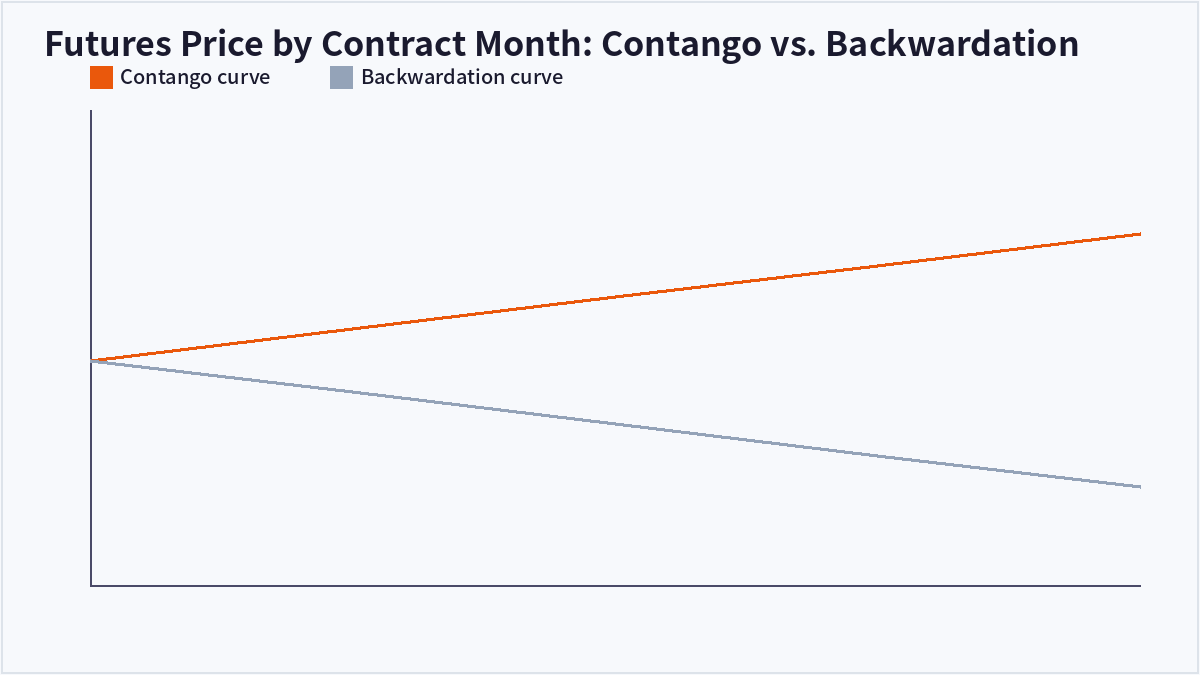
Contango and backwardation describe the shape of a futures curve — the relationship between futures prices for the same underlying asset across different expiration months. In contango, futures prices rise the further out the expiration date, typically reflecting the cost of storage, insurance, and financing embedded in holding a physical commodity. In backwardation, futures prices fall the further out the expiration, often signaling near-term scarcity or strong immediate demand for the asset.
Why the Curve Shape Drives Roll Yield
Most commodity and volatility ETFs don’t hold physical assets — they hold futures contracts that must be ‘rolled’ forward before expiration. In a contango market, as shown in the chart, the fund must sell the cheaper expiring contract and buy the more expensive next-month contract, generating a negative roll yield that erodes returns over time even if the spot price stays flat. In backwardation, the opposite happens: the fund sells high and buys low as it rolls, generating a positive roll yield.
Why This Matters for Investors
Long-term holders of oil futures ETFs, VIX futures ETFs, and similar products have historically seen returns diverge significantly from the underlying spot price precisely because of persistent contango. Understanding the current curve shape is essential before holding these products for anything beyond a short-term trade.
| Curve Shape | Futures vs. Spot Price | Roll Yield Effect |
|---|---|---|
| Contango | Futures priced above spot | Negative (drag on returns) |
| Backwardation | Futures priced below spot | Positive (boost to returns) |
| Typical driver | Storage costs, ample supply | Near-term scarcity, high demand |
Frequently Asked Questions
Is contango always bad for investors?
It’s bad specifically for investors holding rolled futures positions long-term, since they systematically buy expensive and sell cheap contracts; it isn’t inherently ‘bad’ for the market overall, as it simply reflects storage and financing costs.
What commodities are most often in backwardation?
Commodities prone to supply disruptions or seasonal scarcity, such as crude oil during supply shocks or certain agricultural products right before harvest, can shift into backwardation.
Does contango affect stock index futures too?
Yes, though the mechanism differs — stock index futures typically trade in contango reflecting the cost of carry (interest rates minus dividend yield), and this is generally a smaller, more predictable effect than commodity contango.
How can investors avoid the negative effects of contango?
Some investors favor ETFs that hold physical commodities where possible, use optimized futures-rolling strategies across multiple contract months, or simply limit their holding period to avoid repeated costly rolls.
Key Takeaways
Contango and backwardation describe whether futures prices sit above or below the spot price, and the shape of the curve directly determines whether rolling futures contracts forward helps or hurts returns. Persistent contango has historically been a major drag on long-term holders of commodity and volatility futures ETFs. This article is for informational purposes only and does not constitute investment advice.

QuantPro: AI Finds the Trade Before You Do
From AI-powered chart analysis to real-time market intelligence — everything a serious investor needs, in one platform.
- Automated AI chart analysis with precision trend timing
- Bull Radar: real-time visualization of geopolitical & economic shifts
- Live market-moving news and insights, curated for you
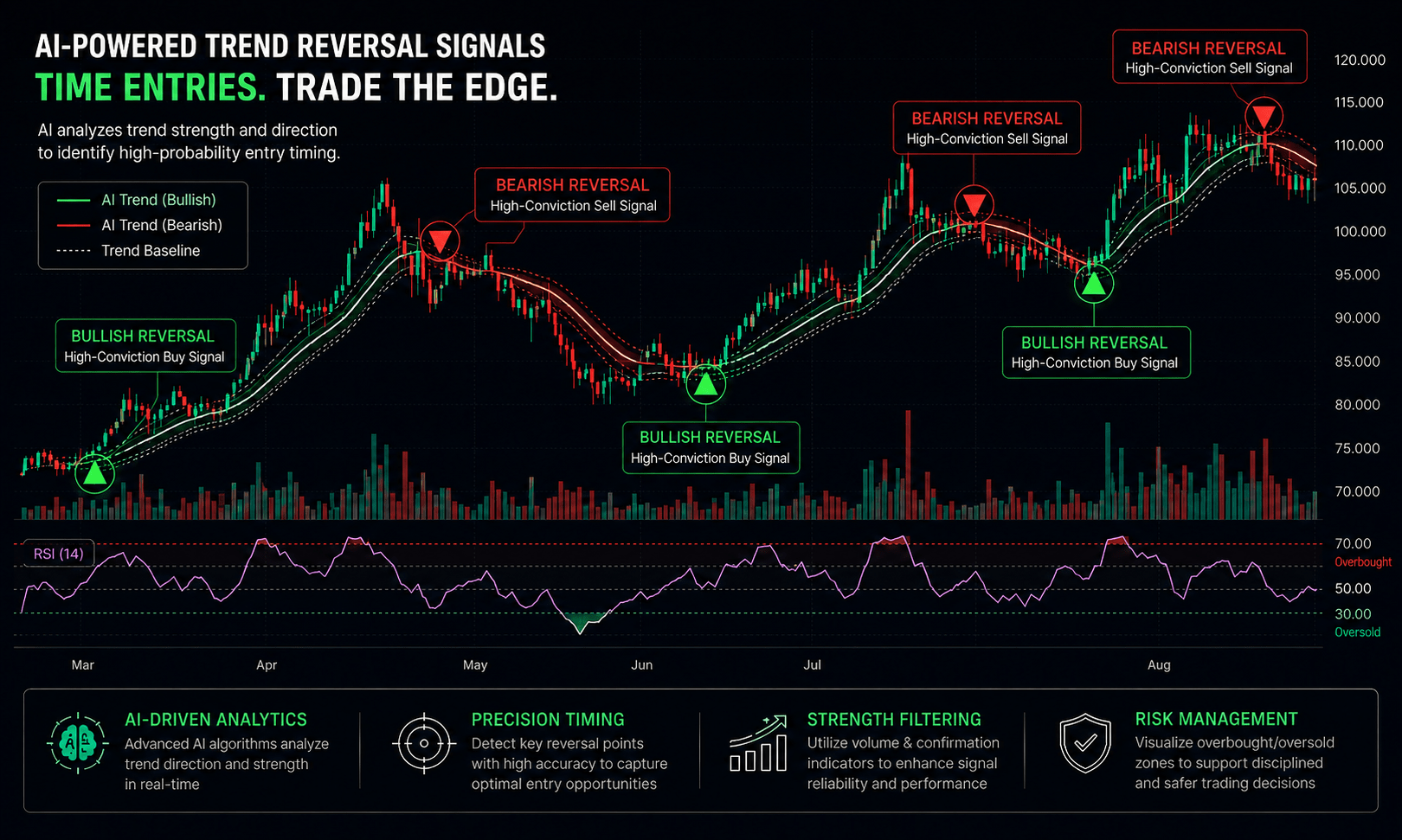
Bull Wave / Bear Wave Forecast Model
Engineered to help you read market direction and momentum faster than the crowd.
- Instantly separate bullish momentum from bearish pressure
- Pinpoint high-probability entry zones with confidence
- Chart signals clear enough for beginners, sharp enough for pros
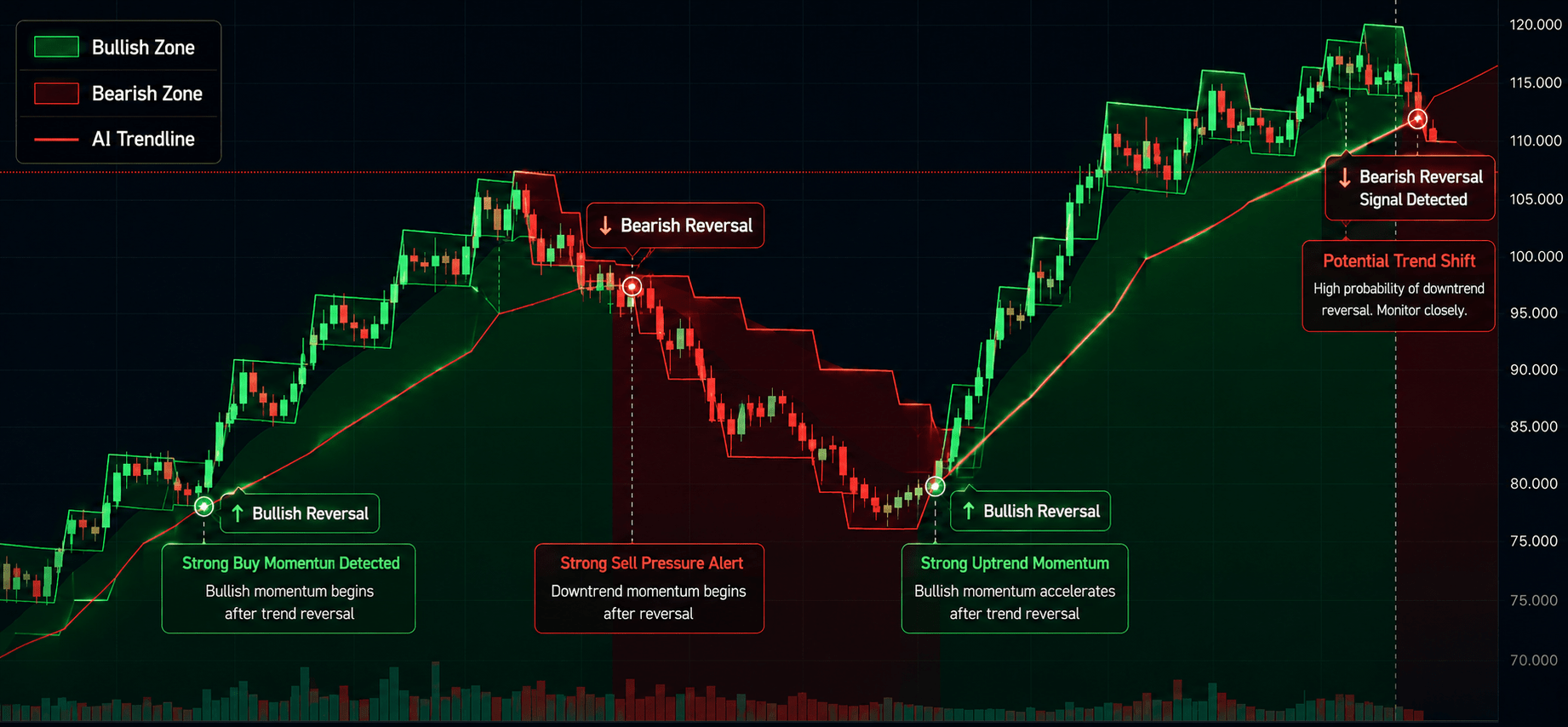
Winning Pattern Detection
Instantly surfaces the high-probability setups that repeat across the charts — a trusted edge for timing your entries and exits.
- Spot momentum building in real time
- Catch trend-reversal points before they break
- Built for active traders who need results, not theory
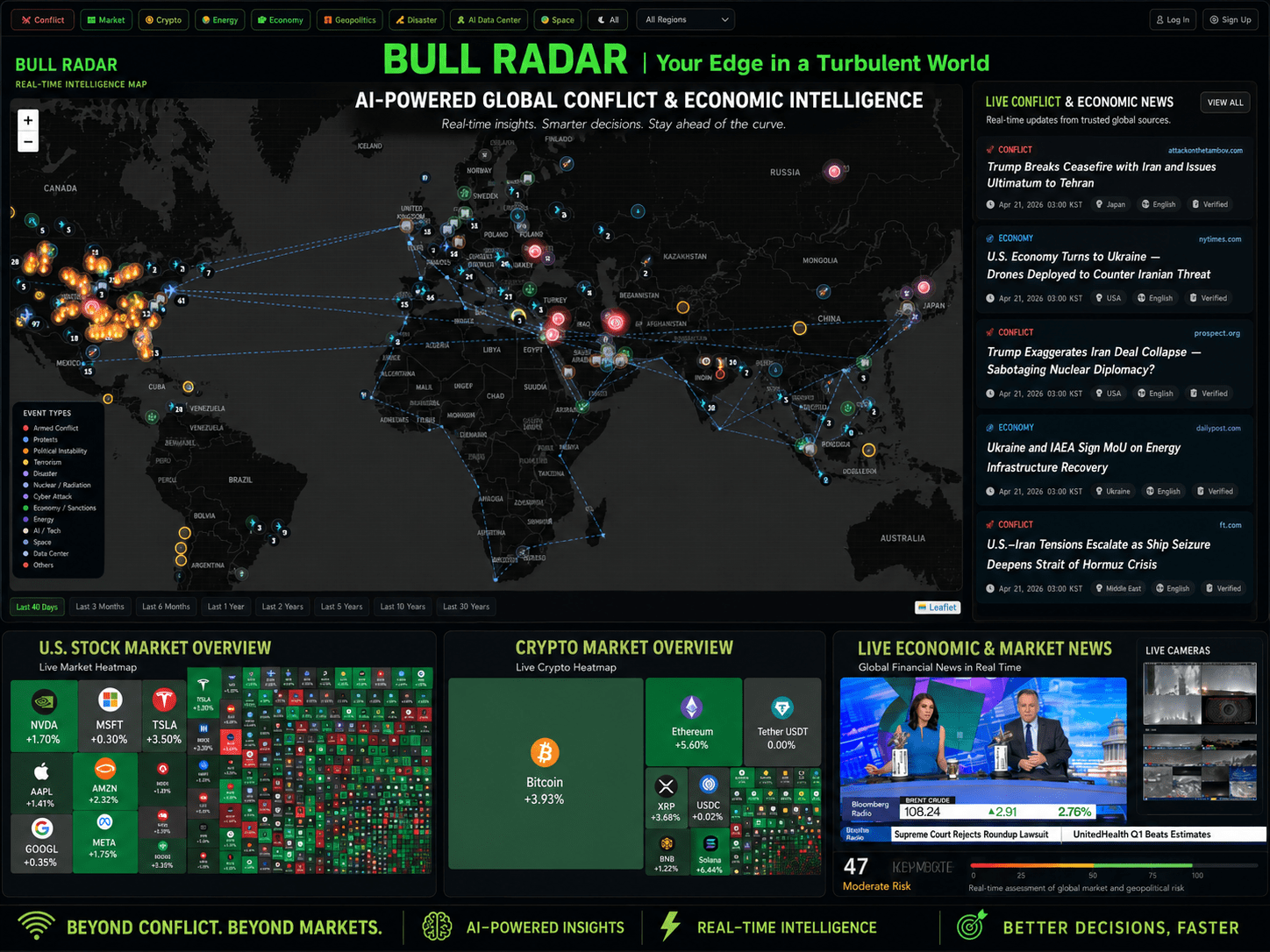
AI Live Economic Dashboard
AI analyzes real-time market data — turning complex, global investment flows into clear insight in seconds.
- Track global stock markets in real time
- See exactly which assets are strong — and which are fading
- Watch how geopolitical events move the markets
About the Author