What Dividend Yield Measures
Dividend yield expresses a stock’s annual dividend payment as a percentage of its current share price, calculated as Dividend Yield = Annual Dividend Per Share ÷ Share Price × 100. It’s a quick way to compare the income return offered by different dividend-paying stocks, but the yield alone doesn’t tell the whole story of whether that dividend is sustainable.
Why a High Yield Can Be Misleading
Because dividend yield is calculated using the current share price, a stock whose price has fallen sharply due to deteriorating business fundamentals can show an unusually high yield — even if a dividend cut is imminent. This scenario, sometimes called a ‘dividend trap,’ catches income-focused investors who chase yield without examining why the price dropped in the first place.
Checking Sustainability With Payout Ratio
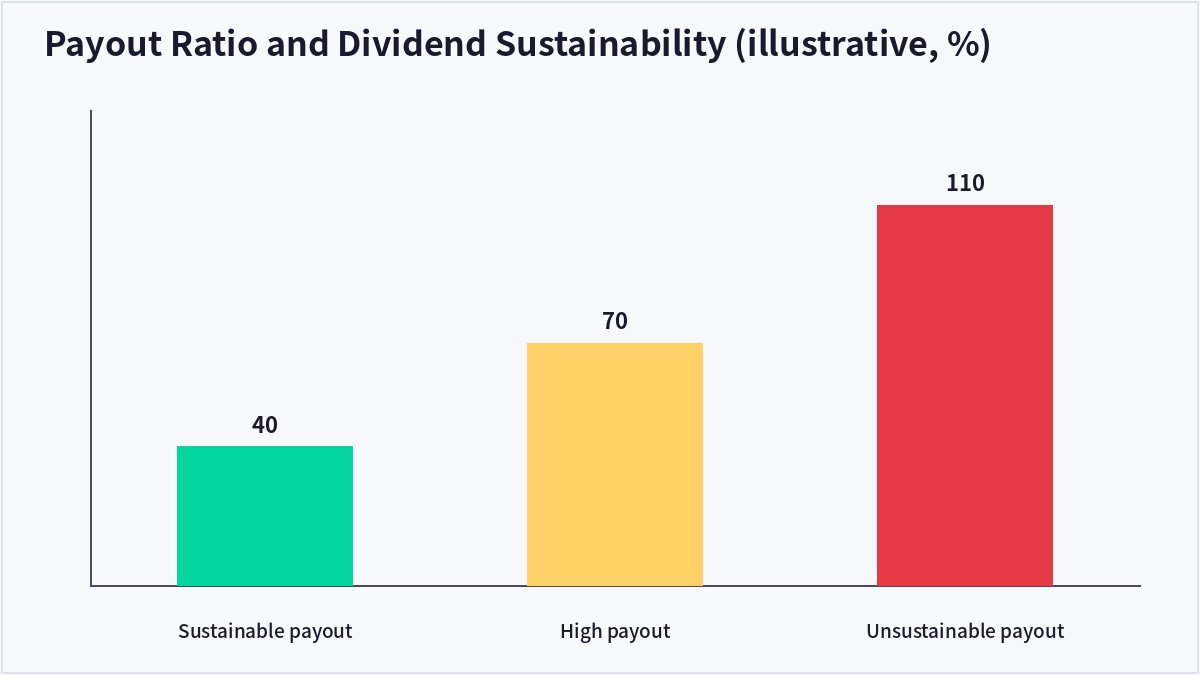
The payout ratio, calculated as total dividends paid divided by net income, shows what portion of earnings a company is distributing to shareholders. A payout ratio above 100% means a company is paying out more than it earned that year, which is often unsustainable over the long run. Combining dividend yield with payout ratio and a look at free cash flow gives a much more reliable picture of whether a dividend is likely to hold up.
| Metric | Formula | What to Watch For |
|---|---|---|
| Dividend Yield | Annual Dividend ÷ Share Price | Unusually high yield may signal price decline |
| Payout Ratio | Total Dividends ÷ Net Income | Above 100% suggests unsustainable payout |
| Free Cash Flow | Operating Cash Flow − CapEx | Should comfortably cover dividend payments |
Frequently Asked Questions
Is a higher dividend yield always better?
Not necessarily — an unusually high yield can result from a falling share price driven by deteriorating fundamentals, which is why yield should always be checked alongside payout ratio and earnings stability before being viewed as a positive.
What is a dividend cut and why does it happen?
A dividend cut occurs when a company reduces its dividend payment, typically because earnings have declined enough that maintaining the previous payout level is no longer sustainable given the company’s cash flow and financial position.
What’s the difference between a dividend yield stock and a dividend growth stock?
A high-yield stock offers a larger current income return, while a dividend growth stock may offer a lower current yield but has a track record of steadily increasing its dividend over time, appealing to investors prioritizing long-term compounding income.
Should I only invest in high-dividend stocks for income?
Relying solely on current yield can be risky; many income-focused investors instead look for companies with a moderate, well-covered yield and a consistent history of maintaining or growing dividends through different economic cycles.
Key Takeaways
Dividend yield shows a stock’s current income return relative to its price, but an unusually high yield can be a warning sign rather than a bargain, so checking the payout ratio and cash flow coverage is essential before relying on the dividend. This article is for informational purposes only and does not constitute investment advice.

QuantPro: AI Finds the Trade Before You Do
From AI-powered chart analysis to real-time market intelligence — everything a serious investor needs, in one platform.
- Automated AI chart analysis with precision trend timing
- Bull Radar: real-time visualization of geopolitical & economic shifts
- Live market-moving news and insights, curated for you
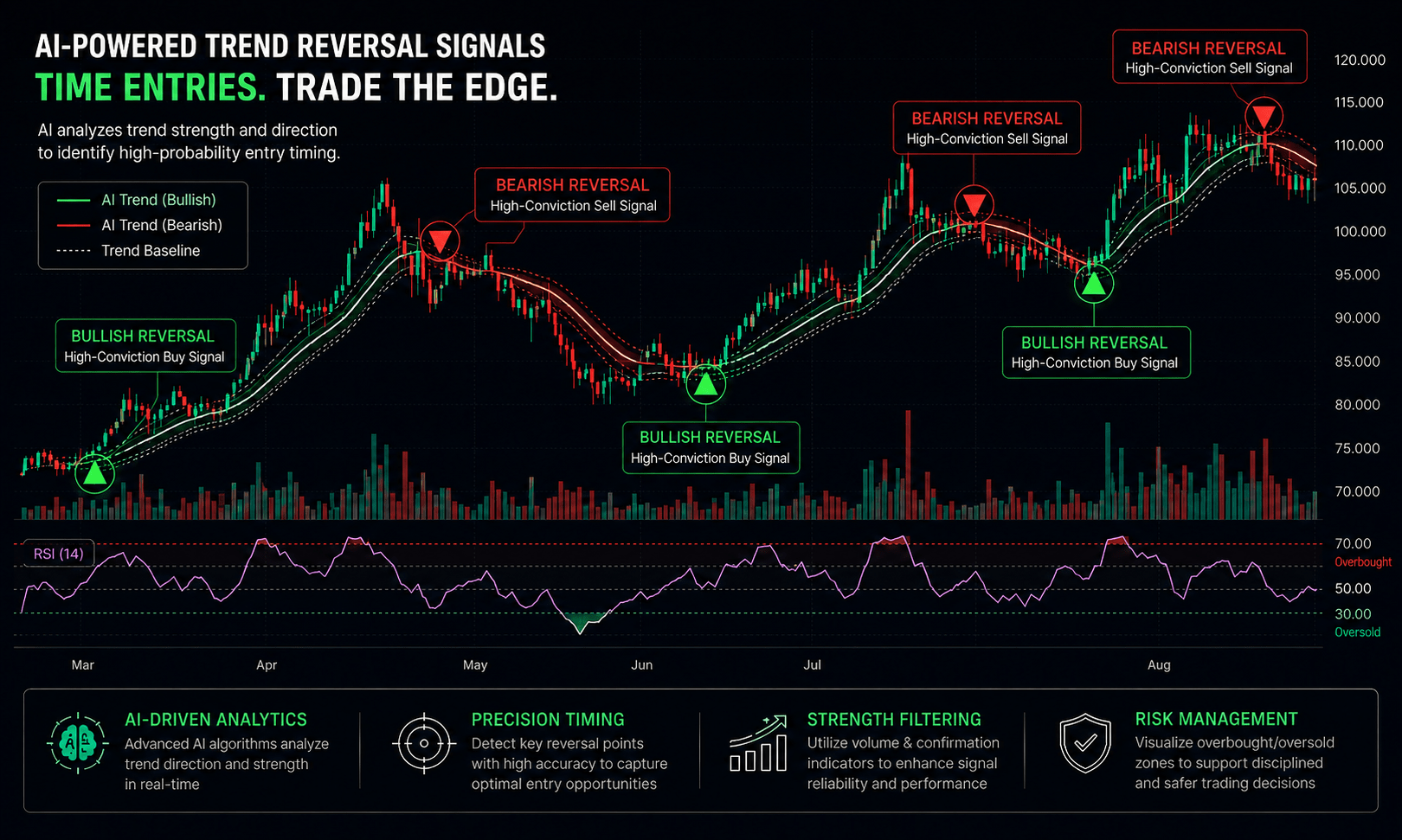
Bull Wave / Bear Wave Forecast Model
Engineered to help you read market direction and momentum faster than the crowd.
- Instantly separate bullish momentum from bearish pressure
- Pinpoint high-probability entry zones with confidence
- Chart signals clear enough for beginners, sharp enough for pros
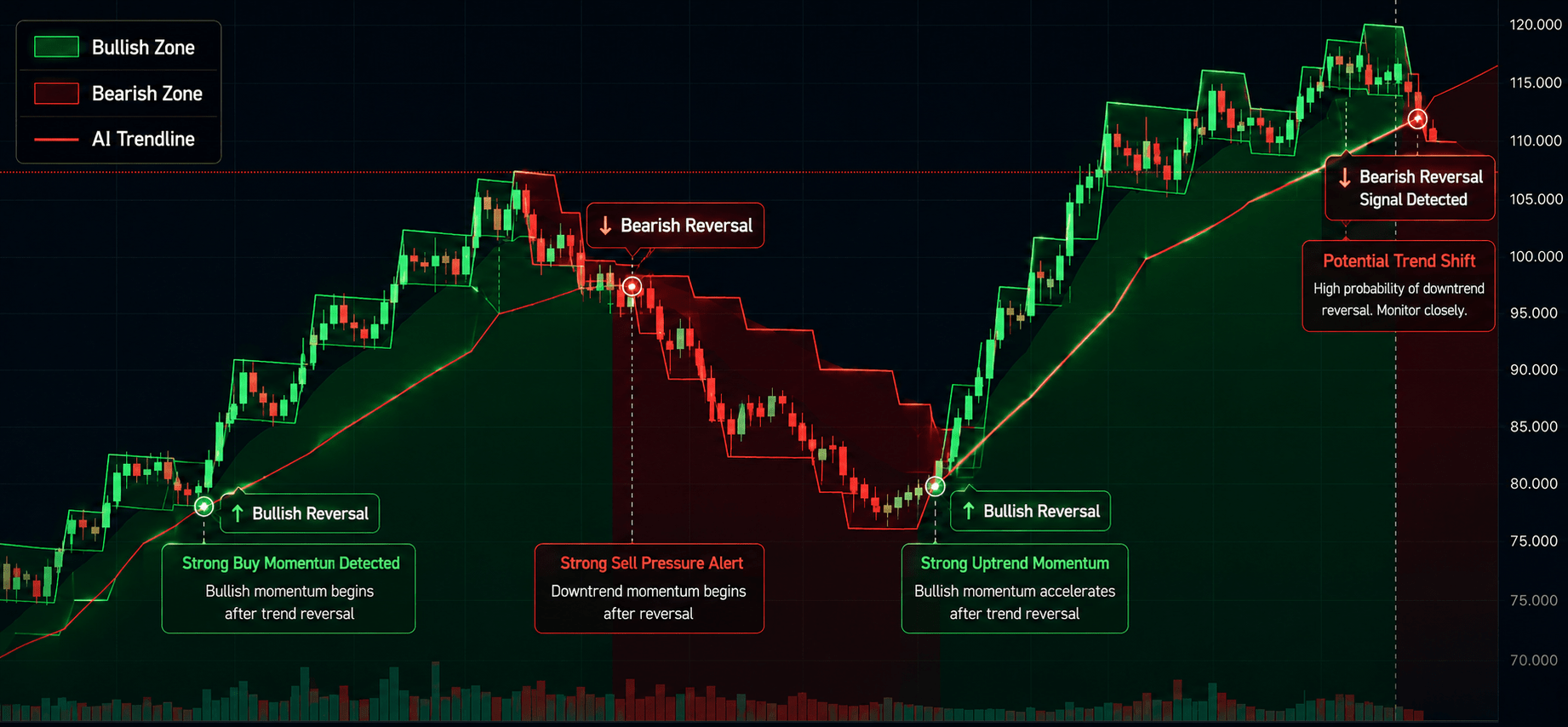
Winning Pattern Detection
Instantly surfaces the high-probability setups that repeat across the charts — a trusted edge for timing your entries and exits.
- Spot momentum building in real time
- Catch trend-reversal points before they break
- Built for active traders who need results, not theory

AI Live Economic Dashboard
AI analyzes real-time market data — turning complex, global investment flows into clear insight in seconds.
- Track global stock markets in real time
- See exactly which assets are strong — and which are fading
- Watch how geopolitical events move the markets
About the Author