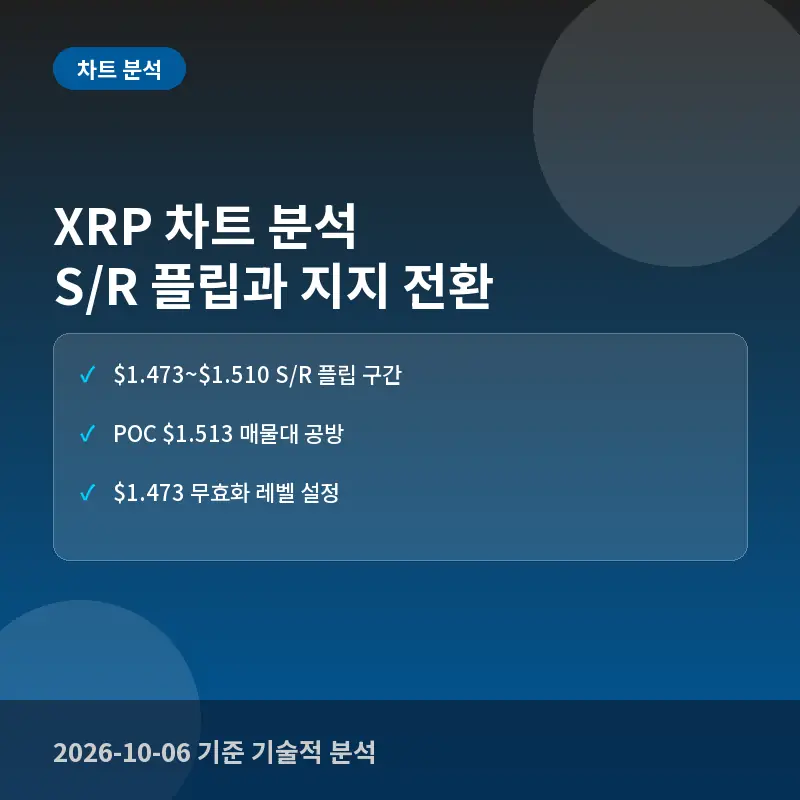
Liquidation price is the specific price level at which an exchange automatically closes a trader's leveraged position to prevent further losses when collateral falls below a required maintenance level. It is determined by the entry price, leverage multiplier, and the maintenance margin requirement set by the platform.
What Is Liquidation Price in Crypto Trading?
Liquidation price represents the threshold at which a trader’s collateral is insufficient to maintain an open leveraged position. When market prices move against the trader’s direction, the exchange triggers a forced closure to ensure the borrowed funds are recovered. – It serves as a safety mechanism for the exchange. – It marks the point of total loss for the individual’s margin. – Once reached, the remaining collateral is typically consumed by transaction fees and potential deficit coverage.
How Is Liquidation Price Calculated?
The calculation of the liquidation price depends on the initial margin, leverage, and the maintenance margin requirement unique to each exchange. Higher leverage significantly compresses the distance between your entry price and your liquidation price. You can check your specific position’s risk metrics directly on Bull Radar to understand your proximity to this critical level. The core components include: – Initial Margin: The capital deposited to open the trade. – Leverage: The multiplier applied to the position size. – Maintenance Margin: The minimum equity required to keep the position open.

QuantPro: AI Finds the Trade Before You Do
From AI-powered chart analysis to real-time market intelligence — everything a serious investor needs, in one platform.
- Automated AI chart analysis with precision trend timing
- Bull Radar: real-time visualization of geopolitical & economic shifts
- Live market-moving news and insights, curated for you
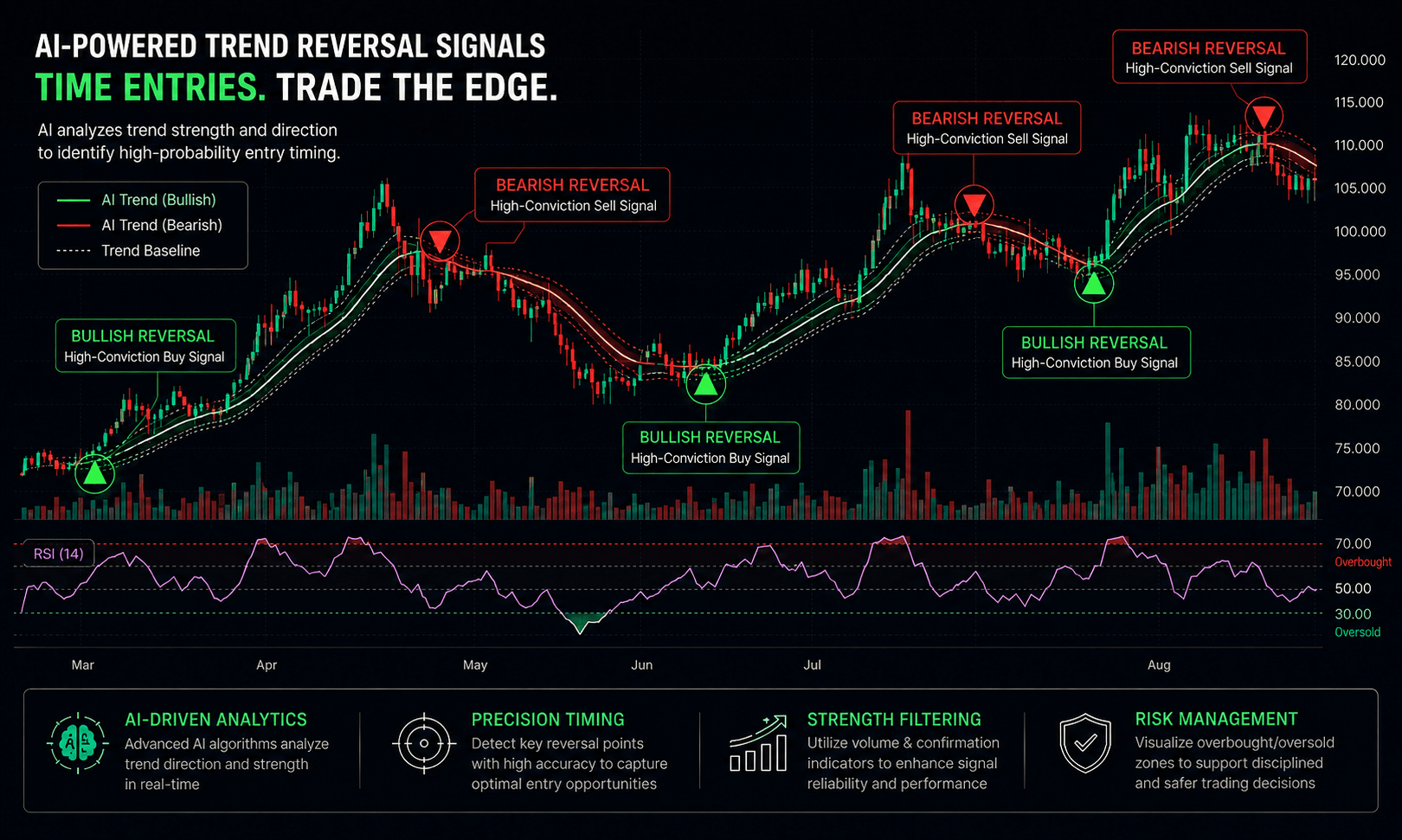
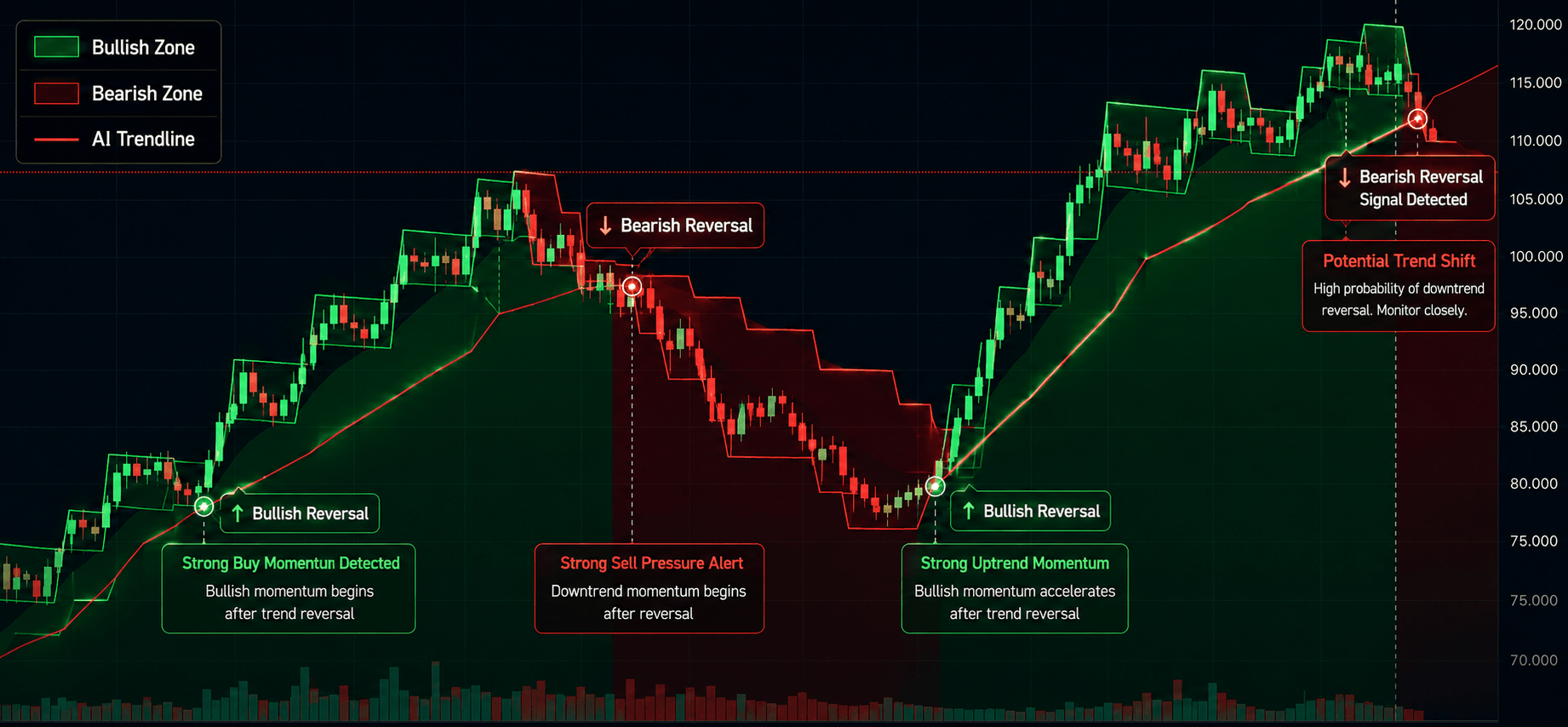
Bull Wave / Bear Wave Forecast Model
Engineered to help you read market direction and momentum faster than the crowd.
- Instantly separate bullish momentum from bearish pressure
- Pinpoint high-probability entry zones with confidence
- Chart signals clear enough for beginners, sharp enough for pros
Winning Pattern Detection
Instantly surfaces the high-probability setups that repeat across the charts — a trusted edge for timing your entries and exits.
- Spot momentum building in real time
- Catch trend-reversal points before they break
- Built for active traders who need results, not theory
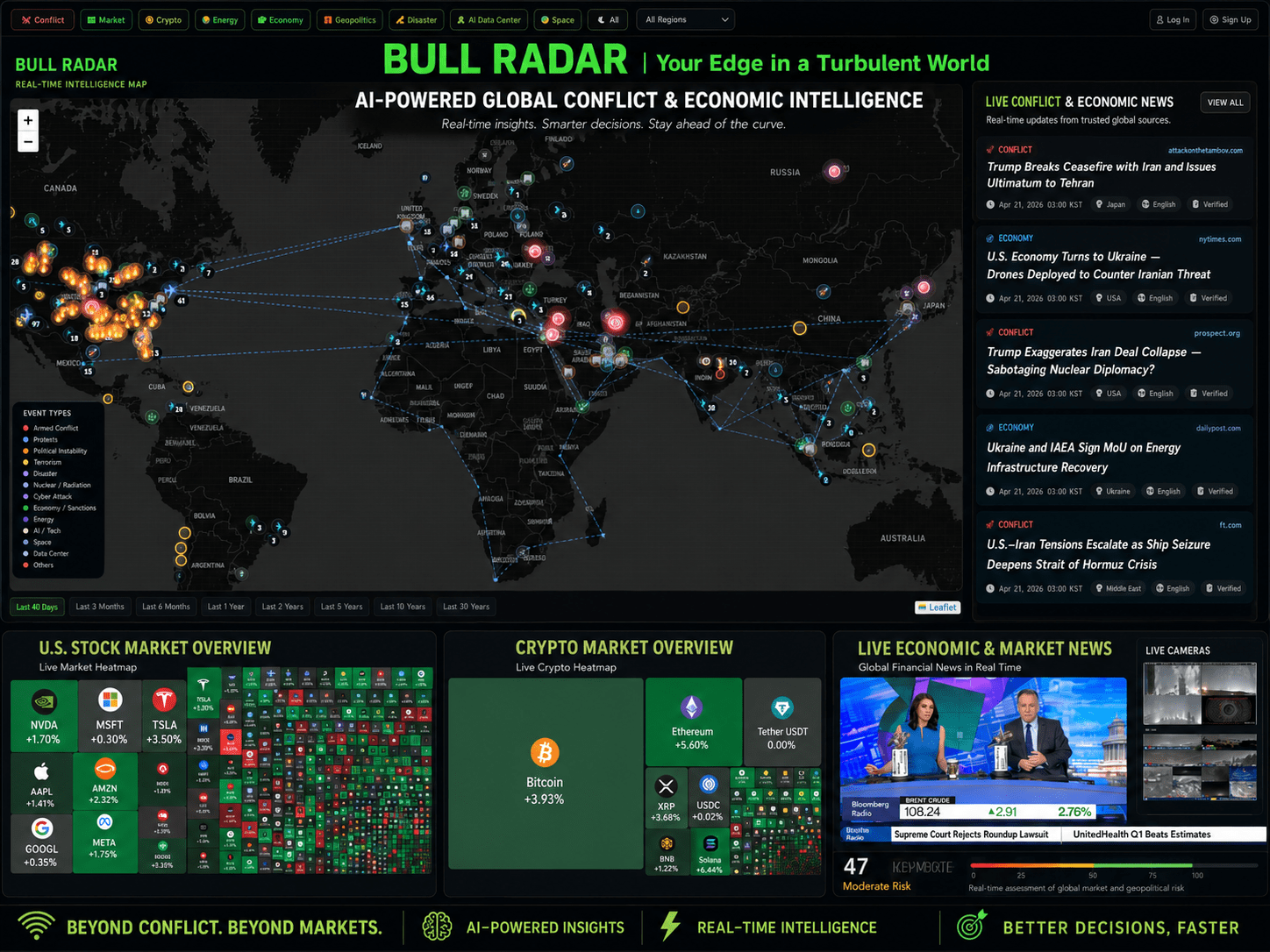
AI Live Economic Dashboard
AI analyzes real-time market data — turning complex, global investment flows into clear insight in seconds.
- Track global stock markets in real time
- See exactly which assets are strong — and which are fading
- Watch how geopolitical events move the markets
Worked Example: Calculating the Liquidation Threshold
Consider a scenario where a trader enters a long position with 1,000 USD at 5x leverage, making the total position size 5,000 USD. If the maintenance margin required is 2%, the position will be liquidated as the price drops to a level where equity hits the maintenance requirement. – Initial Position Size: 5,000 USD – Equity: 1,000 USD – Price Move: A 16% drop brings the position value down to 4,200 USD. – Result: With 5,000 USD debt, the 800 USD loss eats into the 1,000 USD margin, leaving only 200 USD. – At this point, the liquidation protocol activates to protect the lender.

Common Misconceptions and Risks
Many traders mistakenly believe that market volatility is the only factor influencing liquidation, ignoring the role of funding fees and platform-specific insurance funds. – Misconception 1: Market volatility triggers are uniform across all exchanges. – Misconception 2: You will always be able to exit at exactly the liquidation price. In reality, during periods of extreme slippage, the actual exit price might be worse than the calculated liquidation price, resulting in a negative balance. – Always account for ongoing funding fees that deduct from your margin over time.
| Feature | Low Leverage (2x) | High Leverage (20x) |
|---|---|---|
| Margin Impact | Slow reduction | Rapid reduction |
| Price Cushion | Wide gap | Narrow gap |
| Liquidation Risk | Moderate | Extreme |
| Capital Efficiency | Lower | Higher |
Frequently Asked Questions
Can I prevent liquidation if the price moves against me?
Yes, you can increase your margin by adding more collateral to the position, which effectively lowers your liquidation price and gives you more room for market fluctuations.
What happens if my position is liquidated during high volatility?
In extreme cases, slippage might lead to a deficit where your losses exceed your collateral. Some exchanges have an insurance fund to cover this, but you may still lose more than your initial deposit.
Does a higher leverage always mean faster liquidation?
Yes, higher leverage increases your position size relative to your equity, meaning even a small percentage move in the wrong direction will exhaust your maintenance margin much faster.
Is the liquidation price fixed?
No, it is dynamic. It changes if you add/remove margin, if funding fees are deducted from your balance, or if you close a portion of your position.
Key Takeaways
Liquidation price is a critical threshold in leveraged trading that dictates when a position is automatically closed to prevent insolvency. Traders should focus on maintaining adequate margin buffers and understanding how leverage impacts their overall risk exposure to avoid forced liquidations during market volatility. This article is for informational purposes only and does not constitute investment advice.
Last updated: 2026-09-17
About the Author