What Is a 401(k) Plan?
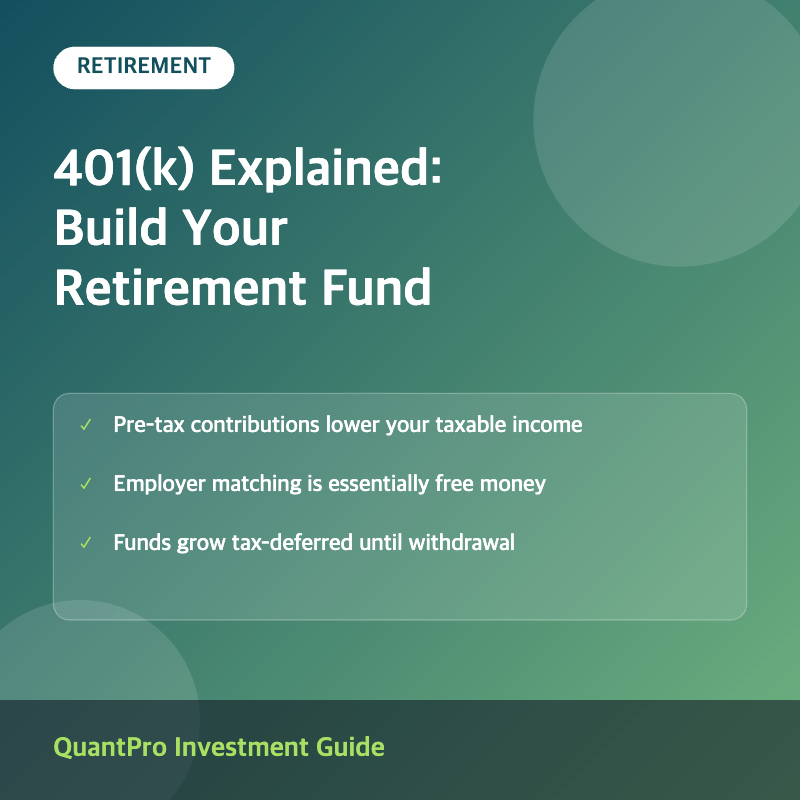
A 401(k) is an employer-sponsored retirement savings plan in the United States that allows employees to contribute a portion of their pre-tax salary into individual investment accounts. Contributions and investment gains grow tax-deferred until the funds are withdrawn in retirement.
The plan is named after Section 401(k) of the U.S. Internal Revenue Code. Employees choose how much to contribute, up to an annual IRS limit, and select investments from a menu of mutual funds, target-date funds, or other options offered by the employer’s plan administrator.
Traditional vs Roth 401(k)
A traditional 401(k) uses pre-tax contributions that reduce taxable income today, with withdrawals taxed as ordinary income in retirement. A Roth 401(k), where offered, uses after-tax contributions, so qualified withdrawals in retirement are entirely tax-free.
How Employer Matching Works
Many employers match a percentage of employee contributions, such as 50 cents per dollar up to 6% of salary. Failing to contribute enough to capture the full match effectively leaves free compensation unclaimed, which is why financial advisors commonly recommend contributing at least up to the match threshold.
Vesting Schedules
While employee contributions are always fully owned, employer matching contributions may be subject to a vesting schedule, meaning an employee must work for the company a certain number of years before fully owning the matched funds.
401(k) vs Roth IRA: Key Differences
| Feature | 401(k) | Roth IRA |
|---|---|---|
| Tax Treatment | Pre-tax (traditional) | After-tax, tax-free growth |
| 2025 Contribution Limit | $23,500 (+catch-up) | $7,000 (+catch-up) |
| Employer Match | Often available | Not applicable |
| Investment Choices | Limited to plan menu | Broad, self-directed |
| Early Withdrawal Penalty | 10% before age 59½ | 10% on earnings before 59½ |
Frequently Asked Questions
What happens to my 401(k) if I change jobs?
You can typically roll the balance into your new employer’s 401(k) plan or into an individual retirement account (IRA) without triggering taxes, leave it with the former employer if permitted, or cash it out, though cashing out before age 59½ usually triggers taxes and a 10% penalty.
Is there a penalty for withdrawing from a 401(k) early?
Yes. Withdrawals before age 59½ generally incur a 10% early withdrawal penalty plus ordinary income tax, although certain exceptions exist, such as specific hardship withdrawals or separation from service after age 55.
How much should I contribute to my 401(k)?
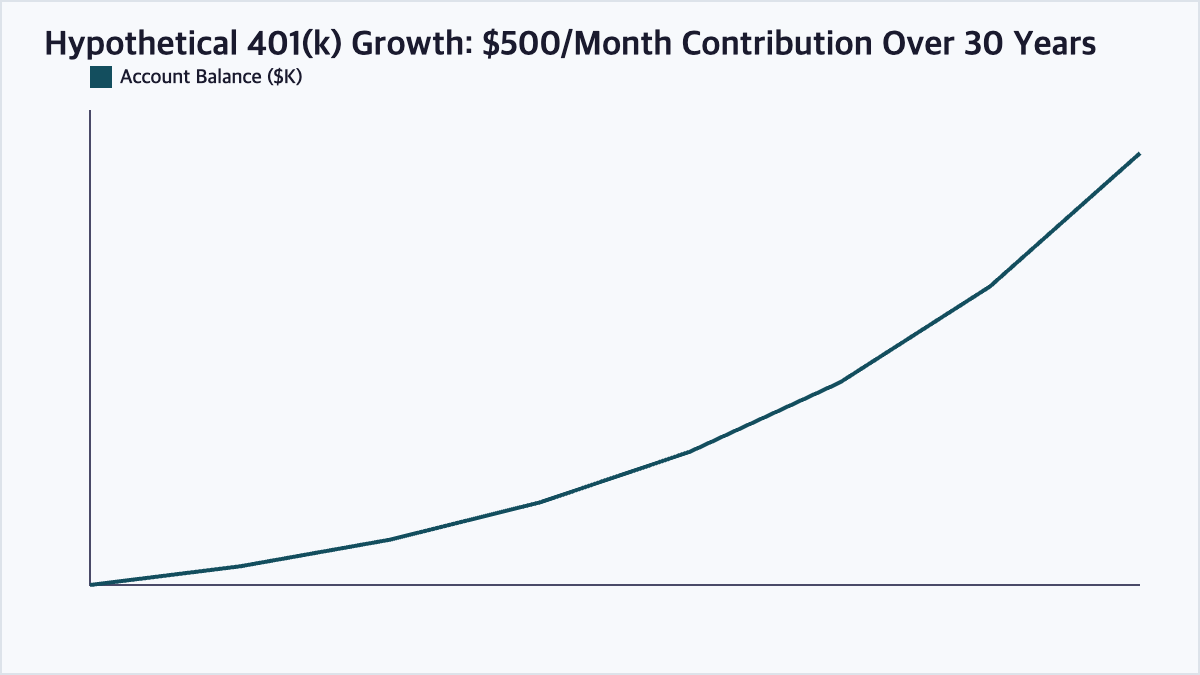
A common guideline is to contribute at least enough to receive the full employer match, then work toward the annual IRS contribution limit as income allows, since the tax-deferred compounding benefits grow substantially over long time horizons.
What are required minimum distributions (RMDs)?
Traditional 401(k) holders must generally begin taking required minimum distributions starting at age 73 under current U.S. law, forcing a minimum annual withdrawal amount calculated based on account balance and life expectancy.
Key Takeaways
A 401(k) is a powerful tax-advantaged tool for long-term retirement savings, especially when paired with employer matching and consistent contributions over time. Understanding contribution limits, vesting schedules, and withdrawal rules helps investors make the most of this benefit. This article is for informational purposes only and does not constitute investment advice.

QuantPro: AI Finds the Trade Before You Do
From AI-powered chart analysis to real-time market intelligence — everything a serious investor needs, in one platform.
- Automated AI chart analysis with precision trend timing
- Bull Radar: real-time visualization of geopolitical & economic shifts
- Live market-moving news and insights, curated for you
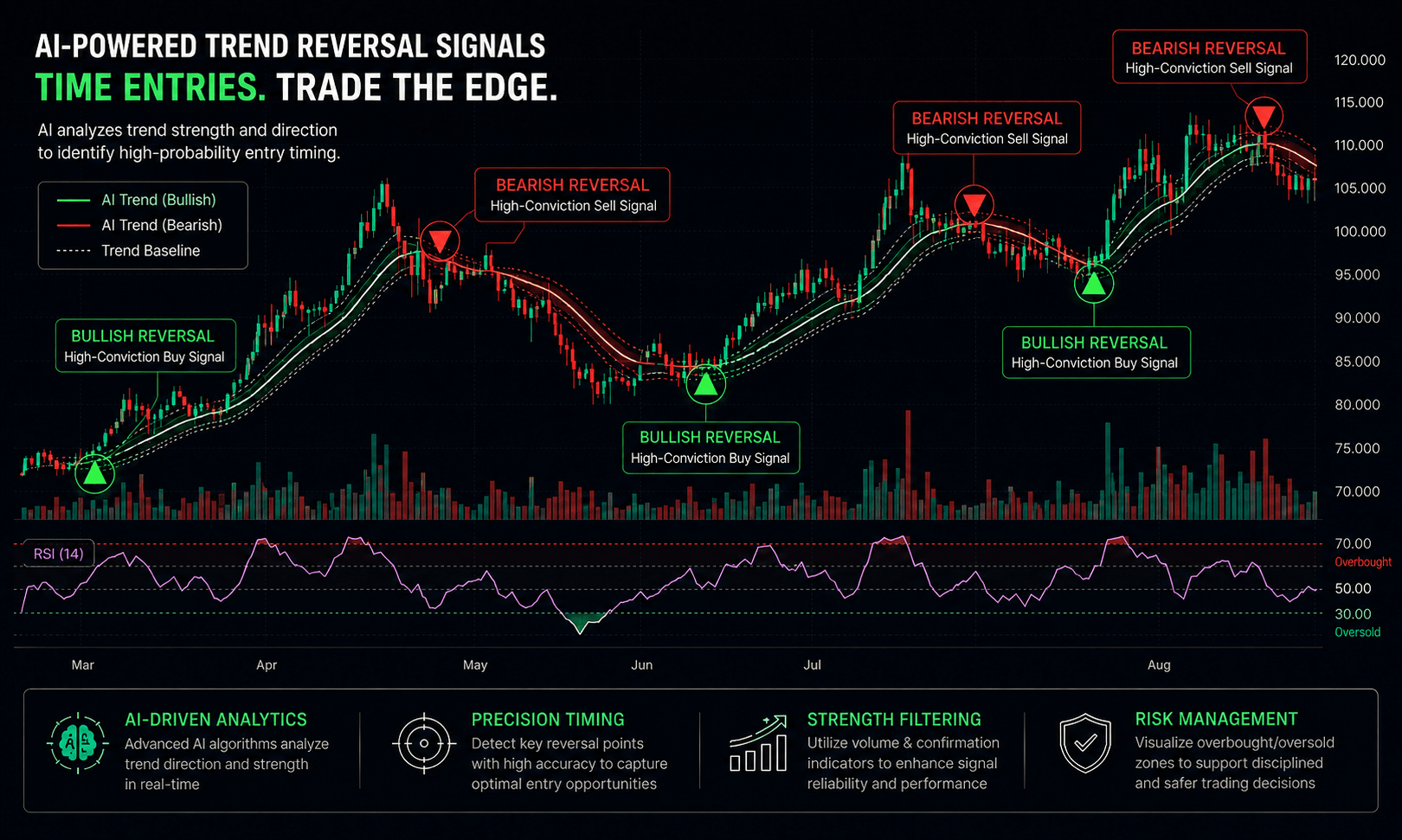
Bull Wave / Bear Wave Forecast Model
Engineered to help you read market direction and momentum faster than the crowd.
- Instantly separate bullish momentum from bearish pressure
- Pinpoint high-probability entry zones with confidence
- Chart signals clear enough for beginners, sharp enough for pros
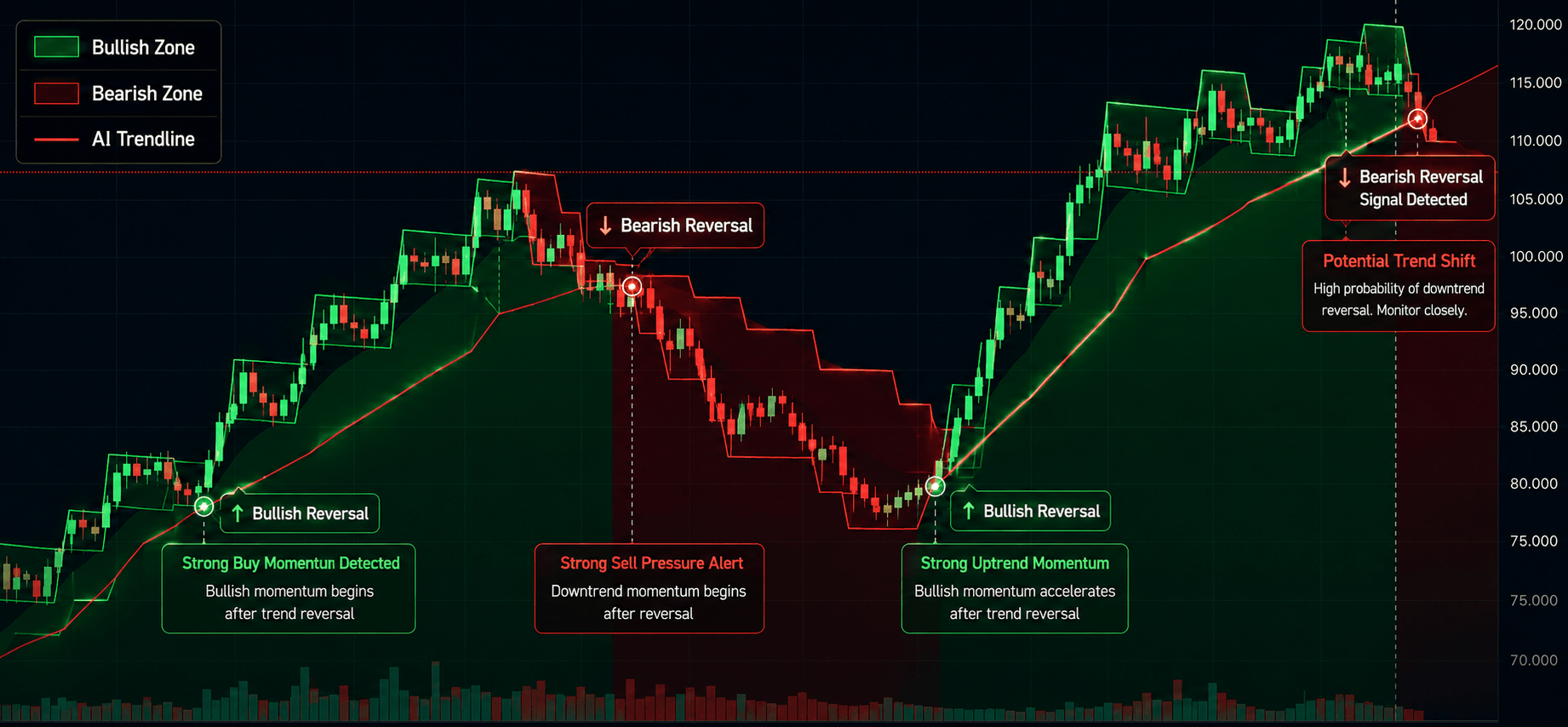
Winning Pattern Detection
Instantly surfaces the high-probability setups that repeat across the charts — a trusted edge for timing your entries and exits.
- Spot momentum building in real time
- Catch trend-reversal points before they break
- Built for active traders who need results, not theory
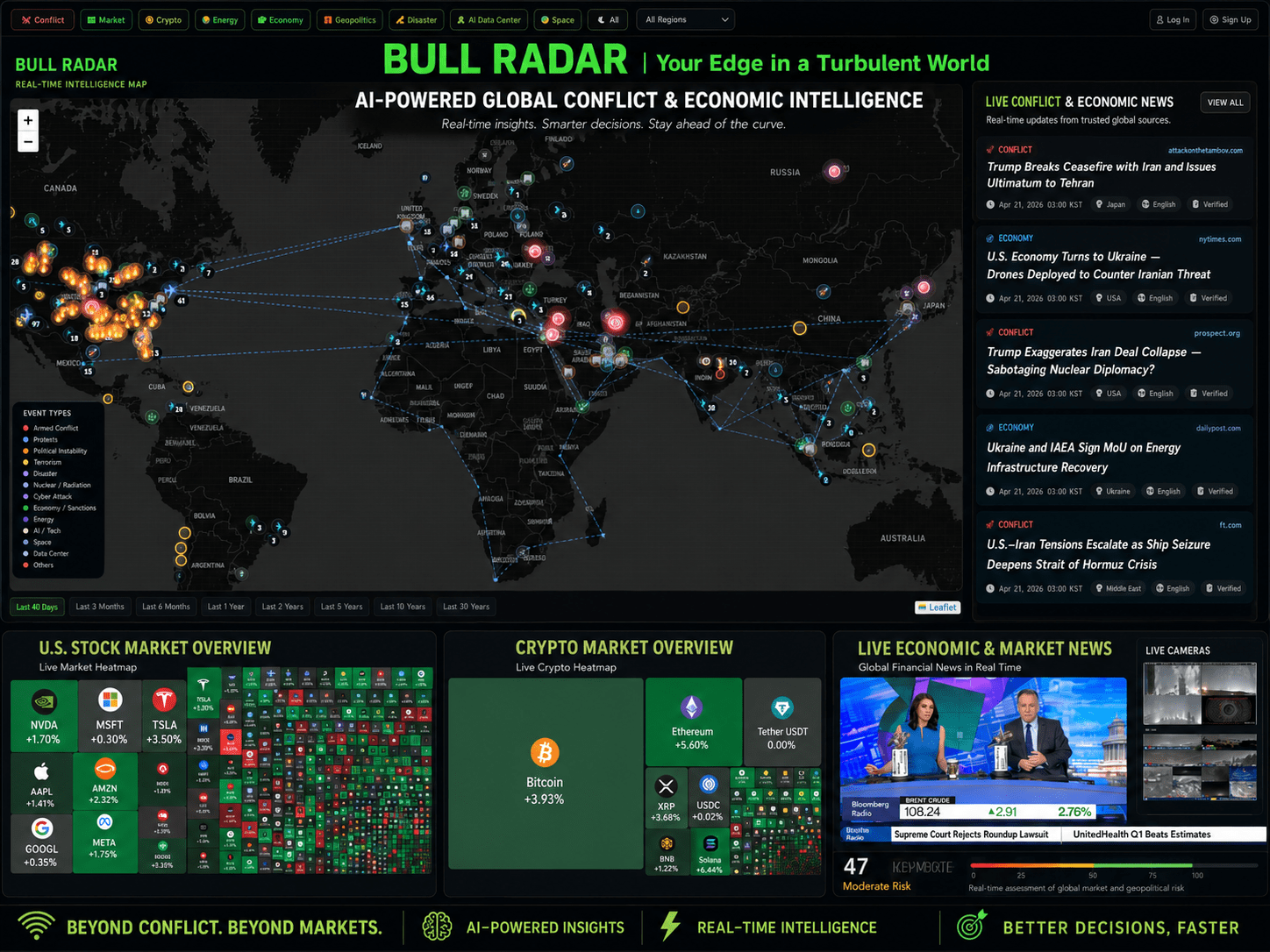
AI Live Economic Dashboard
AI analyzes real-time market data — turning complex, global investment flows into clear insight in seconds.
- Track global stock markets in real time
- See exactly which assets are strong — and which are fading
- Watch how geopolitical events move the markets
About the Author