What Is a Credit Score?
A credit score is a three-digit numerical representation of an individual’s creditworthiness, calculated based on the information in their credit reports, which track borrowing and repayment history over time. In the United States, scores most commonly range from 300 to 850, with higher scores indicating a lower perceived risk of default to potential lenders, landlords, and even some employers who may review credit reports as part of an application process.
The Key Factors That Determine Your Score
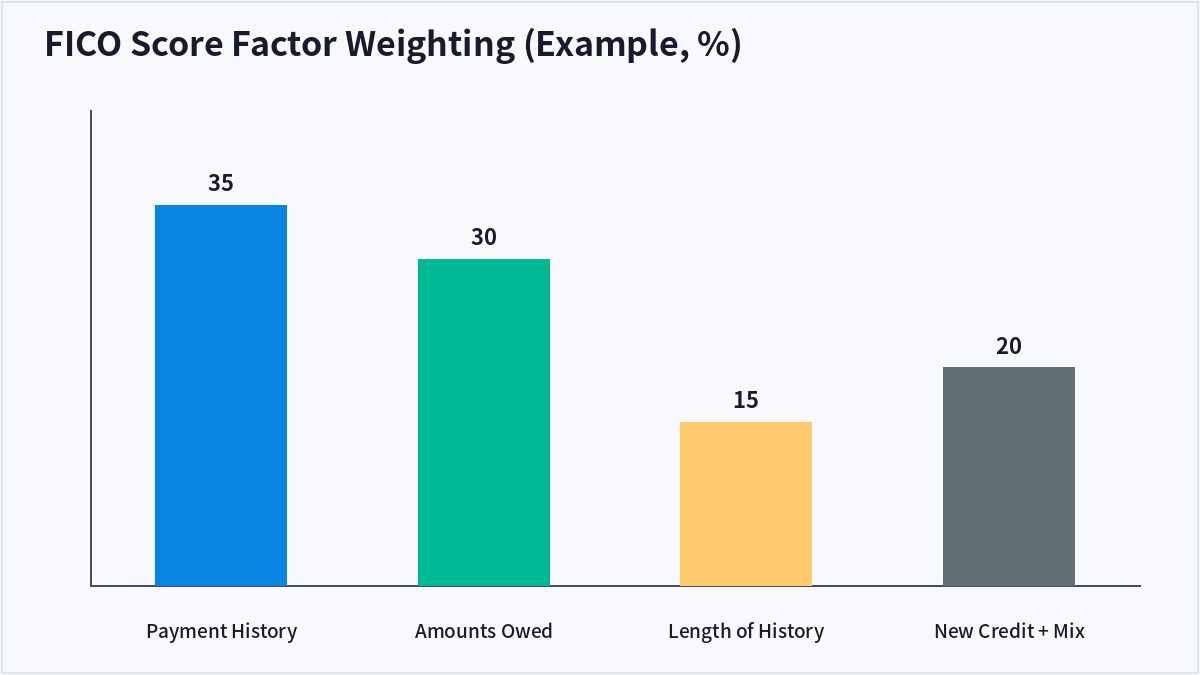
Using the widely referenced FICO scoring model as an example, payment history carries the largest weight at roughly 35%, reflecting whether bills have been paid on time. Amounts owed (credit utilization) follows at around 30%, while the length of credit history, new credit inquiries, and the mix of credit types each contribute smaller portions to the overall calculation.
Why Your Credit Score Matters Financially
Directly Affects Borrowing Costs
Lenders use credit scores to determine both loan approval and the interest rate offered — borrowers with higher scores typically qualify for significantly lower interest rates on mortgages, auto loans, and credit cards, which can translate into substantial savings over the life of a loan.
Influences More Than Just Loans
Beyond traditional lending, credit scores can influence apartment rental approvals, insurance premiums in some states, and even certain employment background checks, making it a financial metric with implications well beyond direct borrowing.
| Score Range (Example) | General Rating | Typical Impact |
|---|---|---|
| 800-850 | Exceptional | Best available rates and terms |
| 670-799 | Good to Very Good | Generally favorable approval and rates |
| Below 580 | Poor | Higher rates, potential approval difficulty |
Frequently Asked Questions
How often should I check my credit score?
Many financial experts suggest checking at least a few times a year, and many banks and credit card issuers now offer free credit score monitoring as a standard account feature, making regular checks easy and often at no cost.
Does checking my own credit score hurt it?
No — checking your own score is considered a ‘soft inquiry’ and does not impact your credit score, unlike a ‘hard inquiry’ that occurs when a lender formally reviews your credit for a new loan or credit application.
How quickly can a credit score improve?
Improvement timelines vary widely depending on the specific issues affecting the score, but consistently making on-time payments and reducing credit utilization can begin showing positive effects within a few months, while more significant repairs (like recovering from a major delinquency) typically take longer.
Is there more than one type of credit score?
Yes, while FICO is the most widely used model, other scoring models like VantageScore also exist, and specific scores can vary somewhat depending on which credit bureau’s data and which scoring model is used.
Key Takeaways
A credit score measures creditworthiness based primarily on payment history and amounts owed, directly affecting loan approval and interest rates. Consistently paying bills on time and keeping credit utilization low are the most impactful ways to build and maintain a strong score. This article is for informational purposes only and does not constitute investment advice.

QuantPro: AI Finds the Trade Before You Do
From AI-powered chart analysis to real-time market intelligence — everything a serious investor needs, in one platform.
- Automated AI chart analysis with precision trend timing
- Bull Radar: real-time visualization of geopolitical & economic shifts
- Live market-moving news and insights, curated for you
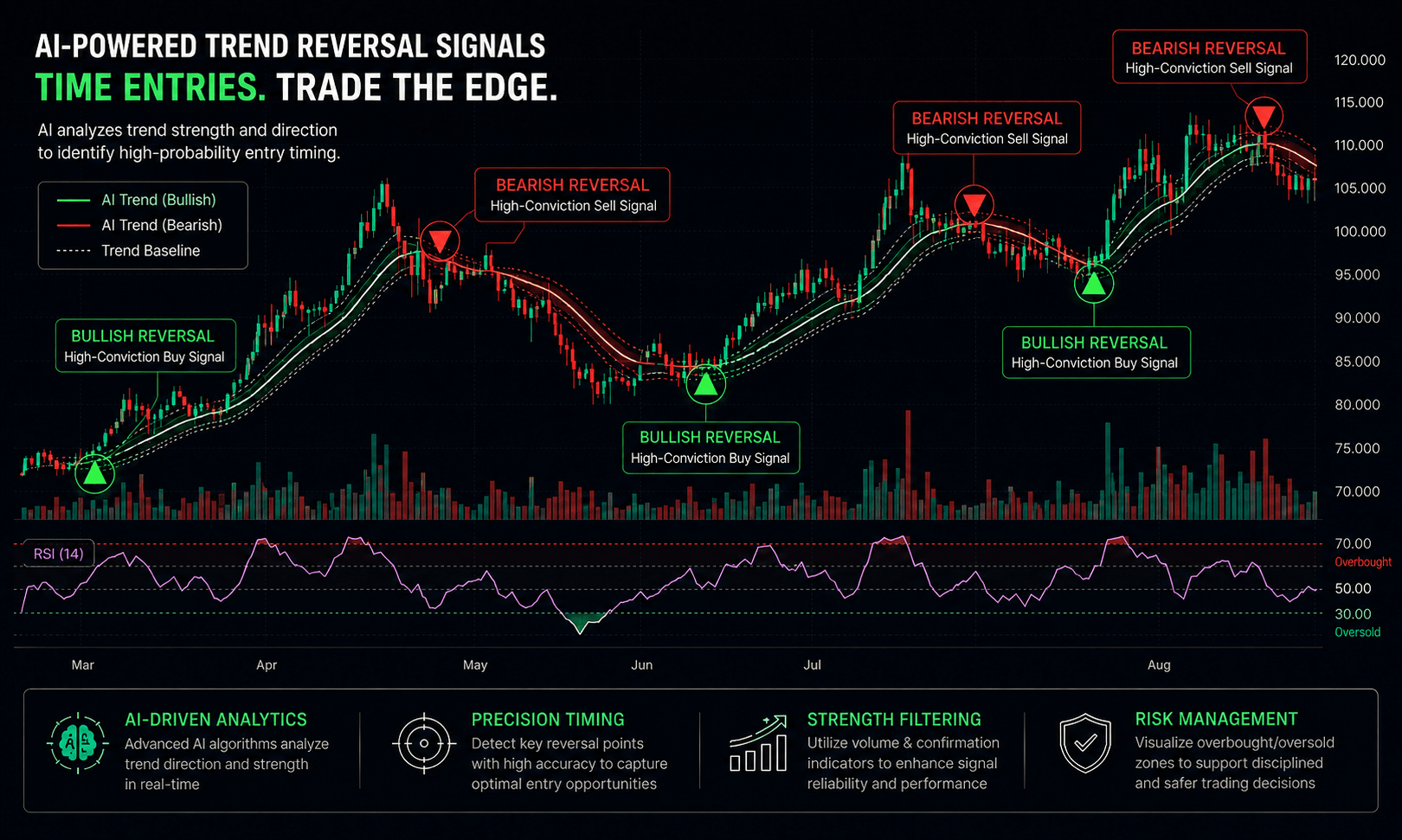
Bull Wave / Bear Wave Forecast Model
Engineered to help you read market direction and momentum faster than the crowd.
- Instantly separate bullish momentum from bearish pressure
- Pinpoint high-probability entry zones with confidence
- Chart signals clear enough for beginners, sharp enough for pros
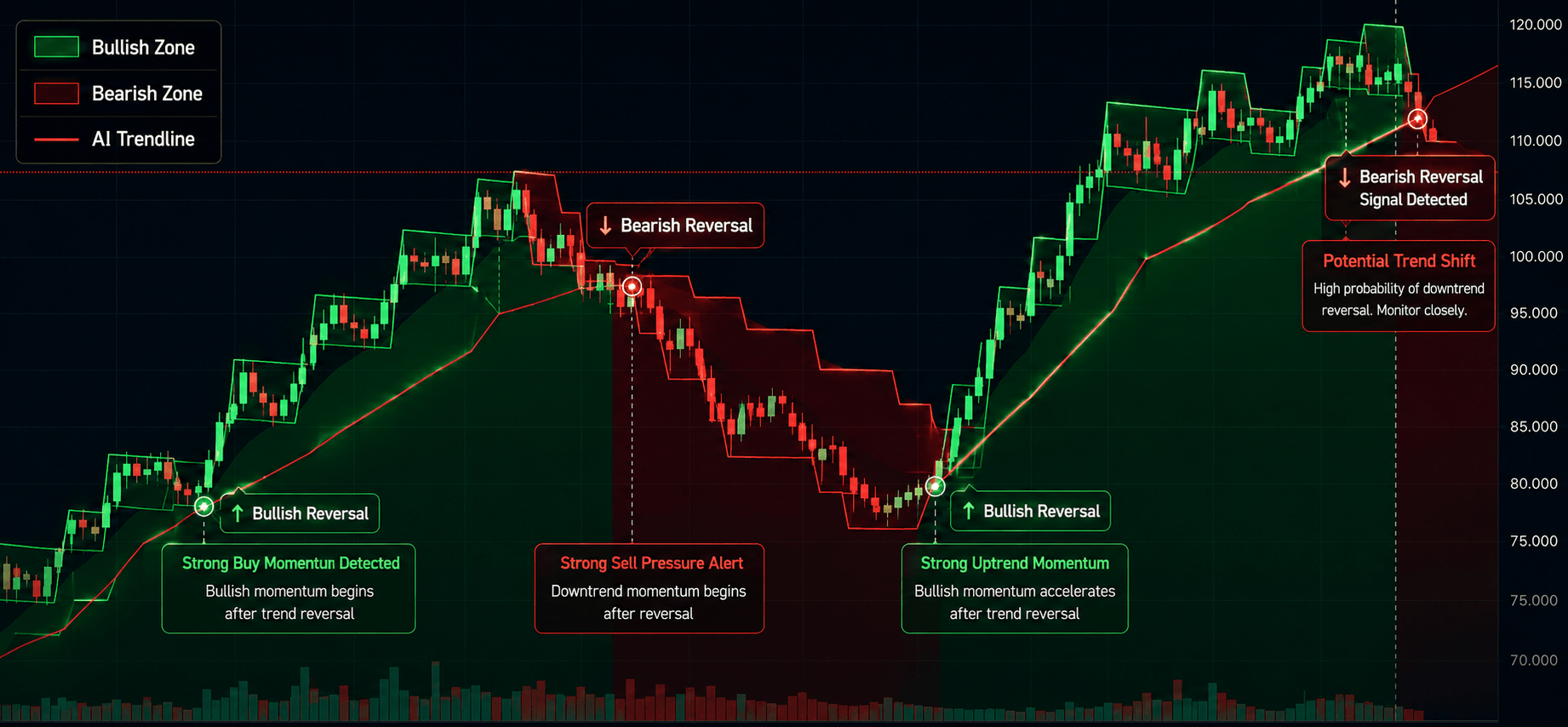
Winning Pattern Detection
Instantly surfaces the high-probability setups that repeat across the charts — a trusted edge for timing your entries and exits.
- Spot momentum building in real time
- Catch trend-reversal points before they break
- Built for active traders who need results, not theory

AI Live Economic Dashboard
AI analyzes real-time market data — turning complex, global investment flows into clear insight in seconds.
- Track global stock markets in real time
- See exactly which assets are strong — and which are fading
- Watch how geopolitical events move the markets
About the Author