What Is the Debt-to-Income Ratio?
The debt-to-income (DTI) ratio is a personal finance metric that compares an individual’s total monthly debt payments to their gross monthly income, expressed as a percentage. Lenders rely heavily on this ratio to assess a borrower’s ability to manage additional monthly payments and take on new debt responsibly, making it a critical factor in loan approval decisions, particularly for mortgages.
How to Calculate DTI
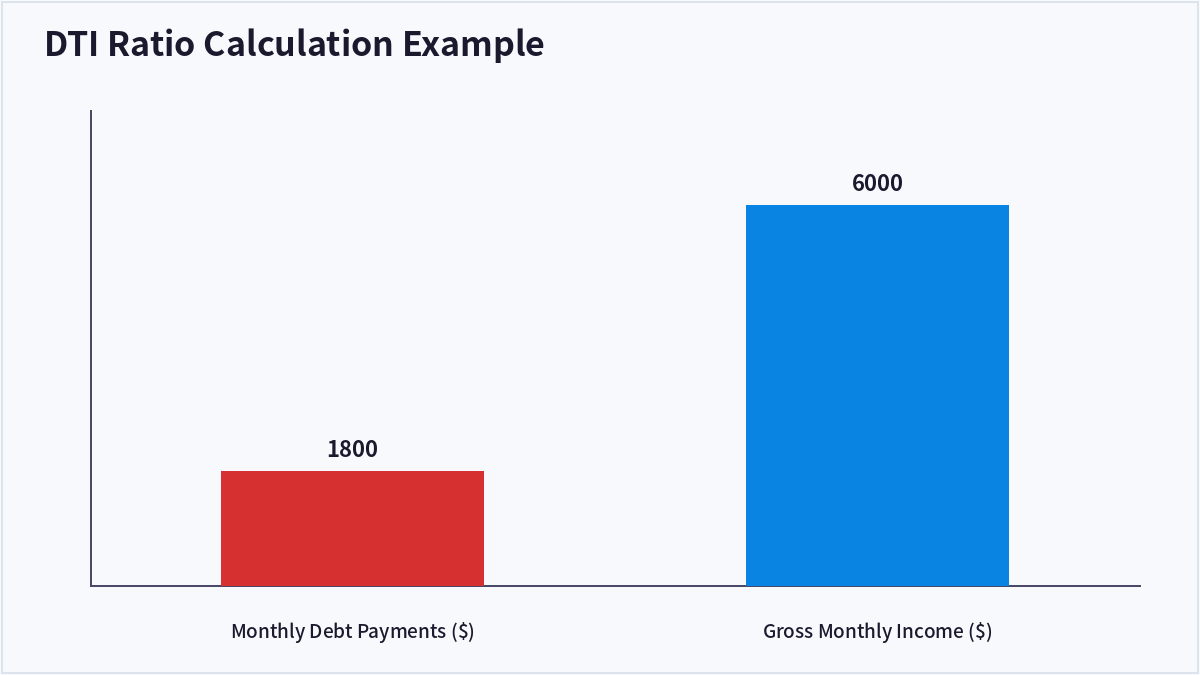
DTI Ratio = Total Monthly Debt Payments ÷ Gross Monthly Income × 100. For example, if someone has $1,800 in total monthly debt obligations (including mortgage or rent, car loans, credit card minimums, and student loans) and earns $6,000 in gross monthly income, their DTI ratio would be 30%. Lenders generally calculate this using two versions: a ‘front-end’ ratio (housing costs only) and a ‘back-end’ ratio (all debt obligations).
What Counts as a Healthy DTI Ratio
General Guidelines
A DTI ratio of 36% or below is commonly cited as a healthy benchmark, with some lenders extending qualification up to around 43% or higher depending on the loan type, other compensating financial factors, and specific lending program guidelines.
Why It Matters Beyond Loan Approval
Beyond simply determining loan eligibility, a high DTI ratio can also signal to the borrower themselves that a significant portion of income is already committed to debt service, potentially limiting financial flexibility for savings, investments, or unexpected expenses.
| DTI Ratio | General Assessment | Typical Lending Impact |
|---|---|---|
| Below 36% | Generally healthy | Favorable for most loan approvals |
| 36%-43% | Moderate | May still qualify, depending on lender and loan type |
| Above 43% | Elevated risk | Loan approval becomes more challenging |
Frequently Asked Questions
Does DTI use gross income or net (after-tax) income?
DTI calculations are standardly based on gross (pre-tax) monthly income, not the net take-home pay that actually lands in a bank account, which is an important distinction to keep in mind when estimating your own ratio.
What debts are typically included in the calculation?
Common inclusions are mortgage or rent payments, car loan payments, minimum credit card payments, student loan payments, and other installment loans — but typically not everyday living expenses like groceries, utilities, or insurance premiums.
How can I lower my DTI ratio?
The two primary levers are paying down existing debt balances to reduce monthly obligations, or increasing gross income, with paying off high-payment debts (like a car loan) often having a more immediate impact than smaller balance reductions.
Is DTI the same as credit utilization?
No, these are distinct metrics — credit utilization measures how much of your available revolving credit (like credit cards) you’re currently using, while DTI compares your total debt payment obligations to your overall income.
Key Takeaways
The debt-to-income ratio compares monthly debt payments to gross monthly income, serving as a key metric lenders use to assess borrowing risk, particularly for mortgage approval. Keeping this ratio below roughly 36% is generally considered a healthy benchmark for financial flexibility. This article is for informational purposes only and does not constitute investment advice.

QuantPro: AI Finds the Trade Before You Do
From AI-powered chart analysis to real-time market intelligence — everything a serious investor needs, in one platform.
- Automated AI chart analysis with precision trend timing
- Bull Radar: real-time visualization of geopolitical & economic shifts
- Live market-moving news and insights, curated for you
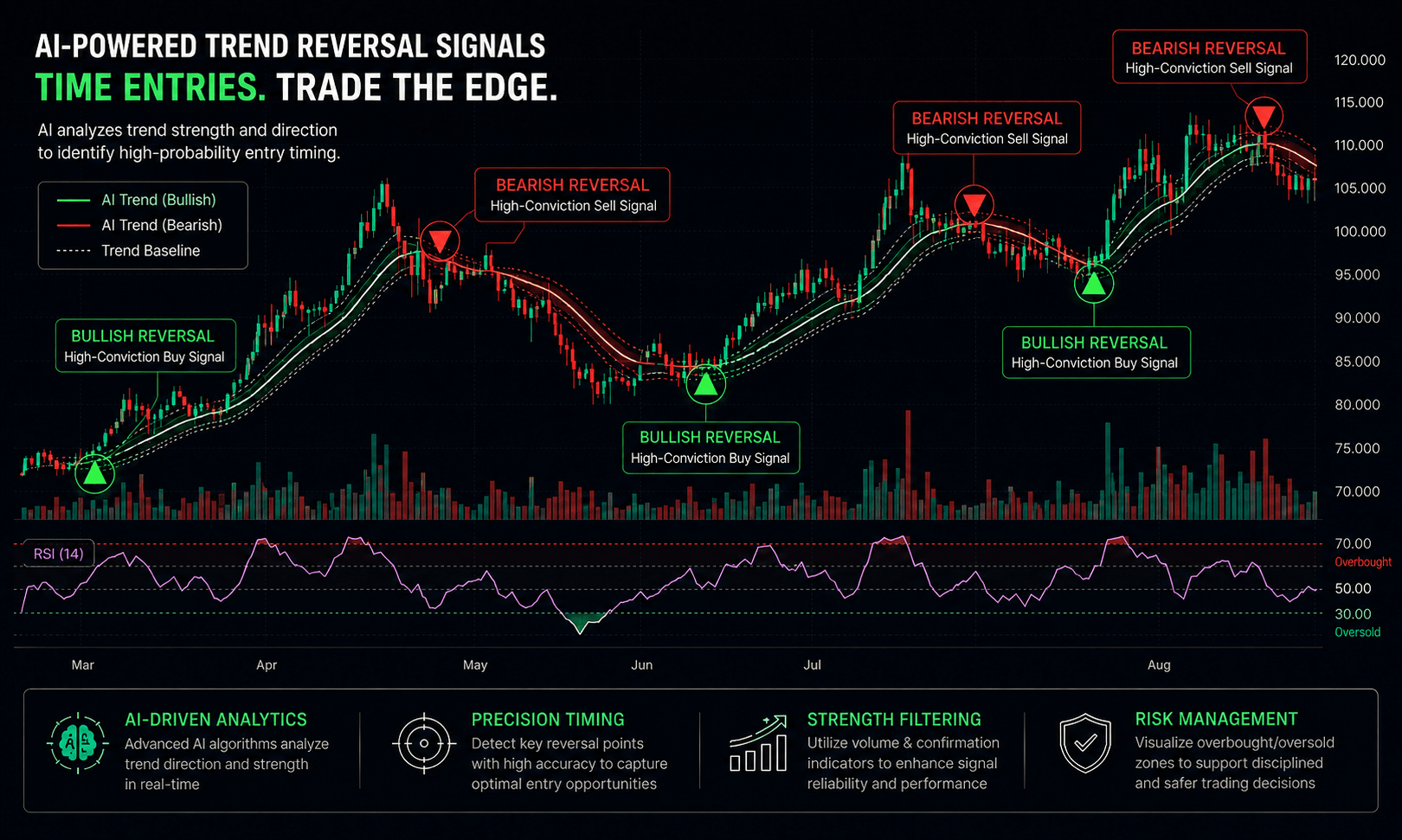
Bull Wave / Bear Wave Forecast Model
Engineered to help you read market direction and momentum faster than the crowd.
- Instantly separate bullish momentum from bearish pressure
- Pinpoint high-probability entry zones with confidence
- Chart signals clear enough for beginners, sharp enough for pros
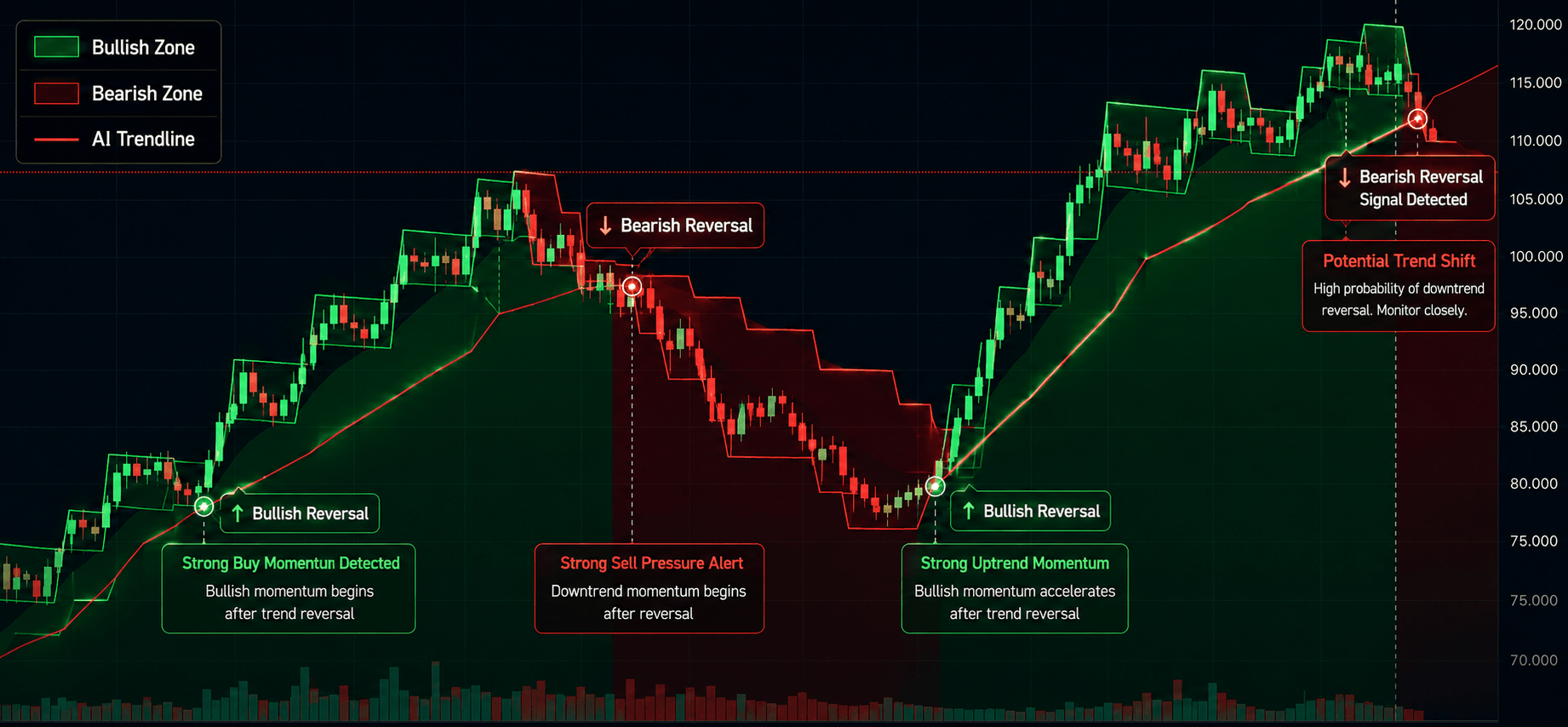
Winning Pattern Detection
Instantly surfaces the high-probability setups that repeat across the charts — a trusted edge for timing your entries and exits.
- Spot momentum building in real time
- Catch trend-reversal points before they break
- Built for active traders who need results, not theory

AI Live Economic Dashboard
AI analyzes real-time market data — turning complex, global investment flows into clear insight in seconds.
- Track global stock markets in real time
- See exactly which assets are strong — and which are fading
- Watch how geopolitical events move the markets
About the Author