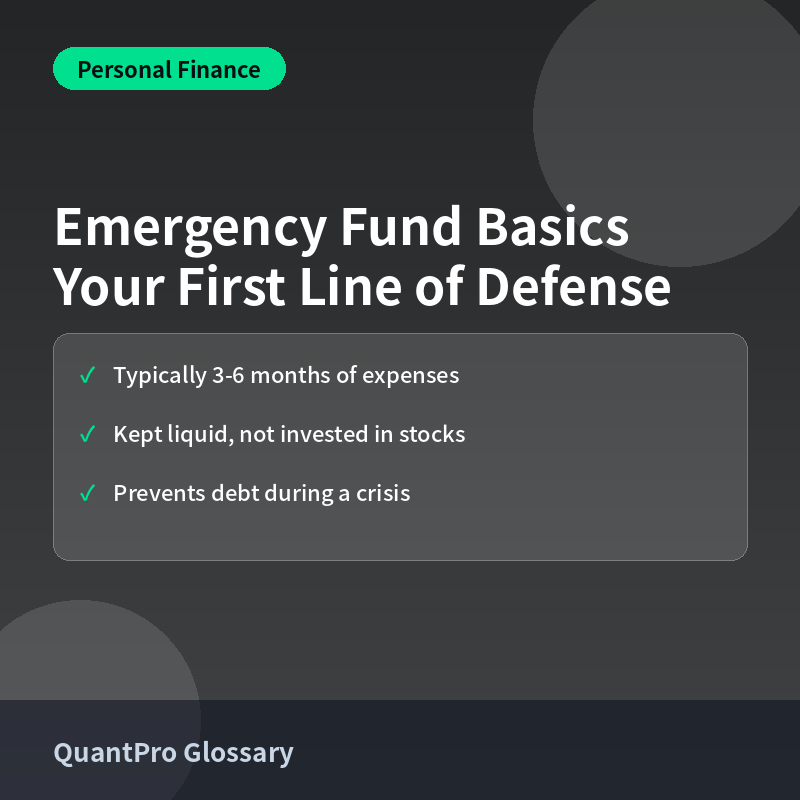
What Is an Emergency Fund?
An emergency fund is a dedicated pool of cash savings set aside specifically to cover unexpected expenses or a sudden loss of income — such as a job loss, medical emergency, or urgent home repair — without needing to rely on high-interest debt like credit cards or personal loans. It’s widely considered one of the foundational building blocks of a sound personal financial plan, ideally established before pursuing more aggressive investment goals.
How Much Should You Save?
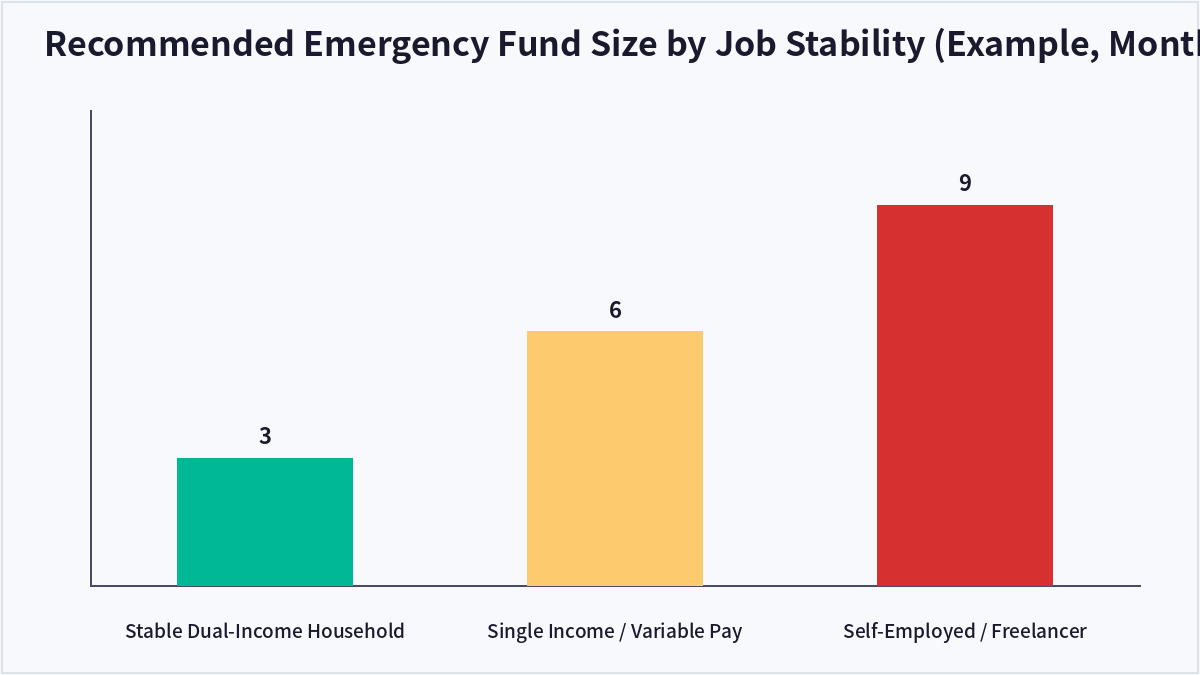
A commonly cited guideline suggests saving enough to cover three to six months of essential living expenses, though the appropriate target varies significantly based on individual circumstances. Those with more stable, dual-income households may lean toward the lower end, while those with variable income, a single household earner, or self-employment income often benefit from a larger cushion of six months or more.
Where to Keep an Emergency Fund
Prioritize Liquidity Over Returns
Emergency funds should generally be kept in highly liquid, easily accessible accounts — such as a high-yield savings account or money market fund — rather than invested in stocks or other volatile assets, since the fund’s purpose is guaranteed availability, not growth, precisely when it’s needed most.
Balance Accessibility With Some Yield
While keeping funds fully liquid is the priority, many savers still choose a high-yield savings account over a traditional checking account to earn modest interest while maintaining the ability to withdraw the full amount without penalty at any time.
| Account Type | Liquidity | Suitability for Emergency Fund |
|---|---|---|
| High-Yield Savings Account | High | Well suited — easy access, some yield |
| Checking Account | Highest | Suitable, but typically earns little to no interest |
| Stock Market Investment | Variable, can decline in value | Not suitable — volatility risk |
Frequently Asked Questions
Should I build an emergency fund before investing?
Most financial guidance suggests establishing at least a partial emergency fund before committing significant capital to long-term investments, as this cushion helps prevent the need to sell investments at an inopportune time during a financial emergency.
What counts as a true emergency expense?
Genuine emergencies typically include job loss, unexpected medical bills, urgent car or home repairs necessary for safety or income, and similar unavoidable, unplanned costs — as opposed to discretionary spending or planned large purchases.
Is it okay to build the fund gradually?
Yes, building an emergency fund incrementally through consistent, automated monthly contributions is a common and practical approach, and having even a partial fund is meaningfully better than having none at all.
Should I replenish the fund after using it?
Yes, after drawing on an emergency fund for its intended purpose, prioritizing rebuilding it back to the target level is generally recommended before resuming other financial goals.
Key Takeaways
An emergency fund provides a critical cash cushion — typically three to six months of expenses — to cover unexpected costs without resorting to debt. It should be kept in a highly liquid account, prioritizing accessibility over investment growth. This article is for informational purposes only and does not constitute investment advice.

QuantPro: AI Finds the Trade Before You Do
From AI-powered chart analysis to real-time market intelligence — everything a serious investor needs, in one platform.
- Automated AI chart analysis with precision trend timing
- Bull Radar: real-time visualization of geopolitical & economic shifts
- Live market-moving news and insights, curated for you
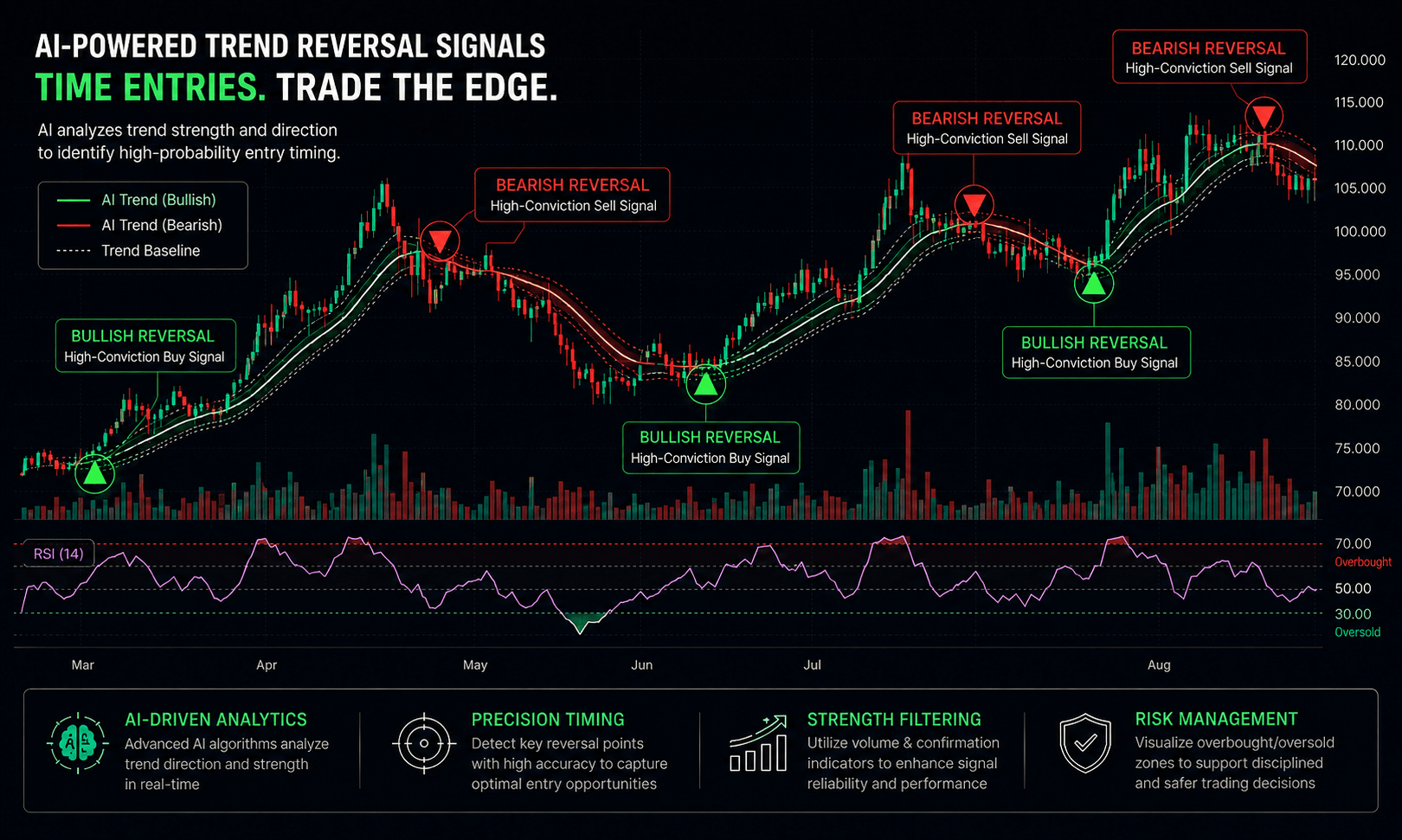
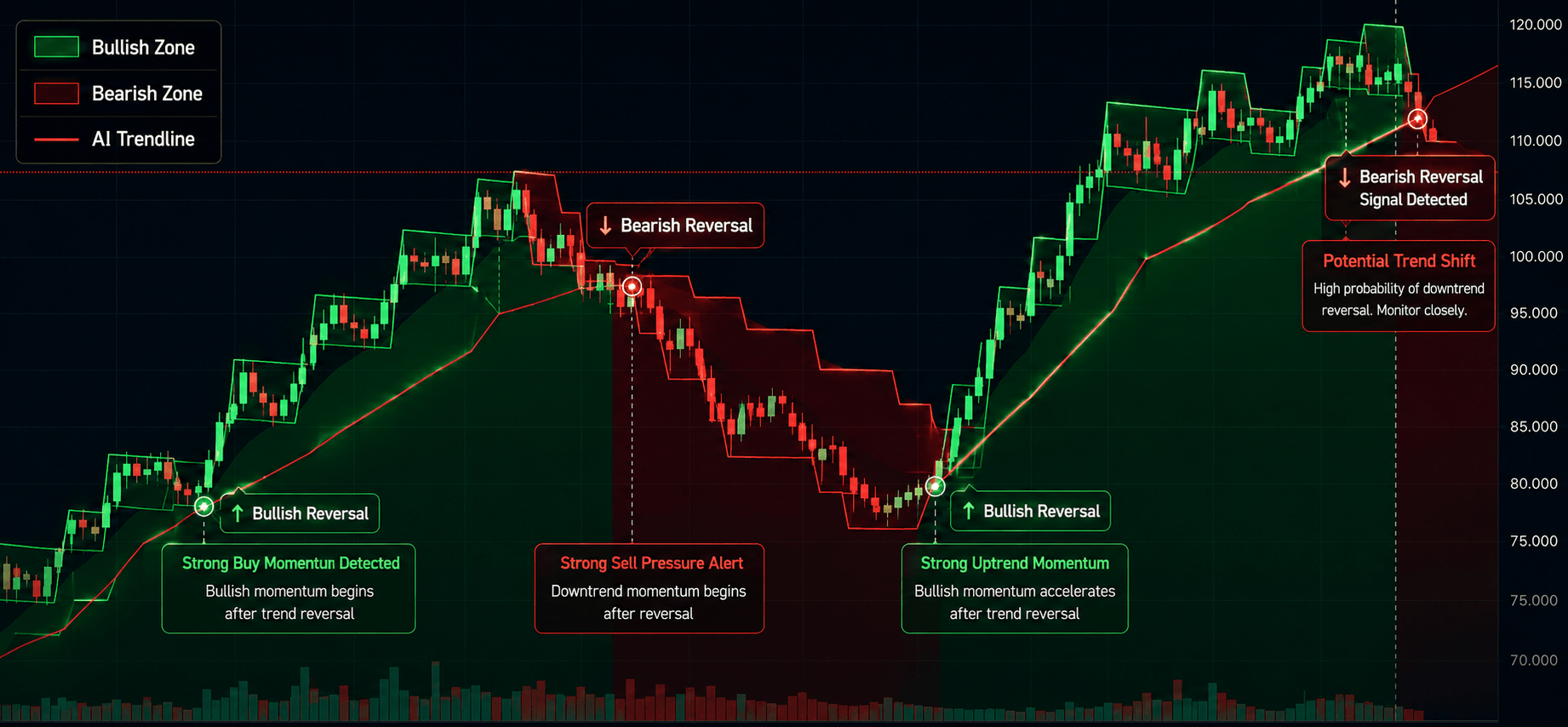
Bull Wave / Bear Wave Forecast Model
Engineered to help you read market direction and momentum faster than the crowd.
- Instantly separate bullish momentum from bearish pressure
- Pinpoint high-probability entry zones with confidence
- Chart signals clear enough for beginners, sharp enough for pros
Winning Pattern Detection
Instantly surfaces the high-probability setups that repeat across the charts — a trusted edge for timing your entries and exits.
- Spot momentum building in real time
- Catch trend-reversal points before they break
- Built for active traders who need results, not theory

AI Live Economic Dashboard
AI analyzes real-time market data — turning complex, global investment flows into clear insight in seconds.
- Track global stock markets in real time
- See exactly which assets are strong — and which are fading
- Watch how geopolitical events move the markets
About the Author