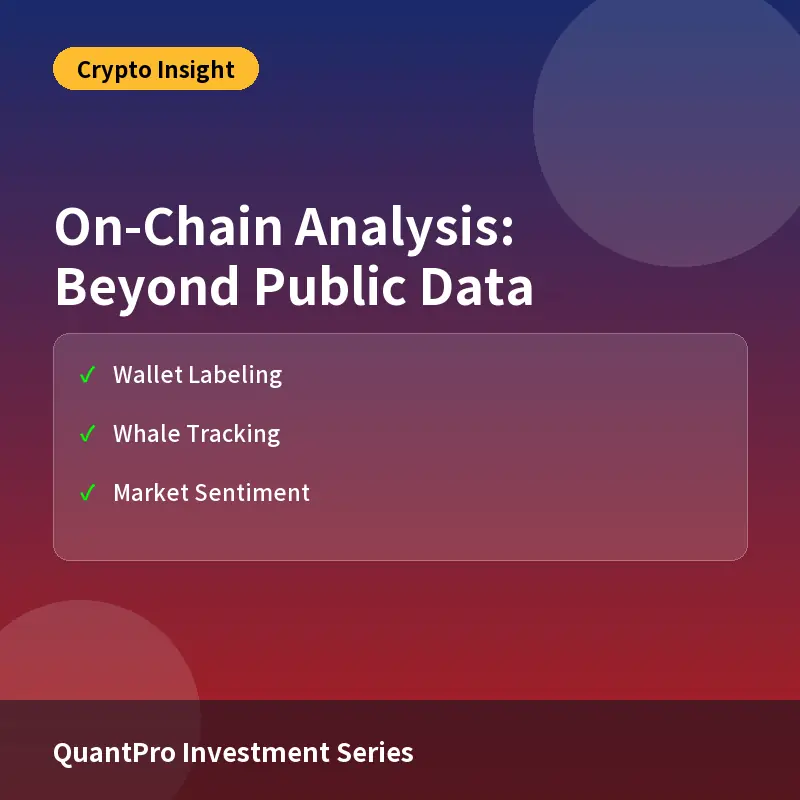
On-chain analysis goes beyond viewing public transactions to identifying patterns in wallet behavior. By tracking the movement of 'smart money' or whale entities, you can better anticipate market reversals and liquidity shifts.
What Is On-Chain Analysis in Crypto?
Defining On-Chain Analysis
On-chain analysis is the process of examining raw blockchain data to extract actionable insights regarding asset flow and investor behavior. It is essentially the audit of every transaction on a public ledger to discern whether large holders are accumulating or distributing assets.
The Role of Blockchain Transparency
Because public blockchains are transparent, every move made by a wallet is verifiable. You can check this metric directly on Bull Radar to observe real-time spikes in exchange inflows, which often suggest imminent selling pressure.
How On-Chain Data Is Collected and Interpreted
The Mechanism of Data Aggregation
Data is collected by parsing full blockchain nodes and indexing transactions into searchable databases. Analysts categorize addresses into labels like ‘Exchanges,’ ‘Miners,’ or ‘Whales’ to filter out noise.
Core Indicators to Monitor
- Exchange Net Flow: The difference between inflows and outflows.
- Exchange Reserve: The total supply held on centralized exchanges.
- Miner Position Index: Indicates if miners are selling their rewards to cover costs.

QuantPro: AI Finds the Trade Before You Do
From AI-powered chart analysis to real-time market intelligence — everything a serious investor needs, in one platform.
- Automated AI chart analysis with precision trend timing
- Bull Radar: real-time visualization of geopolitical & economic shifts
- Live market-moving news and insights, curated for you
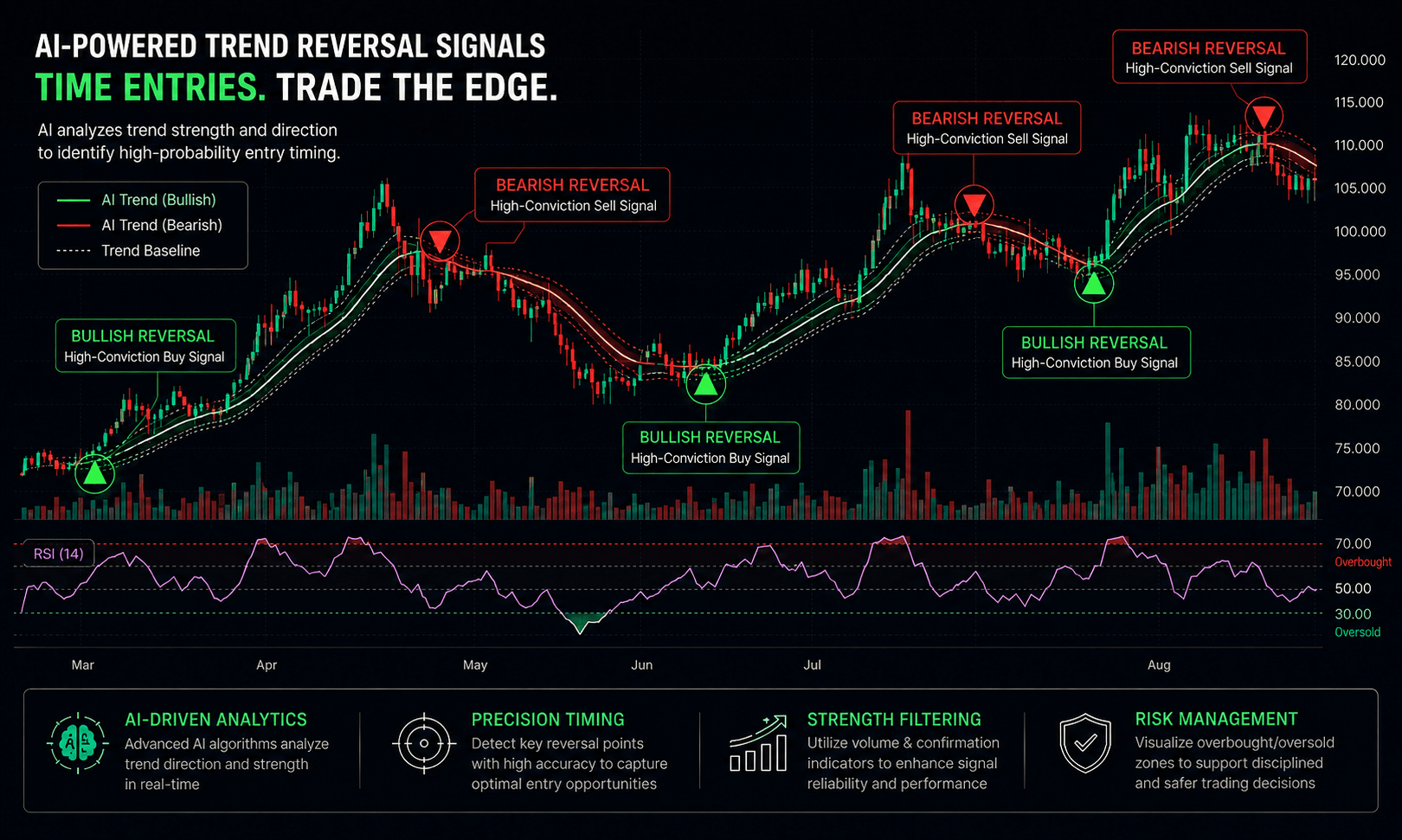
Bull Wave / Bear Wave Forecast Model
Engineered to help you read market direction and momentum faster than the crowd.
- Instantly separate bullish momentum from bearish pressure
- Pinpoint high-probability entry zones with confidence
- Chart signals clear enough for beginners, sharp enough for pros
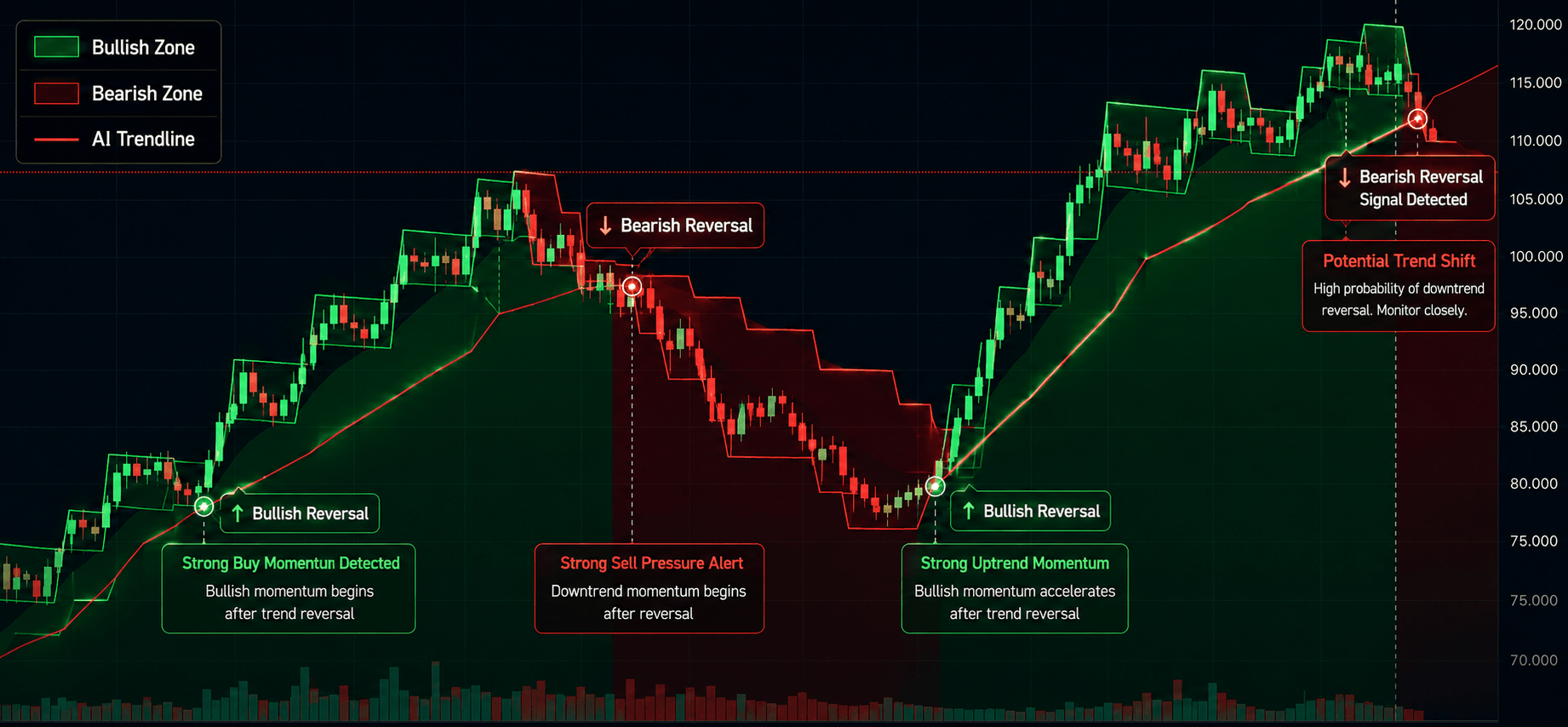
Winning Pattern Detection
Instantly surfaces the high-probability setups that repeat across the charts — a trusted edge for timing your entries and exits.
- Spot momentum building in real time
- Catch trend-reversal points before they break
- Built for active traders who need results, not theory
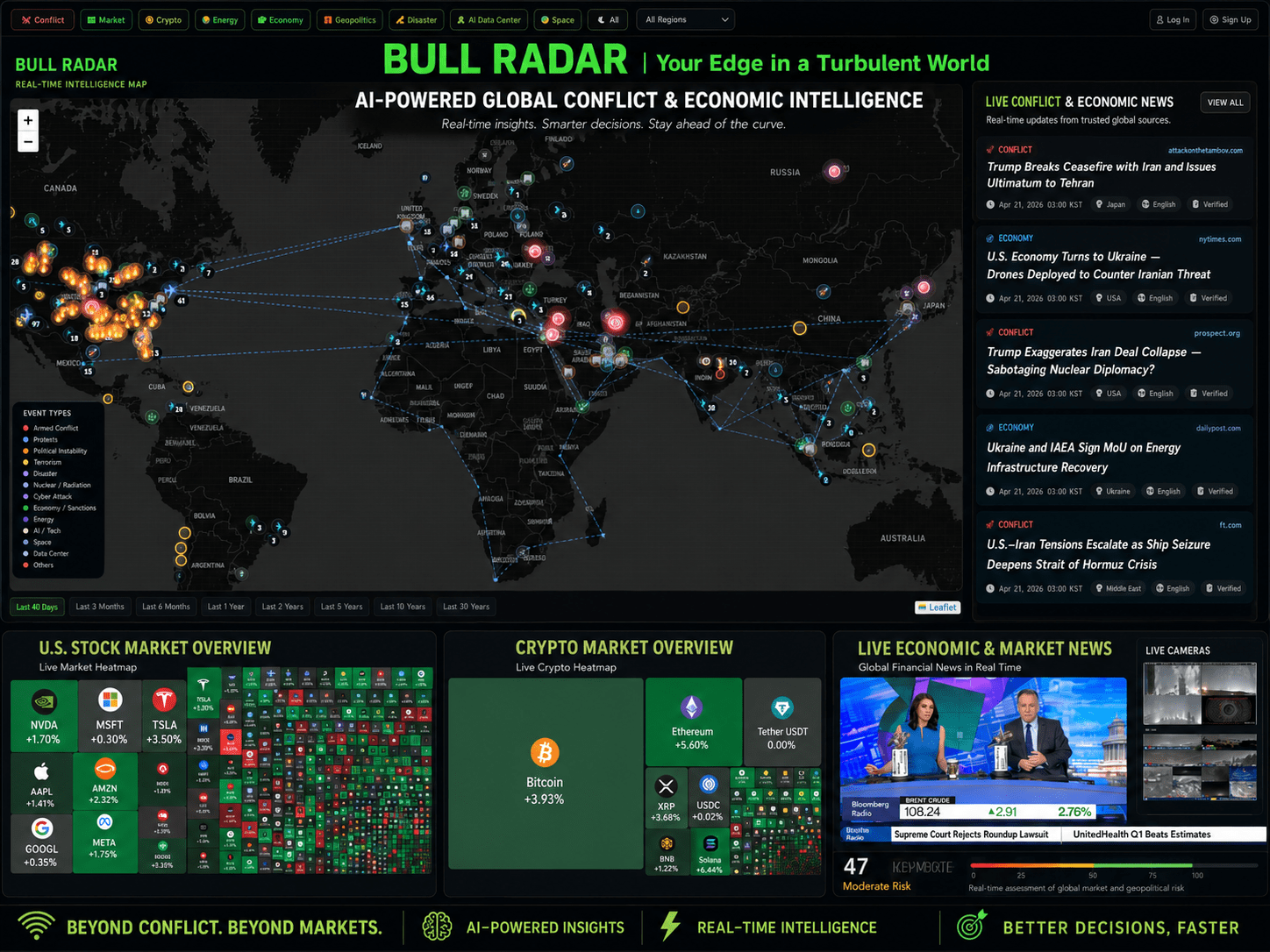
AI Live Economic Dashboard
AI analyzes real-time market data — turning complex, global investment flows into clear insight in seconds.
- Track global stock markets in real time
- See exactly which assets are strong — and which are fading
- Watch how geopolitical events move the markets
Worked Example: Identifying Whale Accumulation
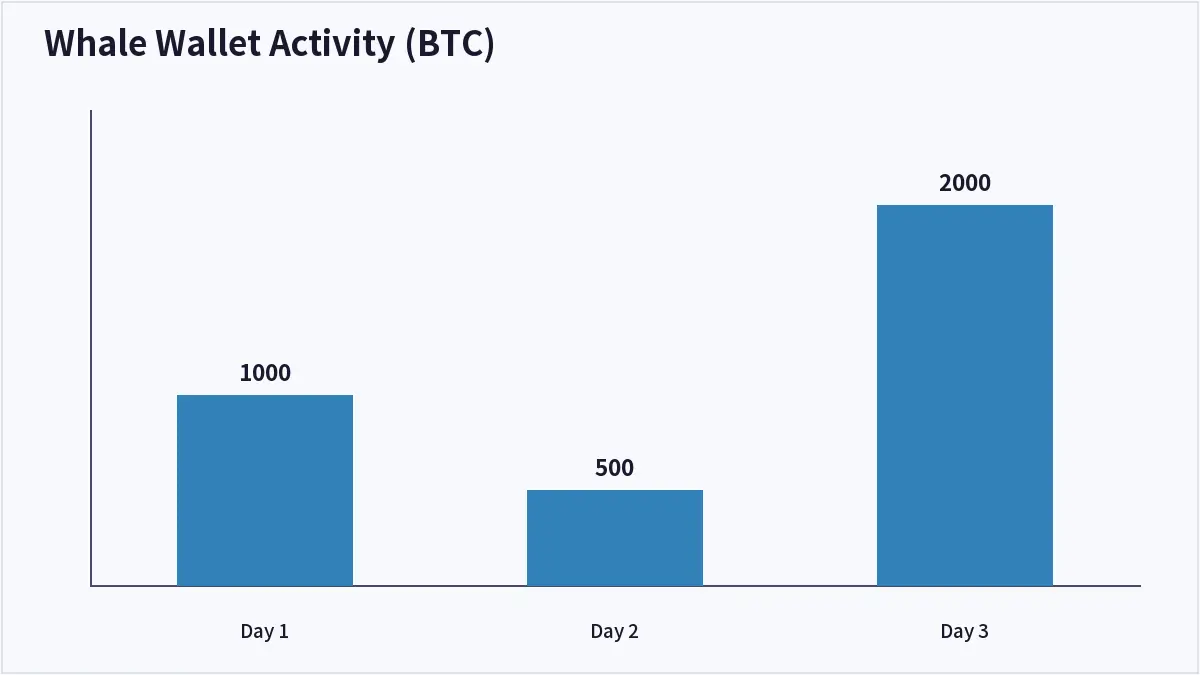
Imagine a scenario where a specific whale address holds 5,000 BTC. On January 1st, this wallet moves 1,000 BTC out of a centralized exchange into a cold wallet. On January 2nd, the same wallet receives another 500 BTC from a separate OTC desk. This pattern suggests ‘Accumulation.’ Contrast this with a scenario where 2,000 BTC moves from a cold wallet to a major exchange during a price rally, which typically signals ‘Distribution’ or potential profit-taking.
Common Mistakes and Misconceptions
Mistaking Transfers for Selling
A common mistake is assuming every transfer to an exchange is a ‘sell order.’ Institutions often move assets to exchanges for collateral purposes or OTC settlement rather than immediate liquidation.
Ignoring Address Labels
Treating all addresses equally is a trap. An exchange hot wallet moving funds looks different from a retail investor, yet novice analysts often treat exchange internal wallet movements as market activity.
| Indicator | Signal | Market Implication |
|---|---|---|
| Exchange Inflow | Increasing | Potential Bearish (Selling) |
| Exchange Outflow | Increasing | Potential Bullish (Holding) |
| Whale Balance | Growing | Long-term Confidence |
Frequently Asked Questions
Is on-chain analysis enough to predict price?
No, on-chain analysis provides context on supply and demand dynamics, but it should be combined with macro factors and technical analysis for a complete view.
Can I trust all on-chain alerts?
You should be cautious, as some alerts track internal exchange rebalancing that does not represent actual selling pressure from investors.
What is the biggest risk in using on-chain data?
The biggest risk is misinterpreting the entity behind an address; not all ‘whale’ wallets belong to sophisticated investors, and some represent exchange infrastructure.
How do I start learning on-chain analysis?
Start by monitoring simple metrics like Exchange Net Flow on analytics platforms, and learn to distinguish between exchange wallets and individual user wallets.
Key Takeaways
On-chain analysis is a powerful tool for seeing behind the curtain of the crypto market. By focusing on institutional and whale flows rather than just price action, you can gain a clearer understanding of market sentiment and potential trend reversals. This article is for informational purposes only and does not constitute investment advice.
Last updated: 2026-09-18
About the Author