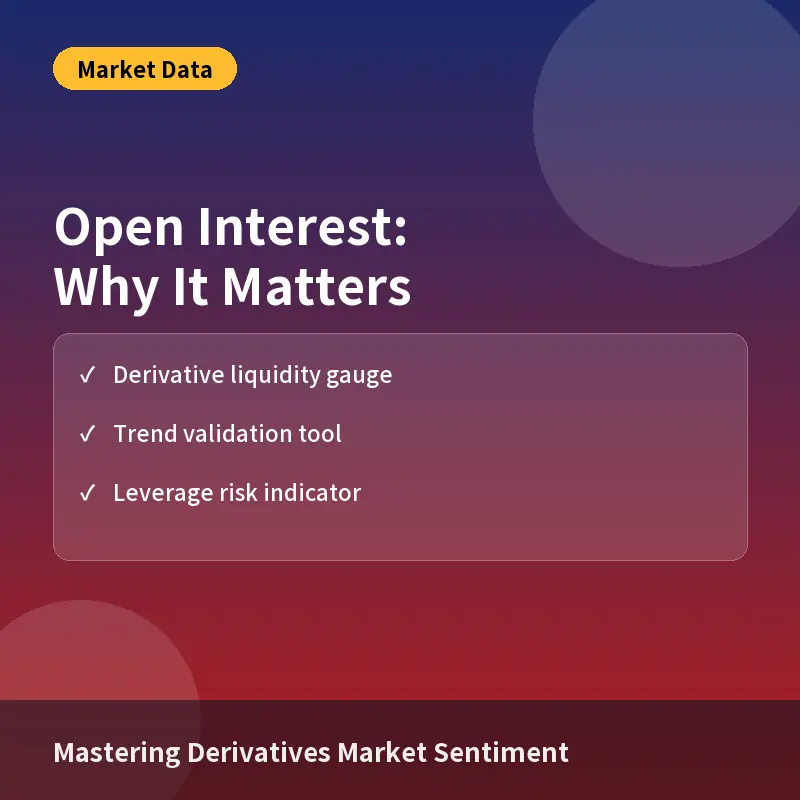
Open Interest represents the total number of outstanding derivative contracts that have not been settled. By tracking its fluctuation, traders can identify whether capital is flowing into the market to sustain a trend or if the market is becoming over-leveraged and prone to a reversal.
What Is Open Interest in Crypto Markets?
Open Interest (OI) is the total number of active derivative contracts—such as perpetual futures—that are held by market participants at a given time. Unlike trading volume, which measures the total number of trades executed during a period, OI tracks the net position of all traders who have not yet closed their trades. – It is a vital metric for gauging market participation – It reflects the total leverage currently present in the system – It highlights the conviction level of traders in a specific price direction.
How Open Interest Works and Is Calculated
Open Interest increases when a new buyer and a new seller enter a contract, and it decreases when both parties exit their positions. You can check this metric directly on Bull Radar to see real-time shifts in market positioning. – New Long/Short entry: OI rises as new capital enters – Closing positions: OI falls as traders take profits or losses – Over-leveraging: When price moves sideways but OI spikes, it often signals a massive upcoming volatility event.
Worked Example: Interpreting Market Sentiment
Consider a hypothetical scenario where Bitcoin is trading at $60,000. – Scenario A: Price increases and OI increases, signaling a strong trend supported by fresh capital – Scenario B: Price increases but OI decreases, suggesting a ‘short squeeze’ or traders closing positions rather than new money entering. If we observe 10,000 contracts open at $60,000 and it jumps to 15,000 contracts at $62,000, we see clear market-wide accumulation. Conversely, if contracts drop to 8,000 while price hits $62,000, the rally may lack underlying demand.

Common Misconceptions About Open Interest
A frequent mistake is assuming that rising Open Interest is always bullish. – High OI does not mean the price will go up; it only means there is more leverage in the market – It ignores the ‘who’ behind the trades, such as whether high-volume accounts are hedging or speculating – Traders often confuse OI with trading volume, leading them to misread daily churn as long-term market conviction.
| Metric | Primary Focus | Market Signal |
|---|---|---|
| Trading Volume | Total activity over time | Momentum strength |
| Open Interest | Total active positions | Trend sustainability and leverage |
Frequently Asked Questions
Is high Open Interest always dangerous?
Not necessarily. High Open Interest indicates significant liquidity and active participation, but it also means the market is highly leveraged. It simply signals that a sharp move in either direction could trigger a cascading liquidation event.
How does Open Interest differ from Volume?
Volume measures how many contracts changed hands over a specific window, showing intensity. Open Interest measures the total number of contracts currently remaining open, showing the amount of capital parked in the market.
Can I use Open Interest to predict price tops?
Yes, it is often used as a contrarian indicator. When Open Interest reaches extreme highs during a parabolic price move, it often signals that the market is over-leveraged and due for a ‘deleveraging’ correction.
Why does Open Interest fall during a price rally?
A price rally with falling Open Interest typically indicates that traders are closing their positions rather than opening new ones. This often suggests a lack of new conviction and that the rally may be nearing an exhaustion point.
Key Takeaways
Understanding Open Interest allows you to look beyond simple price charts to see the actual leverage building up in crypto markets. By monitoring whether positions are increasing or decreasing, you can better time your entries and exits while avoiding traps caused by over-leveraged market conditions. This article is for informational purposes only and does not constitute investment advice.

QuantPro: AI Finds the Trade Before You Do
From AI-powered chart analysis to real-time market intelligence — everything a serious investor needs, in one platform.
- Automated AI chart analysis with precision trend timing
- Bull Radar: real-time visualization of geopolitical & economic shifts
- Live market-moving news and insights, curated for you
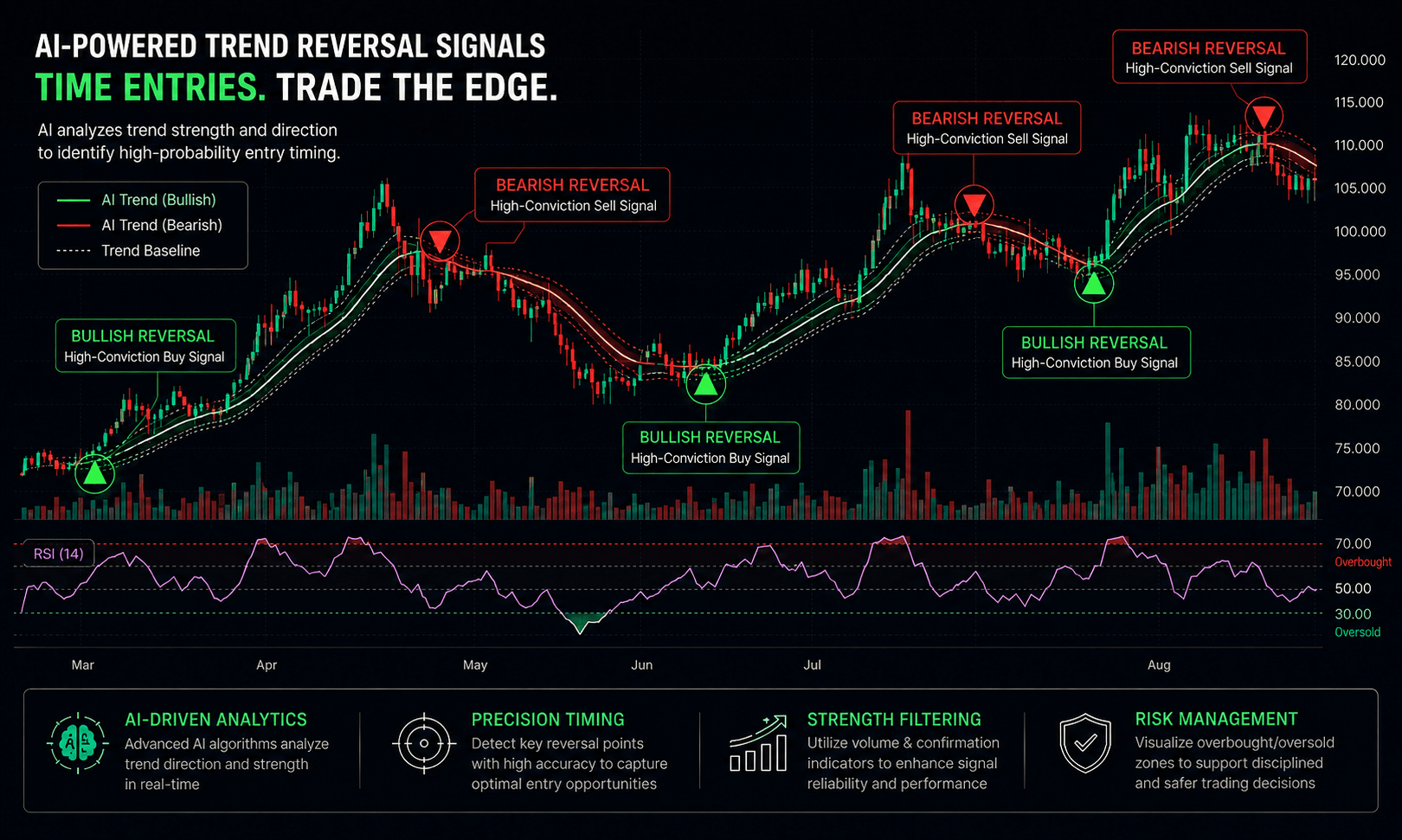
Bull Wave / Bear Wave Forecast Model
Engineered to help you read market direction and momentum faster than the crowd.
- Instantly separate bullish momentum from bearish pressure
- Pinpoint high-probability entry zones with confidence
- Chart signals clear enough for beginners, sharp enough for pros
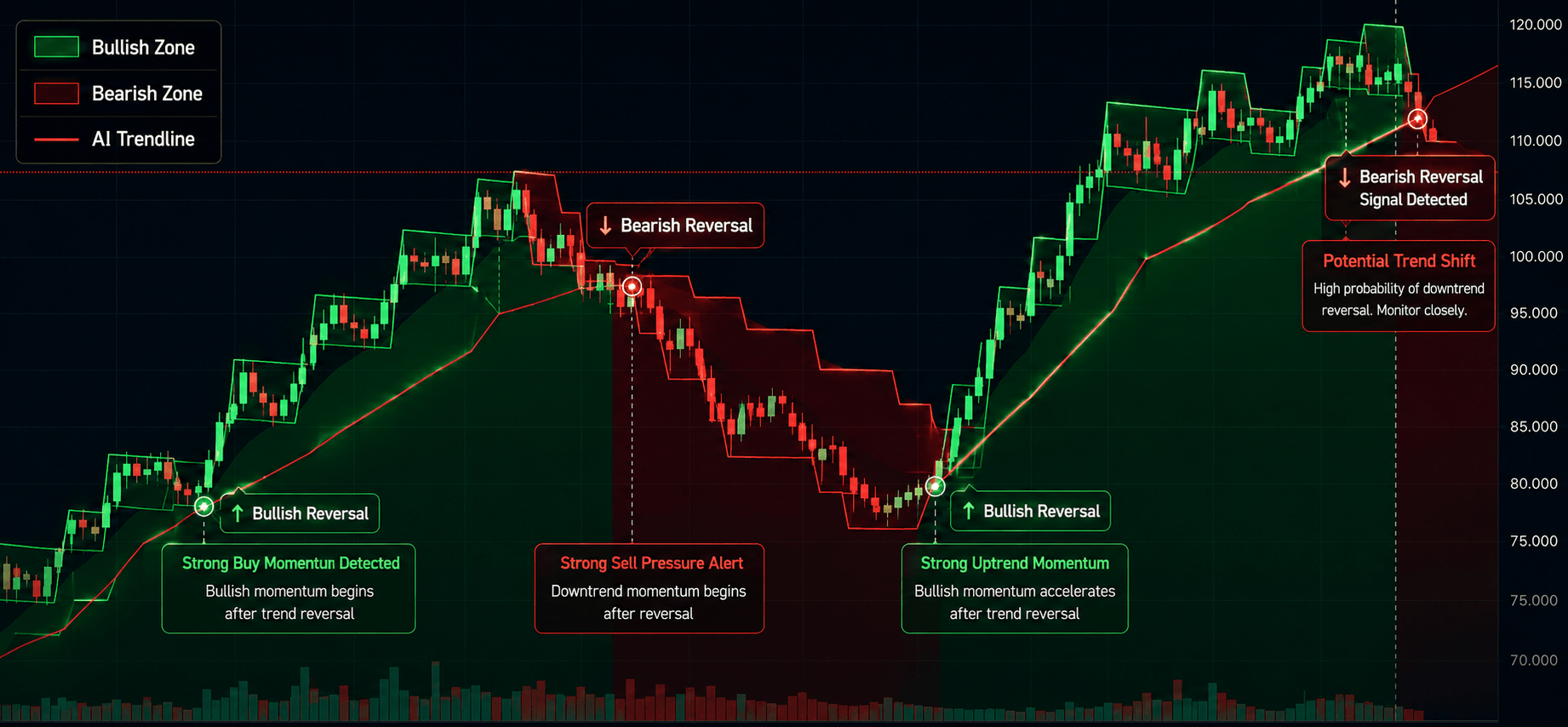
Winning Pattern Detection
Instantly surfaces the high-probability setups that repeat across the charts — a trusted edge for timing your entries and exits.
- Spot momentum building in real time
- Catch trend-reversal points before they break
- Built for active traders who need results, not theory
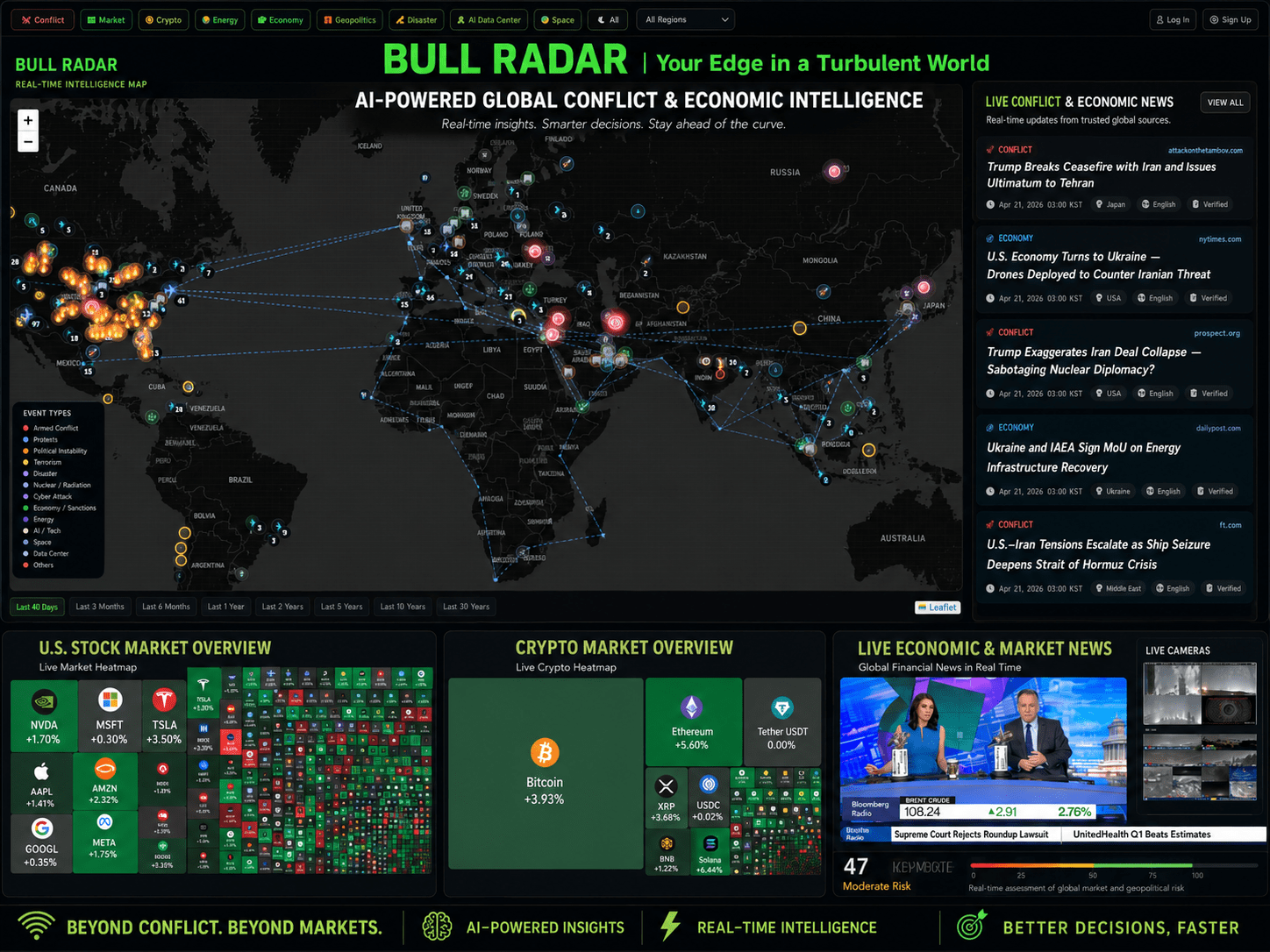
AI Live Economic Dashboard
AI analyzes real-time market data — turning complex, global investment flows into clear insight in seconds.
- Track global stock markets in real time
- See exactly which assets are strong — and which are fading
- Watch how geopolitical events move the markets
Last updated: 2026-09-17
About the Author