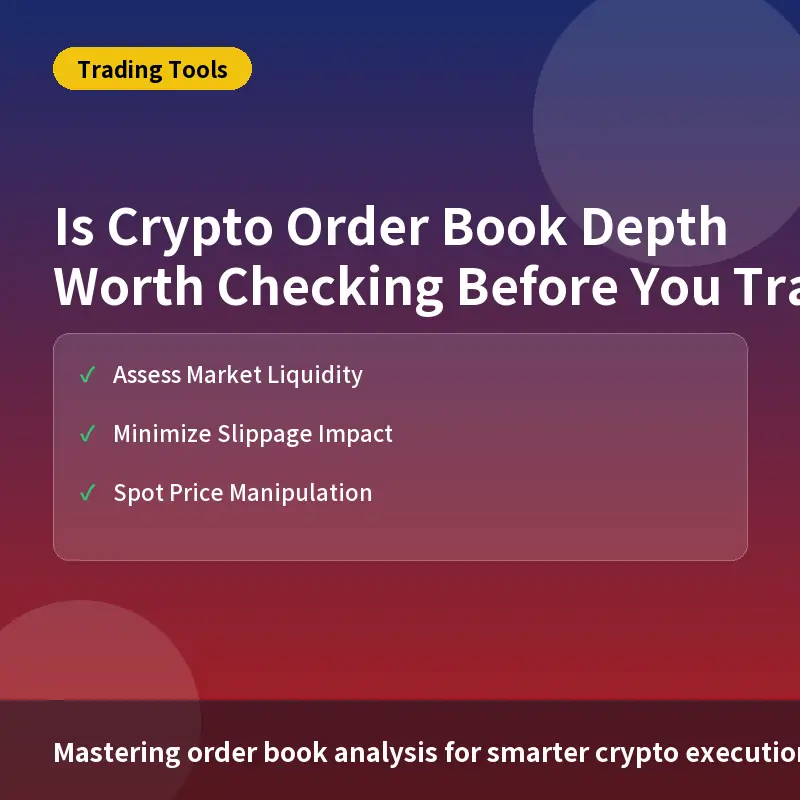
Crypto Order Book Depth measures the total volume of buy and sell orders at various price levels, providing a clear snapshot of market liquidity. High depth indicates stable prices and lower slippage, while low depth signals high volatility and potential price manipulation.
What is Crypto Order Book Depth?
Crypto order book depth represents the total volume of open buy and sell orders available at different price levels across an exchange’s matching engine. It serves as a visual and numerical gauge of market liquidity, indicating how much of an asset can be traded without causing significant price impact. You can check this metric directly on Bull Radar to understand the strength of the support and resistance zones for any given pair.
How Order Book Depth Works and Why It Matters
Order book depth works by aggregating limit orders, allowing traders to see the cumulative volume available at specific distances from the current mid-market price. When depth is high on both sides, the market is considered ‘deep,’ meaning it can absorb large orders with minimal price slippage. If order book depth is thin, even a relatively small market order can cause a ‘flash crash’ or a sharp price spike as the order ‘eats through’ the thin layers of liquidity. – Liquidity levels influence institutional entry and exit points – Thin order books are prone to spoofing and artificial volatility – High depth levels facilitate more predictable trade execution

QuantPro: AI Finds the Trade Before You Do
From AI-powered chart analysis to real-time market intelligence — everything a serious investor needs, in one platform.
- Automated AI chart analysis with precision trend timing
- Bull Radar: real-time visualization of geopolitical & economic shifts
- Live market-moving news and insights, curated for you
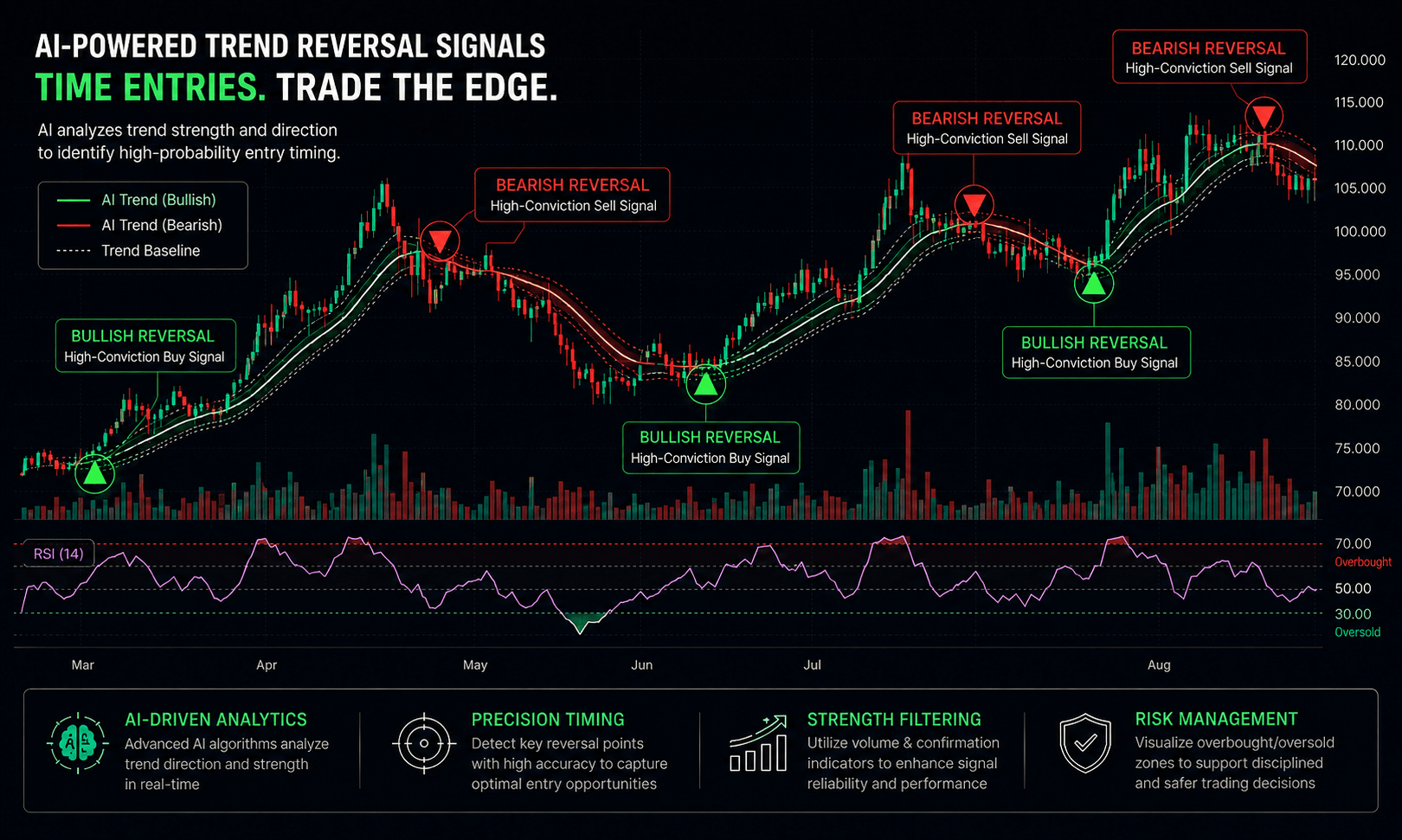
Bull Wave / Bear Wave Forecast Model
Engineered to help you read market direction and momentum faster than the crowd.
- Instantly separate bullish momentum from bearish pressure
- Pinpoint high-probability entry zones with confidence
- Chart signals clear enough for beginners, sharp enough for pros
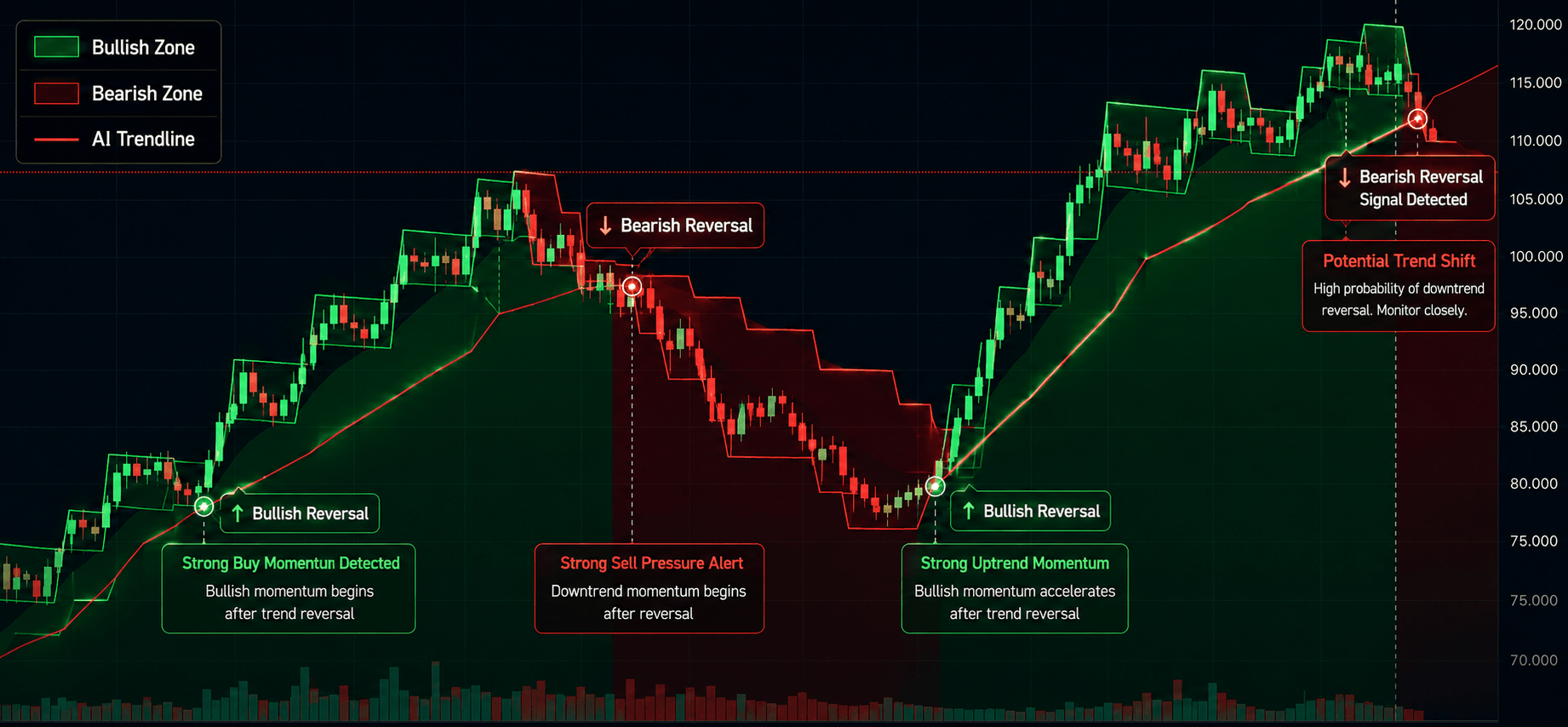
Winning Pattern Detection
Instantly surfaces the high-probability setups that repeat across the charts — a trusted edge for timing your entries and exits.
- Spot momentum building in real time
- Catch trend-reversal points before they break
- Built for active traders who need results, not theory
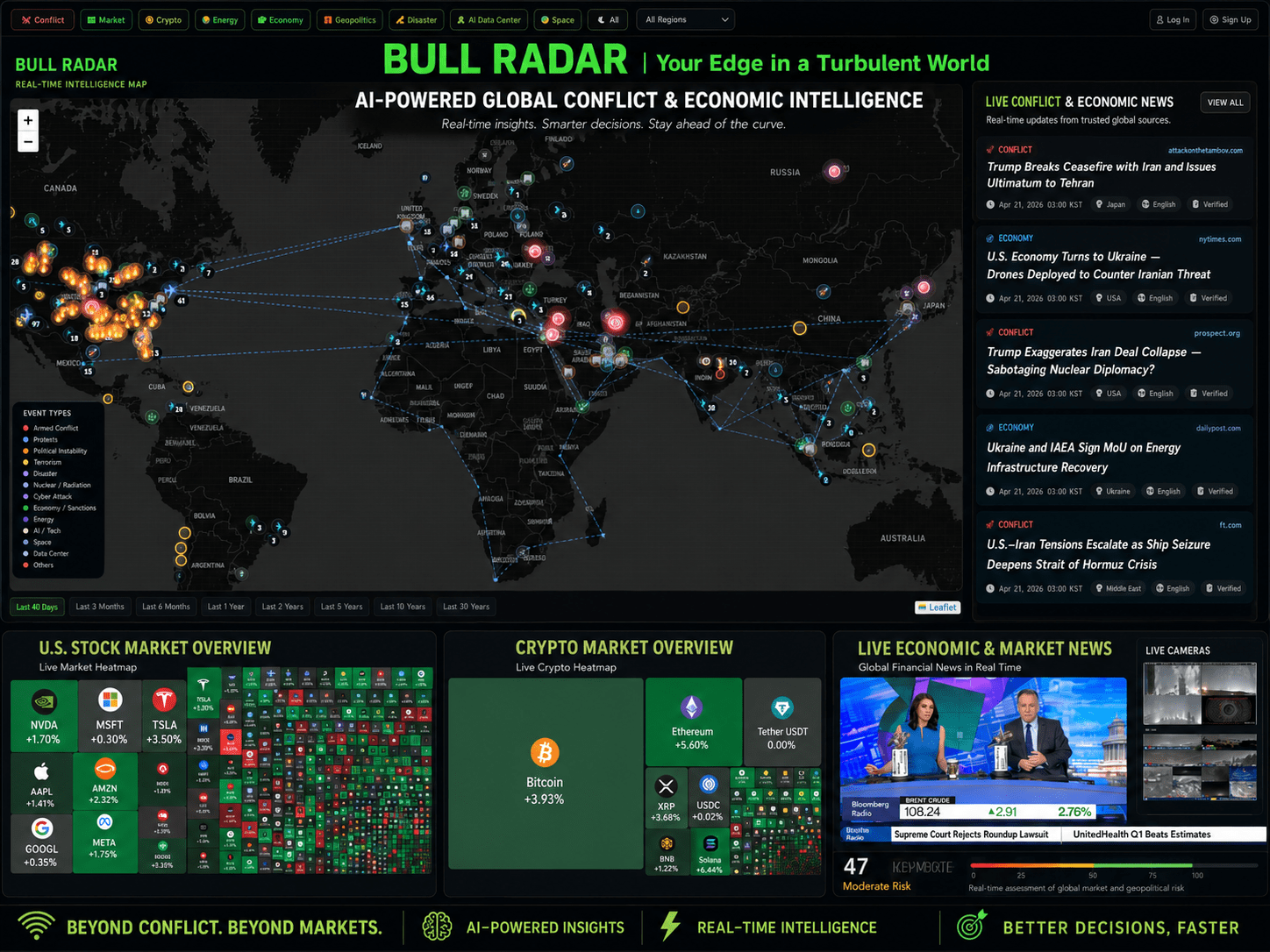
AI Live Economic Dashboard
AI analyzes real-time market data — turning complex, global investment flows into clear insight in seconds.
- Track global stock markets in real time
- See exactly which assets are strong — and which are fading
- Watch how geopolitical events move the markets
Worked Example: Calculating Market Impact
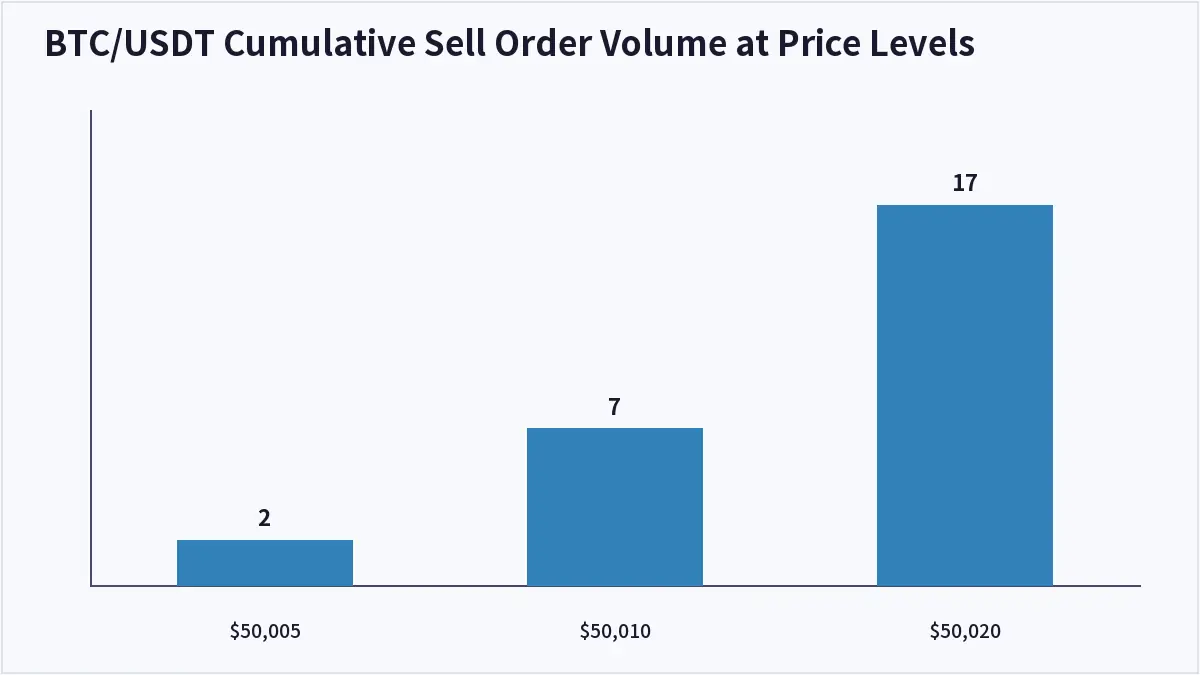
Imagine a BTC/USDT pair where the current price is $50,000. On the sell side (asks), there are 2 BTC available at $50,005, 5 BTC at $50,010, and 10 BTC at $50,020. If you place a market buy order for 6 BTC, your average purchase price will be higher than the current $50,000 spot price because you exhaust the cheaper liquidity layers. – You buy 2 BTC at $50,005 (Total: $100,010) – You buy 4 BTC at $50,010 (Total: $200,040) – Total cost for 6 BTC is $300,050, resulting in an average price of $50,008.33. This difference between the expected price and execution price is the slippage caused by shallow order book depth.
Common Mistakes and Misconceptions
A frequent misconception is that a visually dense order book guarantees market stability. In reality, order book depth can be misleading due to ‘spoofing,’ where large limit orders are placed and canceled just before execution to create a false sense of depth. – Do not assume all visible orders are intentional; many are algorithmic and fleeting – Relying solely on depth charts ignores hidden ‘iceberg’ orders not shown in the public view – Remember that liquidity is fragmented across multiple exchanges, meaning one exchange’s depth does not reflect the entire market’s capacity
| Market Condition | Order Book Appearance | Slippage Potential | Recommended Order Type |
|---|---|---|---|
| High Depth | Thick blocks at many price levels | Minimal | Market Order |
| Low Depth | Gaps or thin steps | High | Limit Order |
Frequently Asked Questions
Why does my market order get filled at a worse price than the ticker?
This happens because of slippage caused by low order book depth. Your order consumed the available liquidity at the best price and moved into the next, more expensive layers of the order book.
What is ‘spoofing’ in the context of order book depth?
Spoofing is a manipulative tactic where traders place large orders they have no intention of filling to influence others. These orders are canceled before execution to create a false appearance of high market depth.
Is it better to look at total depth or depth near the current price?
It is much more important to look at the depth near the current market price. Orders far from the current price have little immediate impact on your trade execution.
Can I use order book depth to predict price direction?
While skewed depth can sometimes suggest a stronger side, it is not a reliable predictor of direction. Market makers often adjust their orders dynamically, and perceived ‘buys’ can disappear in milliseconds.
Key Takeaways
Monitoring crypto order book depth is a critical practice for any active trader looking to manage slippage and understand market liquidity. By analyzing the volume density at various price levels, you can better time your entries and recognize when a market is too thin to support large trades. Always verify depth across different exchanges to get a true picture of market conditions and avoid being misled by temporary, artificial liquidity. This article is for informational purposes only and does not constitute investment advice.
Last updated: 2026-09-18
About the Author