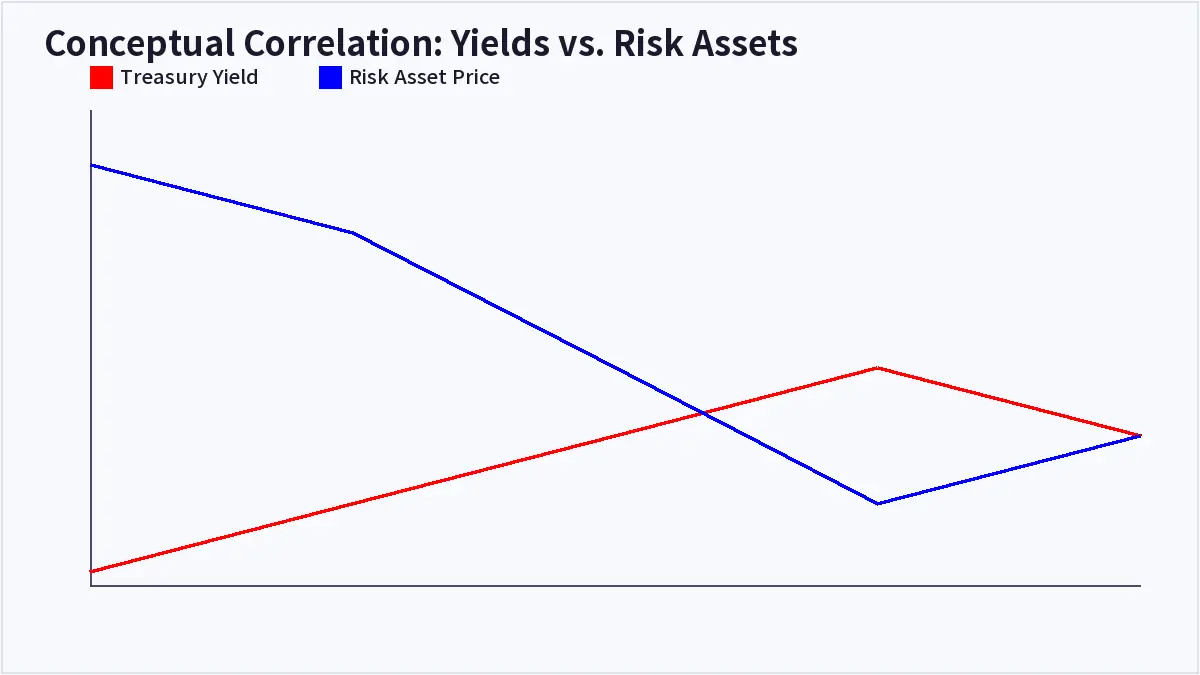
Treasury yields act as the 'risk-free rate' against which all other assets are valued. When these yields rise, the cost of capital increases, typically causing downward pressure on riskier assets like stocks and crypto.
What are Treasury Yields and Why Do They Matter?
Treasury yields represent the annual return an investor receives for holding government-issued debt. They are widely considered the ‘risk-free rate’ of return in the financial world because they are backed by the sovereign authority of the issuer. Because no investment is truly free of risk, all other assets—from blue-chip stocks to volatile cryptocurrencies—must offer a higher potential return (risk premium) to justify their ownership compared to these government bonds.
The Causal Chain Between Yields and Asset Prices
When Treasury yields increase, the discount rate used to calculate the present value of future corporate earnings rises. This directly lowers the theoretical value of growth stocks and high-beta assets.
- When bond yields are high, the opportunity cost of holding non-yielding assets or volatile equities increases.
- Investors often rotate capital out of ‘risk-on’ assets and into the safer, guaranteed income provided by government debt.
- You can check how macro variables correlate with asset sensitivity directly on Bull Radar to understand which sectors are currently most vulnerable to yield spikes.

QuantPro: AI Finds the Trade Before You Do
From AI-powered chart analysis to real-time market intelligence — everything a serious investor needs, in one platform.
- Automated AI chart analysis with precision trend timing
- Bull Radar: real-time visualization of geopolitical & economic shifts
- Live market-moving news and insights, curated for you
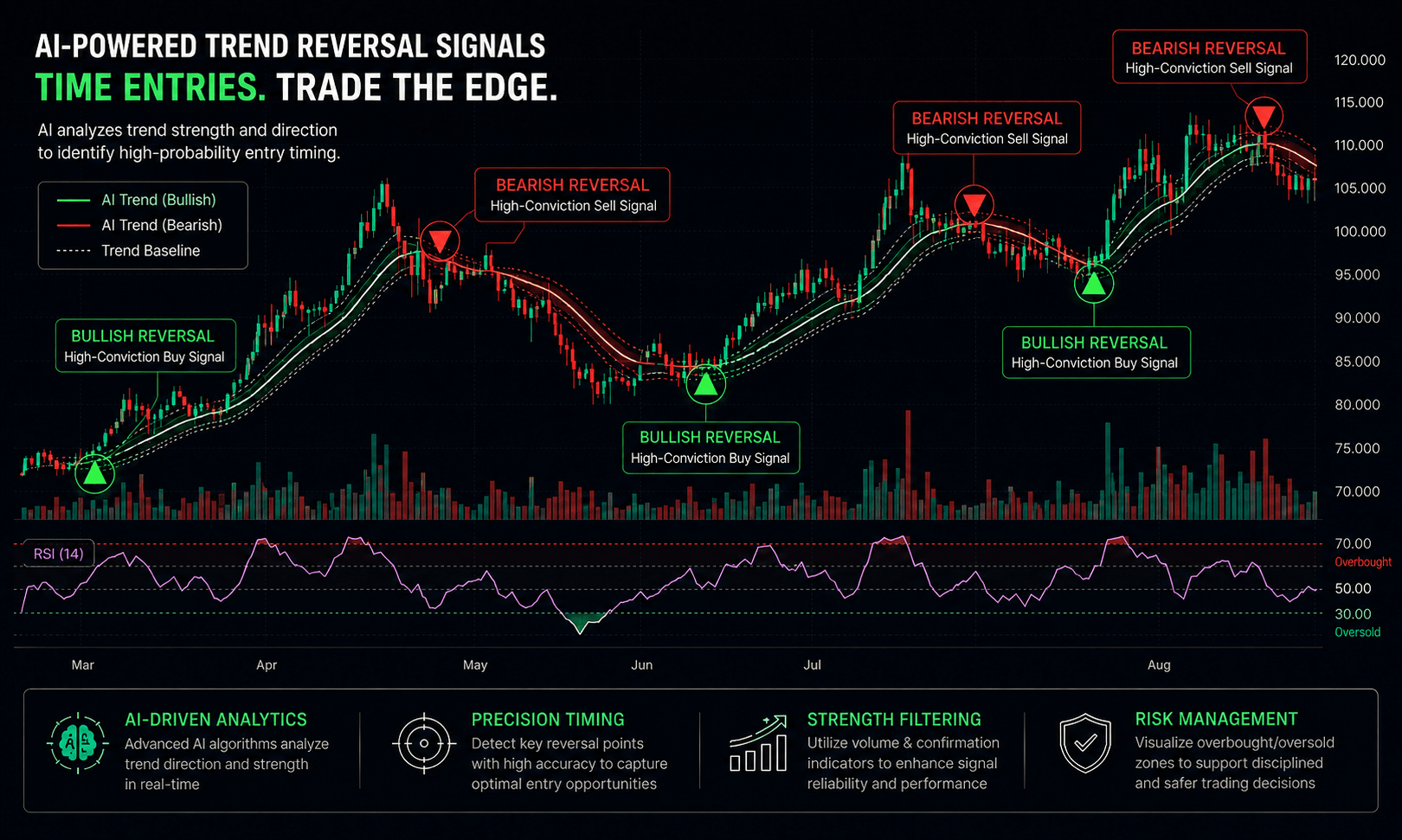
Bull Wave / Bear Wave Forecast Model
Engineered to help you read market direction and momentum faster than the crowd.
- Instantly separate bullish momentum from bearish pressure
- Pinpoint high-probability entry zones with confidence
- Chart signals clear enough for beginners, sharp enough for pros
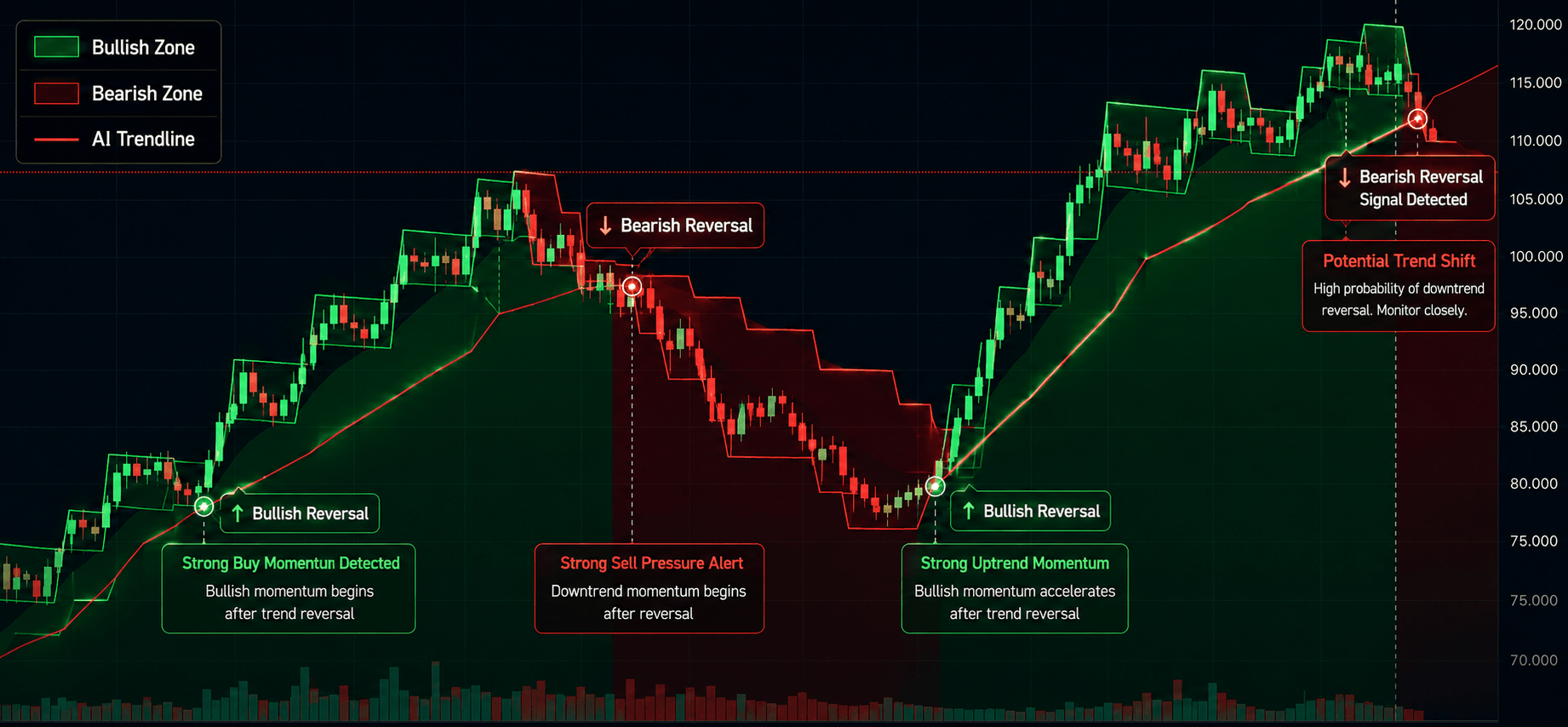
Winning Pattern Detection
Instantly surfaces the high-probability setups that repeat across the charts — a trusted edge for timing your entries and exits.
- Spot momentum building in real time
- Catch trend-reversal points before they break
- Built for active traders who need results, not theory

AI Live Economic Dashboard
AI analyzes real-time market data — turning complex, global investment flows into clear insight in seconds.
- Track global stock markets in real time
- See exactly which assets are strong — and which are fading
- Watch how geopolitical events move the markets
Historical Patterns in Yield Cycles
Historically, periods of rising yields often coincide with tightening monetary policy aimed at curbing inflation. Market participants frequently observe that during phases where yields trend upward, valuation multiples for tech and speculative assets tend to compress. Conversely, when the economy slows and yields fall, capital flows back into riskier areas seeking higher yields, often fueling rallies in equities and digital assets.
How to Monitor and React to Yield Movements
Investors should view Treasury yields as a foundational barometer for broader market health rather than a standalone trading signal. Focus on the trend rather than daily fluctuations to determine the prevailing appetite for risk in the global financial system.
- Maintain a balanced portfolio that includes assets which may perform differently under varied yield environments.
- Avoid over-leveraging in speculative positions when yields are in a confirmed uptrend.
- Always consider that the relationship between yields and assets can temporarily decouple due to sentiment, so look for confirmation across multiple macro indicators.
| Asset Class | Reaction to Rising Yields | Reaction to Falling Yields |
|---|---|---|
| Growth Stocks | Strong Negative | Strong Positive |
| Cryptocurrencies | Negative | Positive |
| Value Stocks | Neutral/Positive | Neutral |
| Government Bonds | Negative (Price) | Positive (Price) |
Frequently Asked Questions
Do crypto prices always fall when Treasury yields rise?
Not always, but there is a strong historical correlation. Rising yields increase the discount rate and opportunity cost, which often draws liquidity away from speculative markets like crypto.
Why do growth stocks suffer more than value stocks when yields rise?
Growth stocks are valued based on cash flows expected far into the future. A higher discount rate significantly reduces the present value of those distant future earnings compared to value stocks that generate immediate cash flow.
Where can I track Treasury yield movements?
Treasury yields are publicly available through major financial news portals and central bank websites. You can also monitor their impact on market sentiment using analytics platforms like Bull Radar.
Is a high yield environment always bad for investors?
It depends on the context. High yields can indicate a strong economy with growth potential, but they also signal higher borrowing costs which can eventually constrain corporate profitability and market valuations.
Key Takeaways
Understanding Treasury yields is essential for any investor as they dictate the baseline cost of capital for the entire market. By monitoring these yields, you gain insight into whether capital is likely to flow into risk-on assets or retreat to safety, allowing for more disciplined risk management in your portfolio. This article is for informational purposes only and does not constitute investment advice.
Last updated: 2026-09-18
About the Author