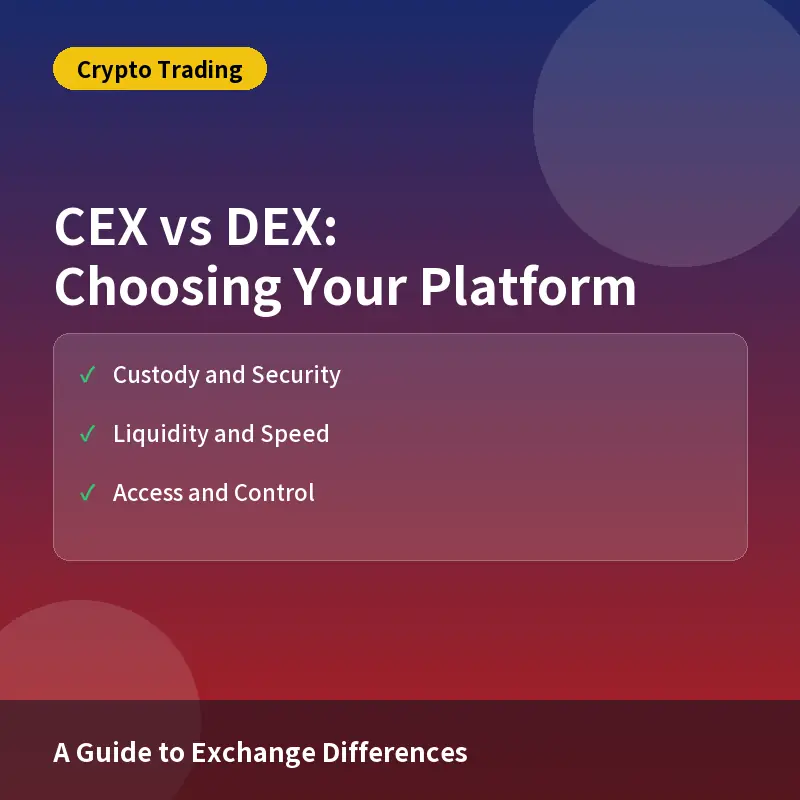
CEXs act as intermediaries providing high liquidity and ease of use, while DEXs operate via smart contracts to offer non-custodial, peer-to-peer trading. Your choice depends on whether you prioritize user experience and recovery options or total control over your private keys.
What are CEX and DEX in Crypto Trading?
Centralized Exchange (CEX) Definition
A Centralized Exchange is a platform operated by a private company that acts as a middleman between buyers and sellers. Users deposit funds into the exchange’s wallets, and the company manages the matching engine and custody of assets.
Decentralized Exchange (DEX) Definition
A Decentralized Exchange is a peer-to-peer marketplace where transactions occur directly on the blockchain through smart contracts. There is no central authority, and users retain full custody of their assets via private keys throughout the entire trading process.
How CEX and DEX Operate
CEX Operational Model
CEXs use an internal database to record trades, which allows for extremely high transaction throughput and low latency. The exchange holds the ‘master keys’ to the pooled assets, enabling features like account recovery and fiat-to-crypto gateways.
DEX Operational Model
DEXs utilize Automated Market Makers (AMM) or order book protocols running on-chain. Every trade requires an interaction with a smart contract, which incurs gas fees. You can observe general market health and liquidity patterns for these protocols on tools like Bull Radar.

QuantPro: AI Finds the Trade Before You Do
From AI-powered chart analysis to real-time market intelligence — everything a serious investor needs, in one platform.
- Automated AI chart analysis with precision trend timing
- Bull Radar: real-time visualization of geopolitical & economic shifts
- Live market-moving news and insights, curated for you
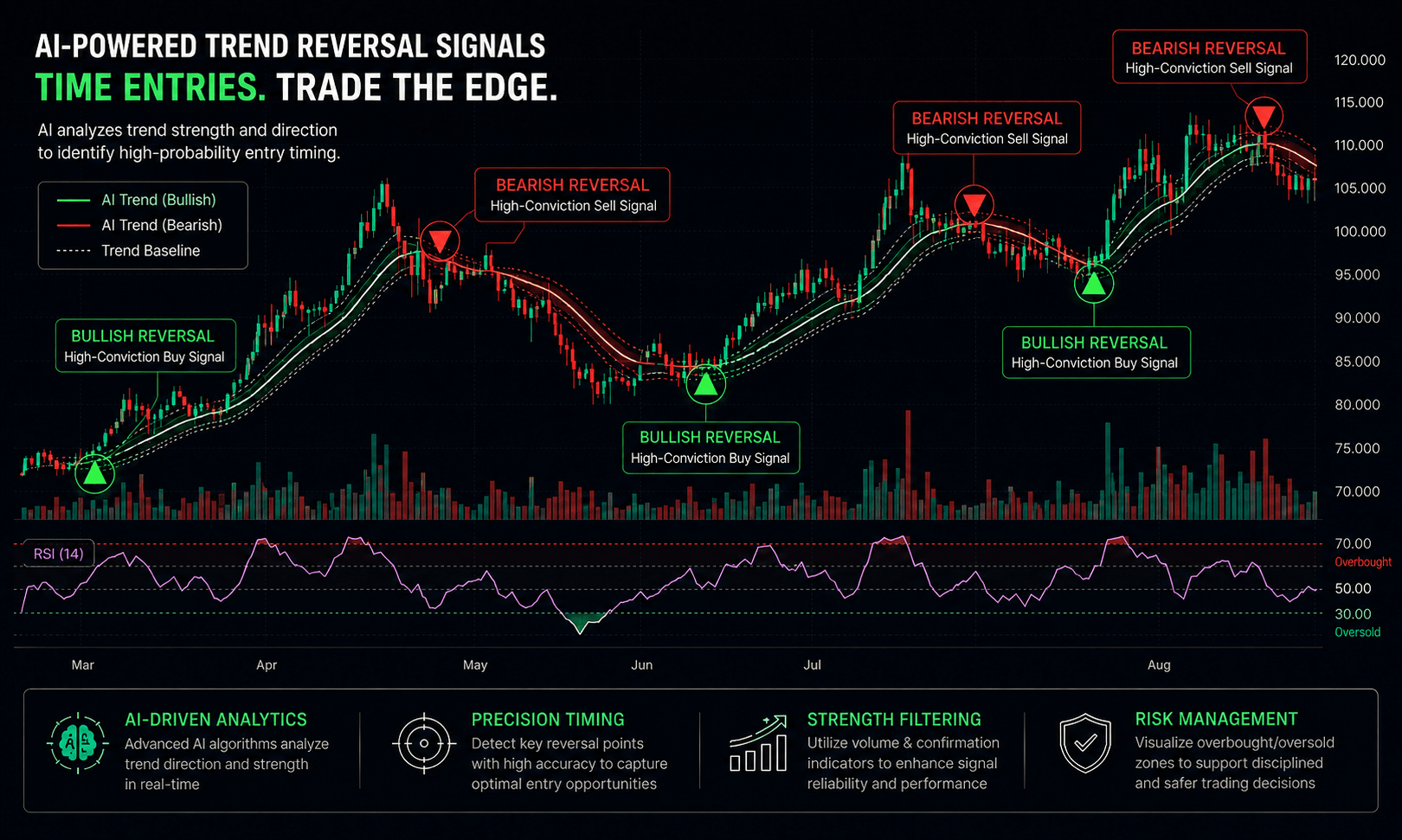
Bull Wave / Bear Wave Forecast Model
Engineered to help you read market direction and momentum faster than the crowd.
- Instantly separate bullish momentum from bearish pressure
- Pinpoint high-probability entry zones with confidence
- Chart signals clear enough for beginners, sharp enough for pros
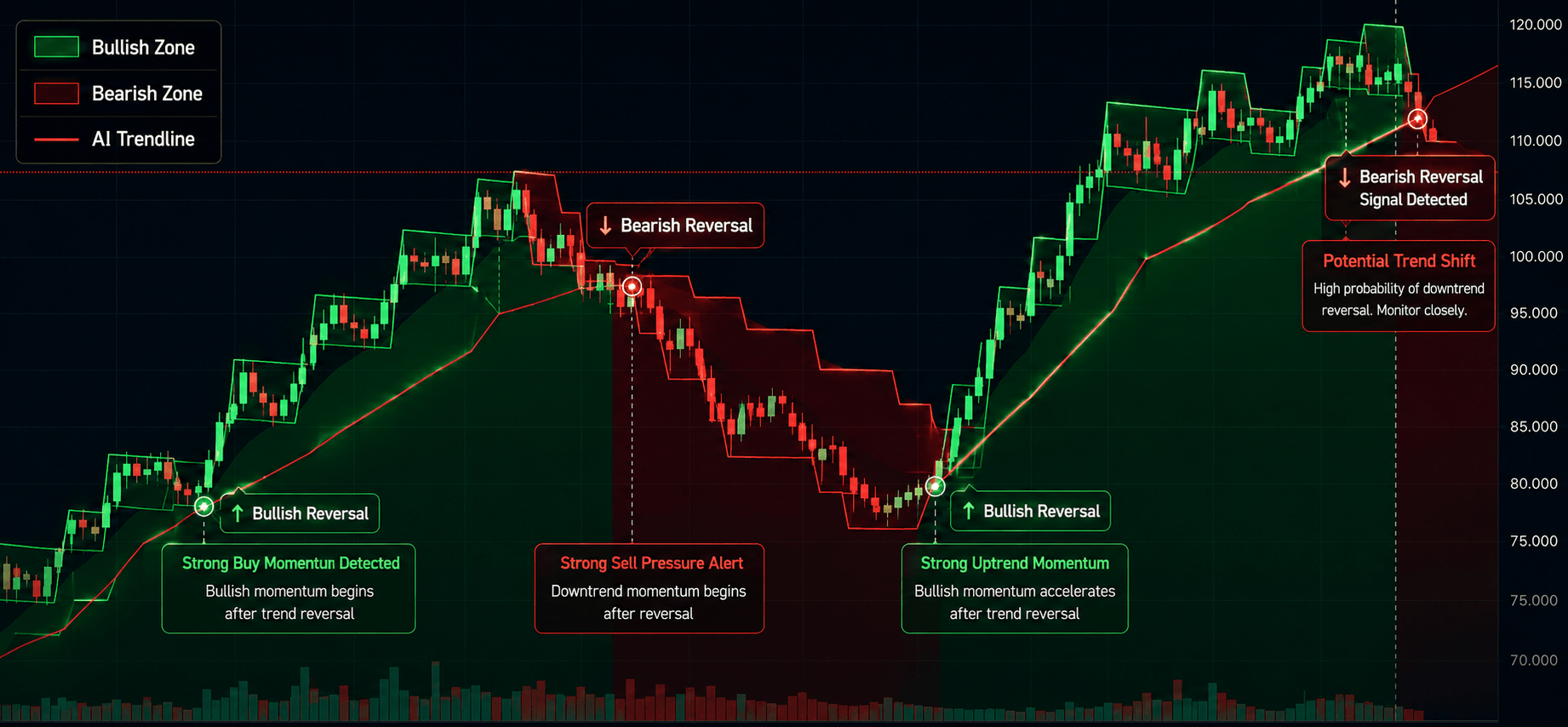
Winning Pattern Detection
Instantly surfaces the high-probability setups that repeat across the charts — a trusted edge for timing your entries and exits.
- Spot momentum building in real time
- Catch trend-reversal points before they break
- Built for active traders who need results, not theory

AI Live Economic Dashboard
AI analyzes real-time market data — turning complex, global investment flows into clear insight in seconds.
- Track global stock markets in real time
- See exactly which assets are strong — and which are fading
- Watch how geopolitical events move the markets
Comparing CEX and DEX: Practical Example
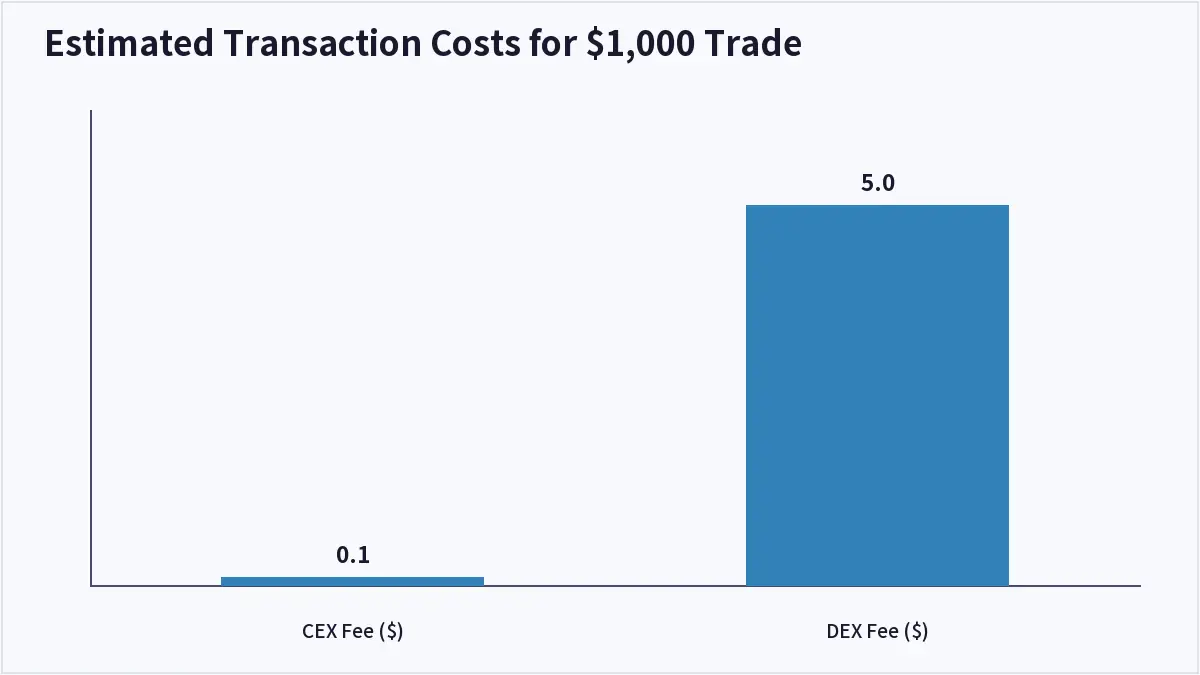
Consider a trader wanting to swap $1,000 worth of tokens. On a CEX, the trade is instant, costs approximately $0.10 in trading fees, and requires no network interaction. On a DEX, the trade is subject to real-time network congestion, costs $5.00 in gas fees, and requires the user to sign a smart contract transaction from their hardware wallet.
Common Mistakes and Misconceptions
Misconception: DEXs are inherently safer
While DEXs remove counterparty risk from the exchange itself, they introduce smart contract risk. If the underlying code has a vulnerability, funds can be drained regardless of who holds the keys.
Mistake: Ignoring custody obligations
Users often treat CEX accounts like bank accounts. It is crucial to remember that on a CEX, ‘not your keys, not your coins.’ Keeping significant long-term holdings on any exchange is risky compared to cold storage.
| Feature | Centralized Exchange (CEX) | Decentralized Exchange (DEX) |
|---|---|---|
| Custody | Exchange-held | User-held |
| KYC/AML | Mandatory | Optional/None |
| Transaction Speed | High (Off-chain) | Variable (On-chain) |
| Account Recovery | Available | Not Possible |
Frequently Asked Questions
Which is better for beginners, CEX or DEX?
CEXs are generally better for beginners due to their intuitive interfaces, fiat-to-crypto support, and account recovery options. They offer a familiar experience similar to traditional stock brokerage apps.
Do I need to do KYC on a DEX?
Most DEXs do not require KYC (Know Your Customer) procedures because they operate on a permissionless blockchain. You simply connect your non-custodial wallet to start trading.
Are my funds safe on a DEX?
DEXs eliminate the risk of the exchange going bankrupt or freezing your assets. However, you are fully responsible for your own security, meaning if you lose your private keys or interact with a malicious contract, your funds may be unrecoverable.
Can I trade any coin on a DEX?
DEXs allow anyone to list a token, meaning you can find new and obscure projects that haven’t been vetted by CEXs. However, this also increases the risk of encountering scams or low-liquidity ‘rug pull’ projects.
Key Takeaways
Choosing between CEX and DEX depends on your comfort level with self-custody and your need for specific trading tools. CEXs provide the convenience and liquidity needed for active, high-frequency trading, while DEXs offer censorship resistance and true ownership for those prioritizing decentralization. This article is for informational purposes only and does not constitute investment advice.
Last updated: 2026-09-18
About the Author