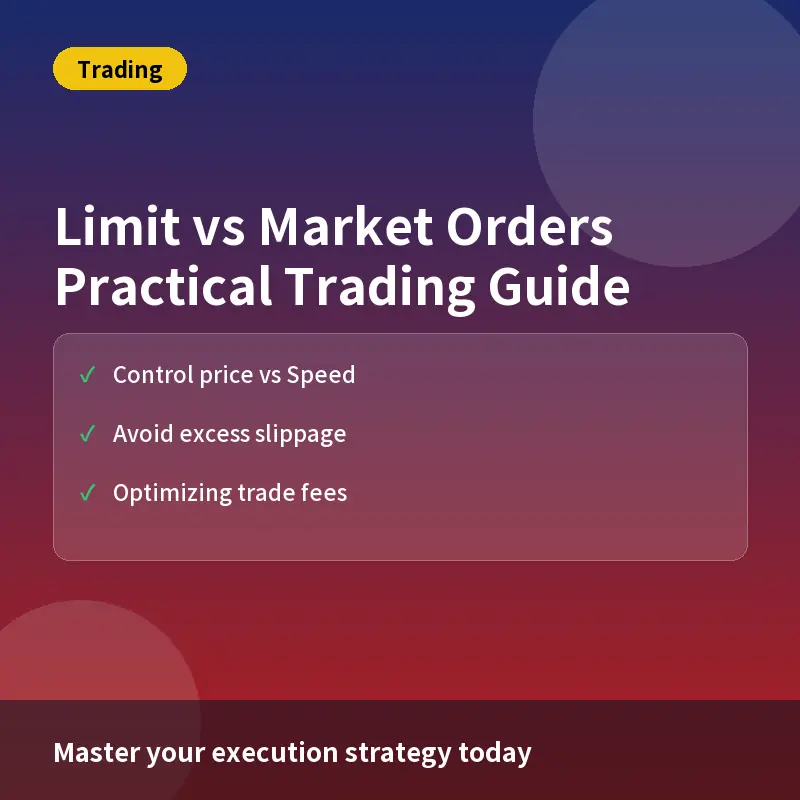
Limit orders allow you to set a specific price to buy or sell, giving you control over execution costs, while market orders prioritize immediate transaction completion at current prices. Choosing between them depends on whether you value price certainty or speed of execution in volatile crypto markets.
Definition of Order Types
A market order is a command to buy or sell an asset immediately at the best available current market price. In contrast, a limit order is an instruction to trade only at a specific price point or better, meaning the order remains pending in the order book until that condition is met or it is canceled.
How Order Execution Works
- Market orders interact with the existing liquidity on the order book, effectively acting as a ‘taker’ which often incurs higher transaction fees.
- Limit orders add liquidity to the exchange, categorizing the trader as a ‘maker’ which frequently attracts lower fee structures.
- You can monitor real-time order depth and liquidity trends using tools like Bull Radar to decide whether your trade size is better suited for a market or limit execution.

QuantPro: AI Finds the Trade Before You Do
From AI-powered chart analysis to real-time market intelligence — everything a serious investor needs, in one platform.
- Automated AI chart analysis with precision trend timing
- Bull Radar: real-time visualization of geopolitical & economic shifts
- Live market-moving news and insights, curated for you
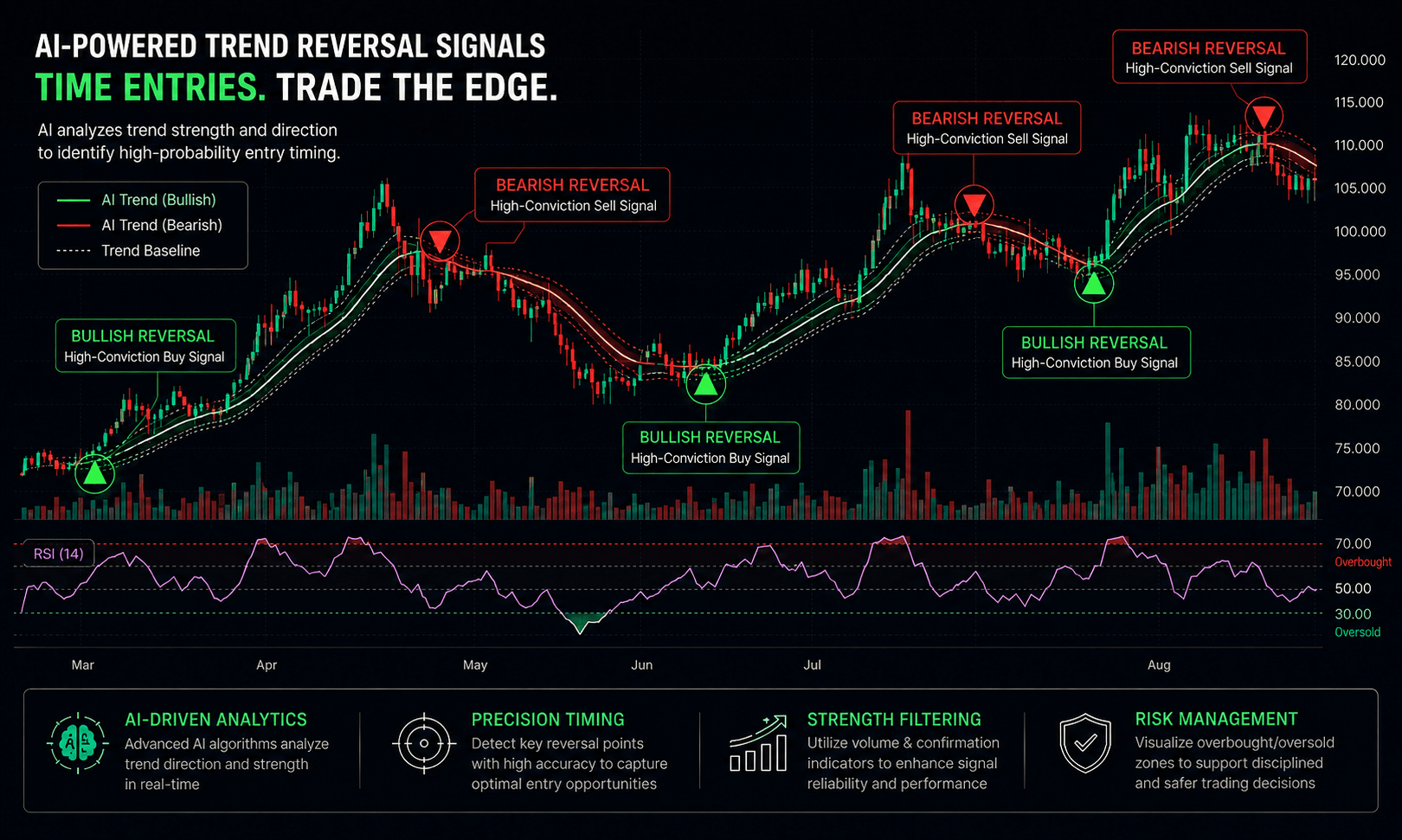
Bull Wave / Bear Wave Forecast Model
Engineered to help you read market direction and momentum faster than the crowd.
- Instantly separate bullish momentum from bearish pressure
- Pinpoint high-probability entry zones with confidence
- Chart signals clear enough for beginners, sharp enough for pros
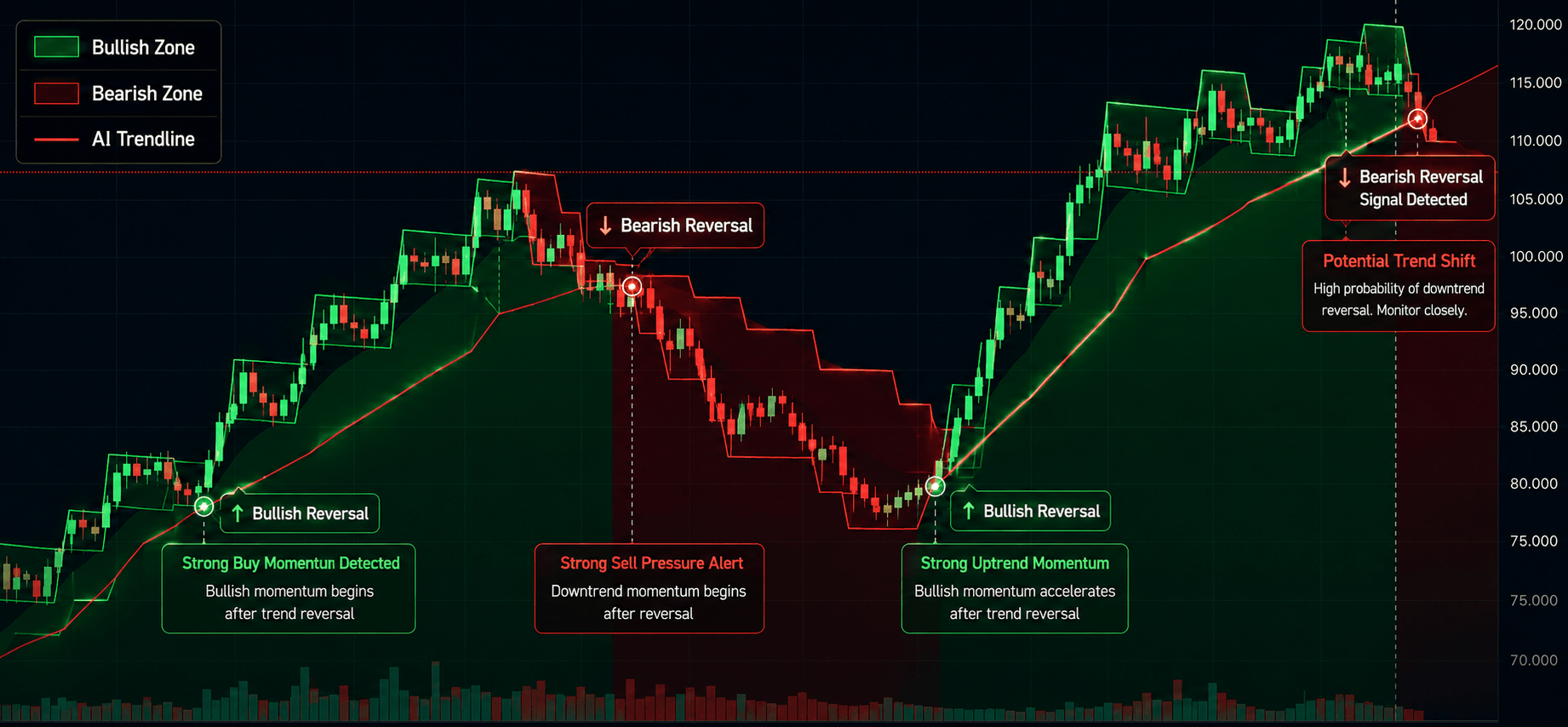
Winning Pattern Detection
Instantly surfaces the high-probability setups that repeat across the charts — a trusted edge for timing your entries and exits.
- Spot momentum building in real time
- Catch trend-reversal points before they break
- Built for active traders who need results, not theory
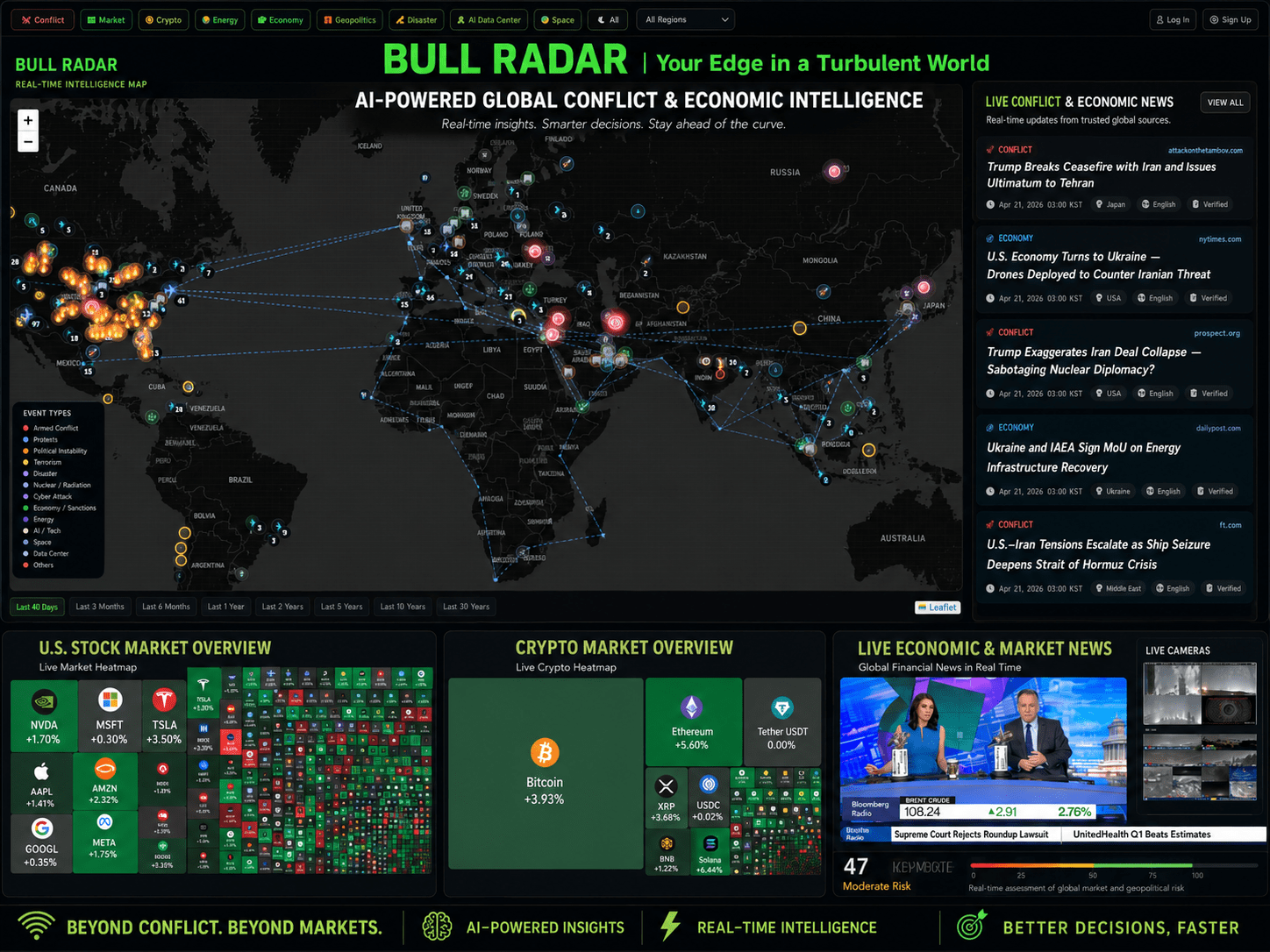
AI Live Economic Dashboard
AI analyzes real-time market data — turning complex, global investment flows into clear insight in seconds.
- Track global stock markets in real time
- See exactly which assets are strong — and which are fading
- Watch how geopolitical events move the markets
Worked Example: Cost Comparison
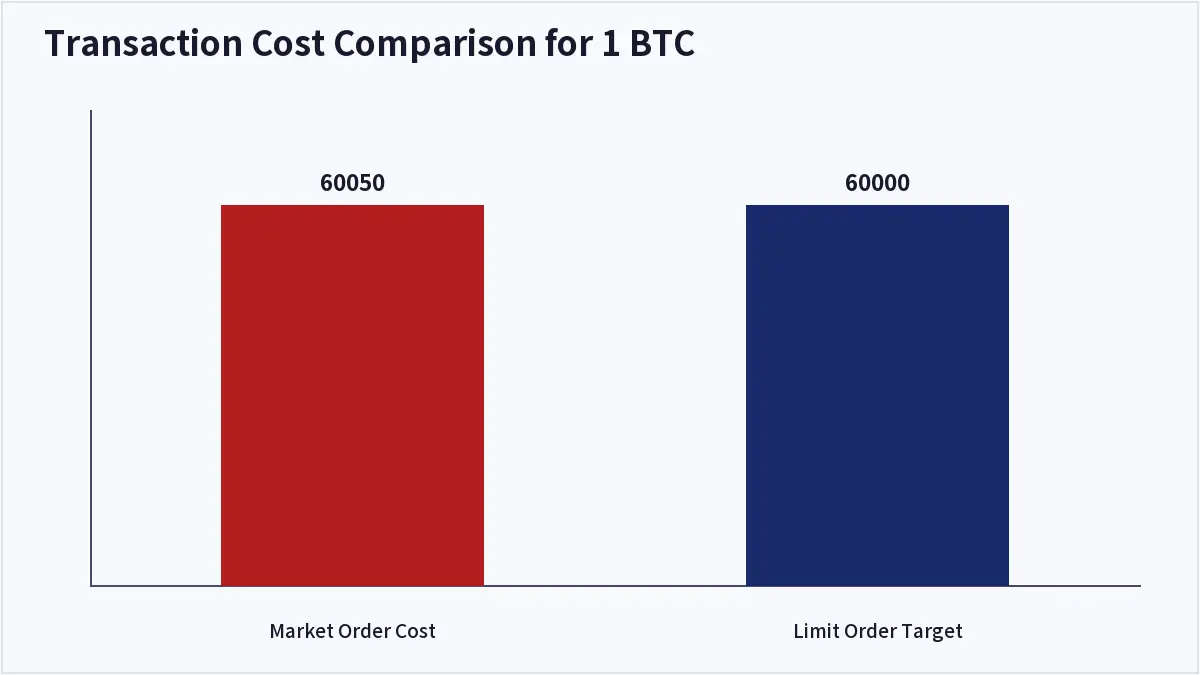
Suppose the current price of Bitcoin is 60,000 USD. If you use a market order to buy 1 BTC, you will execute instantly at the lowest ask price, which might be 60,050 USD due to slippage. If you place a limit order at exactly 60,000 USD, you avoid paying the extra 50 USD premium, though you risk the price moving away from you and the trade never executing.
Common Mistakes and Misconceptions
- Many traders mistakenly assume market orders are always safer, ignoring that in low-liquidity environments, a large market order can trigger significant price slippage.
- Another common error is failing to cancel stale limit orders, which can lead to unexpected executions during periods of high volatility when the price suddenly hits your target.
- Remember that limit orders do not guarantee execution, while market orders guarantee speed but not price.
| Feature | Market Order | Limit Order |
|---|---|---|
| Execution Speed | Instant | Conditional |
| Price Control | None (Best Available) | Fixed |
| Fee Impact | Usually Higher (Taker) | Usually Lower (Maker) |
| Best Used For | High Urgency | Precision Trading |
Frequently Asked Questions
Which order type should I use for day trading?
Day traders often combine both. Use limit orders for entry and exit points to control your risk-to-reward ratio, and keep market orders as an emergency tool to exit positions quickly during sudden market crashes.
Why did my market order fill at a different price than I saw?
This is called slippage. It occurs because market orders consume the available liquidity in the order book, and if your trade volume is large enough, it pushes the price to the next available level in the book.
Are limit orders always better to save on fees?
Limit orders are generally cheaper because they provide liquidity (maker fees), but they are not ‘better’ if you miss a critical breakout or reversal because your limit order remained unfilled.
Can I modify a limit order once it is placed?
Yes, most exchanges allow you to edit the price or quantity of a pending limit order. However, if your order is already partially filled, you can only modify the remaining portion.
Key Takeaways
Choosing the right execution method is a fundamental skill for any crypto investor. By understanding when to prioritize price precision with limit orders and when to prioritize speed with market orders, you can significantly reduce hidden costs like slippage and improve your overall trading efficiency. This article is for informational purposes only and does not constitute investment advice.
Last updated: 2026-09-18
About the Author