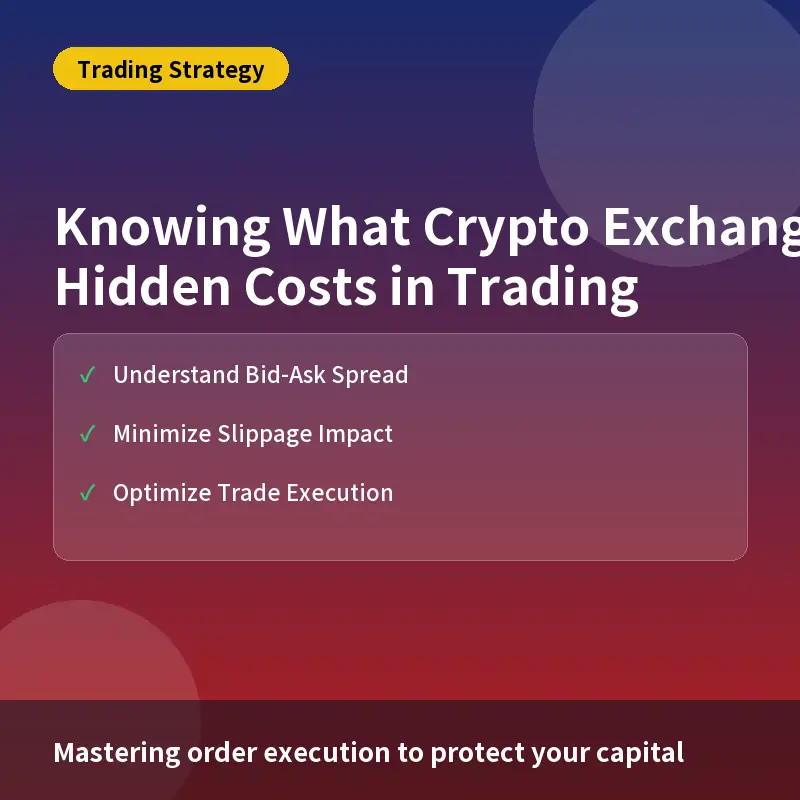
A crypto exchange spread is the difference between the bid and ask price of an asset, which serves as a hidden transaction cost. Even if a trade looks profitable on the surface, a wide spread can significantly diminish your net returns.
What is a Crypto Exchange Spread?
A crypto exchange spread is the gap between the highest price a buyer is willing to pay (bid) and the lowest price a seller is willing to accept (ask). This spread represents the cost of immediacy, as liquidity providers demand a premium for fulfilling orders instantly rather than waiting for a limit order to match. Unlike traditional stock exchanges with strictly regulated market makers, crypto markets can see highly volatile spreads depending on the platform’s liquidity and current market sentiment.
How Exchange Spreads are Calculated and Why They Widen
The Mechanics of Spread Calculation
The spread is calculated simply by subtracting the Bid price from the Ask price. When you place a market order, your trade is executed against the existing order book, meaning you effectively pay the ‘ask’ price to buy or receive the ‘bid’ price when you sell. The efficiency of this process is heavily reliant on market depth, which you can check directly on Bull Radar to identify periods of low liquidity where spreads might expand drastically.
Factors Contributing to Wider Spreads
- Low trading volume on specific pairs.
- Extreme market volatility causing rapid price changes.
- Lack of institutional market makers on smaller exchanges.
- Increased uncertainty surrounding a specific token project.

QuantPro: AI Finds the Trade Before You Do
From AI-powered chart analysis to real-time market intelligence — everything a serious investor needs, in one platform.
- Automated AI chart analysis with precision trend timing
- Bull Radar: real-time visualization of geopolitical & economic shifts
- Live market-moving news and insights, curated for you
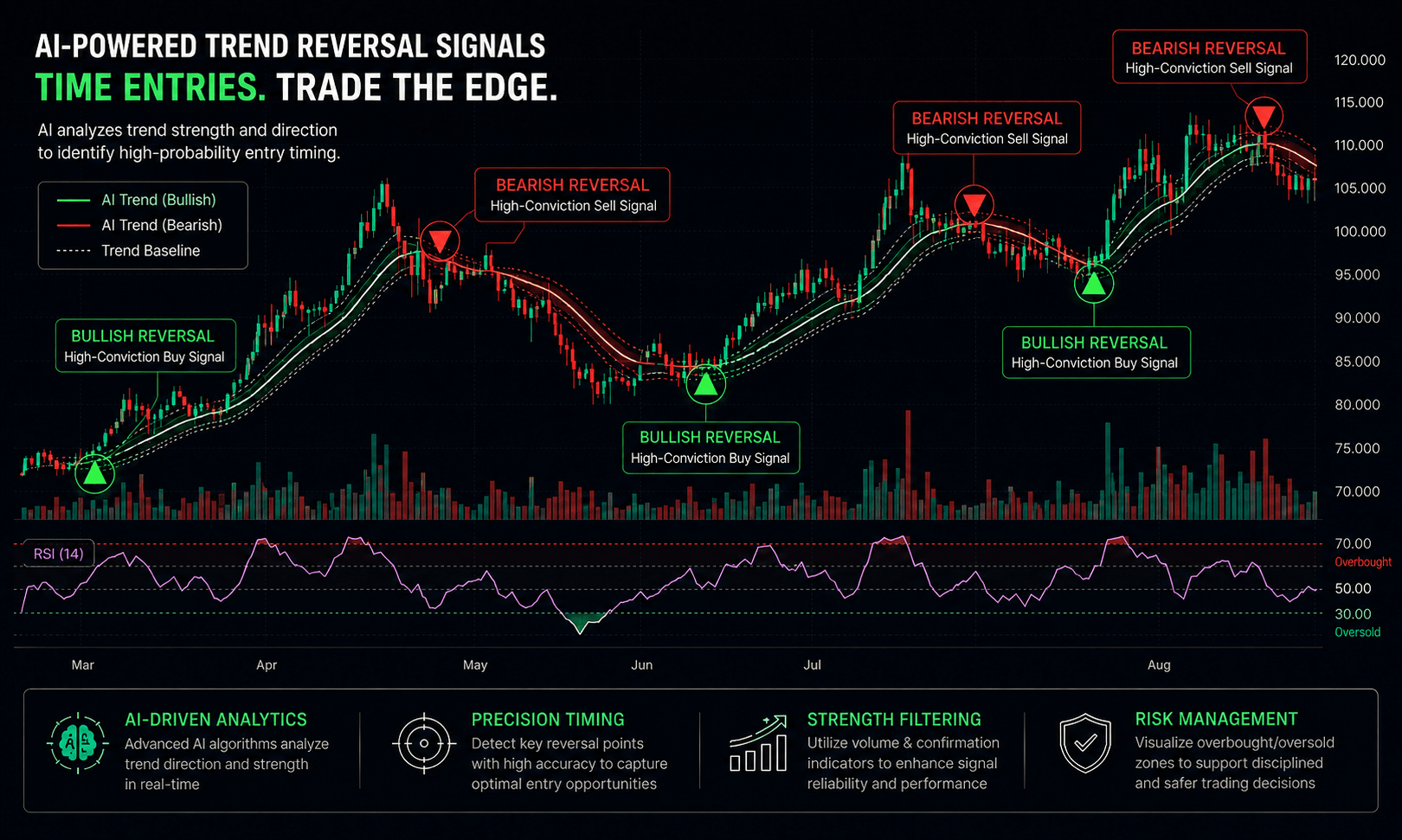
Bull Wave / Bear Wave Forecast Model
Engineered to help you read market direction and momentum faster than the crowd.
- Instantly separate bullish momentum from bearish pressure
- Pinpoint high-probability entry zones with confidence
- Chart signals clear enough for beginners, sharp enough for pros
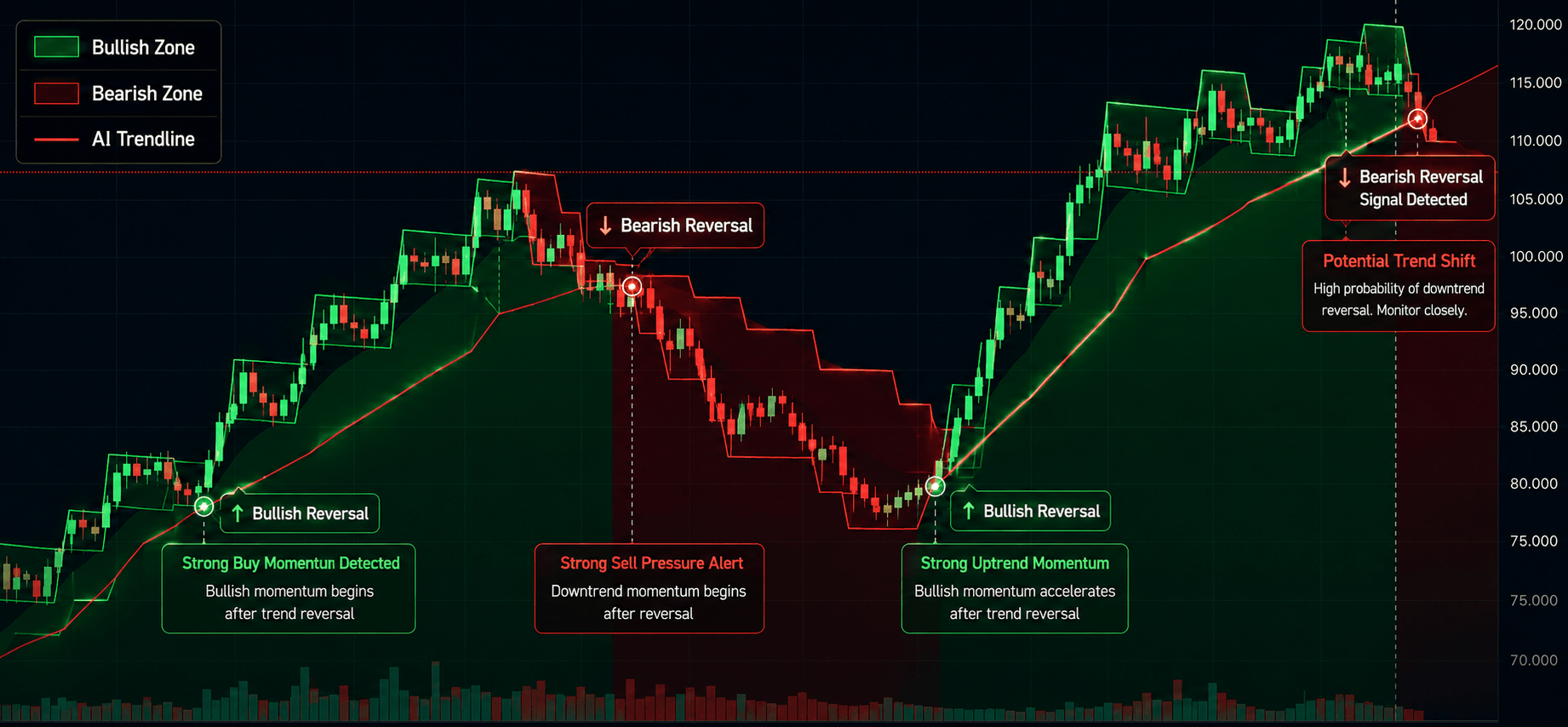
Winning Pattern Detection
Instantly surfaces the high-probability setups that repeat across the charts — a trusted edge for timing your entries and exits.
- Spot momentum building in real time
- Catch trend-reversal points before they break
- Built for active traders who need results, not theory
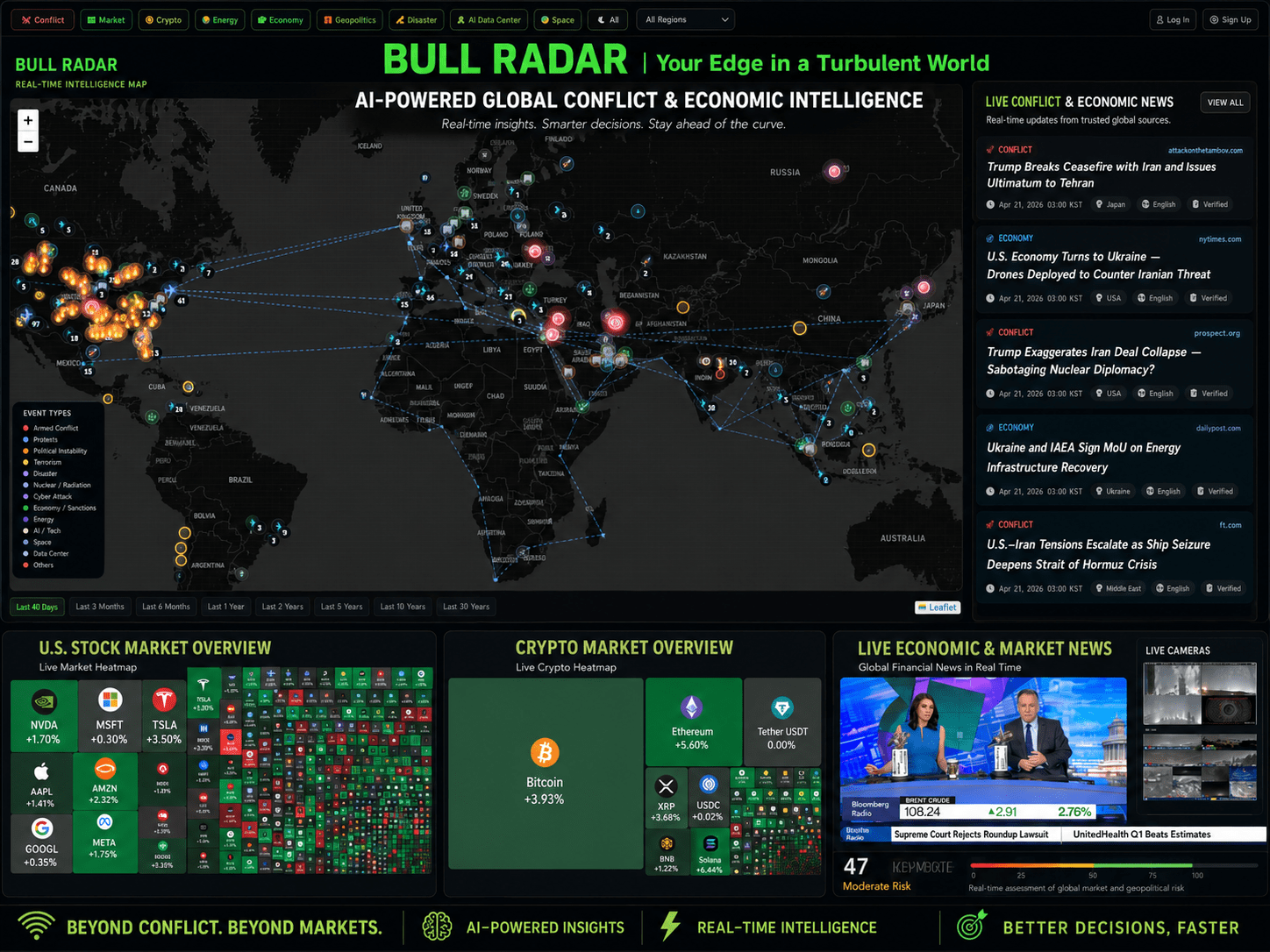
AI Live Economic Dashboard
AI analyzes real-time market data — turning complex, global investment flows into clear insight in seconds.
- Track global stock markets in real time
- See exactly which assets are strong — and which are fading
- Watch how geopolitical events move the markets
Worked Example: The Real Cost of a Wide Spread
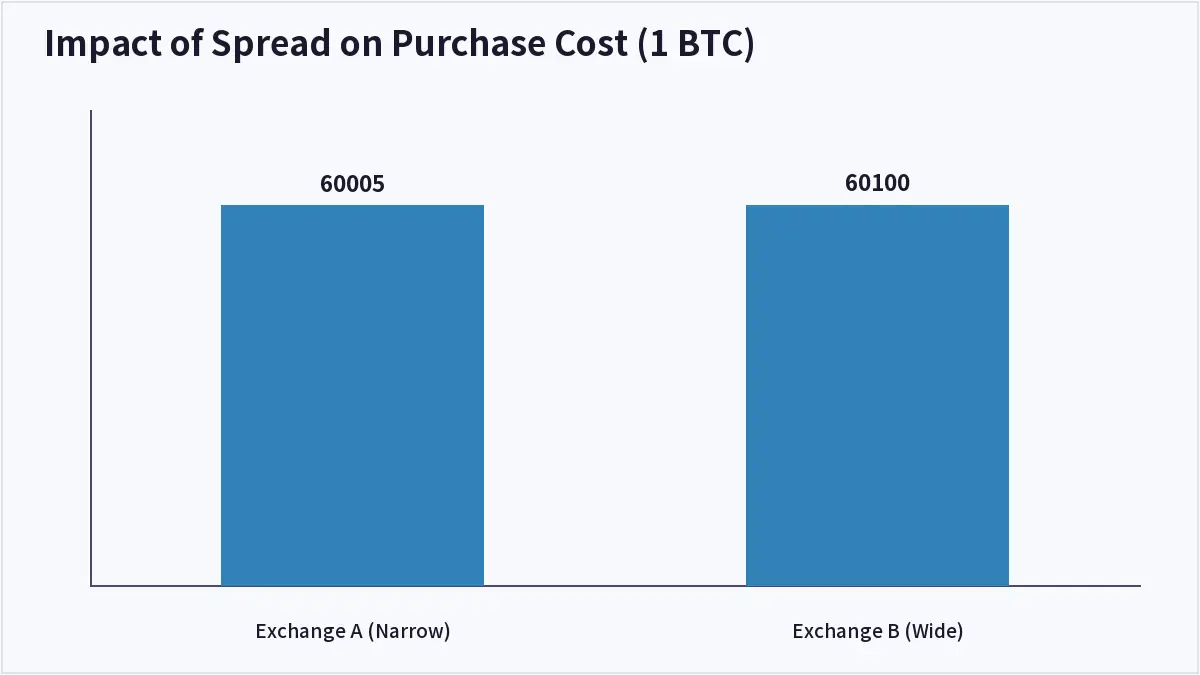
Consider a scenario where you want to purchase Bitcoin on two different platforms. On Exchange A, the order book shows a Bid of $60,000 and an Ask of $60,005, resulting in a $5 spread. On Exchange B, which has lower liquidity, the Bid is $60,000 but the Ask is $60,100, resulting in a $100 spread. If you buy 1 BTC on Exchange B, you pay $95 more than you would have on Exchange A simply due to the wider spread. This difference is often overlooked by traders who only look at the ‘last traded price’ shown on the main dashboard.
Common Mistakes and Misconceptions
The most frequent mistake is assuming the price displayed on a portfolio tracker is the exact price you will get when hitting ‘Buy’. Many traders fail to account for slippage, which is the difference between the expected price and the actual execution price. Other common pitfalls include:
- Ignoring order book depth during high-volatility events.
- Relying solely on market orders instead of limit orders to bypass spread costs.
- Overestimating liquidity on low-cap altcoins that rarely trade.
- Neglecting the impact of transaction fees in addition to the spread.
| Metric | High Liquidity Market | Low Liquidity Market |
|---|---|---|
| Bid-Ask Spread | Very Narrow ($1-$2) | Wide ($50-$200+) |
| Slippage Risk | Minimal | High |
| Execution Speed | Instant | Delayed or Partial |
Frequently Asked Questions
Why is the price I pay different from the price I see on the screen?
The price on your screen is often the ‘last traded price,’ but your actual order is filled at the ‘ask’ price in the order book. If liquidity is thin, the ask price can be significantly higher than the last traded price.
How can I avoid high spreads?
You can minimize spread costs by using limit orders instead of market orders. Limit orders allow you to set your specific price and wait for a match, ensuring you are not forced to take the worst available market price.
Does a wider spread always mean the asset is bad?
No, a wide spread usually indicates low market liquidity or high volatility. It suggests that there are fewer participants trading that specific asset, making it harder to enter or exit a large position without affecting the price.
What is the relationship between slippage and spread?
The spread is the baseline cost of entering a market. Slippage occurs when your order is so large that it consumes the available liquidity at the best price, forcing the exchange to fill the remainder of your order at progressively worse prices.
Key Takeaways
Understanding crypto exchange spreads is vital for protecting your capital from hidden costs that erode profitability. By focusing on order book depth, using limit orders, and accounting for potential slippage, you can make more informed decisions that move beyond the superficial price indicators. This article is for informational purposes only and does not constitute investment advice.
Last updated: 2026-09-18
About the Author