Why Buybacks Tend to Move Prices
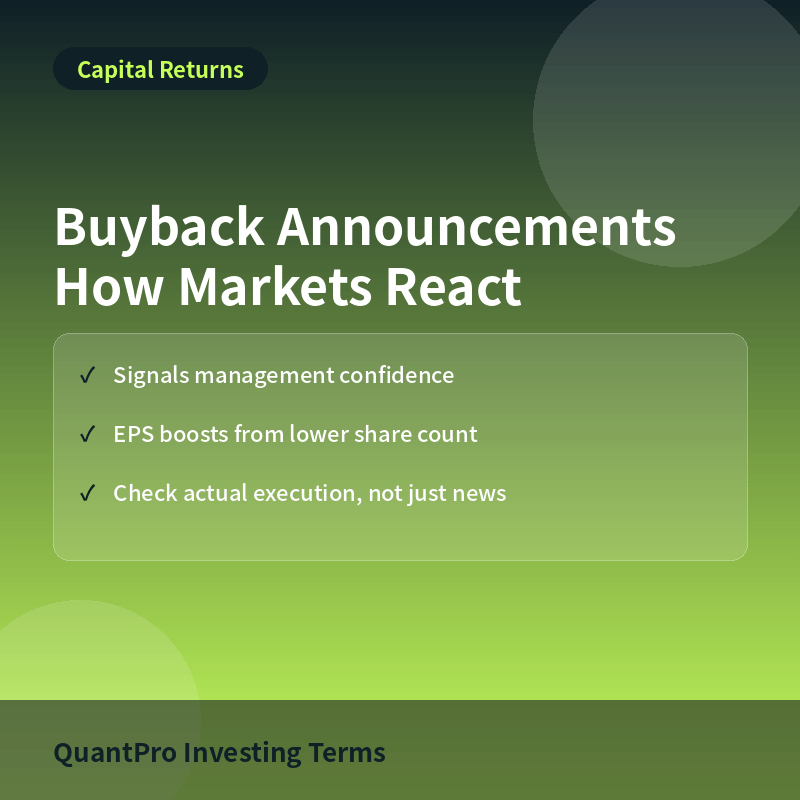
A share buyback reduces the number of shares outstanding, which mechanically increases earnings per share even if total net income stays flat. Beyond the mechanical EPS effect, a buyback announcement is often read as a signal that management believes the stock is undervalued relative to its intrinsic worth, which can itself move the price independently of the EPS math.
Why the Announcement Alone Isn’t the Full Story
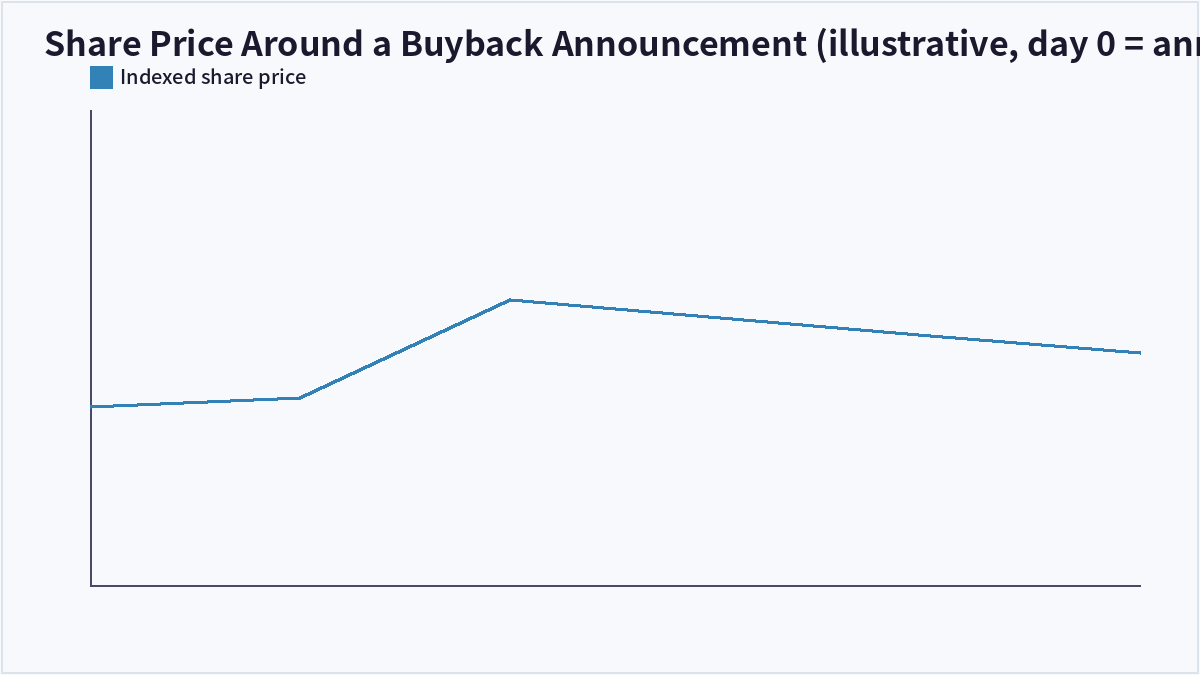
Companies sometimes announce large buyback authorizations but only execute a fraction of the announced amount, or repeatedly extend the buyback window without completing it. Because the market eventually observes actual repurchase activity through subsequent disclosures, a large gap between the announced authorization and the executed amount can lead to some of the initial price reaction fading once that gap becomes apparent.
Why Whether Shares Are Retired Matters
Repurchased shares that are simply held in treasury rather than formally retired can eventually be reissued for employee stock compensation or other purposes, which limits the long-term shareholder benefit. Shares that are actually retired permanently reduce the share count, locking in the EPS benefit — checking whether a buyback program includes a retirement commitment is a meaningful distinction that’s often overlooked.
What to Check Before Reacting to a Buyback Headline
The size of the authorization relative to shares outstanding, the timeframe over which it’s meant to be executed, and whether retirement is explicitly part of the plan are all worth checking in the actual filing rather than the headline alone. Tracking quarterly disclosures of actual shares repurchased against the announced plan over time helps distinguish companies that follow through from those that don’t.
| Check Point | Favorable Signal | Cautionary Signal |
|---|---|---|
| Authorization size | Meaningful % of shares outstanding (3%+) | Small, largely symbolic amount |
| Retirement commitment | Explicitly stated in the plan | Not addressed or unclear |
| Execution track record | High follow-through vs. plan | Repeated delays or extensions |
Frequently Asked Questions
Is it always a good idea to buy right after a buyback announcement?
The initial reaction is often positive, but since much of that reaction can already be priced in by the time the news is public, some investors prefer to watch execution follow-through over subsequent quarters rather than reacting to the headline alone.
Are dividends or buybacks better for shareholders?
Dividends provide immediate, taxable cash returns, while buybacks (especially with retirement) return value indirectly through a higher per-share ownership stake, letting the investor choose the timing of any tax event by choosing when to sell — which is preferable depends on the individual investor’s circumstances.
Where can I check actual buyback execution?
Quarterly and annual filings typically disclose the actual number of shares and dollar amount repurchased during the period, which can be compared directly against the originally announced authorization to gauge follow-through.
Can a buyback announcement ever be viewed negatively?
Yes — if a company directs cash toward buybacks instead of reinvesting in growth opportunities or research and development, some investors interpret that as a signal the company sees limited attractive growth options ahead, which can be read as a cautionary sign depending on the company’s stage and industry.
Key Takeaways
Buyback announcements often move share prices favorably through both the mechanical EPS effect and the signal of management confidence, but confirming the authorization size, whether shares will be retired, and the company’s actual execution track record matters as much as the initial headline reaction. This article is for informational purposes only and does not constitute investment advice.

QuantPro: AI Finds the Trade Before You Do
From AI-powered chart analysis to real-time market intelligence — everything a serious investor needs, in one platform.
- Automated AI chart analysis with precision trend timing
- Bull Radar: real-time visualization of geopolitical & economic shifts
- Live market-moving news and insights, curated for you
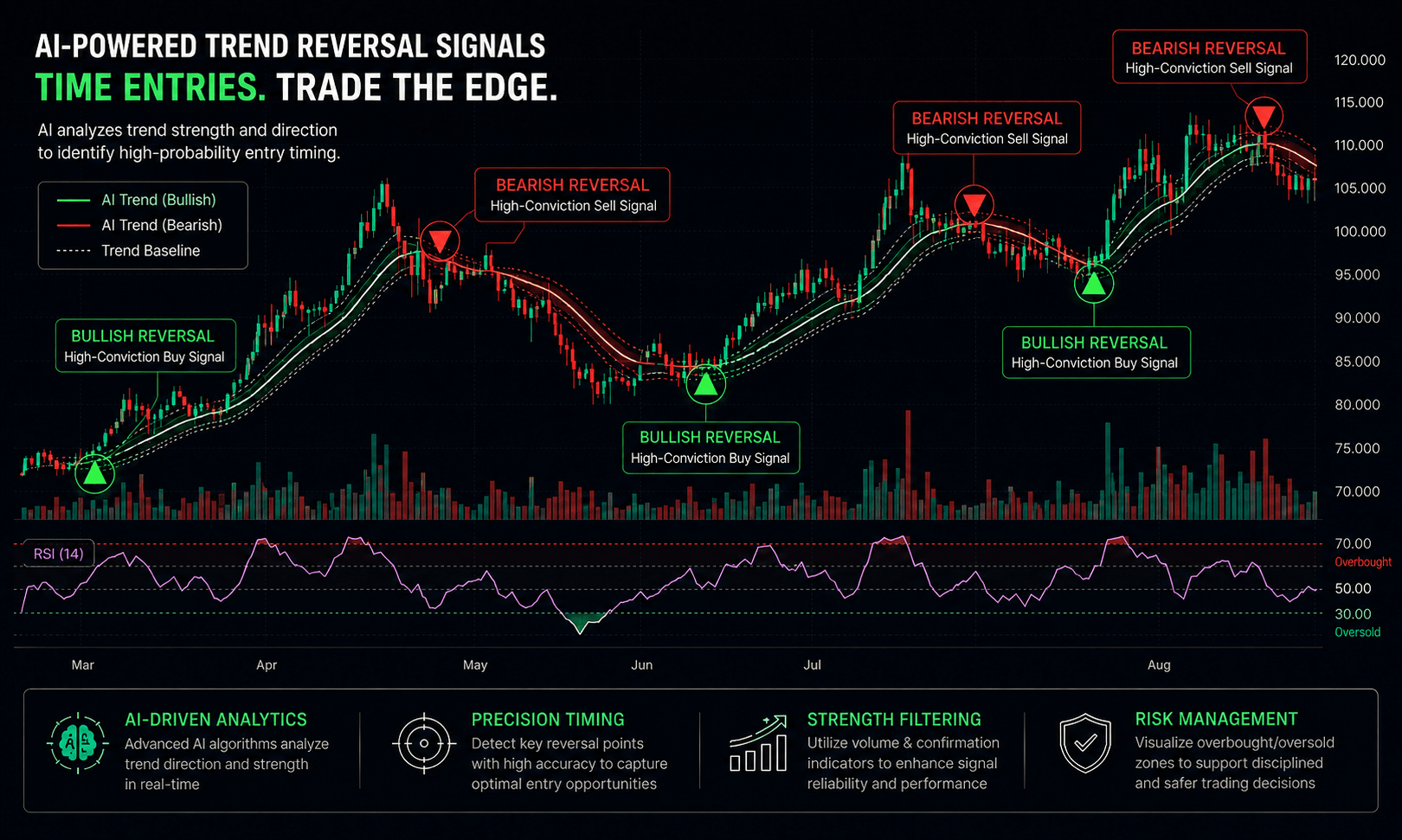
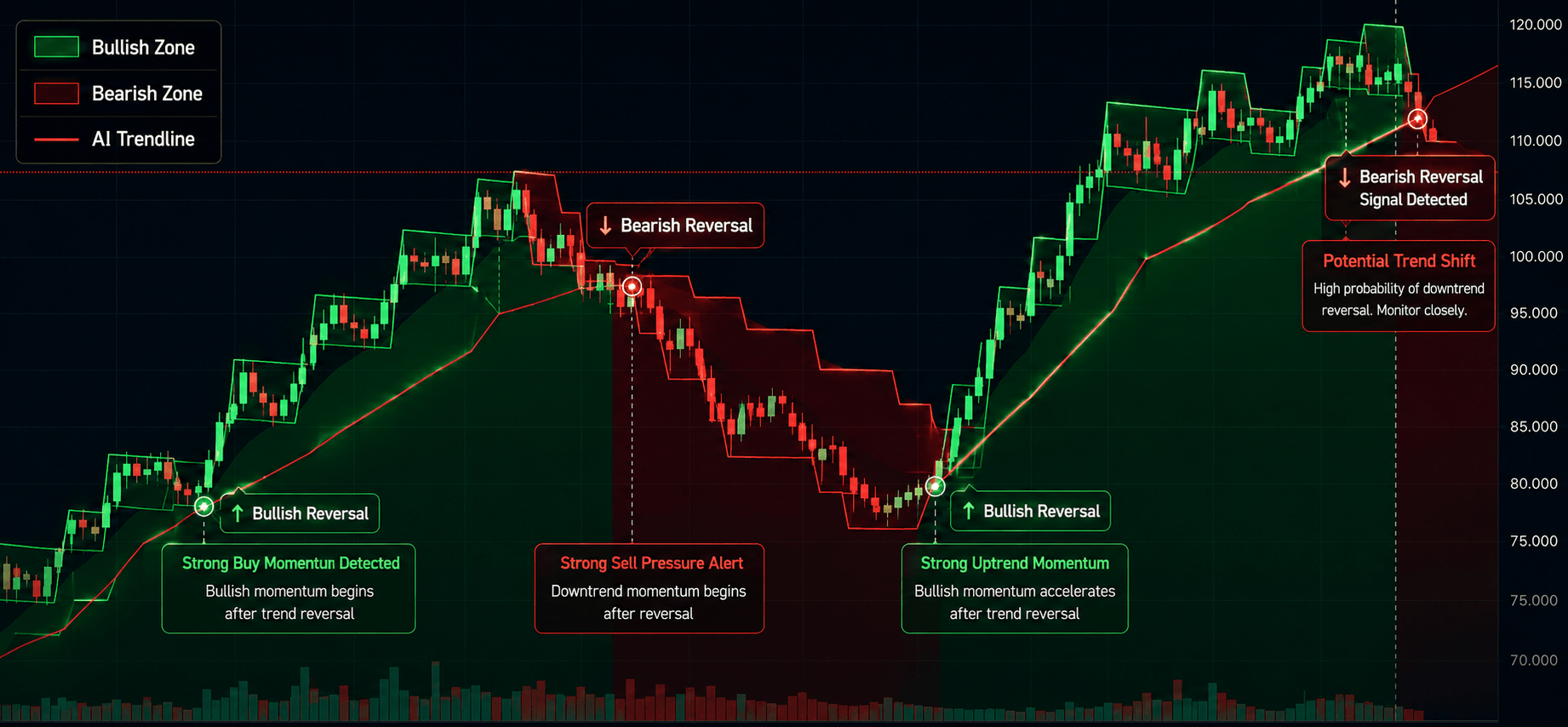
Bull Wave / Bear Wave Forecast Model
Engineered to help you read market direction and momentum faster than the crowd.
- Instantly separate bullish momentum from bearish pressure
- Pinpoint high-probability entry zones with confidence
- Chart signals clear enough for beginners, sharp enough for pros
Winning Pattern Detection
Instantly surfaces the high-probability setups that repeat across the charts — a trusted edge for timing your entries and exits.
- Spot momentum building in real time
- Catch trend-reversal points before they break
- Built for active traders who need results, not theory

AI Live Economic Dashboard
AI analyzes real-time market data — turning complex, global investment flows into clear insight in seconds.
- Track global stock markets in real time
- See exactly which assets are strong — and which are fading
- Watch how geopolitical events move the markets
About the Author