What Triple Witching Is
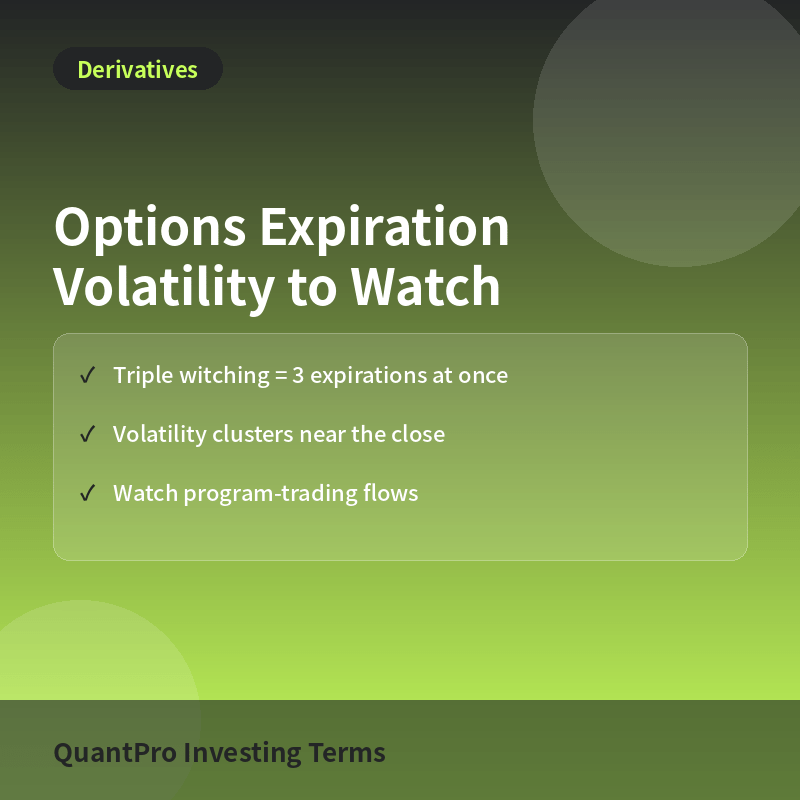
Triple witching refers to the quarterly expiration of stock index futures, stock index options, and single-stock options all on the same trading day — occurring on the third Friday of March, June, September, and December in the US. The simultaneous unwinding or rolling of positions across all three instrument types generates unusually large trading volumes concentrated into a single session.
Why Volatility Tends to Spike
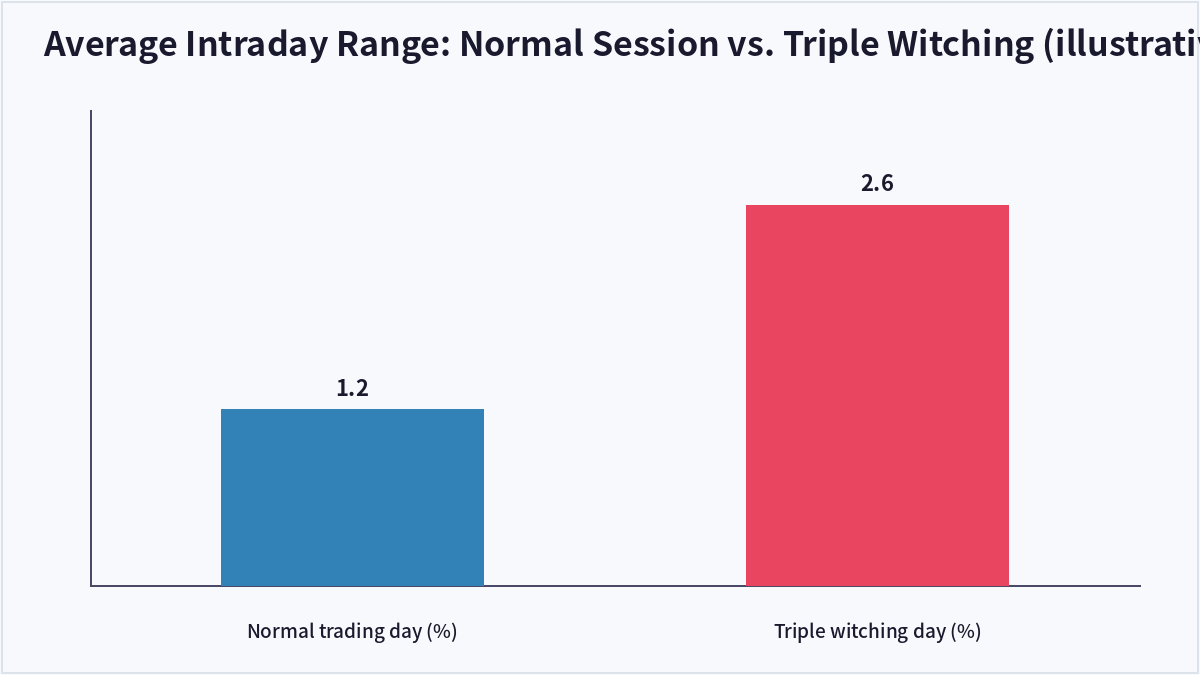
Institutional investors running arbitrage and hedging strategies between futures and the underlying stocks often need to close out or roll their positions as expiration approaches, which can generate large, concentrated buy or sell orders in specific stocks. This activity frequently clusters into the closing auction, producing sharp, hard-to-predict price swings in that final trading window.
Practical Considerations for Short-Term Traders
Short-term traders sometimes view the closing volatility around triple witching as a trading opportunity, but the price action is driven largely by mechanical rebalancing flows that are genuinely difficult to predict in direction, which is why many practitioners lean toward reducing position size and widening stops during this window rather than opening aggressive new positions.
Considerations for Longer-Term Investors
For investors with a multi-year horizon, the elevated volatility of a single triple-witching session is rarely worth reacting to directly. Since the price swings on this day are frequently driven by mechanical flow rather than a change in company fundamentals, using that day’s price action alone as a signal for buying or selling is generally not advisable.
| Session Type | Characteristic | Practical Response |
|---|---|---|
| Normal trading day | Typical intraday volatility | Standard position sizing |
| Triple witching, regular hours | Somewhat elevated volatility | Modestly reduce position size |
| Triple witching, closing auction | Volume and volatility spike | Avoid new positions into the close |
Frequently Asked Questions
When exactly does triple witching occur?
In the US, it falls on the third Friday of March, June, September, and December. Some markets also have a ‘quadruple witching’ when single-stock futures expire simultaneously as well.
Does trading volume also increase on these days?
Yes, substantially — the simultaneous unwinding and rolling of positions across futures and options typically drives trading volume and dollar turnover well above a typical session’s levels.
Can retail traders meaningfully exploit this pattern?
Predicting the direction of institutional rebalancing flows without detailed order-flow data is genuinely difficult, so most of the practical value for retail traders comes from being aware of the elevated risk around this session rather than trying to actively trade the volatility itself.
What typically happens the trading day after triple witching?
Volatility distorted by the expiration-related flows often normalizes relatively quickly once positions have been fully unwound or rolled, though this is a general tendency rather than a guaranteed pattern in every instance.
Key Takeaways
Triple witching sessions, when three types of derivatives expire simultaneously, have tended to show elevated volatility driven mainly by mechanical institutional rebalancing rather than fundamentals, making the closing auction a period to manage risk carefully rather than a reliable opportunity to open new directional bets. This article is for informational purposes only and does not constitute investment advice.

QuantPro: AI Finds the Trade Before You Do
From AI-powered chart analysis to real-time market intelligence — everything a serious investor needs, in one platform.
- Automated AI chart analysis with precision trend timing
- Bull Radar: real-time visualization of geopolitical & economic shifts
- Live market-moving news and insights, curated for you
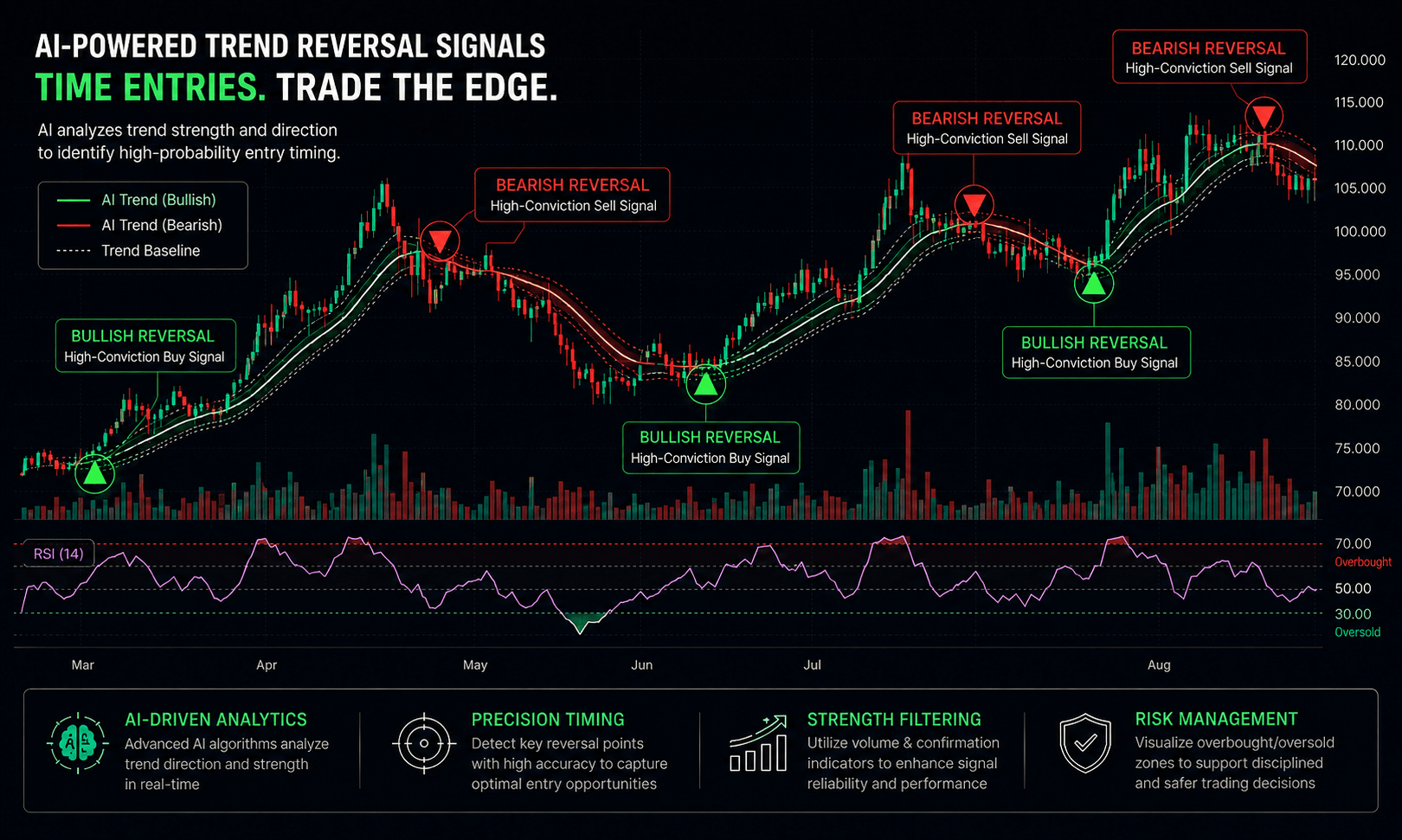
Bull Wave / Bear Wave Forecast Model
Engineered to help you read market direction and momentum faster than the crowd.
- Instantly separate bullish momentum from bearish pressure
- Pinpoint high-probability entry zones with confidence
- Chart signals clear enough for beginners, sharp enough for pros
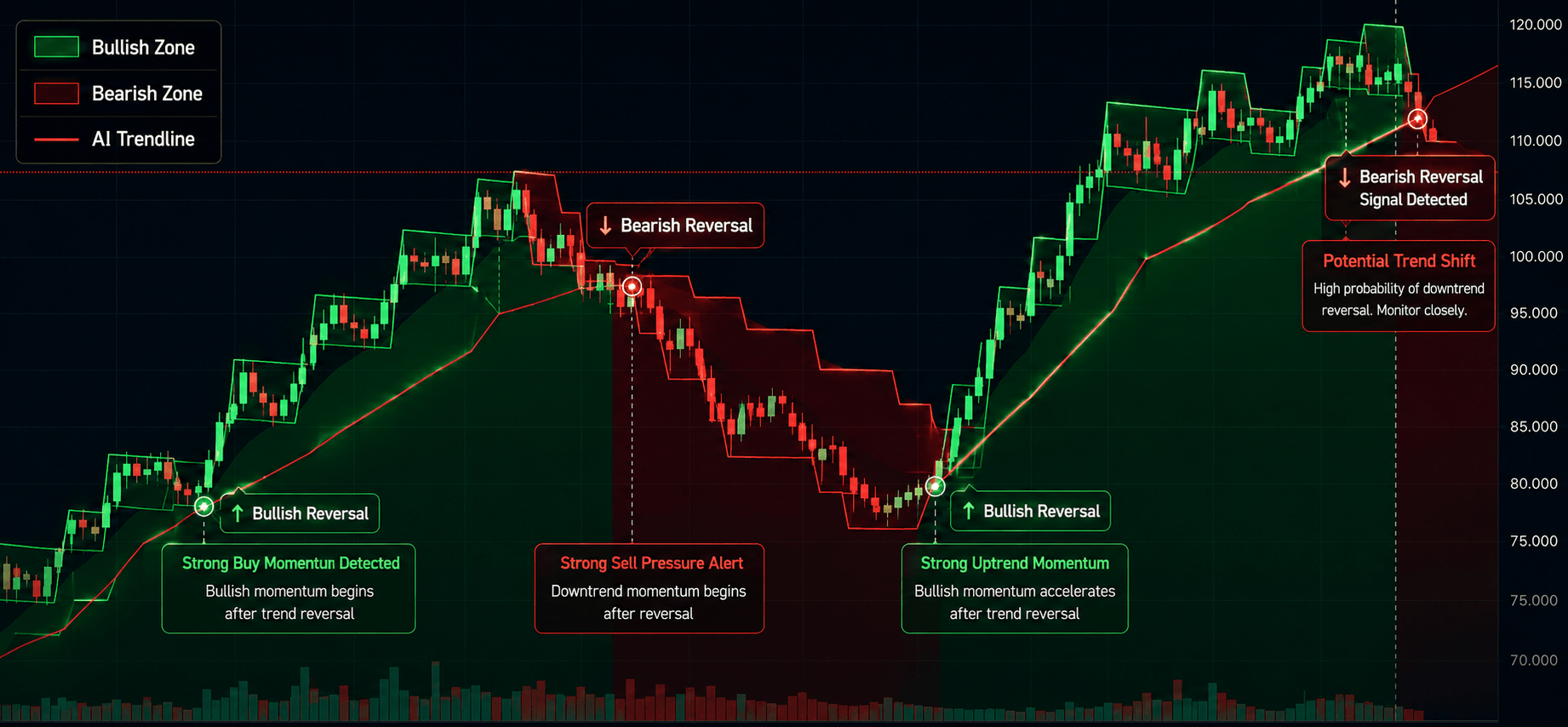
Winning Pattern Detection
Instantly surfaces the high-probability setups that repeat across the charts — a trusted edge for timing your entries and exits.
- Spot momentum building in real time
- Catch trend-reversal points before they break
- Built for active traders who need results, not theory
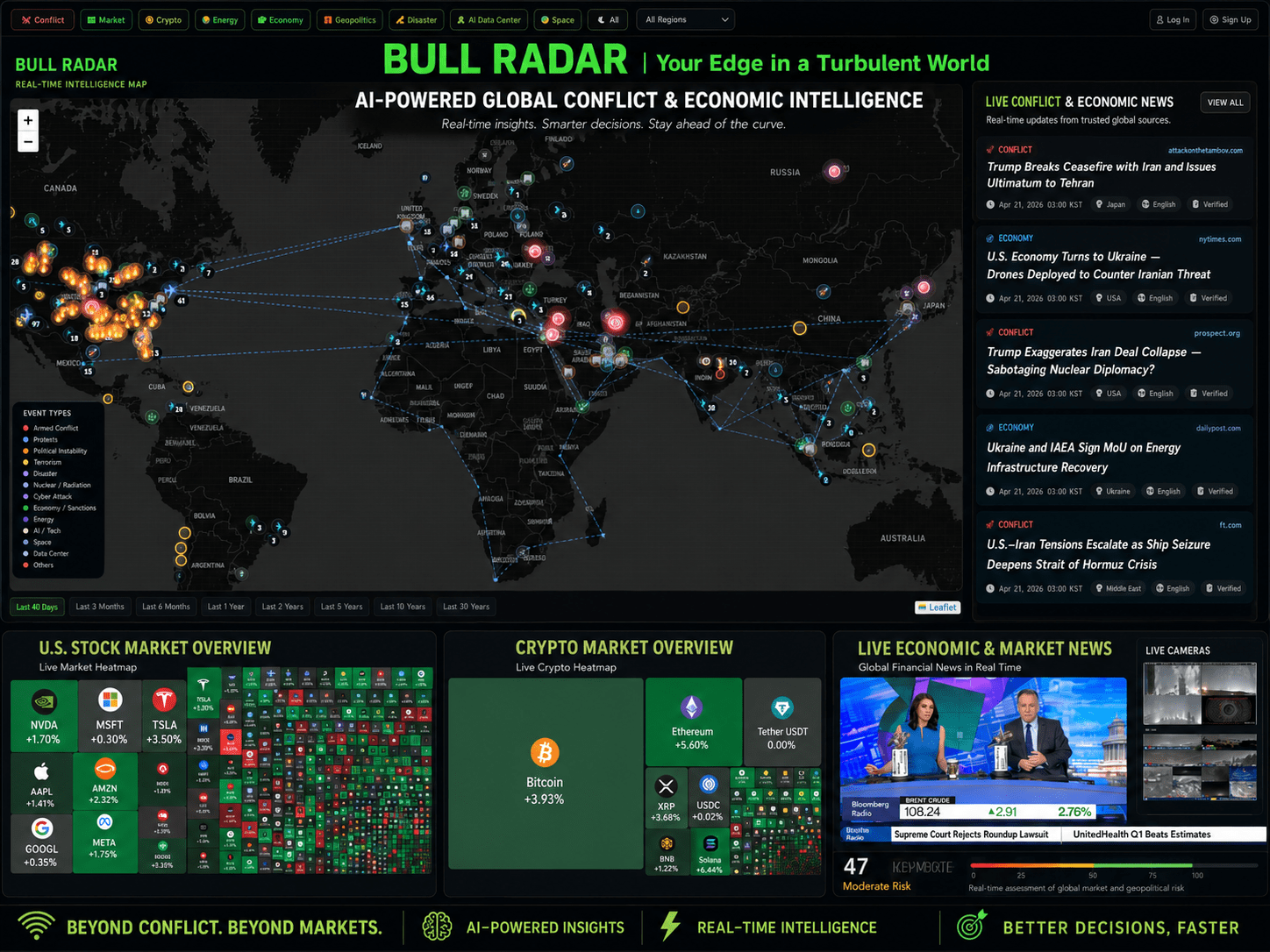
AI Live Economic Dashboard
AI analyzes real-time market data — turning complex, global investment flows into clear insight in seconds.
- Track global stock markets in real time
- See exactly which assets are strong — and which are fading
- Watch how geopolitical events move the markets
About the Author