What Contango and Backwardation Mean
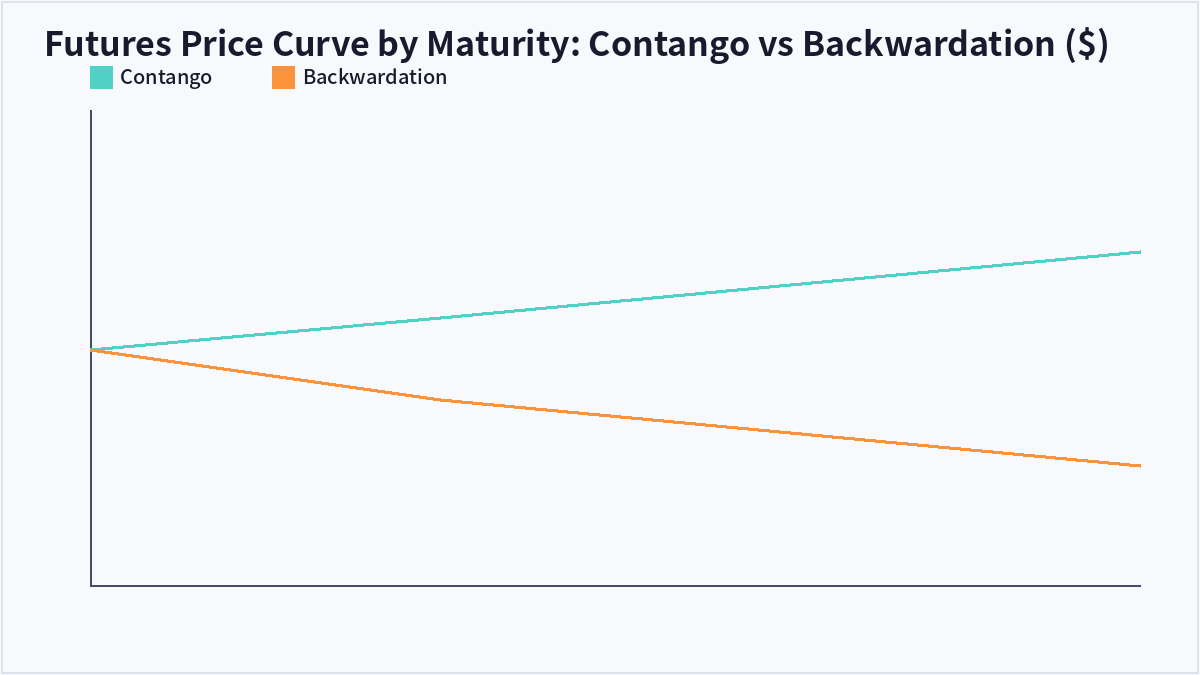
Contango describes a futures market where longer-dated contracts trade at progressively higher prices than the spot price. Backwardation is the opposite: futures prices fall the further out the delivery date, sitting below the current spot price. Both patterns are common in commodity, energy, and agricultural futures, and which one is ‘normal’ depends on the underlying asset.
Why the Curve Takes This Shape: Cost of Carry
The theoretical futures price follows the cost-of-carry model: spot price plus storage costs plus financing costs, minus any convenience yield. When storage and financing costs outweigh convenience yield, the curve slopes up into contango. When near-term scarcity pushes up the value of holding the physical commodity right now, convenience yield spikes and the curve flips into backwardation.
Normal Markets vs Inverted Markets
Assets like gold or Treasuries, which are cheap to store and reliably supplied, tend to sit in a gentle, persistent contango. Oil, by contrast, can flip into backwardation quickly when inventories draw down sharply or a geopolitical shock threatens near-term supply.
Why It Matters: Roll Yield
Commodity futures ETFs must repeatedly sell an expiring contract and buy the next month’s contract — a process called rolling. In contango, that means buying a more expensive contract every cycle, creating a persistent negative roll yield: the ETF can lose money even if the spot price is flat. In backwardation, the ETF rolls into a cheaper contract each cycle, generating a positive roll yield instead.
| Structure | Price Relationship | Roll Yield | Typical Condition |
|---|---|---|---|
| Contango | Futures > Spot | Negative | Ample supply, stable inventory |
| Backwardation | Futures < Spot | Positive | Tight supply, inventory drawdown |
Frequently Asked Questions
Does holding a contango commodity ETF long term always lose money?
Rising spot prices can offset some of the roll cost, but persistent negative roll yield often drags total returns below what the spot price alone would suggest, especially the wider the contango and the longer the holding period.
Is backwardation always a bullish signal?
No — backwardation reflects near-term supply tightness and a positive roll yield, not a guaranteed price direction. It says nothing definitive about where spot prices are headed.
Why does oil so often trade in contango?
Oil storage and insurance costs are meaningful, and inventories are frequently ample enough that the convenience yield of holding physical barrels right now is modest — though a sudden supply shock can flip the curve into backwardation quickly.
How can I check whether a futures curve is in contango or backwardation?
Compare the settlement prices of different delivery months on the exchange: if farther-dated contracts are priced higher than near-dated ones, the market is in contango; if lower, it’s in backwardation.
Key Takeaways
Contango and backwardation describe how futures prices relate to spot prices across maturities, and this relationship is the root cause of the roll yield that can make or break a commodity futures ETF’s real-world return. Checking the shape of the futures curve, not just the spot price, matters before investing. This article is for informational purposes only and does not constitute investment advice.

QuantPro: AI Finds the Trade Before You Do
From AI-powered chart analysis to real-time market intelligence — everything a serious investor needs, in one platform.
- Automated AI chart analysis with precision trend timing
- Bull Radar: real-time visualization of geopolitical & economic shifts
- Live market-moving news and insights, curated for you
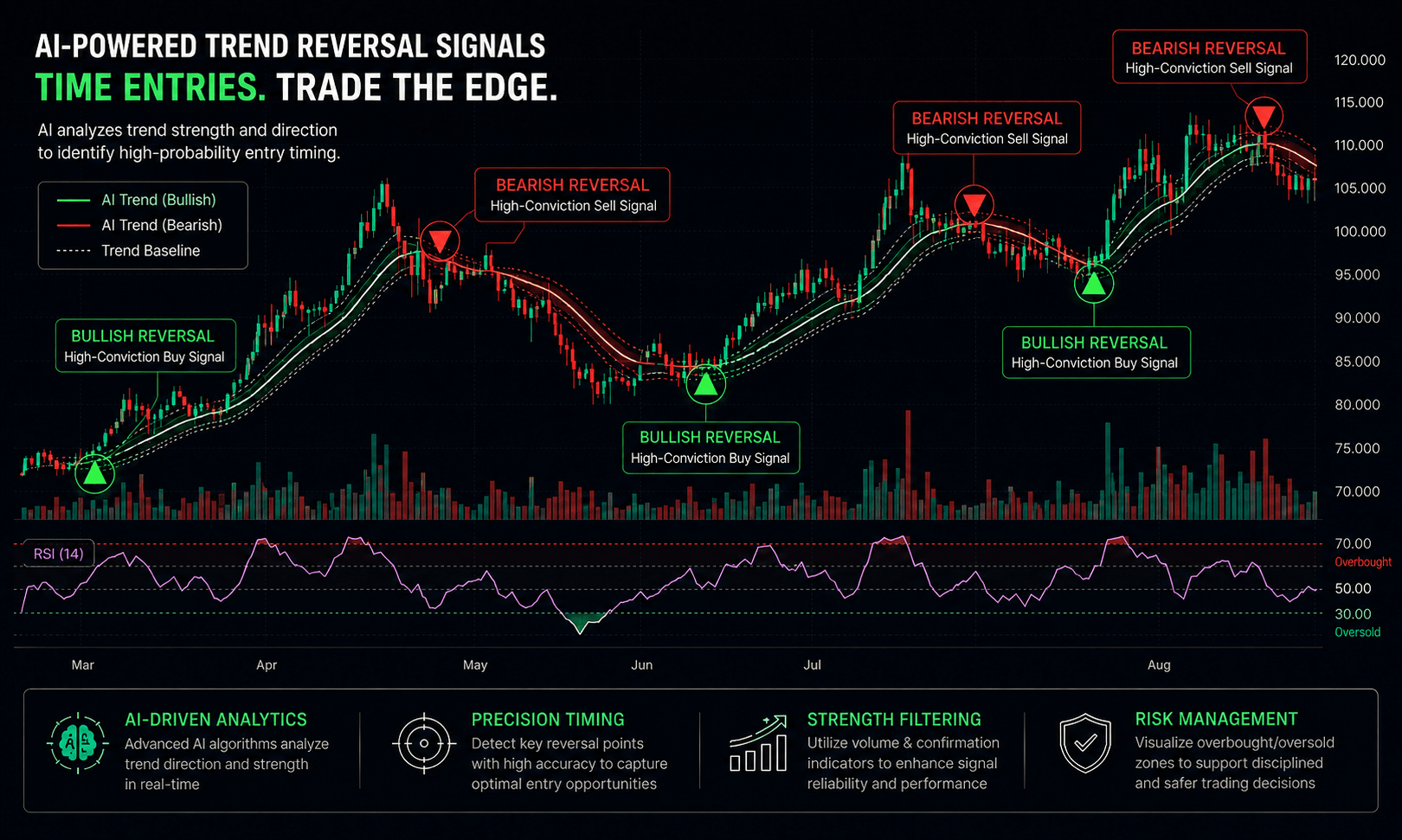
Bull Wave / Bear Wave Forecast Model
Engineered to help you read market direction and momentum faster than the crowd.
- Instantly separate bullish momentum from bearish pressure
- Pinpoint high-probability entry zones with confidence
- Chart signals clear enough for beginners, sharp enough for pros
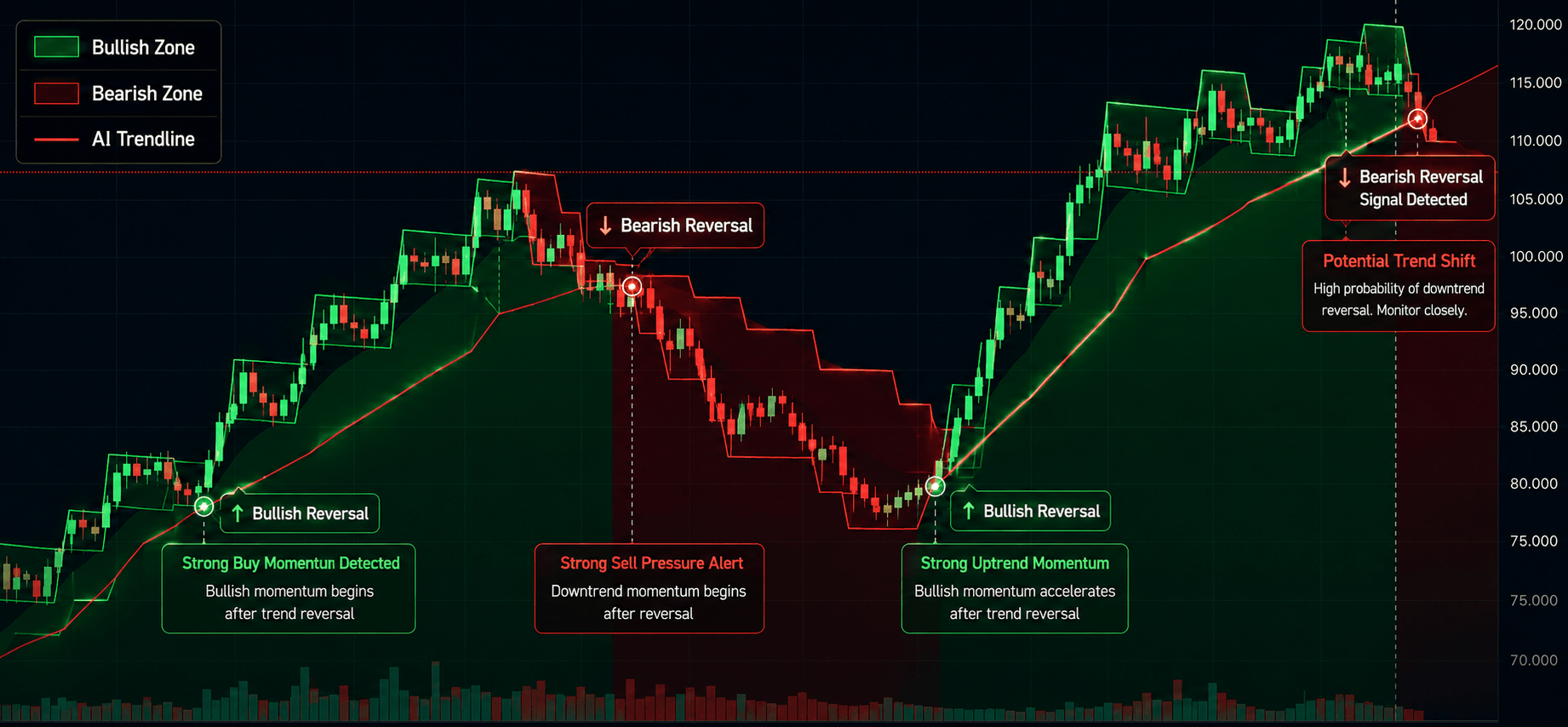
Winning Pattern Detection
Instantly surfaces the high-probability setups that repeat across the charts — a trusted edge for timing your entries and exits.
- Spot momentum building in real time
- Catch trend-reversal points before they break
- Built for active traders who need results, not theory
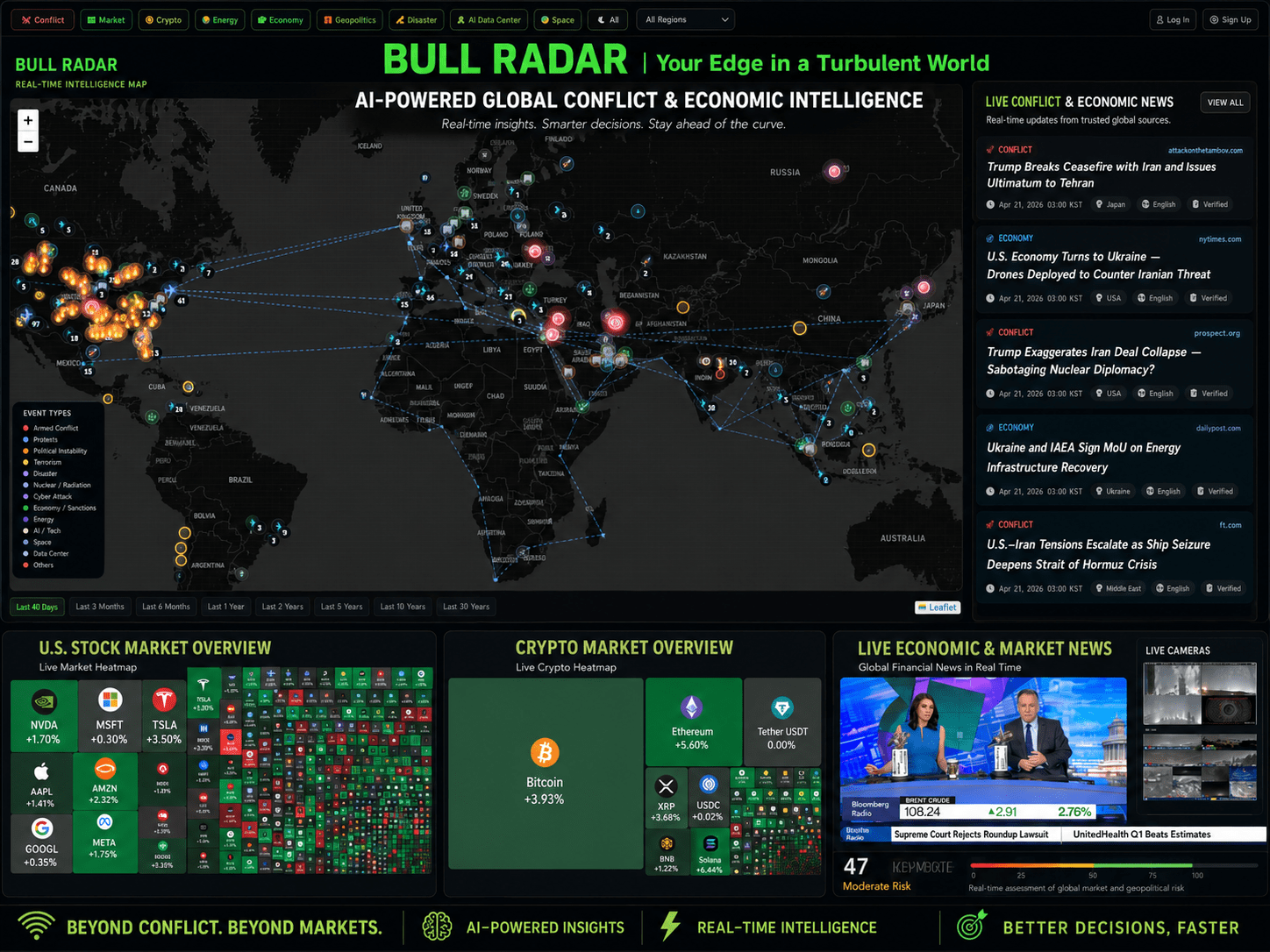
AI Live Economic Dashboard
AI analyzes real-time market data — turning complex, global investment flows into clear insight in seconds.
- Track global stock markets in real time
- See exactly which assets are strong — and which are fading
- Watch how geopolitical events move the markets
About the Author