How a Covered Call ETF Is Built
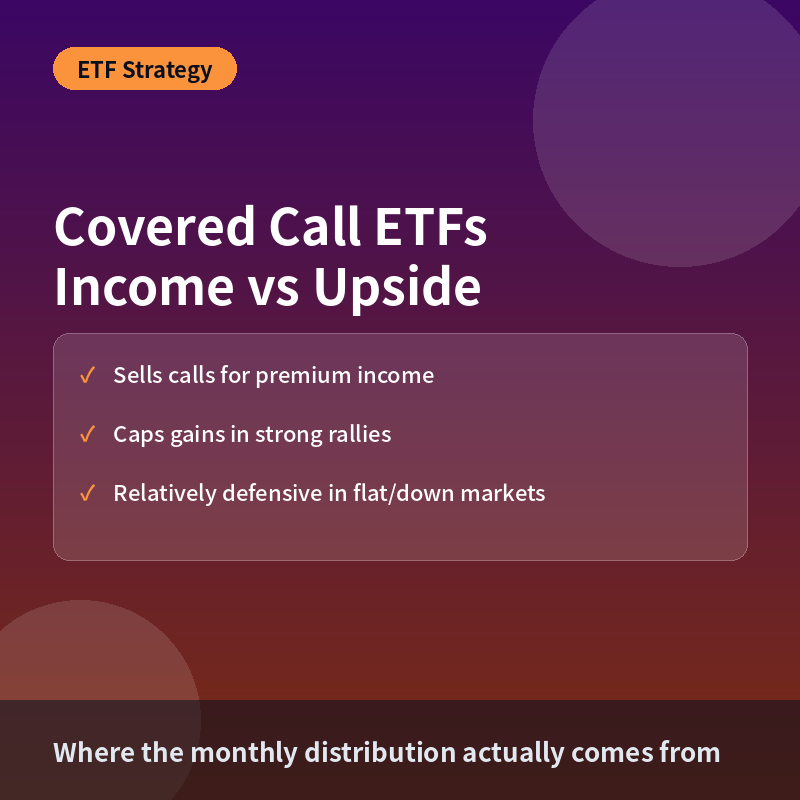
A covered call ETF holds an underlying index and simultaneously sells call options on that same index, collecting the option premium as income. Because that premium is paid out as distributions — often monthly — these funds can advertise a much higher yield than a plain index fund.
Why Gains Are Capped in a Rally
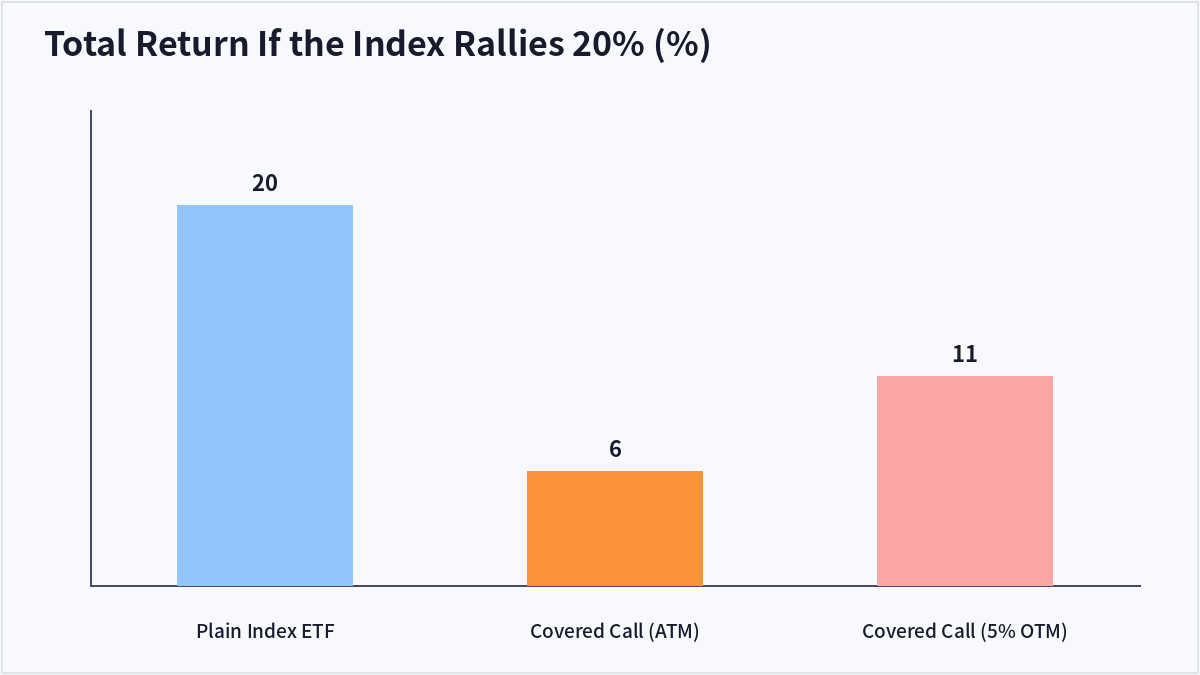
Selling a call option means agreeing to hand over any gains above the strike price to the option buyer, in exchange for the premium received upfront. If the index rallies well past the strike, the ETF holder only keeps the premium plus gains up to the strike — the rest of the rally is given away. This ceiling is known as the ‘upside cap.’
The Relative Strength in Flat or Down Markets
When the index trades sideways or drifts lower, the sold call options frequently expire worthless, letting the fund keep the full premium — which can make covered call ETFs outperform a plain index fund on a total-return basis in choppy markets. In a sharp downturn, though, the premium is rarely enough to fully offset the loss.
How Strike and Expiry Choices Change the Trade-off
Selling calls closer to the current price (at-the-money) generates more premium but sets a tighter upside cap; selling further out-of-the-money calls collects less premium but preserves more room to participate in gains. Shorter expiries decay faster (higher theta), which increases premium turnover but also trading frequency.
| Structure | Income Source | Rally Performance | Flat/Down Performance |
|---|---|---|---|
| Plain index ETF | Underlying dividends only | Captures full index gain | Absorbs full index loss |
| Covered call ETF | Dividends + option premium | Upside capped at strike | Loss partially cushioned by premium |
Frequently Asked Questions
Is the high distribution rate on covered call ETFs as stable as interest income?
No — the premium collected varies with market volatility levels, so distributions can shrink noticeably when volatility falls.
Can a covered call ETF still lose principal?
Yes. It still holds the underlying index, so a market decline reduces the fund’s value; the premium only partially cushions that loss, it doesn’t prevent it.
Why can covered call ETFs underperform in a long bull market?
Because the fund gives away gains above the strike every cycle, that gap compounds the longer a strong uptrend persists, widening the performance gap versus a plain index ETF.
Should I choose an at-the-money or out-of-the-money covered call ETF?
It depends on your goal: at-the-money strikes maximize current income, while more out-of-the-money strikes leave more room for potential upside participation — a trade-off shaped by your outlook and income needs.
Key Takeaways
Covered call ETFs turn option premium into income, which helps in flat or declining markets but creates a structural trade-off: a hard cap on gains whenever the underlying index rallies sharply. This article is for informational purposes only and does not constitute investment advice.

QuantPro: AI Finds the Trade Before You Do
From AI-powered chart analysis to real-time market intelligence — everything a serious investor needs, in one platform.
- Automated AI chart analysis with precision trend timing
- Bull Radar: real-time visualization of geopolitical & economic shifts
- Live market-moving news and insights, curated for you
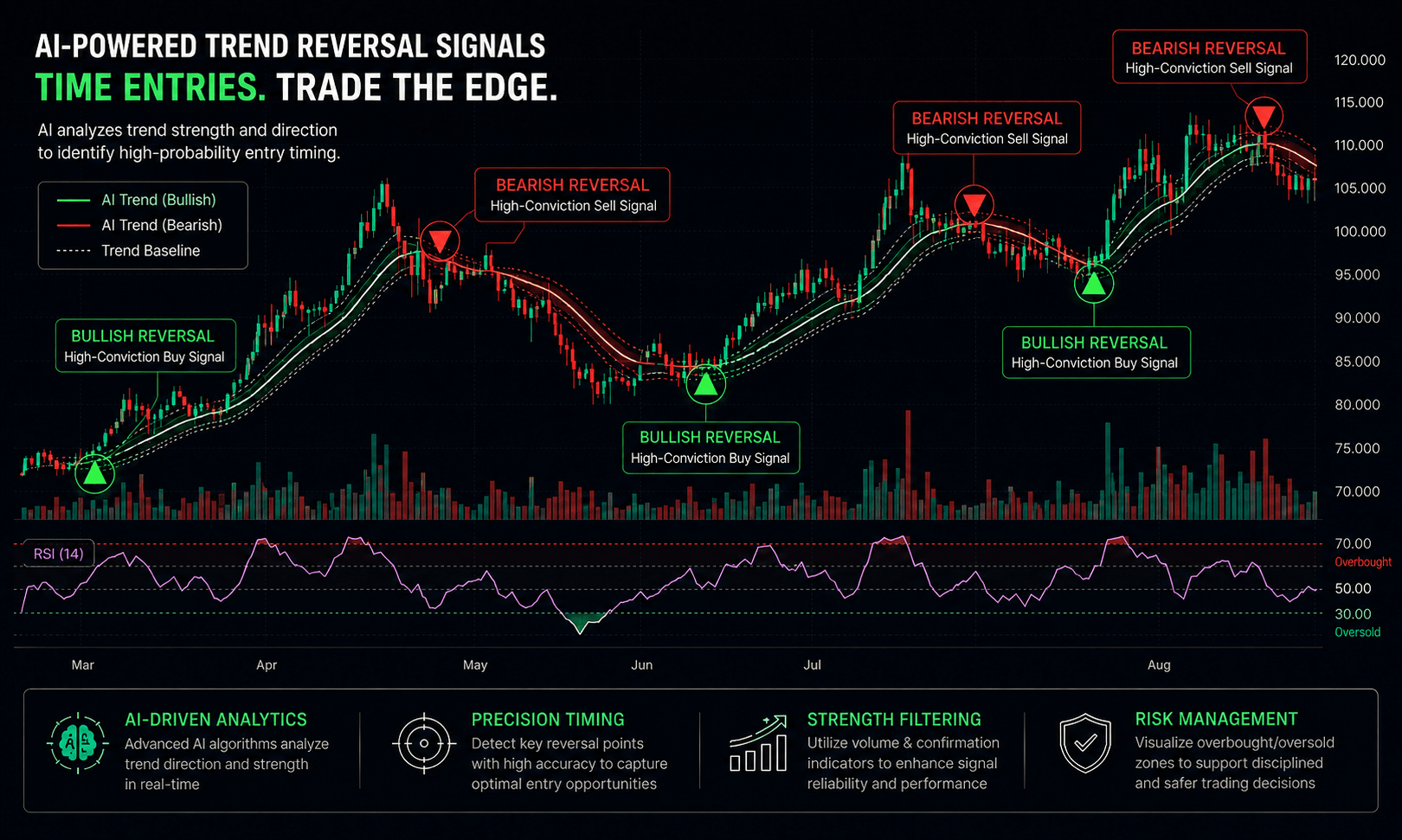
Bull Wave / Bear Wave Forecast Model
Engineered to help you read market direction and momentum faster than the crowd.
- Instantly separate bullish momentum from bearish pressure
- Pinpoint high-probability entry zones with confidence
- Chart signals clear enough for beginners, sharp enough for pros
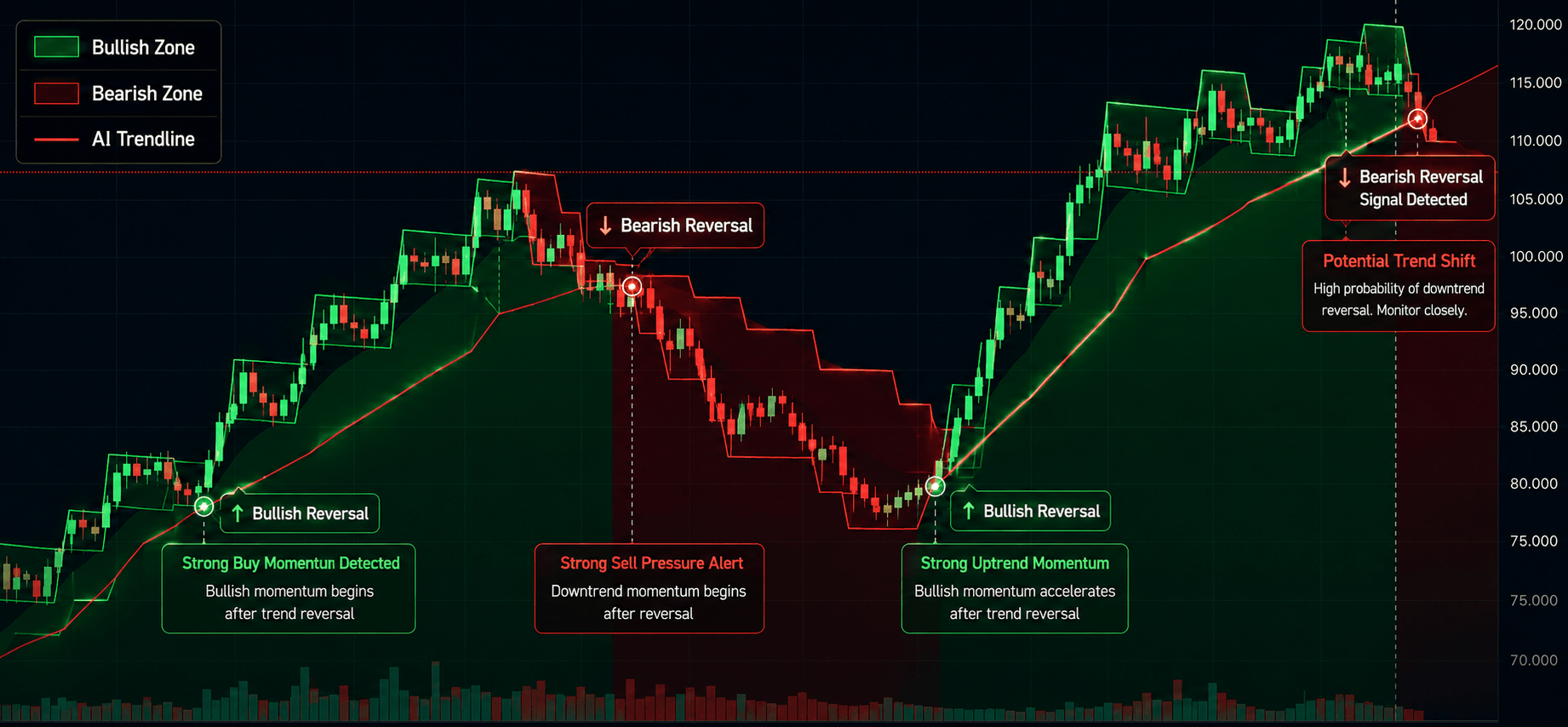
Winning Pattern Detection
Instantly surfaces the high-probability setups that repeat across the charts — a trusted edge for timing your entries and exits.
- Spot momentum building in real time
- Catch trend-reversal points before they break
- Built for active traders who need results, not theory
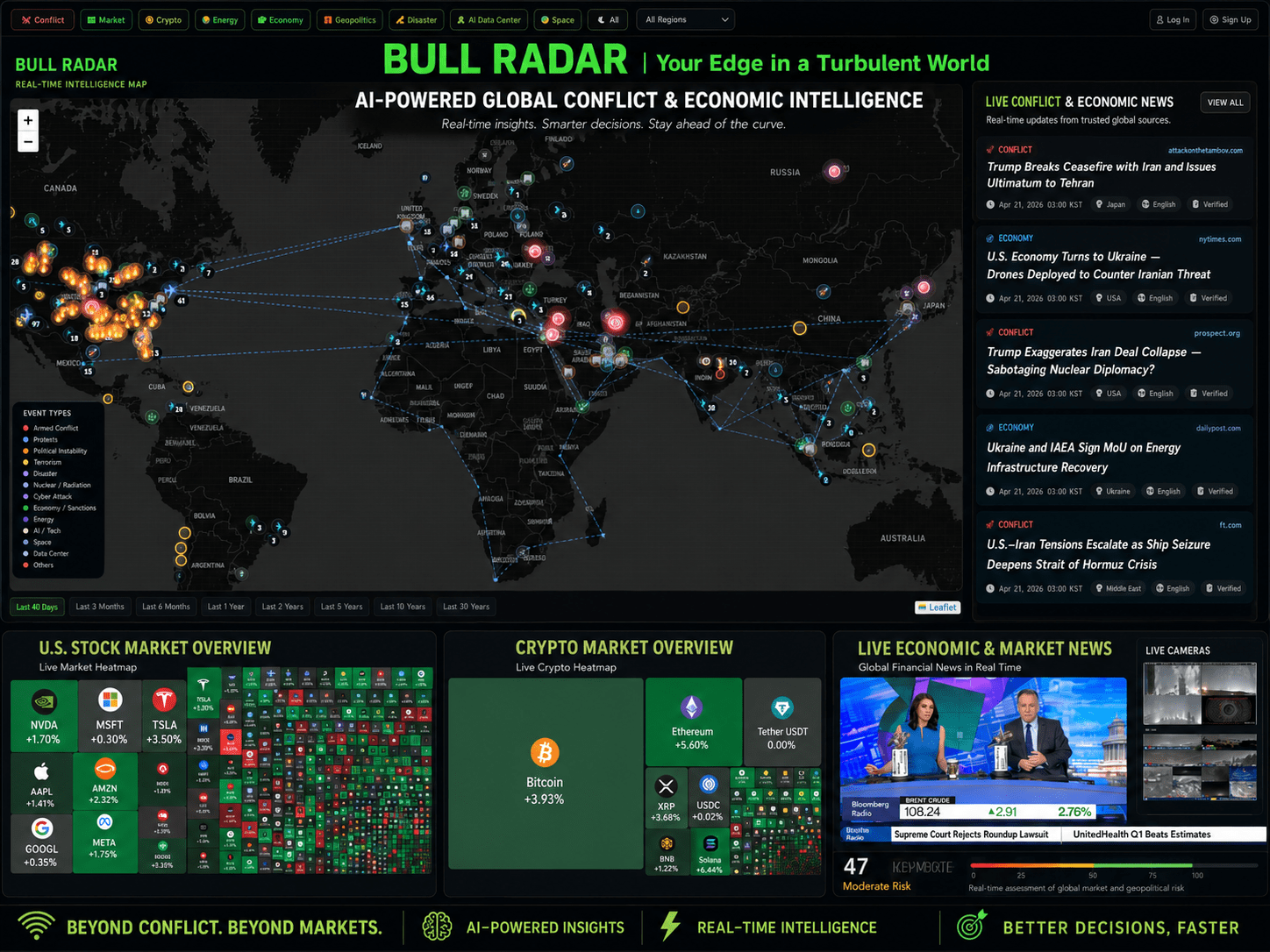
AI Live Economic Dashboard
AI analyzes real-time market data — turning complex, global investment flows into clear insight in seconds.
- Track global stock markets in real time
- See exactly which assets are strong — and which are fading
- Watch how geopolitical events move the markets
About the Author