Definition
Cost of equity and cost of debt are the two building-block inputs used to calculate a company’s Weighted Average Cost of Capital (WACC). Cost of equity is the return shareholders require for the risk of owning the stock, while cost of debt is the effective rate a company pays lenders and bondholders for borrowed money. Because equity and debt carry very different risk profiles and tax treatment, each is estimated with a different method and the two rarely land on the same number.
How Each Is Estimated
Cost of Equity via CAPM
Cost of equity is most commonly estimated with the Capital Asset Pricing Model (CAPM): Cost of Equity = Risk-Free Rate + Beta x Equity Market Risk Premium. Suppose the risk-free rate (typically a long-term government bond yield) is 4%, the company’s beta is 1.2 (meaning it is 20% more volatile than the overall market), and the equity market risk premium is 5.5%. Cost of equity = 4% + (1.2 x 5.5%) = 10.6%.
After-Tax Cost of Debt
Cost of debt starts from the yield a company’s lenders or bondholders currently require, then is adjusted downward for the tax deductibility of interest expense: After-Tax Cost of Debt = Pre-Tax Cost of Debt x (1 – Tax Rate). If the same company’s outstanding bonds yield 6% and it faces a 25% corporate tax rate, its after-tax cost of debt = 6% x (1 – 0.25) = 4.5%.

Why It Matters: How the Two Combine and Why They Differ
Debt is almost always cheaper than equity for two structural reasons: lenders have a senior, contractual claim that must be repaid on a fixed schedule regardless of how the business performs, and interest payments are tax-deductible, which further lowers debt’s effective cost. Equity holders, by contrast, have no guaranteed payment, sit behind all creditors if the company is liquidated, and therefore demand a higher expected return to compensate for that additional risk. The two costs combine into WACC as: WACC = (E/V x Cost of Equity) + (D/V x After-Tax Cost of Debt), where E/V and D/V are the proportions of equity and debt in the company’s capital structure. If this company is financed 70% by equity and 30% by debt, its WACC = (0.70 x 10.6%) + (0.30 x 4.5%) = 7.42% + 1.35% = 8.77%.
Comparison: Cost of Equity vs. Cost of Debt
| Factor | Cost of Equity | Cost of Debt |
|---|---|---|
| Estimation method | CAPM (risk-free rate + beta x risk premium) | Current market yield on debt, adjusted after tax |
| Tax treatment | Not tax-deductible | Interest is tax-deductible, lowering effective cost |
| Claim priority | Junior / residual claim | Senior, contractual claim |
| Typical relative level | Higher (compensates for higher risk) | Lower (reflects legal seniority and tax shield) |
Frequently Asked Questions
Why is cost of debt usually lower than cost of equity?
Debt holders have a legally senior, contractually fixed claim on the company’s cash flows and are repaid before equity holders in a bankruptcy, so they take on less risk and require a lower return. Equity holders bear the residual risk of the business with no guaranteed payment, so they demand a higher expected return to compensate.
Why do we use the after-tax cost of debt in WACC, not the pre-tax rate?
Interest expense is tax-deductible in most jurisdictions, which means the government effectively subsidizes part of a company’s interest payments. Using the after-tax cost of debt captures this real, lower cost that the company actually bears, rather than overstating the burden of debt financing.
What inputs does CAPM require to estimate cost of equity?
CAPM needs three inputs: the risk-free rate (usually a long-term government bond yield), the company’s beta (a measure of its stock’s volatility relative to the overall market), and the equity market risk premium (the extra return investors expect from stocks over the risk-free rate).
How does a company’s capital structure affect WACC?
Because debt is normally cheaper than equity, shifting the capital structure toward more debt financing (a higher D/V weight) tends to lower WACC, up to a point — but taking on too much debt raises financial risk, which eventually pushes both the cost of debt and the cost of equity higher and can raise WACC again.
Key Takeaways
Cost of equity, typically estimated with CAPM, and after-tax cost of debt, drawn from a company’s actual borrowing rate adjusted for its tax shield, are the two separate inputs that combine — weighted by a company’s capital structure — into its WACC. The gap between them exists because debt carries a senior, contractual, tax-advantaged claim while equity carries a junior, residual, non-deductible one, and understanding how each is estimated on its own is essential before combining them into a single discount rate. This article is for informational purposes only and does not constitute investment advice.

QuantPro: AI Finds the Trade Before You Do
From AI-powered chart analysis to real-time market intelligence — everything a serious investor needs, in one platform.
- Automated AI chart analysis with precision trend timing
- Bull Radar: real-time visualization of geopolitical & economic shifts
- Live market-moving news and insights, curated for you
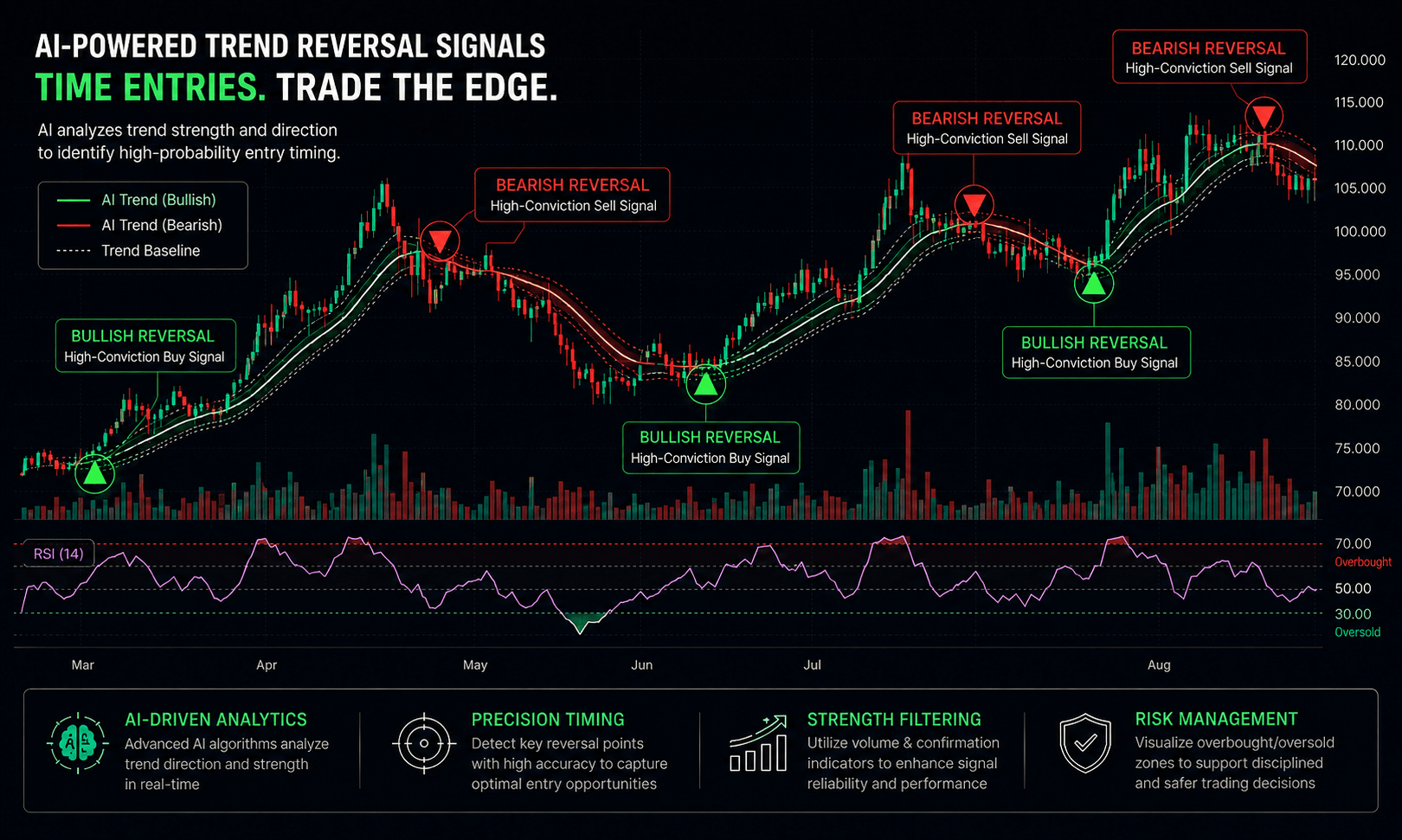
Bull Wave / Bear Wave Forecast Model
Engineered to help you read market direction and momentum faster than the crowd.
- Instantly separate bullish momentum from bearish pressure
- Pinpoint high-probability entry zones with confidence
- Chart signals clear enough for beginners, sharp enough for pros
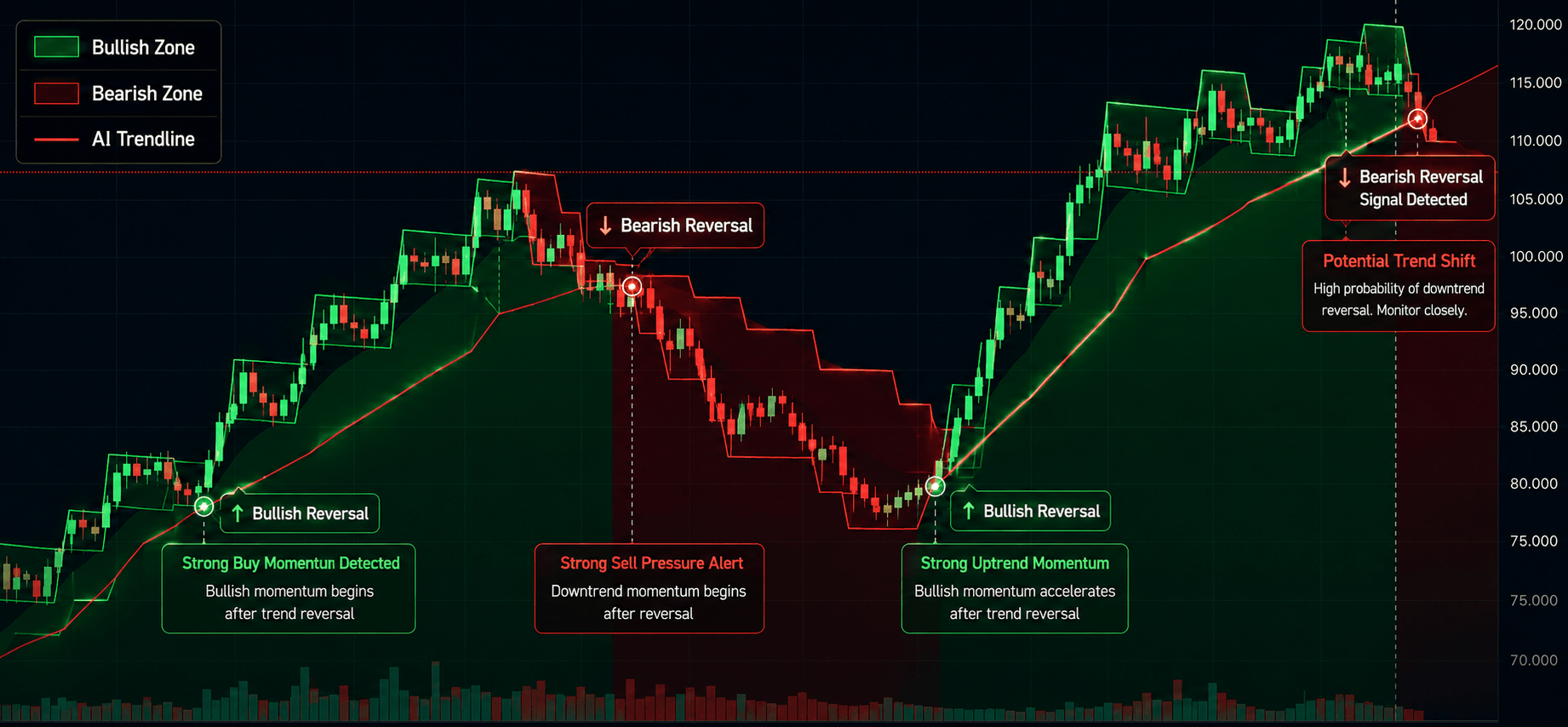
Winning Pattern Detection
Instantly surfaces the high-probability setups that repeat across the charts — a trusted edge for timing your entries and exits.
- Spot momentum building in real time
- Catch trend-reversal points before they break
- Built for active traders who need results, not theory

AI Live Economic Dashboard
AI analyzes real-time market data — turning complex, global investment flows into clear insight in seconds.
- Track global stock markets in real time
- See exactly which assets are strong — and which are fading
- Watch how geopolitical events move the markets
About the Author