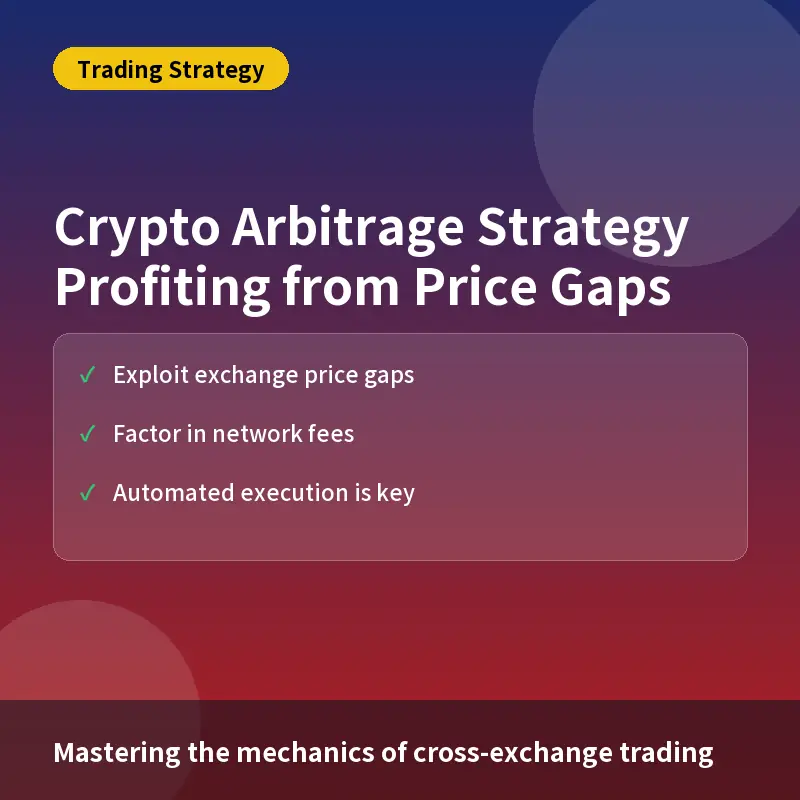
Crypto arbitrage is a trading strategy that exploits temporary price differences of the same asset across different exchanges to generate low-risk profits. Successful execution requires fast automated systems to overcome network latency, exchange fees, and transfer times.
What is Crypto Arbitrage?
Definition of Arbitrage in Crypto Markets
Crypto arbitrage is the practice of purchasing a digital asset on one exchange where the price is lower and simultaneously selling it on another exchange where the price is higher. The primary goal is to capture the price spread as profit, effectively neutralizing market direction risk since the asset is bought and sold almost concurrently.
How Arbitrage Trading Works and is Calculated
The Mechanics of Cross-Exchange Profitability
To calculate the potential profit from an arbitrage opportunity, you must subtract all associated costs from the price difference. These costs typically include – Exchange trading fees (taker fees on both ends) – Blockchain network transaction fees for moving assets – Deposit and withdrawal fees charged by the platforms. You can check the current volatility and spread metrics for various assets directly on Bull Radar to identify potential opportunities before initiating a trade.

QuantPro: AI Finds the Trade Before You Do
From AI-powered chart analysis to real-time market intelligence — everything a serious investor needs, in one platform.
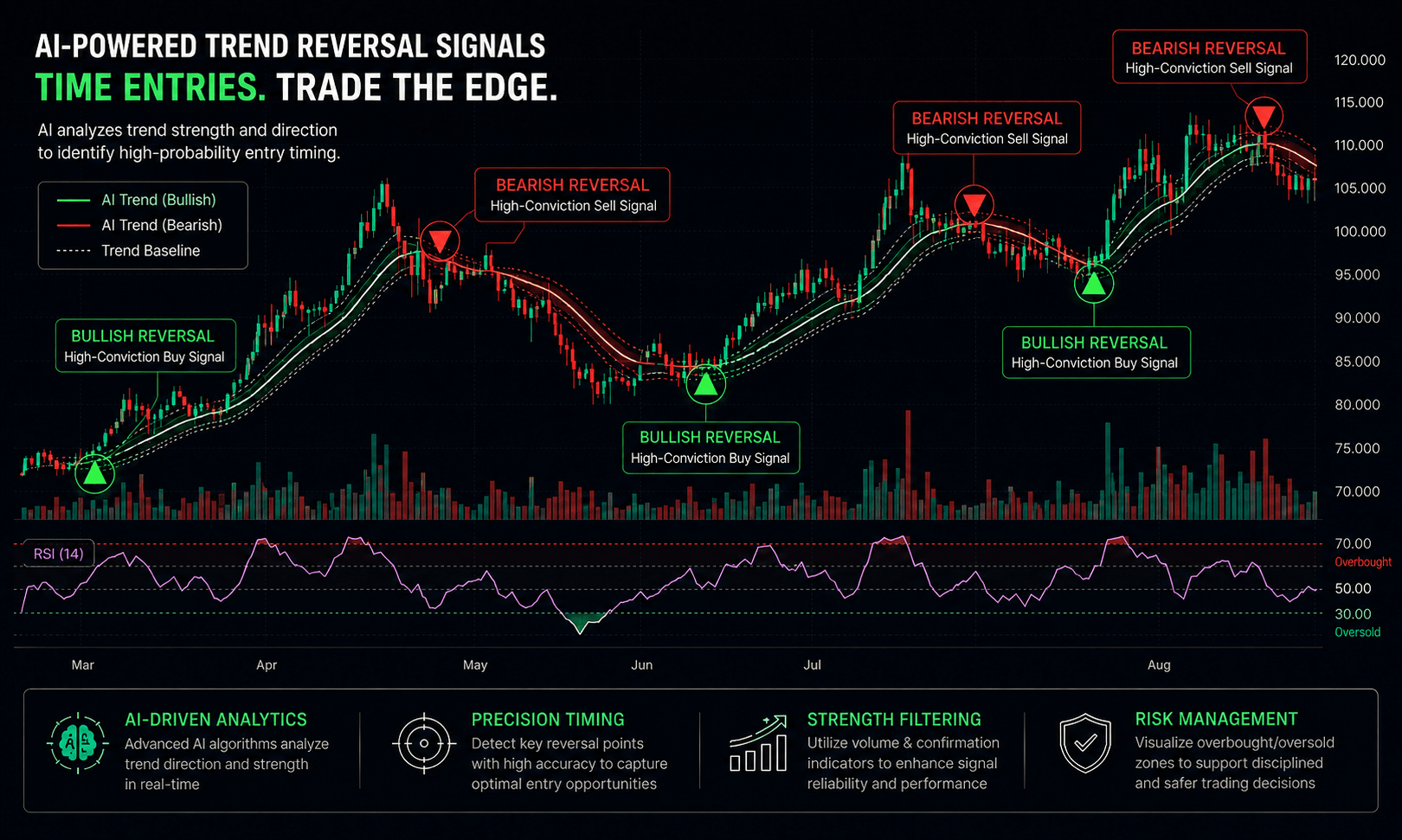
- Automated AI chart analysis with precision trend timing
- Bull Radar: real-time visualization of geopolitical & economic shifts
- Live market-moving news and insights, curated for you
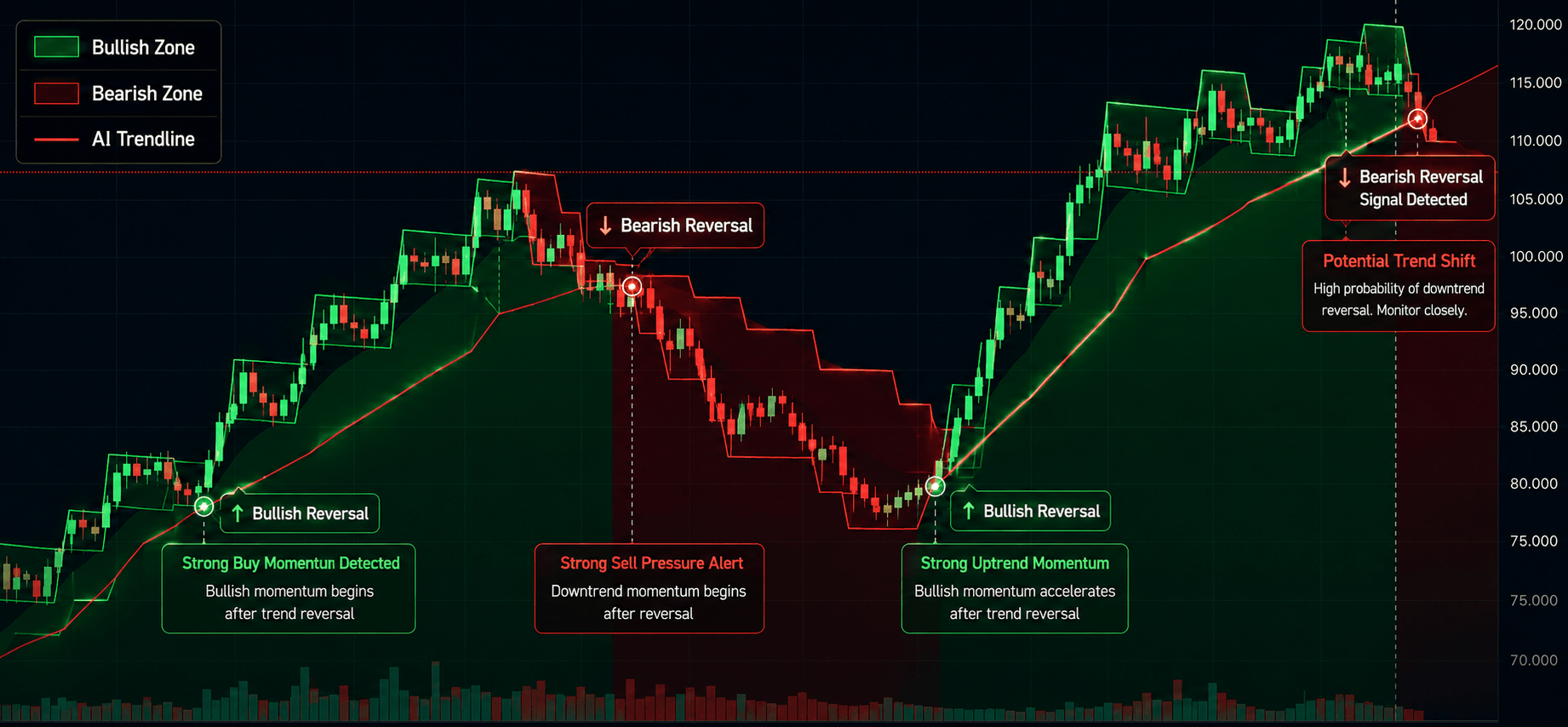
Bull Wave / Bear Wave Forecast Model
Engineered to help you read market direction and momentum faster than the crowd.
- Instantly separate bullish momentum from bearish pressure
- Pinpoint high-probability entry zones with confidence
- Chart signals clear enough for beginners, sharp enough for pros
Winning Pattern Detection
Instantly surfaces the high-probability setups that repeat across the charts — a trusted edge for timing your entries and exits.
- Spot momentum building in real time
- Catch trend-reversal points before they break
- Built for active traders who need results, not theory

AI Live Economic Dashboard
AI analyzes real-time market data — turning complex, global investment flows into clear insight in seconds.
- Track global stock markets in real time
- See exactly which assets are strong — and which are fading
- Watch how geopolitical events move the markets
Worked Example of an Arbitrage Trade
Consider a scenario where Bitcoin (BTC) is trading at different prices across two exchanges.
- Exchange A: BTC price is $60,000
- Exchange B: BTC price is $60,200
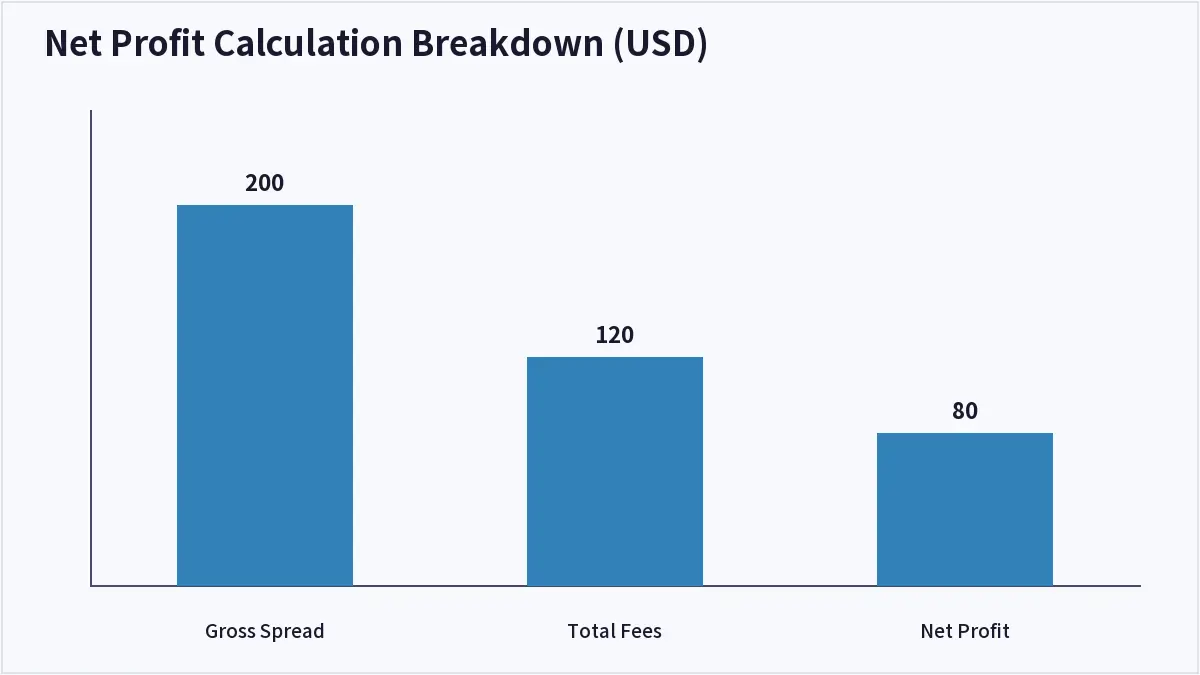
- Total transaction/network fees: $120
By buying 1 BTC on Exchange A and selling it on Exchange B, the gross profit is $200. After deducting the $120 in fees, the net profit is $80. If the price on Exchange B drops while the transaction is being processed, the trade could easily turn into a loss.
Common Mistakes and Misconceptions
Why Manual Arbitrage is Rarely Profitable
Many beginners attempt arbitrage manually, but they often fail due to several critical factors: – Market Speed: Price gaps often close within milliseconds, making manual execution too slow. – Network Congestion: Transfers between wallets can take longer than expected, leading to slippage. – Liquidity Constraints: High-volume trades can exhaust the order book on one side, resulting in a worse execution price than anticipated. – Regulatory Risks: Different exchanges have different KYC and withdrawal limits which can freeze your capital during an arbitrage cycle.
| Factor | Manual Arbitrage | Automated Arbitrage |
|---|---|---|
| Execution Speed | Seconds/Minutes | Milliseconds |
| Fee Efficiency | Often Neglected | Optimized by API |
| Risk of Slippage | High | Low |
| Scalability | Very Low | High |
Frequently Asked Questions
Is crypto arbitrage risk-free?
No, it is not risk-free. While it seeks to avoid market direction risk, you still face execution risk, exchange liquidity issues, and the risk of network delays causing price swings during the transfer.
Do I need a lot of capital to start arbitrage?
Yes, to make arbitrage worthwhile, you generally need significant capital. Because the price spreads are often small, high trading volumes are required to ensure the net profit exceeds the fixed costs of network and exchange fees.
Can I do arbitrage with a single exchange?
True arbitrage requires two different exchanges to exploit the price difference. However, ‘triangular arbitrage’ can be performed within a single exchange by trading between three different currency pairs (e.g., BTC/USDT, ETH/BTC, ETH/USDT).
How do bots help in arbitrage?
Arbitrage bots are essential because they monitor multiple order books simultaneously and execute trades instantly when a profitable spread is detected. They eliminate the human reaction time that prevents successful arbitrage.
Key Takeaways
Crypto arbitrage is a sophisticated strategy that leverages price inefficiencies across different platforms. By focusing on automated execution and precise fee management, traders can capture small but frequent gains while minimizing market exposure. This article is for informational purposes only and does not constitute investment advice.
Last updated: 2026-09-17
About the Author