Dollar Cost Averaging (DCA) is an investment strategy that involves investing a fixed amount of money at regular intervals, regardless of the asset's price. By spreading out purchases, you effectively reduce the impact of market volatility and eliminate the stress of trying to time the market perfectly.
What Is Dollar Cost Averaging (DCA)?
Dollar Cost Averaging (DCA) is a disciplined investment technique where an investor purchases a set amount of an asset at regular time intervals, such as weekly or monthly. Instead of attempting to lump-sum invest at a perceived market bottom, you spread your capital across different price points over time.
How Dollar Cost Averaging Works
The mechanism behind DCA relies on the mathematical principle that fixed-amount investments naturally purchase more units when prices are low and fewer units when prices are high. Over time, this results in a lower average cost per unit compared to the average market price over the same period. For advanced monitoring of your asset performance relative to DCA benchmarks, you can check this metric directly on Bull Radar. By automating these payments, investors remove emotional bias and the temptation to wait for a crash that may never occur.
Worked Example: DCA in Practice
Consider an investor who decides to invest $1,000 every month into an asset for three months to see how DCA functions during price fluctuations. In Month 1, the price is $50, resulting in 20 units. In Month 2, the price drops to $25, allowing the purchase of 40 units. In Month 3, the price recovers to $40, netting 25 units. Total units accumulated: 85 units. Total investment: $3,000. Average cost per unit: $35.29.

Common Mistakes and Misconceptions
- Misconception: DCA guarantees a profit in all market conditions. While it manages risk, it does not prevent loss if an asset’s long-term value trends toward zero.
- Mistake: Stopping during market downturns. The primary benefit of DCA is buying when prices are lower, so stopping during a dip defeats the core purpose.
- Mistake: Excessive transaction fees. If you invest too small an amount frequently, high percentage-based fees can erode your total returns.
- Misconception: Lump-sum is always inferior. If the market is in a long-term bull trend, a lump-sum investment at the start would outperform DCA.
| Month | Investment ($) | Asset Price ($) | Units Purchased |
|---|---|---|---|
| 1 | 1000 | 50 | 20 |
| 2 | 1000 | 25 | 40 |
| 3 | 1000 | 40 | 25 |
Frequently Asked Questions
Is Dollar Cost Averaging suitable for beginners?
Yes, DCA is highly recommended for beginners because it eliminates the need to analyze market trends or predict price bottoms. It fosters a habit of disciplined saving and reduces the emotional stress of market volatility.
Does DCA work better in crypto than in stocks?
DCA is particularly effective in highly volatile markets like cryptocurrency. Because crypto prices can swing drastically in short periods, consistent buying helps smooth out the extreme peaks and valleys of entry points.
How often should I execute a DCA strategy?
The frequency depends on your income cycle and transaction costs. Most investors choose weekly or monthly intervals to align with their paycheck, ensuring the process remains sustainable and automated.
Can I lose money using DCA?
Yes, DCA is an accumulation strategy, not a profit guarantee. If the asset you are buying loses its fundamental value or goes to zero, your average cost will not prevent you from suffering a total loss.
Key Takeaways
Dollar Cost Averaging is an essential tool for investors seeking to minimize the psychological burden of market timing. By consistently investing fixed amounts, you build a resilient portfolio that benefits from lower average costs during market corrections while maintaining a long-term investment horizon. This article is for informational purposes only and does not constitute investment advice.

QuantPro: AI Finds the Trade Before You Do
From AI-powered chart analysis to real-time market intelligence — everything a serious investor needs, in one platform.
- Automated AI chart analysis with precision trend timing
- Bull Radar: real-time visualization of geopolitical & economic shifts
- Live market-moving news and insights, curated for you
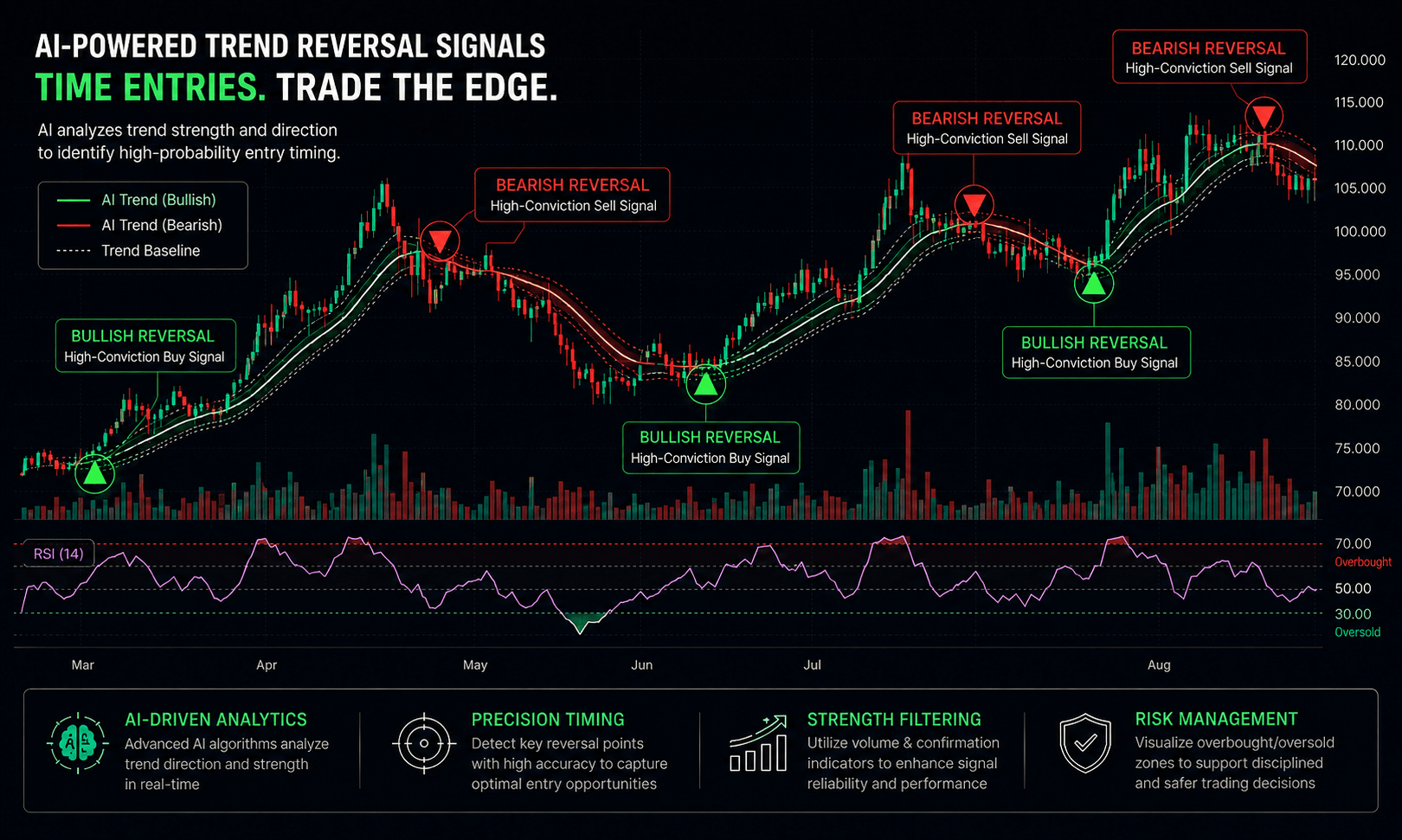
Bull Wave / Bear Wave Forecast Model
Engineered to help you read market direction and momentum faster than the crowd.
- Instantly separate bullish momentum from bearish pressure
- Pinpoint high-probability entry zones with confidence
- Chart signals clear enough for beginners, sharp enough for pros
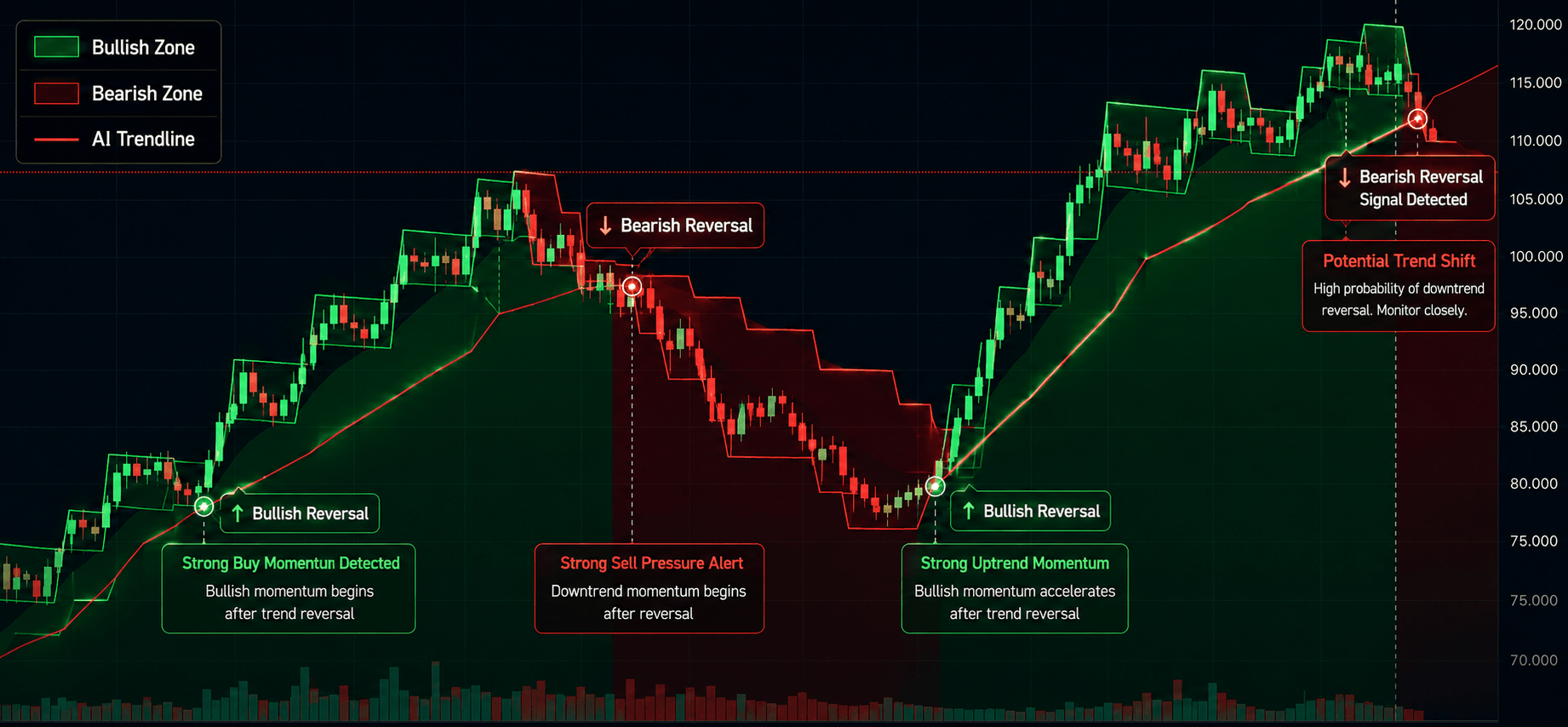
Winning Pattern Detection
Instantly surfaces the high-probability setups that repeat across the charts — a trusted edge for timing your entries and exits.
- Spot momentum building in real time
- Catch trend-reversal points before they break
- Built for active traders who need results, not theory
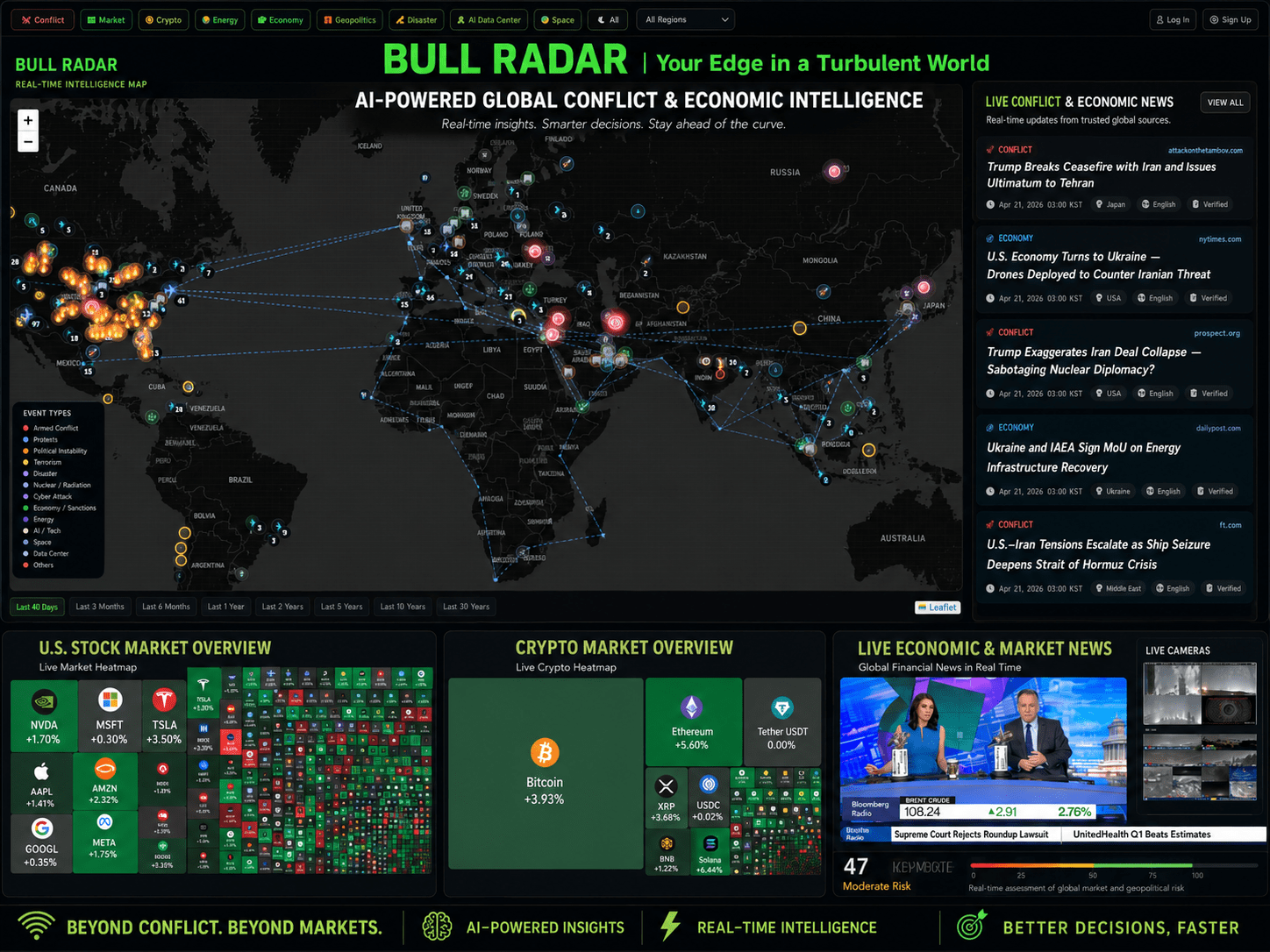
AI Live Economic Dashboard
AI analyzes real-time market data — turning complex, global investment flows into clear insight in seconds.
- Track global stock markets in real time
- See exactly which assets are strong — and which are fading
- Watch how geopolitical events move the markets
Last updated: 2026-09-17
About the Author