A liquidity pool is a crowdsourced collection of digital assets locked in a smart contract that facilitates decentralized trading. By providing assets to these pools, investors act as liquidity providers and earn a portion of transaction fees generated by the platform.
What Is a Liquidity Pool?
A liquidity pool is a digital reserve of cryptocurrencies locked in a smart contract that enables decentralized trading without the need for traditional order books. Instead of matching buyers and sellers, these pools allow users to trade against the smart contract itself, ensuring continuous liquidity for specific token pairs.
How Liquidity Pools and AMMs Work
The Constant Product Formula
Most liquidity pools operate using an Automated Market Maker (AMM) model, which relies on the constant product formula: x * y = k. In this formula, x and y represent the quantity of the two tokens in the pool, and k is a fixed constant that the pool maintains. When a trader buys token x, they remove it from the pool and add token y, shifting the ratio and automatically adjusting the price based on supply and demand.
Role of Liquidity Providers
Liquidity Providers (LPs) deposit an equal value of both tokens into the pool to facilitate these trades. In return, they receive Liquidity Provider tokens (LP tokens) representing their share of the pool, and they earn a pro-rata cut of every trade fee executed within that pool. You can check the general health and volume metrics of various pools on tools like Bull Radar to better gauge potential fee rewards.
Worked Example of Liquidity Provision
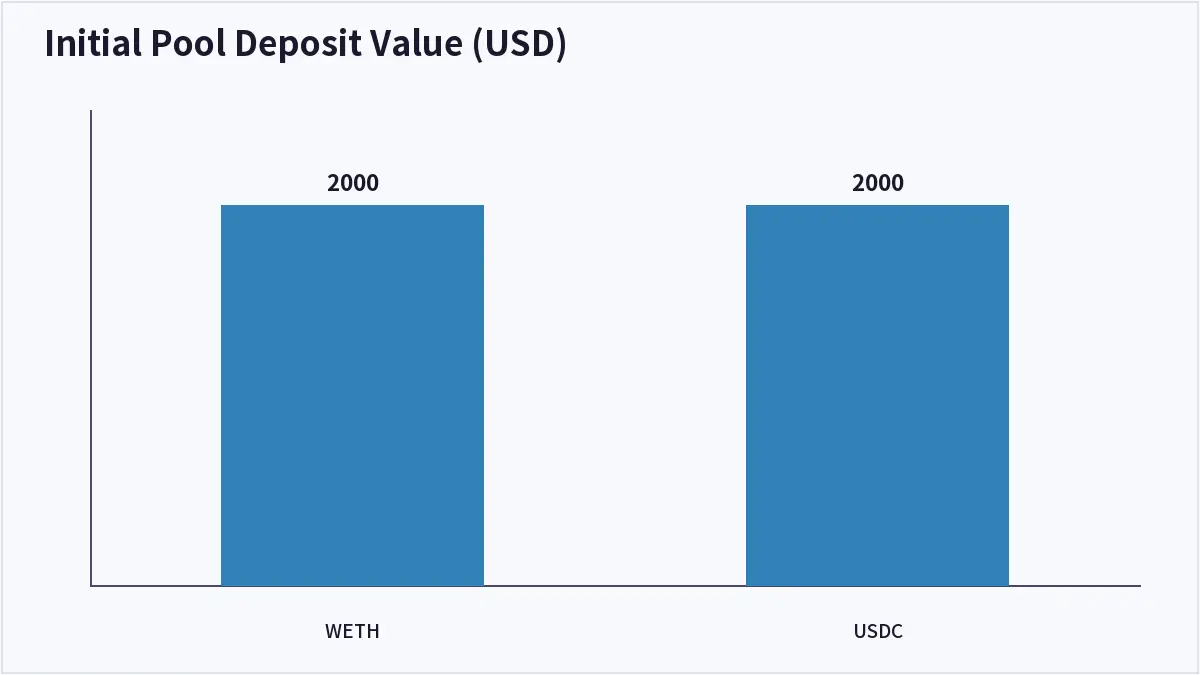
Assume you want to provide liquidity to a WETH/USDC pool where the current price of 1 WETH is 2,000 USDC. To participate, you must deposit an equal value of both assets.
- Initial Deposit: 1 WETH (2,000 USDC) + 2,000 USDC = 4,000 USDC total value.
- Trading Activity: If traders swap USDC for WETH, the pool’s WETH balance decreases and USDC balance increases.
- Fee Collection: If the pool charges a 0.3% fee on every trade, your share of the total pool determines your portion of that 0.3% fee.
- Outcome: Over time, the accumulation of transaction fees offsets the initial deposit, potentially leading to a profit regardless of price volatility, provided the impermanent loss does not exceed total fee earnings.
Common Mistakes and Misconceptions
New investors often overlook the specific risks involved in DeFi yield farming and liquidity provision.
- Impermanent Loss: This occurs when the price of deposited assets changes compared to when they were deposited, often resulting in lower value than if you had simply held the tokens.
- Smart Contract Risk: Even with audited code, vulnerabilities can lead to loss of funds, making it crucial to use established platforms.
- Over-optimistic Yields: High APY figures often reflect volatile tokens; if the token price crashes, the fees earned may not compensate for the capital depreciation.
- Slippage Misunderstanding: Liquidity pools are not infinite; large trades in shallow pools will cause significant price impact, which can affect the pool’s overall balance and your position.
| Feature | Centralized Order Book | Liquidity Pool (AMM) |
|---|---|---|
| Counterparty | Direct Buyer/Seller | Smart Contract |
| Execution | Price Matching | Algorithmic Pricing |
| Fees | Exchange takes all | Shared with LPs |
Frequently Asked Questions
What is impermanent loss?
Impermanent loss happens when the price of your deposited tokens changes compared to when you deposited them. It is called ‘impermanent’ because if the prices return to the original ratio, the loss disappears, but if you withdraw during a price divergence, the loss becomes permanent.
Do I need to manage my liquidity position daily?
While you don’t necessarily need to trade daily, you should monitor your pool’s volume and the price volatility of the tokens. High volatility increases the risk of impermanent loss, which may require you to rebalance or withdraw your assets.
Are liquidity pools safe from hacks?
No investment in DeFi is risk-free. Liquidity pools are susceptible to smart contract bugs, flash loan attacks, and platform-specific vulnerabilities, so it is recommended to only use well-audited and reputable protocols.
How do I earn money in a liquidity pool?
You earn money primarily through transaction fees collected from every swap that occurs within the pool. Some platforms also offer yield farming, where you stake your LP tokens to earn additional platform governance tokens.
Key Takeaways
Liquidity pools are the backbone of decentralized finance, allowing users to earn passive income by providing capital for swaps. Success in this strategy depends on understanding the trade-off between transaction fee rewards and the risk of impermanent loss caused by price volatility. This article is for informational purposes only and does not constitute investment advice.

QuantPro: AI Finds the Trade Before You Do
From AI-powered chart analysis to real-time market intelligence — everything a serious investor needs, in one platform.
- Automated AI chart analysis with precision trend timing
- Bull Radar: real-time visualization of geopolitical & economic shifts
- Live market-moving news and insights, curated for you
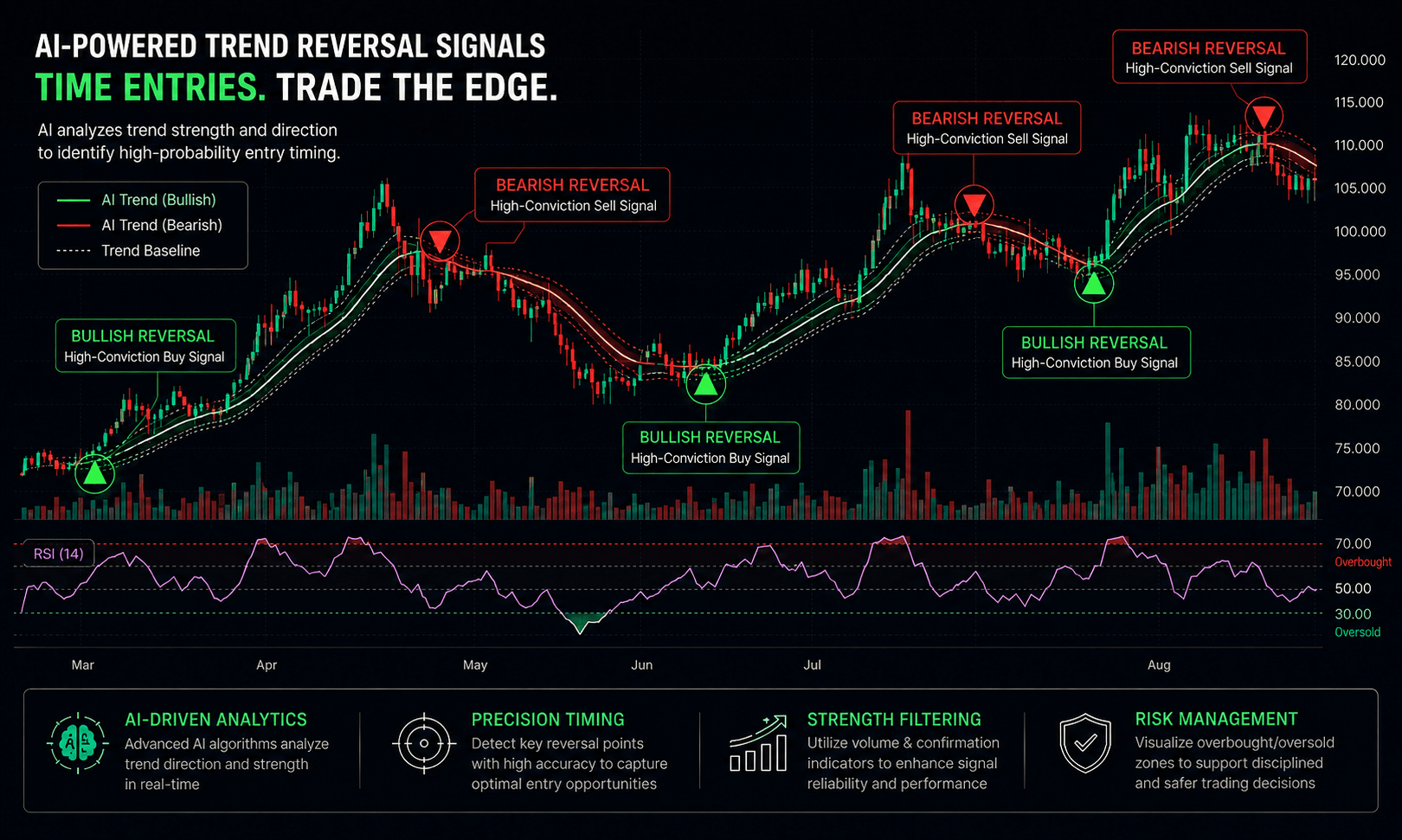
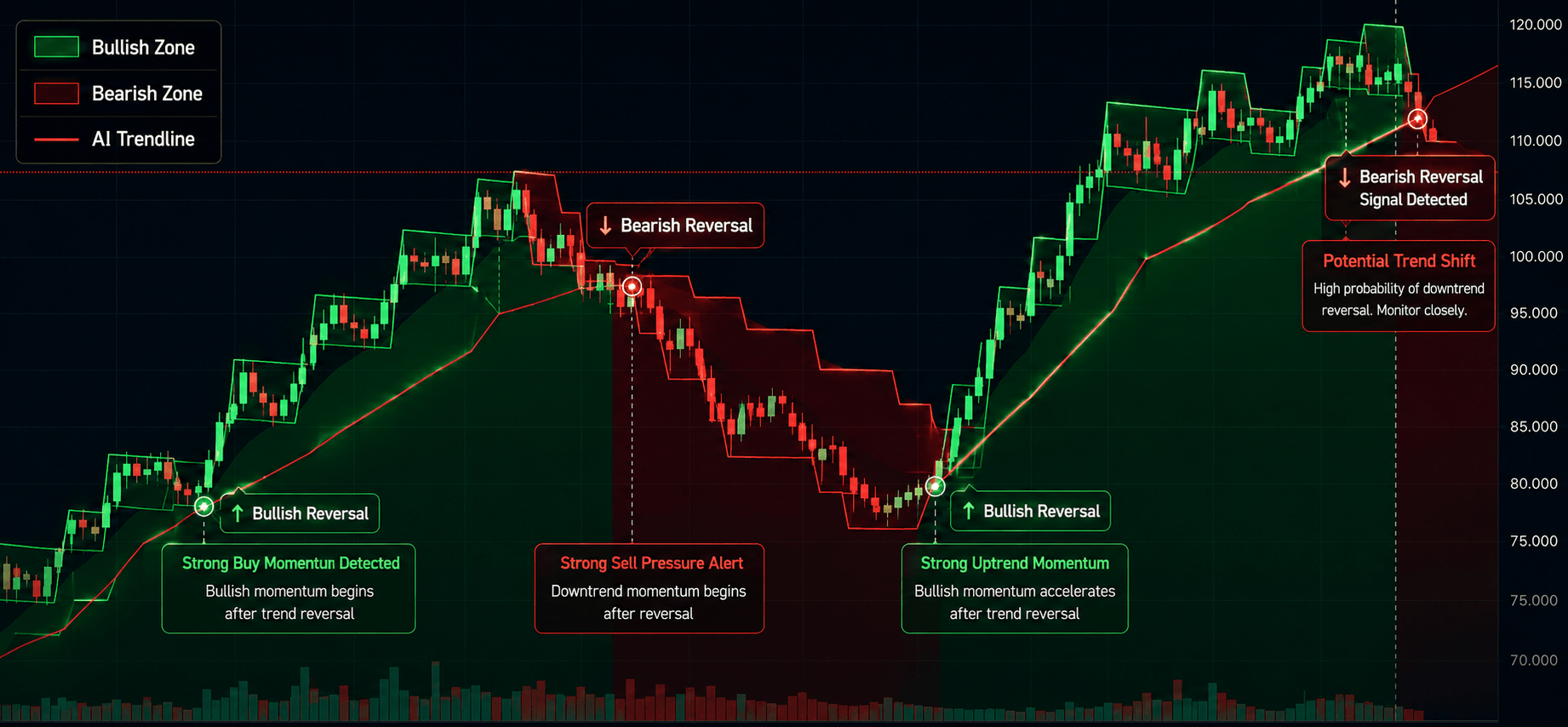
Bull Wave / Bear Wave Forecast Model
Engineered to help you read market direction and momentum faster than the crowd.
- Instantly separate bullish momentum from bearish pressure
- Pinpoint high-probability entry zones with confidence
- Chart signals clear enough for beginners, sharp enough for pros
Winning Pattern Detection
Instantly surfaces the high-probability setups that repeat across the charts — a trusted edge for timing your entries and exits.
- Spot momentum building in real time
- Catch trend-reversal points before they break
- Built for active traders who need results, not theory

AI Live Economic Dashboard
AI analyzes real-time market data — turning complex, global investment flows into clear insight in seconds.
- Track global stock markets in real time
- See exactly which assets are strong — and which are fading
- Watch how geopolitical events move the markets
Last updated: 2026-09-17
About the Author