What Drives Cryptocurrency Volatility?
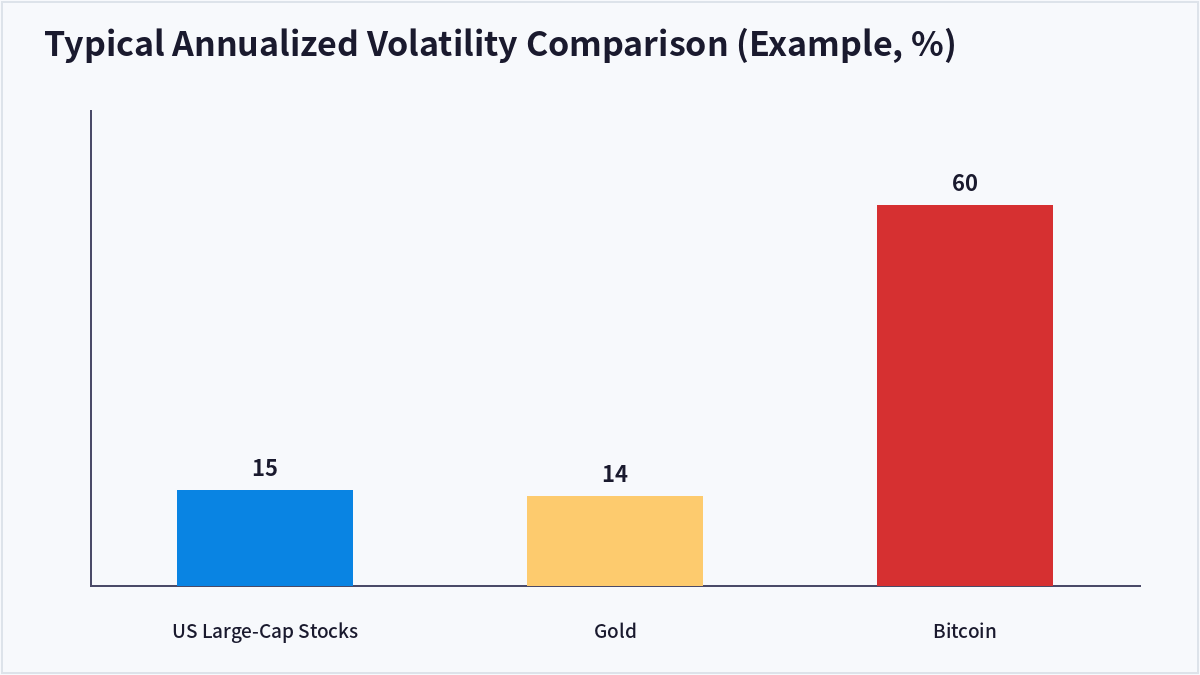
Cryptocurrencies are widely known for exhibiting significantly higher price volatility compared to traditional asset classes like stocks, bonds, or gold, with double-digit percentage price swings within a single day not being unusual, particularly for smaller, less established digital assets. This extreme volatility stems from a combination of factors unique to how these markets are structured and how they’re currently used.
Key Drivers of Extreme Price Swings
Speculation-Driven Demand
Unlike stocks, which can be valued based on underlying company earnings and cash flows, many cryptocurrencies lack traditional fundamental valuation anchors, meaning prices are often driven predominantly by speculative sentiment, social media trends, and shifting narratives about future adoption.
Thinner Market Liquidity
Compared to major traditional financial markets, cryptocurrency markets — especially for smaller coins — often have relatively thin trading liquidity, meaning even moderately sized buy or sell orders can move prices significantly more than they would in deeper, more liquid traditional markets.
Additional Contributing Factors
Regulatory Uncertainty
Cryptocurrency markets remain subject to evolving and often unclear regulatory frameworks across different countries, and news of potential new regulations, bans, or approvals (such as ETF decisions) can trigger sharp, sudden price movements as the market rapidly reprices future expectations.
24/7 Trading Without Circuit Breakers
Unlike traditional stock exchanges that have set trading hours and circuit breakers designed to pause trading during extreme volatility, most cryptocurrency markets trade continuously around the clock without such mechanisms, potentially allowing rapid price movements to compound without a built-in cooling-off period.
| Factor | Effect on Volatility | Contrast With Traditional Markets |
|---|---|---|
| Valuation Basis | Speculation-driven, less anchored | Stocks anchored to earnings/cash flow |
| Market Liquidity | Often thinner, especially smaller coins | Major stock markets generally deeper |
| Trading Hours | 24/7, no circuit breakers | Set hours, circuit breakers common |
Frequently Asked Questions
Is all cryptocurrency equally volatile?
No — larger, more established cryptocurrencies like Bitcoin generally exhibit somewhat lower volatility than smaller, less liquid altcoins, though even Bitcoin’s volatility remains substantially higher than most traditional asset classes.
Does high volatility mean high risk?
Generally yes — high volatility is typically associated with a higher potential for both significant gains and significant losses over short periods, which is an important consideration for anyone evaluating their own risk tolerance before investing.
Has cryptocurrency volatility decreased over time?
While some data suggests volatility has moderated somewhat as markets have matured and institutional participation has grown, cryptocurrency volatility has historically remained meaningfully higher than traditional asset classes even in more mature market periods.
How can investors manage exposure to crypto volatility?
Common approaches include limiting position sizes to a small portion of an overall portfolio, using dollar-cost averaging to spread purchases over time, and maintaining a long-term perspective rather than reacting to short-term price swings.
Key Takeaways
Cryptocurrency volatility stems from speculation-driven demand, thinner market liquidity, regulatory uncertainty, and continuous 24/7 trading without circuit breakers. This significantly higher volatility compared to traditional assets is an important consideration for anyone evaluating position sizing and risk tolerance. This article is for informational purposes only and does not constitute investment advice.

QuantPro: AI Finds the Trade Before You Do
From AI-powered chart analysis to real-time market intelligence — everything a serious investor needs, in one platform.
- Automated AI chart analysis with precision trend timing
- Bull Radar: real-time visualization of geopolitical & economic shifts
- Live market-moving news and insights, curated for you
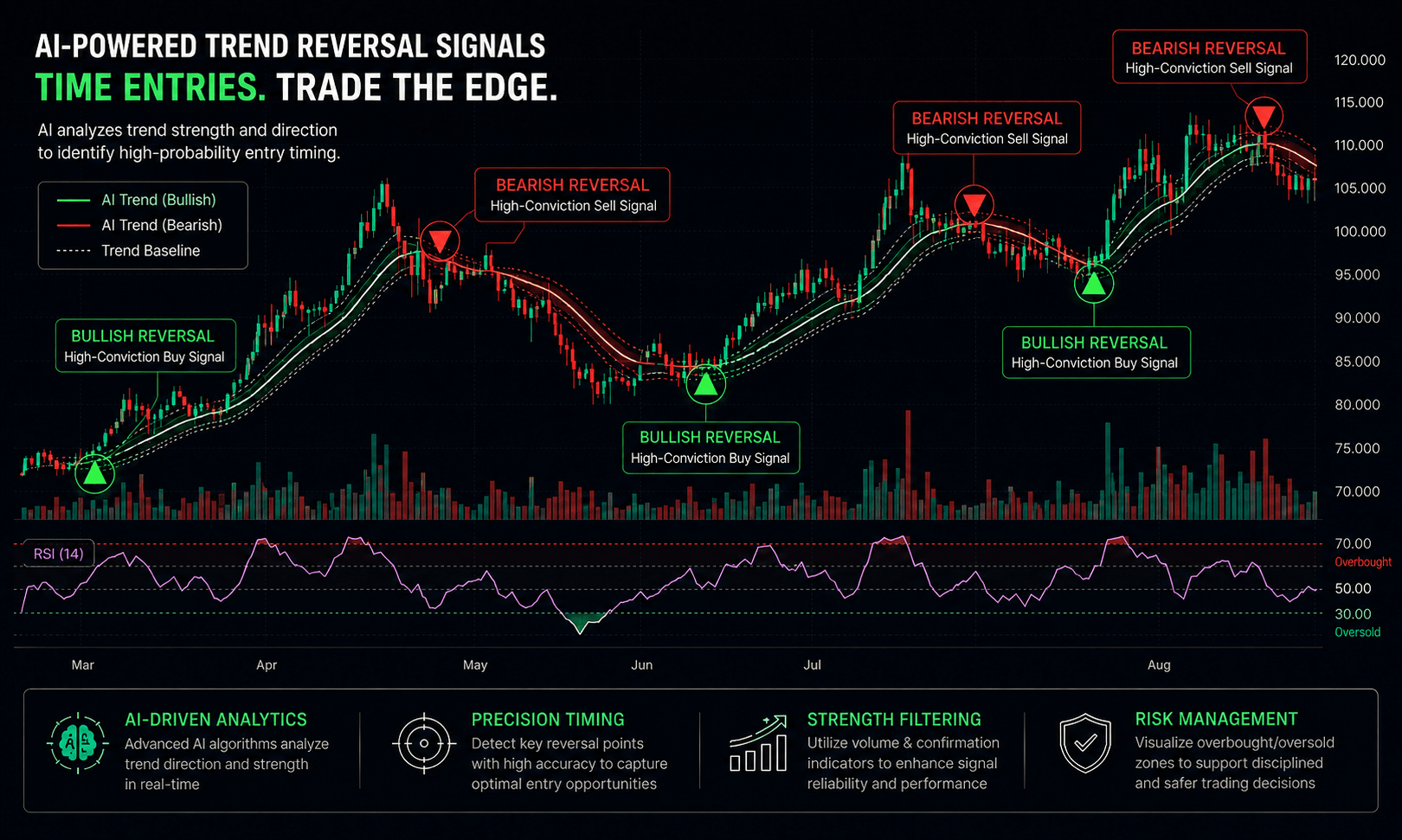
Bull Wave / Bear Wave Forecast Model
Engineered to help you read market direction and momentum faster than the crowd.
- Instantly separate bullish momentum from bearish pressure
- Pinpoint high-probability entry zones with confidence
- Chart signals clear enough for beginners, sharp enough for pros
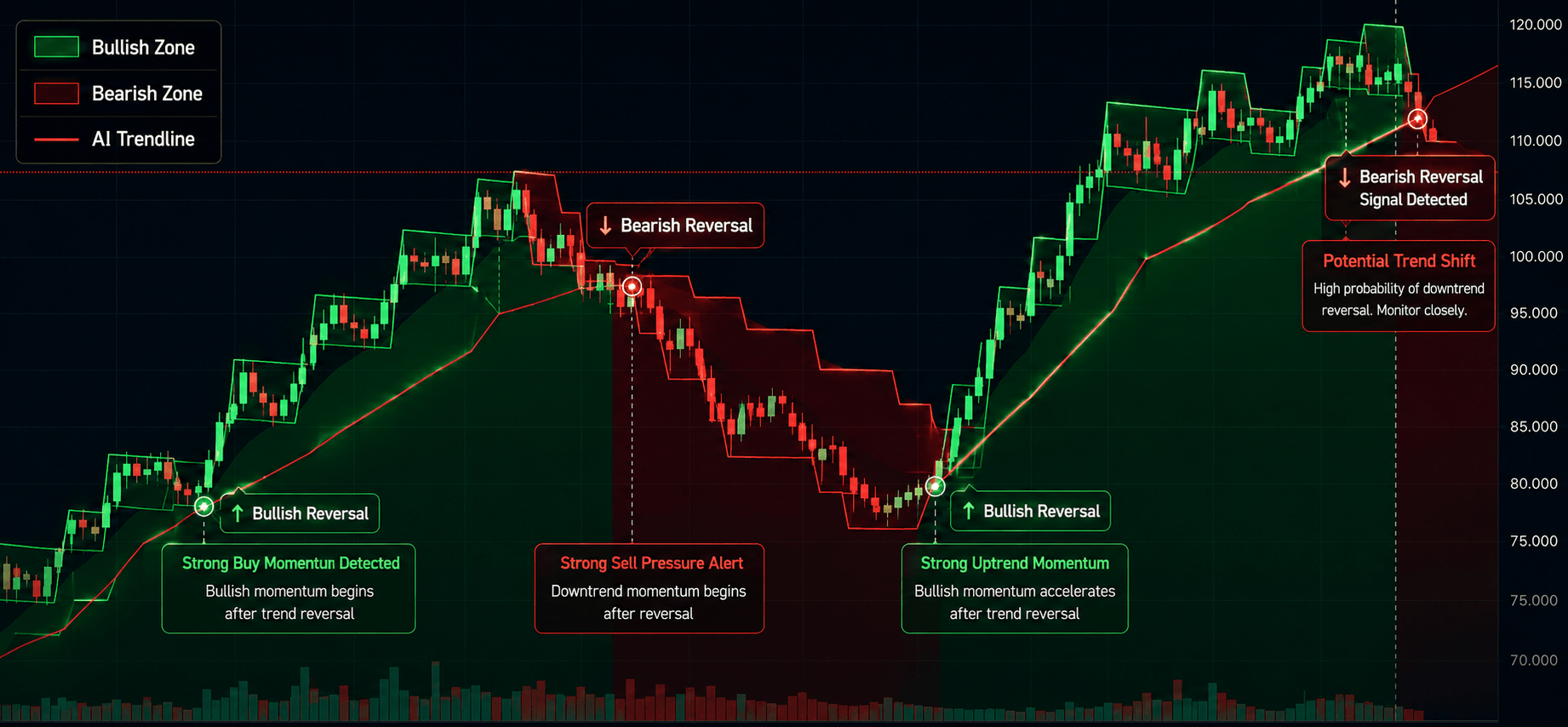
Winning Pattern Detection
Instantly surfaces the high-probability setups that repeat across the charts — a trusted edge for timing your entries and exits.
- Spot momentum building in real time
- Catch trend-reversal points before they break
- Built for active traders who need results, not theory
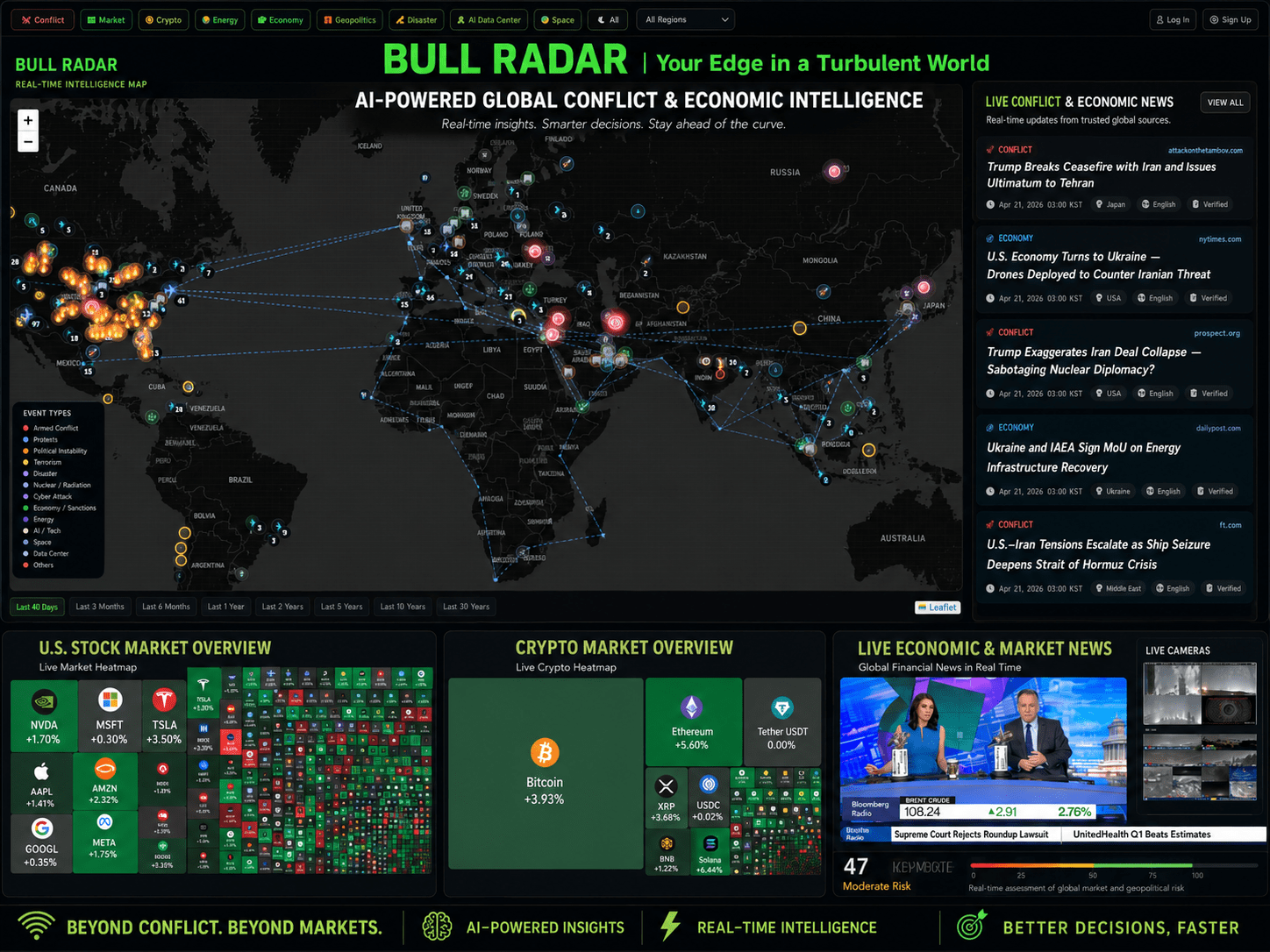
AI Live Economic Dashboard
AI analyzes real-time market data — turning complex, global investment flows into clear insight in seconds.
- Track global stock markets in real time
- See exactly which assets are strong — and which are fading
- Watch how geopolitical events move the markets
About the Author