Definition
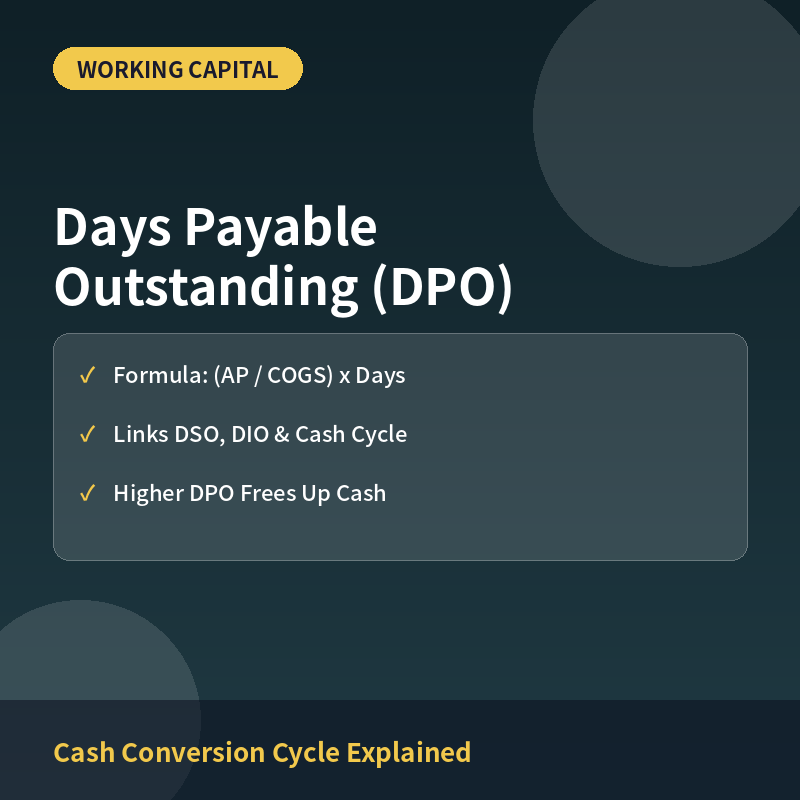
Days Payable Outstanding (DPO) measures the average number of days a company takes to pay its suppliers and vendors after receiving an invoice for goods or services. It is a working capital metric that reveals how a company manages the timing of its cash outflows, and it is one of the three pillars of the cash conversion cycle alongside Days Sales Outstanding (DSO) and Days Inventory Outstanding (DIO).
How It’s Calculated
The standard formula is: DPO = (Accounts Payable / Cost of Goods Sold) x Number of Days in the Period. Suppose a company reports average accounts payable of $2,000,000 and annual Cost of Goods Sold (COGS) of $18,250,000. Its DPO over a 365-day year is (2,000,000 / 18,250,000) x 365 = 40 days, meaning it takes the company about 40 days on average to pay its suppliers after a bill arrives.
DPO Inside the Cash Conversion Cycle
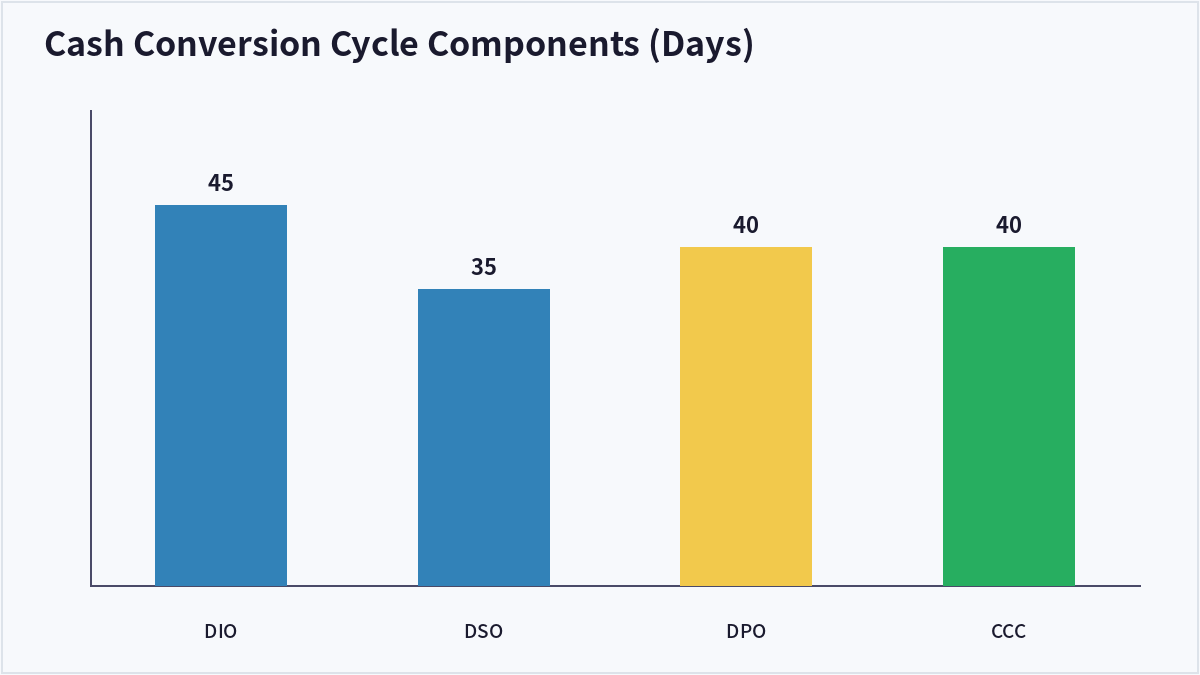
DPO does not stand alone — it is combined with DSO and DIO to compute the Cash Conversion Cycle (CCC), the number of days it takes a company to convert its investments in inventory and other resources into cash flows from sales, net of the time it takes to pay suppliers: CCC = DIO + DSO – DPO. Using the example above, if the same company has a DIO of 45 days (time to sell inventory) and a DSO of 35 days (time to collect receivables), its cash conversion cycle is 45 + 35 – 40 = 40 days.
Why It Matters
A longer DPO means a company holds onto its cash longer before paying suppliers, effectively using supplier credit as a free source of short-term financing — improving liquidity and reducing the need for external working-capital funding. But DPO that is too high can strain supplier relationships, risk the loss of early-payment discounts, and signal that a company is struggling to pay its bills on time rather than managing cash strategically. A DPO that is too low, by contrast, means a company is paying faster than necessary and giving up interest-free financing it could otherwise use elsewhere in the business.
Comparison: DPO vs. DSO vs. DIO
| Metric | What It Measures | Favorable Direction |
|---|---|---|
| DPO (Days Payable Outstanding) | Days taken to pay suppliers | Higher (within reason) frees up cash |
| DSO (Days Sales Outstanding) | Days taken to collect receivables from customers | Lower speeds up cash collection |
| DIO (Days Inventory Outstanding) | Days inventory sits before being sold | Lower reduces cash tied up in stock |
Frequently Asked Questions
What is considered a good DPO?
There is no universal “good” DPO — it depends heavily on industry norms and standard supplier payment terms. A retailer with 30-day supplier terms and a DPO near 30-45 days is typically considered well-managed, while a manufacturer with longer negotiated terms may reasonably run a DPO of 60-90 days. The more useful benchmark is comparing a company’s DPO against its direct industry peers and its own historical trend.
How does DPO differ from accounts payable turnover?
Accounts payable turnover (COGS / Average Accounts Payable) measures how many times per year a company pays off its suppliers, while DPO converts that same relationship into an average number of days. The two are mathematically linked: DPO is roughly equal to 365 divided by the accounts payable turnover ratio, so a higher turnover ratio corresponds to a lower DPO.
What happens if a company’s DPO is too high?
An unusually high or rapidly rising DPO can be a red flag rather than a sign of efficient cash management. It may indicate the company is delaying payments because it is genuinely short on cash, which can damage supplier trust, lead suppliers to tighten credit terms or demand upfront payment, and ultimately disrupt the supply chain the business depends on.
Does industry affect the typical DPO?
Yes, significantly. Industries with strong bargaining power over suppliers, such as large retail chains, often negotiate longer payment terms and post higher DPOs, while industries with perishable inventory or tighter supplier relationships tend to run lower DPOs. Comparing DPO only within the same industry avoids drawing misleading conclusions.
Key Takeaways
Days Payable Outstanding shows how long a company takes to pay its suppliers, and it works alongside DSO and DIO to determine the cash conversion cycle — a core measure of working-capital efficiency. A moderate, industry-appropriate DPO can free up cash for other uses, but an excessively high or fast-rising DPO can signal financial strain rather than strength, so it should always be read together with DSO, DIO, and a company’s broader liquidity position. This article is for informational purposes only and does not constitute investment advice.

QuantPro: AI Finds the Trade Before You Do
From AI-powered chart analysis to real-time market intelligence — everything a serious investor needs, in one platform.
- Automated AI chart analysis with precision trend timing
- Bull Radar: real-time visualization of geopolitical & economic shifts
- Live market-moving news and insights, curated for you
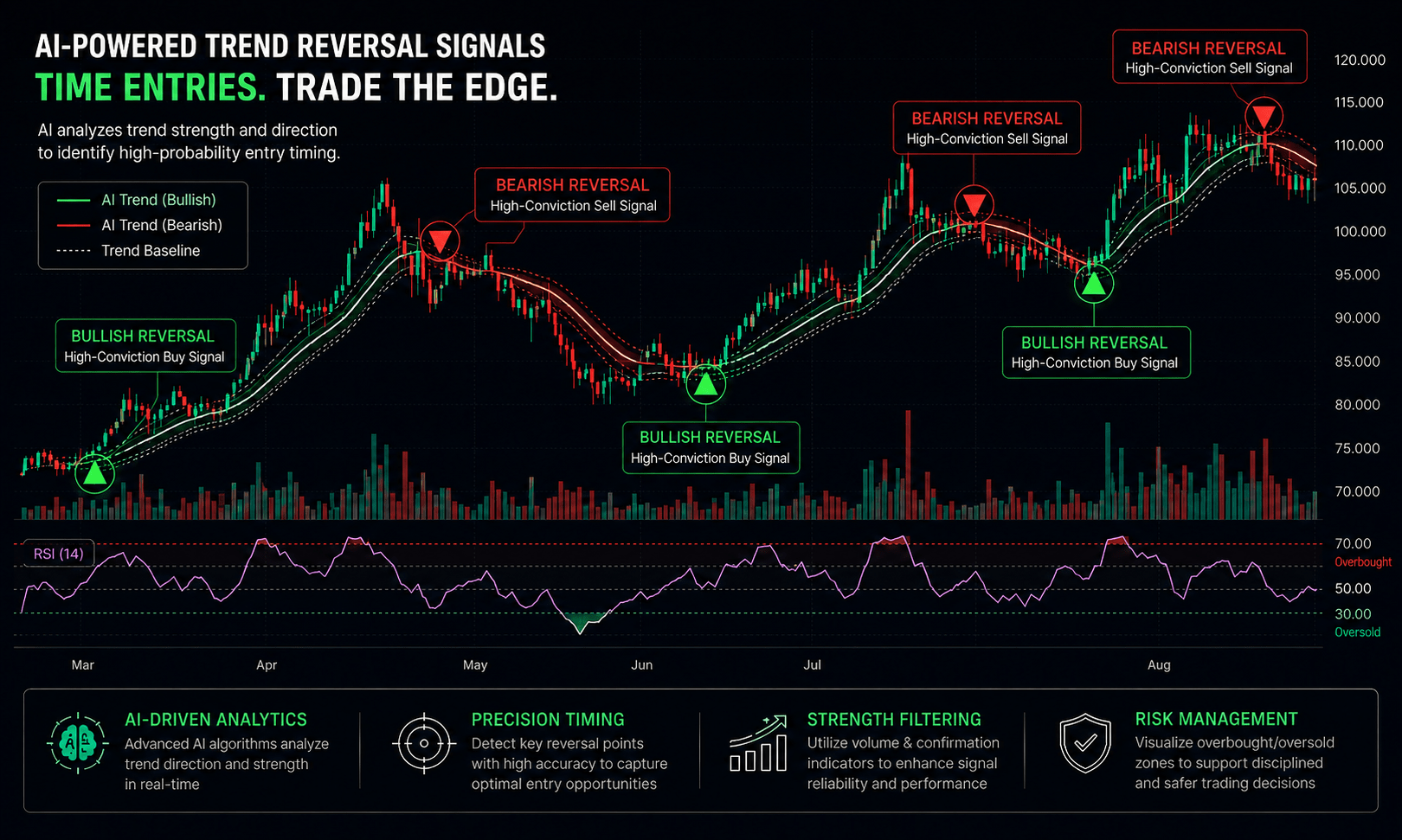
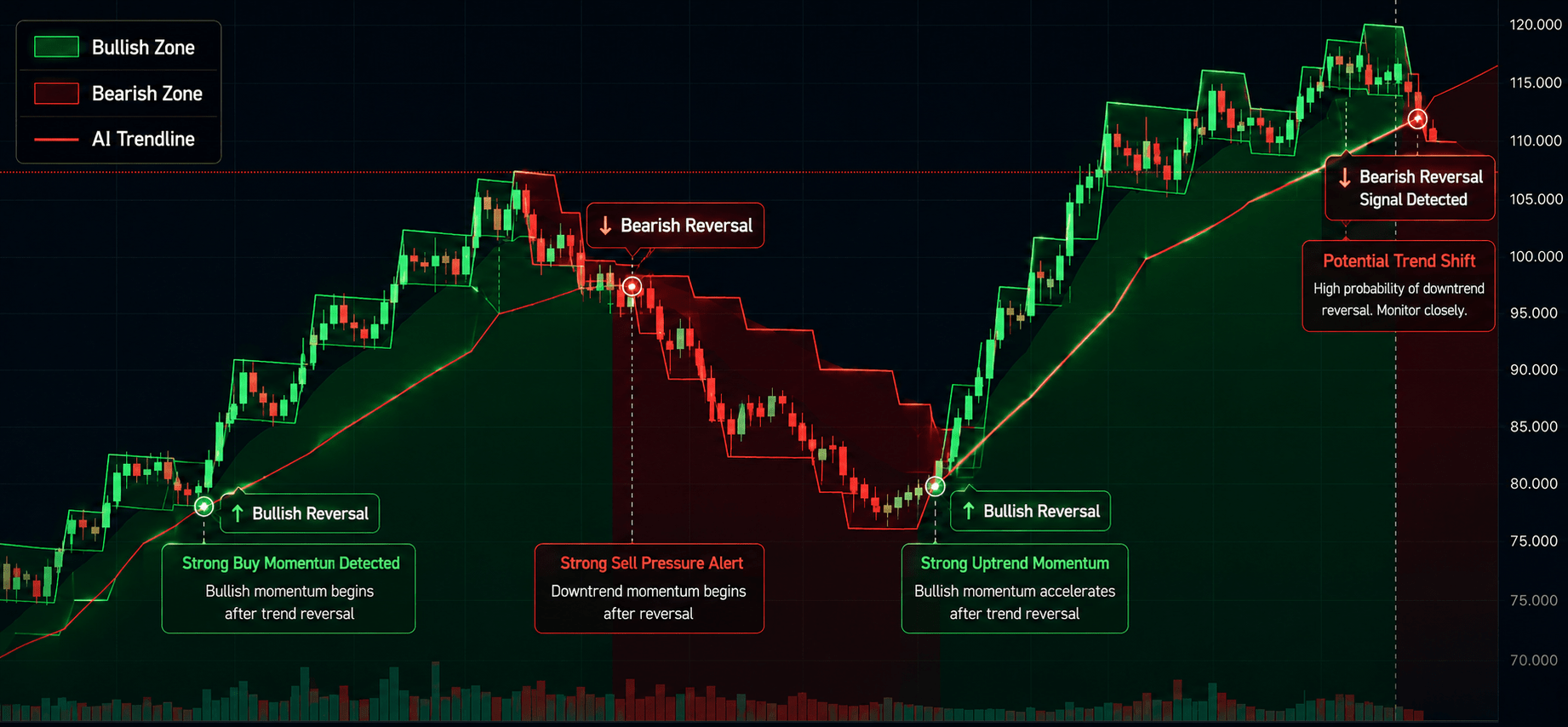
Bull Wave / Bear Wave Forecast Model
Engineered to help you read market direction and momentum faster than the crowd.
- Instantly separate bullish momentum from bearish pressure
- Pinpoint high-probability entry zones with confidence
- Chart signals clear enough for beginners, sharp enough for pros
Winning Pattern Detection
Instantly surfaces the high-probability setups that repeat across the charts — a trusted edge for timing your entries and exits.
- Spot momentum building in real time
- Catch trend-reversal points before they break
- Built for active traders who need results, not theory

AI Live Economic Dashboard
AI analyzes real-time market data — turning complex, global investment flows into clear insight in seconds.
- Track global stock markets in real time
- See exactly which assets are strong — and which are fading
- Watch how geopolitical events move the markets
About the Author