What Is an ETF?
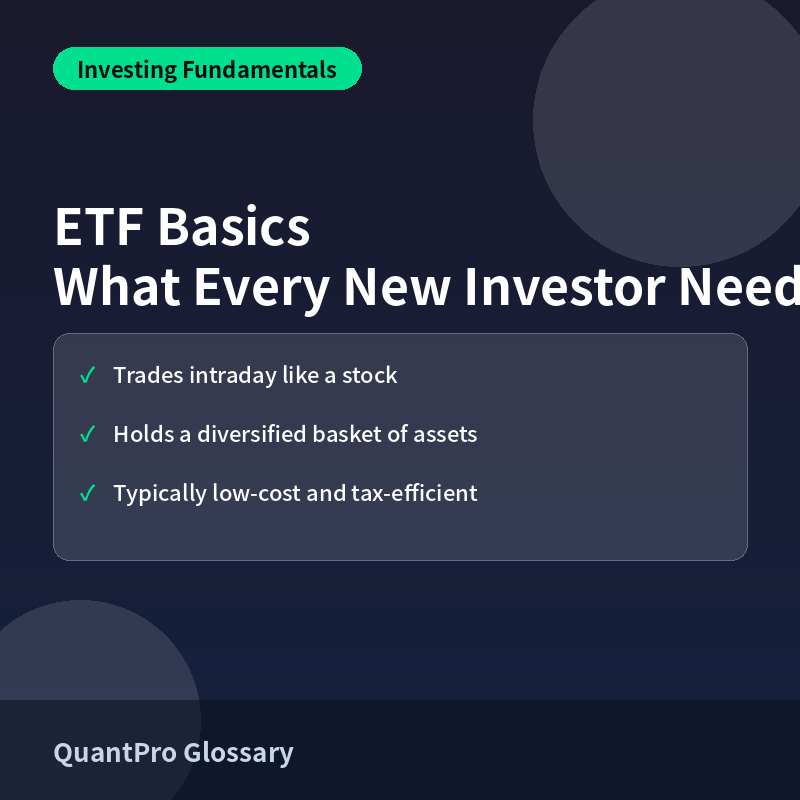
An Exchange-Traded Fund (ETF) is an investment fund that holds a basket of underlying assets — such as stocks, bonds, or commodities — but trades on a stock exchange throughout the day, just like an individual stock. This structure combines the diversification benefits of a traditional mutual fund with the trading flexibility, transparency, and often lower costs associated with individual stock investing.
Key Benefits of ETFs
Intraday Trading and Transparency
Unlike mutual funds, which are only priced once at the end of the trading day, ETFs can be bought and sold at any point during market hours at real-time prices, and most ETFs disclose their full holdings on a daily basis, offering investors clear visibility into what they own.
Lower Costs and Tax Efficiency
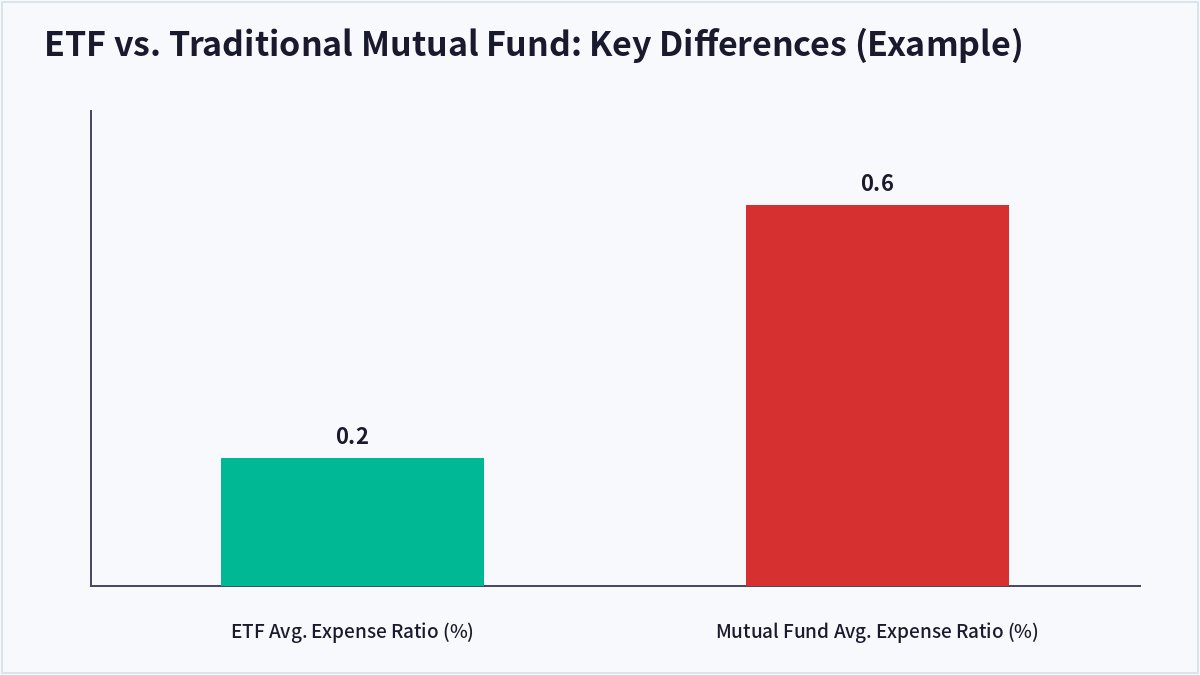
Because most ETFs are passively managed to track an index, their expense ratios tend to be lower than actively managed mutual funds, and their unique in-kind creation and redemption structure often results in fewer taxable capital gains distributions to shareholders.
What to Watch For
Trading Costs Can Add Up
While many brokers now offer commission-free ETF trading, investors who trade frequently should still be mindful of the bid-ask spread, which can widen for ETFs with lower trading volume.
Not All ETFs Are Simple Index Trackers
Some ETFs use leverage, inverse strategies, or complex derivatives to achieve their objectives, and these specialized products carry significantly higher risk and are generally not suited for buy-and-hold investors.
| Feature | ETF | Traditional Mutual Fund |
|---|---|---|
| Trading | Intraday, real-time pricing | Once daily, after market close |
| Typical Cost | Generally lower | Generally higher |
| Tax Efficiency | Often more efficient | Can trigger more capital gains distributions |
Frequently Asked Questions
Do ETFs pay dividends?
Yes, ETFs that hold dividend-paying stocks or bonds typically pass those payments through to shareholders, usually on a quarterly basis, and many brokers allow these dividends to be automatically reinvested.
Can I lose all my money in an ETF?
A broadly diversified ETF significantly reduces single-company risk, but it still carries market risk, meaning its value can decline substantially during broad market downturns.
How do I choose between similar ETFs tracking the same index?
Key factors to compare include the expense ratio, trading volume and liquidity, tracking error relative to the benchmark, and the fund’s overall size (assets under management).
Are leveraged ETFs suitable for long-term holding?
Generally no — leveraged ETFs are designed to achieve their stated multiple on a daily basis, and due to compounding effects, their long-term returns can diverge significantly from what a simple multiple of the index’s return would suggest.
Key Takeaways
ETFs offer diversification with the trading flexibility of stocks, typically at lower costs and greater tax efficiency than traditional mutual funds. New investors should be aware that specialized ETFs, like leveraged or inverse products, carry substantially higher risk than standard index-tracking funds. This article is for informational purposes only and does not constitute investment advice.

QuantPro: AI Finds the Trade Before You Do
From AI-powered chart analysis to real-time market intelligence — everything a serious investor needs, in one platform.
- Automated AI chart analysis with precision trend timing
- Bull Radar: real-time visualization of geopolitical & economic shifts
- Live market-moving news and insights, curated for you
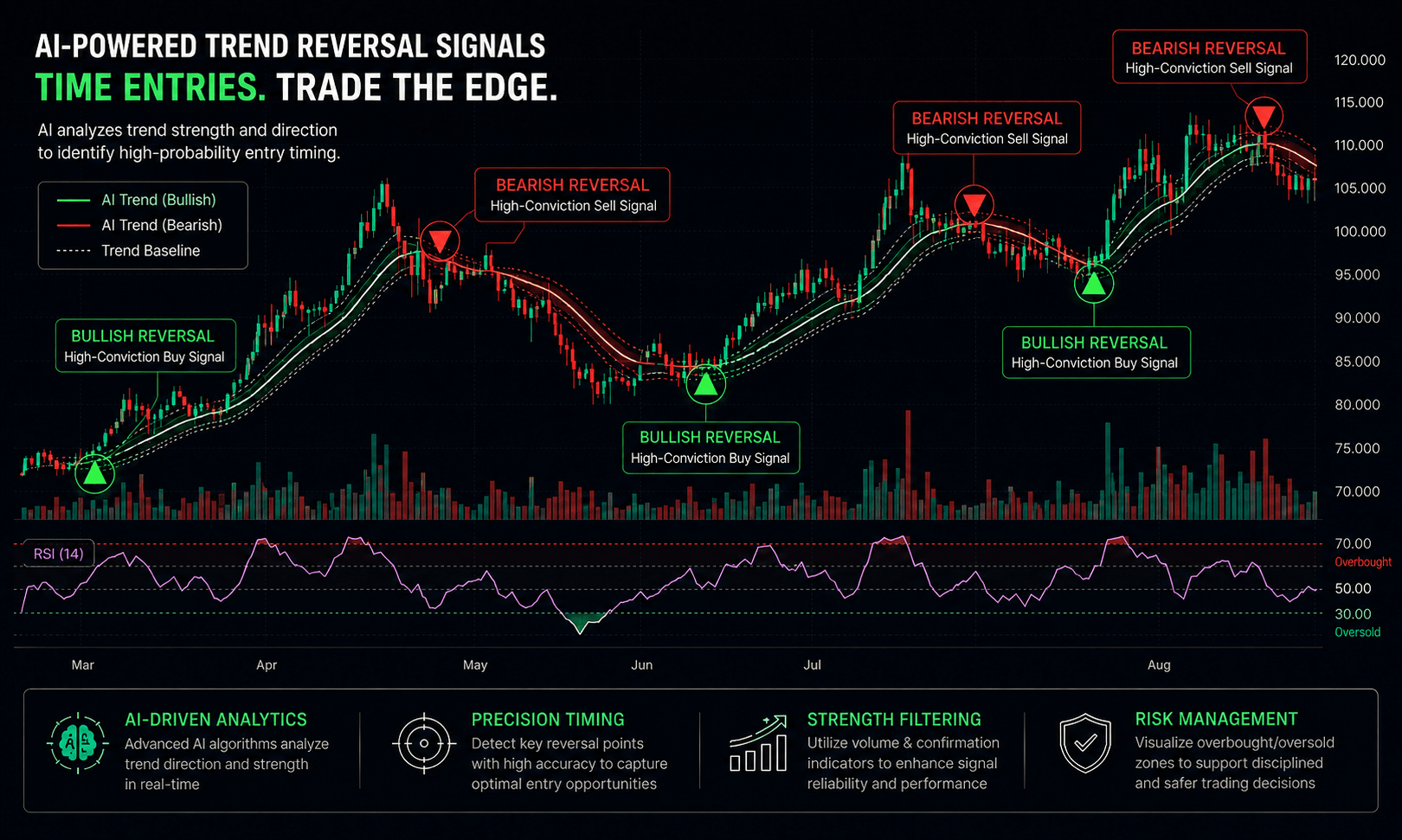
Bull Wave / Bear Wave Forecast Model
Engineered to help you read market direction and momentum faster than the crowd.
- Instantly separate bullish momentum from bearish pressure
- Pinpoint high-probability entry zones with confidence
- Chart signals clear enough for beginners, sharp enough for pros
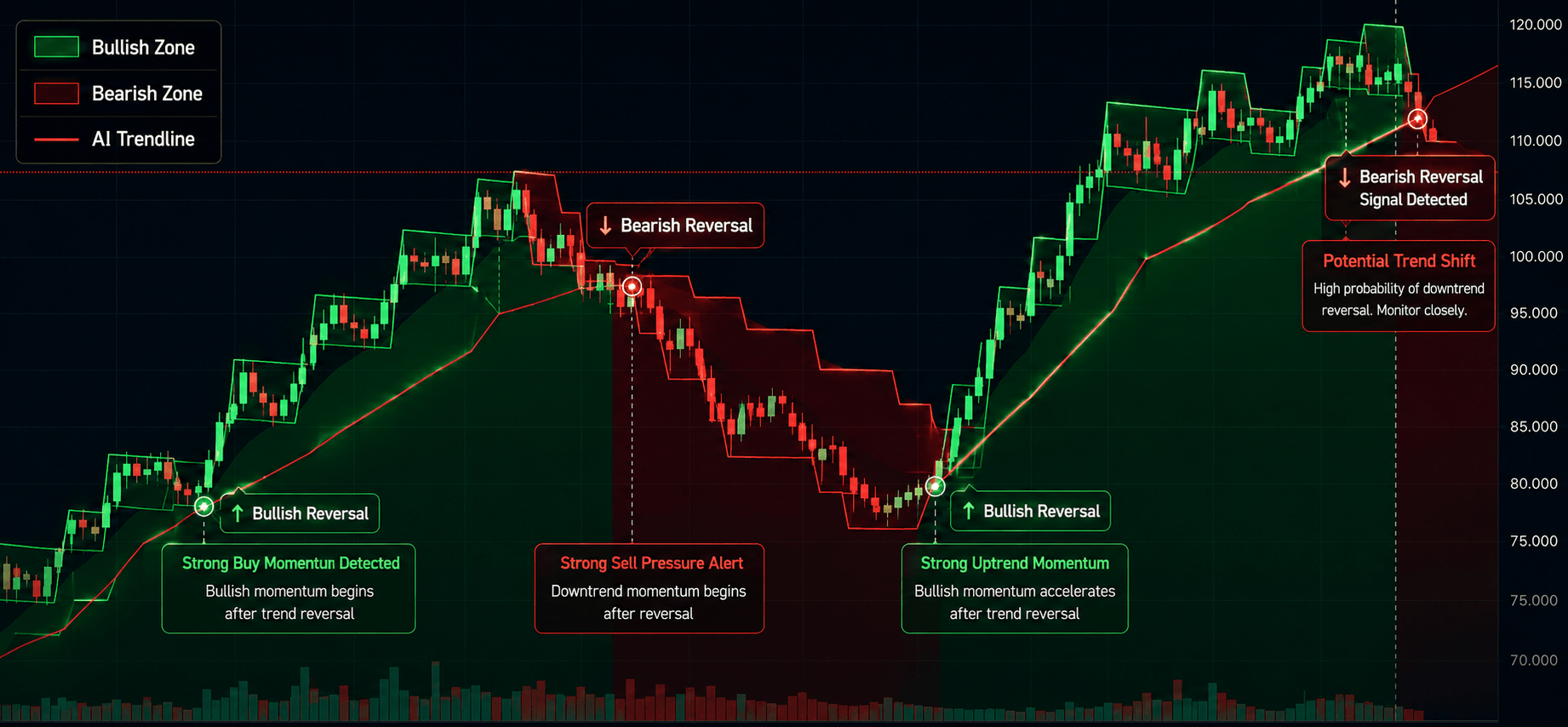
Winning Pattern Detection
Instantly surfaces the high-probability setups that repeat across the charts — a trusted edge for timing your entries and exits.
- Spot momentum building in real time
- Catch trend-reversal points before they break
- Built for active traders who need results, not theory
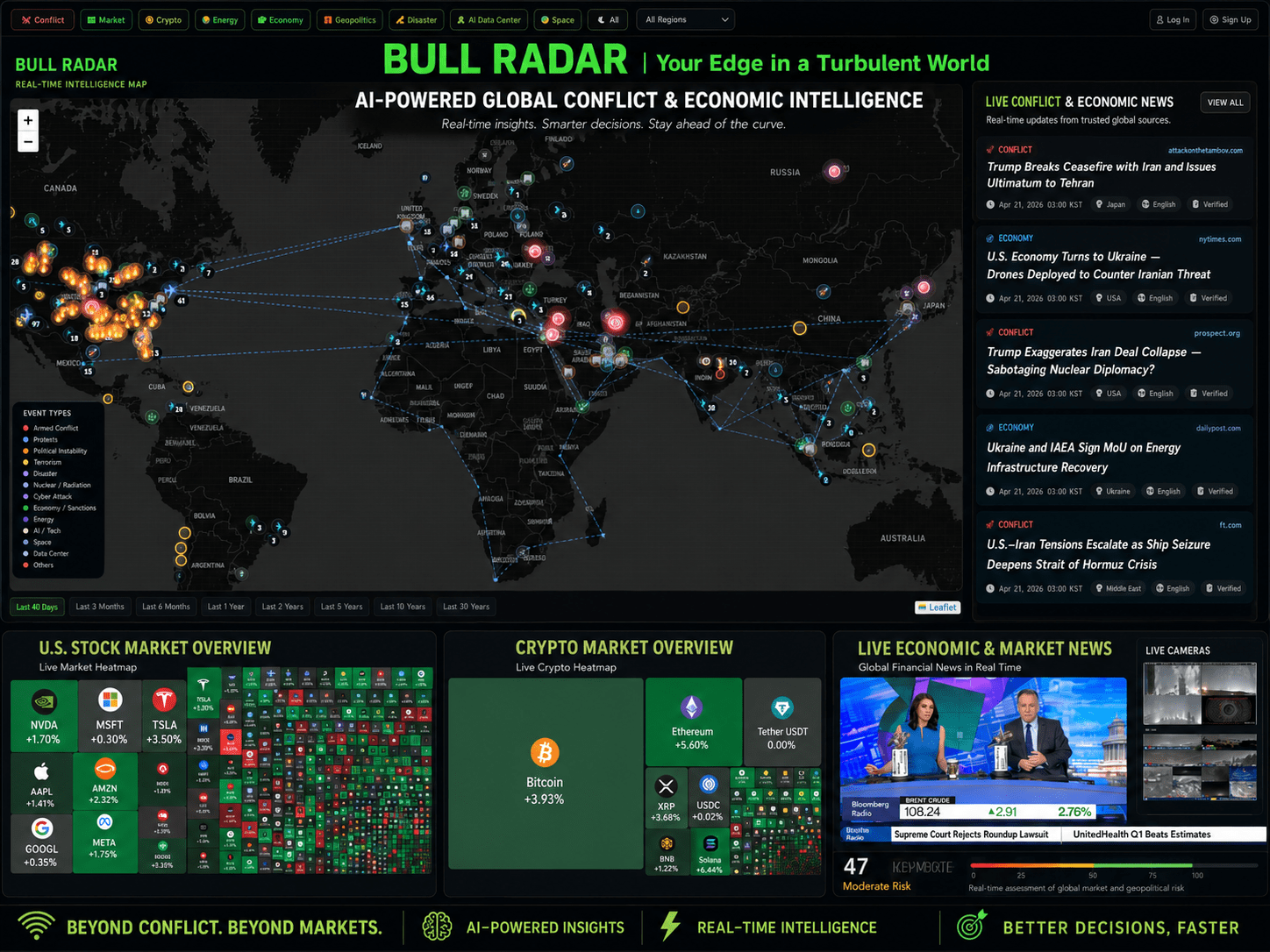
AI Live Economic Dashboard
AI analyzes real-time market data — turning complex, global investment flows into clear insight in seconds.
- Track global stock markets in real time
- See exactly which assets are strong — and which are fading
- Watch how geopolitical events move the markets
About the Author