Index Fund vs. Mutual Fund: The Core Distinction
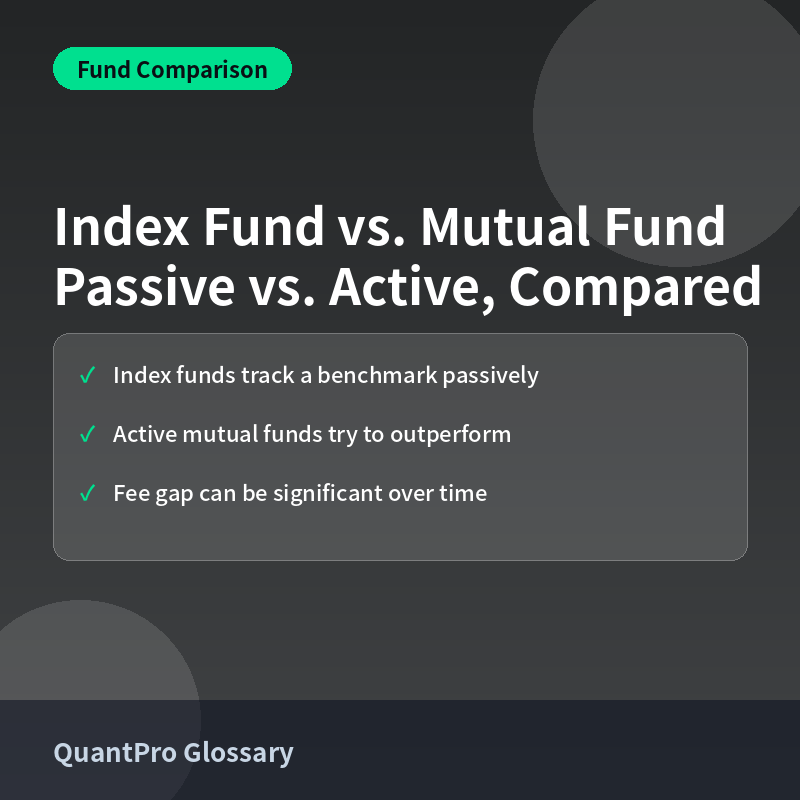
Technically, an index fund is a type of mutual fund, but in everyday usage, ‘mutual fund’ typically refers to an actively managed fund where a professional manager selects individual securities in an attempt to outperform the market. An index fund, by contrast, is passively managed and simply aims to replicate the holdings and performance of a specific benchmark, such as the S&P 500, as closely as possible.
The Cost Difference Is Substantial
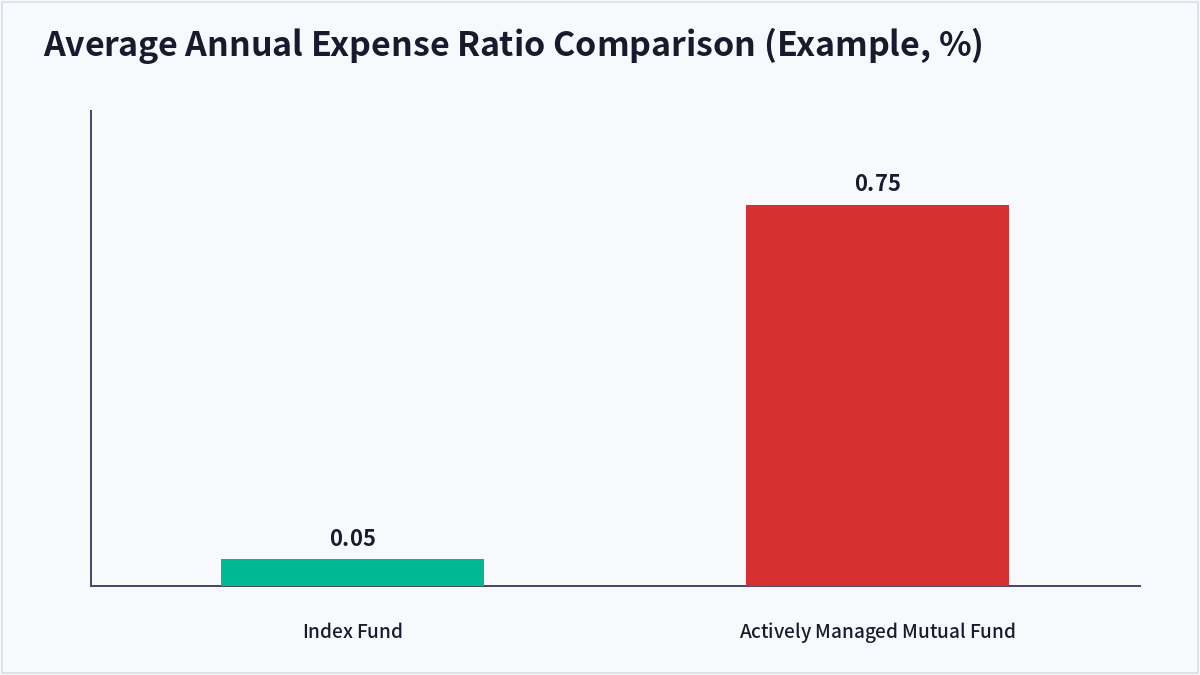
Because index funds don’t require expensive research teams or frequent trading to select securities, their expense ratios are typically far lower — often around 0.05% annually — compared to actively managed mutual funds, which commonly charge 0.5% to 1% or more per year to cover the cost of active management and research.
Performance: Does Active Management Pay Off?
Most Active Funds Underperform Their Benchmark Long-Term
Numerous long-term studies have shown that the majority of actively managed funds fail to consistently outperform their benchmark index after fees are accounted for, which has driven much of the sustained growth in passive index fund investing over recent decades.
Some Active Managers Do Add Value
A minority of skilled managers have demonstrated the ability to generate genuine alpha over long periods, though identifying these managers in advance — rather than in hindsight — remains a significant challenge for investors.
| Feature | Index Fund | Active Mutual Fund |
|---|---|---|
| Management Style | Passive, tracks a benchmark | Active, aims to beat a benchmark |
| Typical Expense Ratio | Low (around 0.05%) | Higher (often 0.5%–1%+) |
| Long-Term Track Record | Matches the market, minus small fees | Majority underperform after fees |
Frequently Asked Questions
Are index funds completely risk-free?
No — index funds still carry full market risk since they mirror their underlying benchmark, meaning they will decline in value along with the broader market during downturns.
Why do so many investors still choose active mutual funds?
Some investors seek the potential for outperformance, downside protection during market declines through active risk management, or exposure to specific strategies not easily captured by a standard index.
Is an ETF the same as an index fund?
Many ETFs are structured as index funds and track a benchmark, but ETFs and mutual funds differ in how they are traded — ETFs trade throughout the day like stocks, while mutual funds are priced and traded once per day.
Can I hold both index funds and active mutual funds together?
Yes, many investors use a ‘core-satellite’ approach, holding low-cost index funds as the core of their portfolio while allocating a smaller portion to actively managed funds for specific strategies or sectors.
Key Takeaways
Index funds passively track a benchmark at low cost, while actively managed mutual funds attempt to outperform through security selection at a higher fee. Historical data shows most active funds underperform after fees, making cost a critical factor in the decision. This article is for informational purposes only and does not constitute investment advice.

QuantPro: AI Finds the Trade Before You Do
From AI-powered chart analysis to real-time market intelligence — everything a serious investor needs, in one platform.
- Automated AI chart analysis with precision trend timing
- Bull Radar: real-time visualization of geopolitical & economic shifts
- Live market-moving news and insights, curated for you
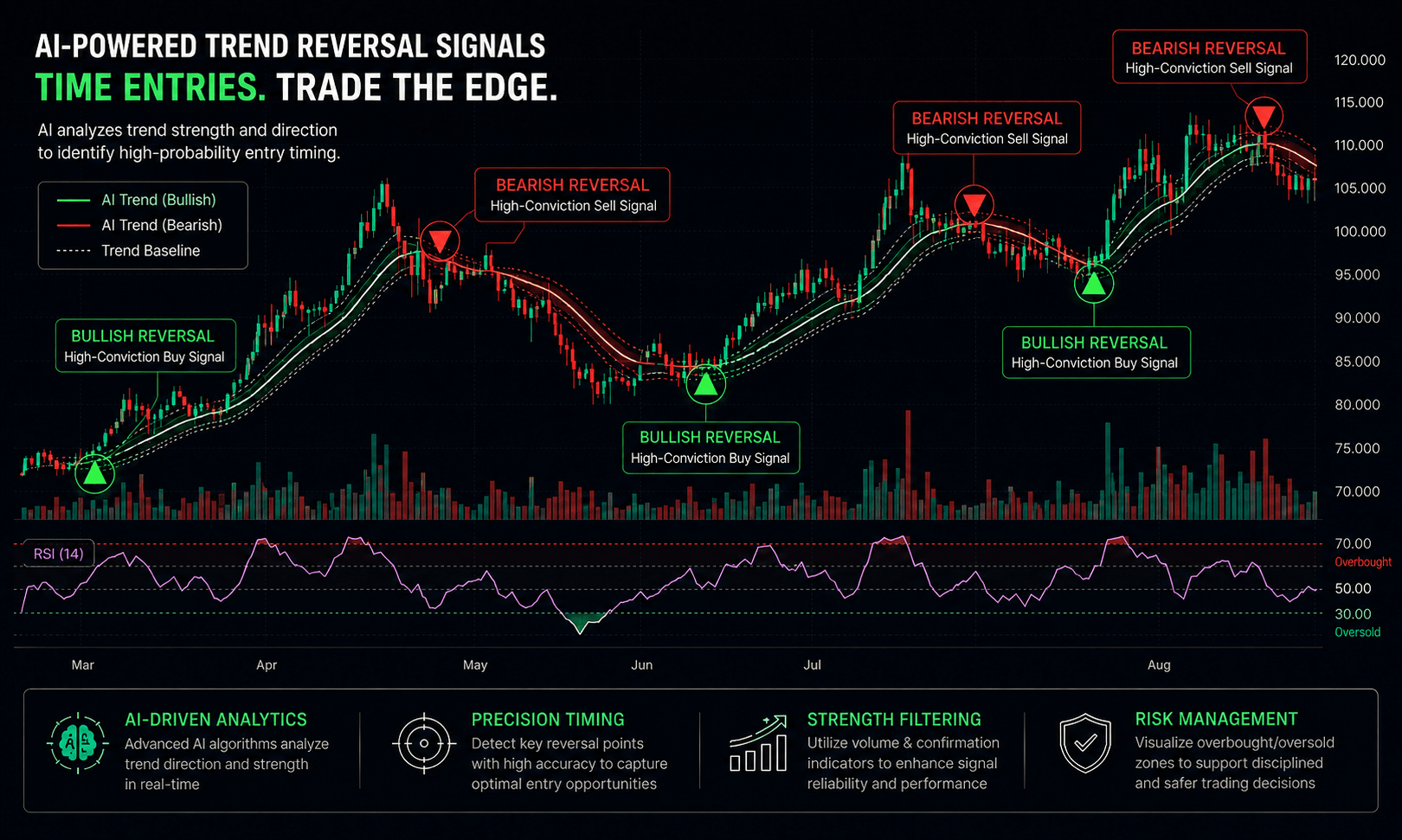
Bull Wave / Bear Wave Forecast Model
Engineered to help you read market direction and momentum faster than the crowd.
- Instantly separate bullish momentum from bearish pressure
- Pinpoint high-probability entry zones with confidence
- Chart signals clear enough for beginners, sharp enough for pros
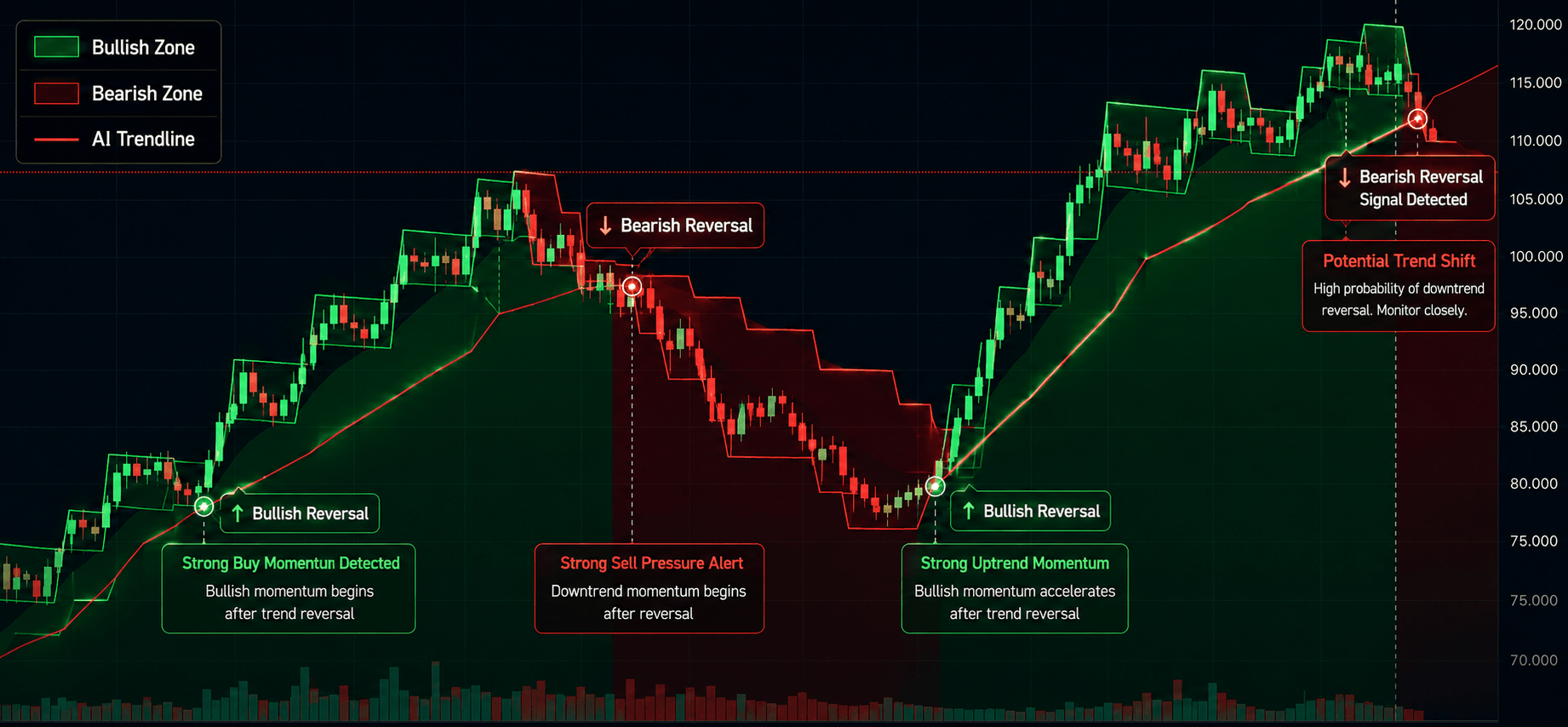
Winning Pattern Detection
Instantly surfaces the high-probability setups that repeat across the charts — a trusted edge for timing your entries and exits.
- Spot momentum building in real time
- Catch trend-reversal points before they break
- Built for active traders who need results, not theory
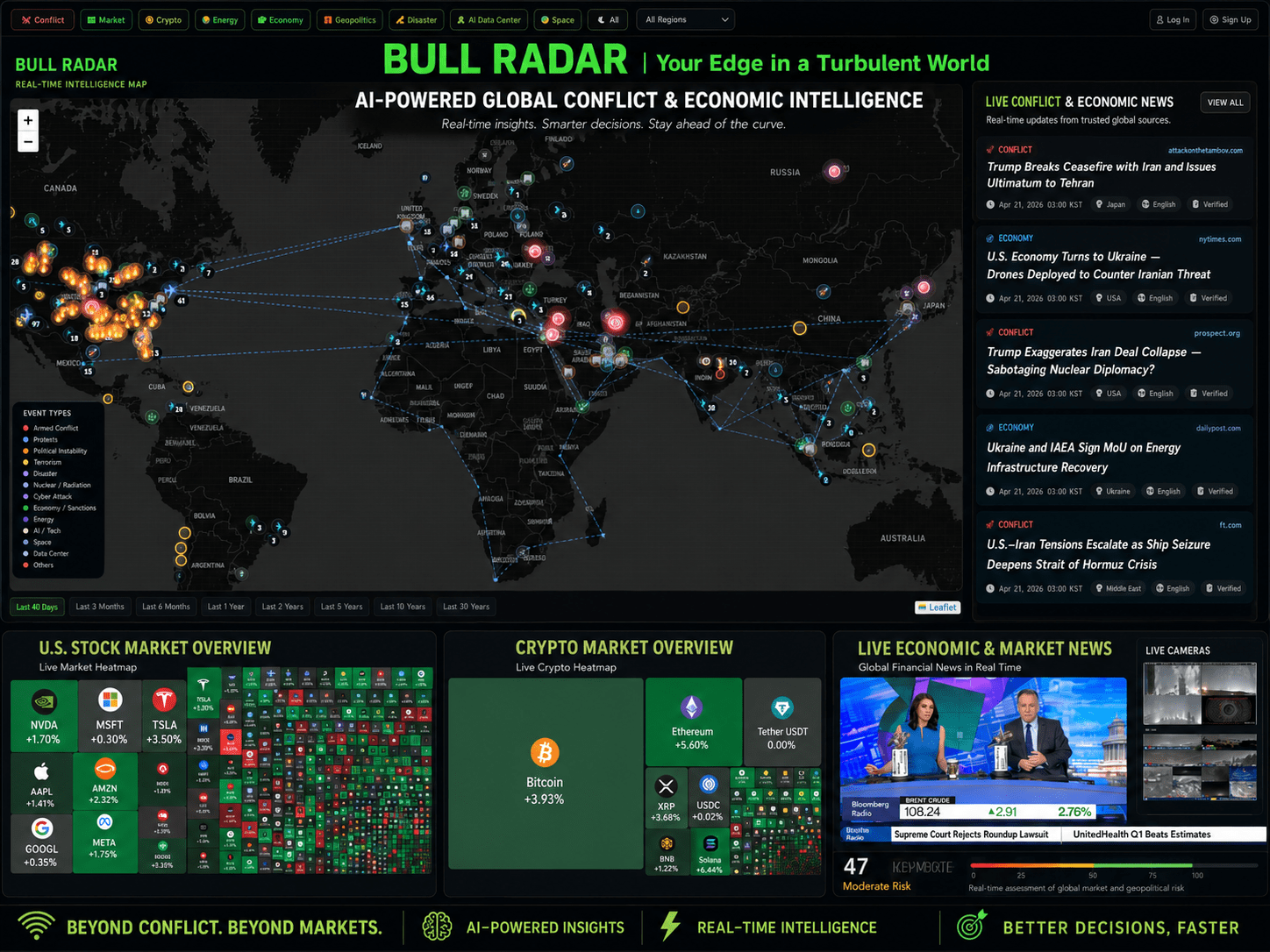
AI Live Economic Dashboard
AI analyzes real-time market data — turning complex, global investment flows into clear insight in seconds.
- Track global stock markets in real time
- See exactly which assets are strong — and which are fading
- Watch how geopolitical events move the markets
About the Author