What Impermanent Loss Is
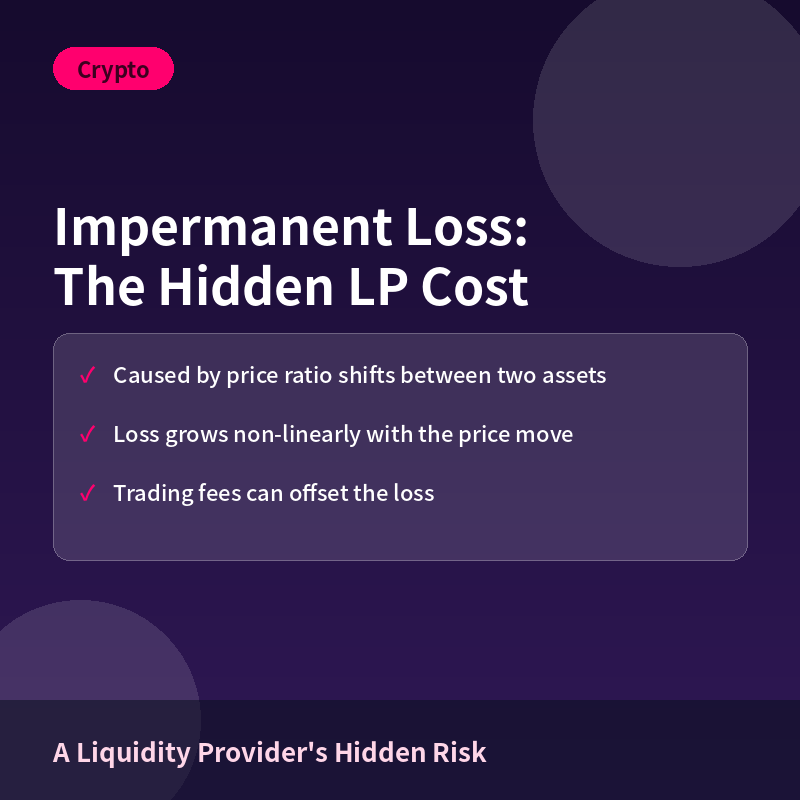
Impermanent loss occurs when a liquidity provider deposits a pair of tokens into an automated market maker (AMM) pool and the price ratio between those tokens shifts from what it was at deposit time, leaving the provider with less value than they would have had by simply holding the two tokens separately.
Why It Happens: The AMM’s Automatic Rebalancing
AMM pools maintain a constant product of the two asset quantities (x times y equals k) to determine price. When one token’s price rises, arbitrageurs buy it out of the pool until the ratio rebalances, which automatically reduces the liquidity provider’s holding of the token that appreciated and increases their holding of the token that didn’t, or fell.
Calculating the Loss
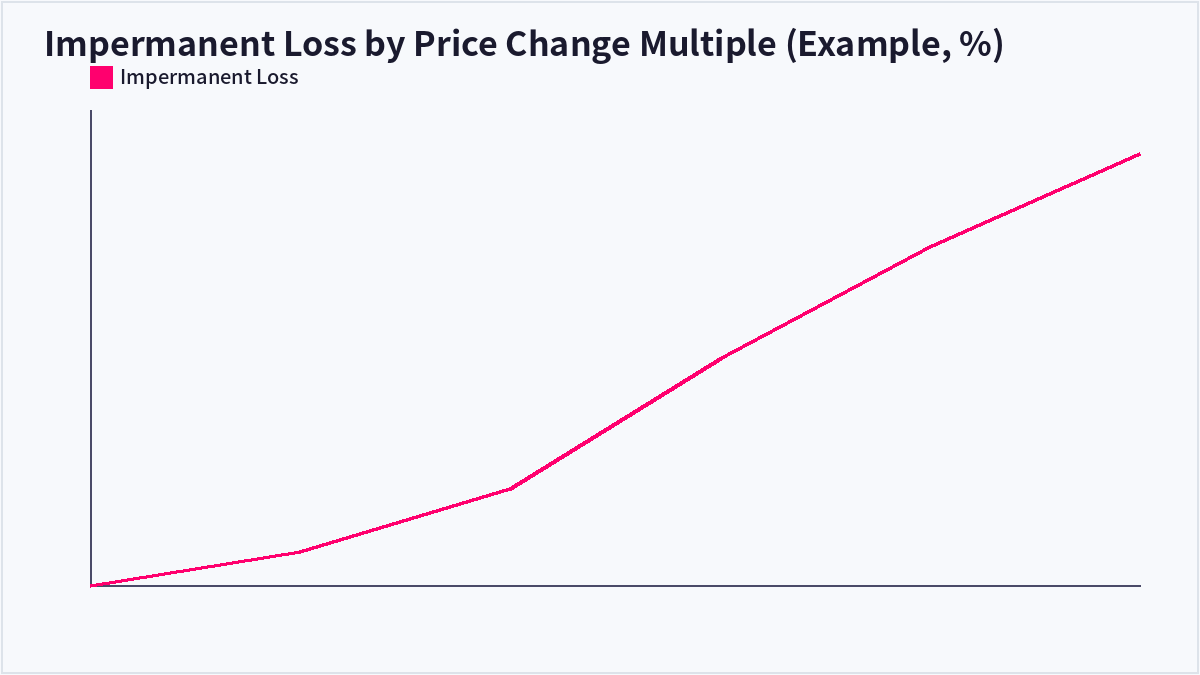
If one token’s price doubles relative to the other since deposit, the liquidity provider experiences roughly a 5.7% loss compared to simply holding both tokens. At 4x, the loss grows to about 20%, and the loss is symmetric whether the price rises or falls by that ratio, growing non-linearly as the price divergence widens.
How Trading Fees Offset the Loss
Liquidity providers earn a share of trading fees generated by the pool, so for sufficiently active pools, accumulated fee income can outweigh impermanent loss entirely. Whether a position is actually profitable depends on both the price swing and the pool’s trading volume and fee rate together.
| Price Change Multiple | Impermanent Loss |
|---|---|
| 1.25x | About 0.6% |
| 1.5x | About 2.0% |
| 2x | About 5.7% |
| 4x | About 20.0% |
Frequently Asked Questions
Why is it called ‘impermanent’?
The loss is called impermanent because it disappears if the price ratio returns to its original level, but if tokens are withdrawn while the ratio is still shifted, the loss becomes realized and permanent.
Are stablecoin pairs safe from impermanent loss?
Pairs of two assets both pegged to the same value, like two stablecoins, carry very low impermanent loss risk since their price ratio rarely shifts much, though depeg risk remains a separate concern.
Can impermanent loss be reduced?
Choosing pairs of highly correlated assets, or using concentrated liquidity positions focused on a specific price range, are strategies used to manage impermanent loss exposure.
Does a higher fee tier always mean better returns?
Not necessarily; a high fee rate on a pool with low trading volume may still generate less absolute fee income than a lower fee rate on a high-volume pool, so both factors need to be weighed together.
Key Takeaways
Impermanent loss reflects the value a liquidity provider gives up when the price ratio between two pooled tokens shifts, with the loss growing non-linearly as that divergence widens. Comparing accumulated trading fees against the potential loss is the key step in judging whether a liquidity position is actually profitable. This article is for informational purposes only and does not constitute investment advice.

QuantPro: AI Finds the Trade Before You Do
From AI-powered chart analysis to real-time market intelligence — everything a serious investor needs, in one platform.
- Automated AI chart analysis with precision trend timing
- Bull Radar: real-time visualization of geopolitical & economic shifts
- Live market-moving news and insights, curated for you
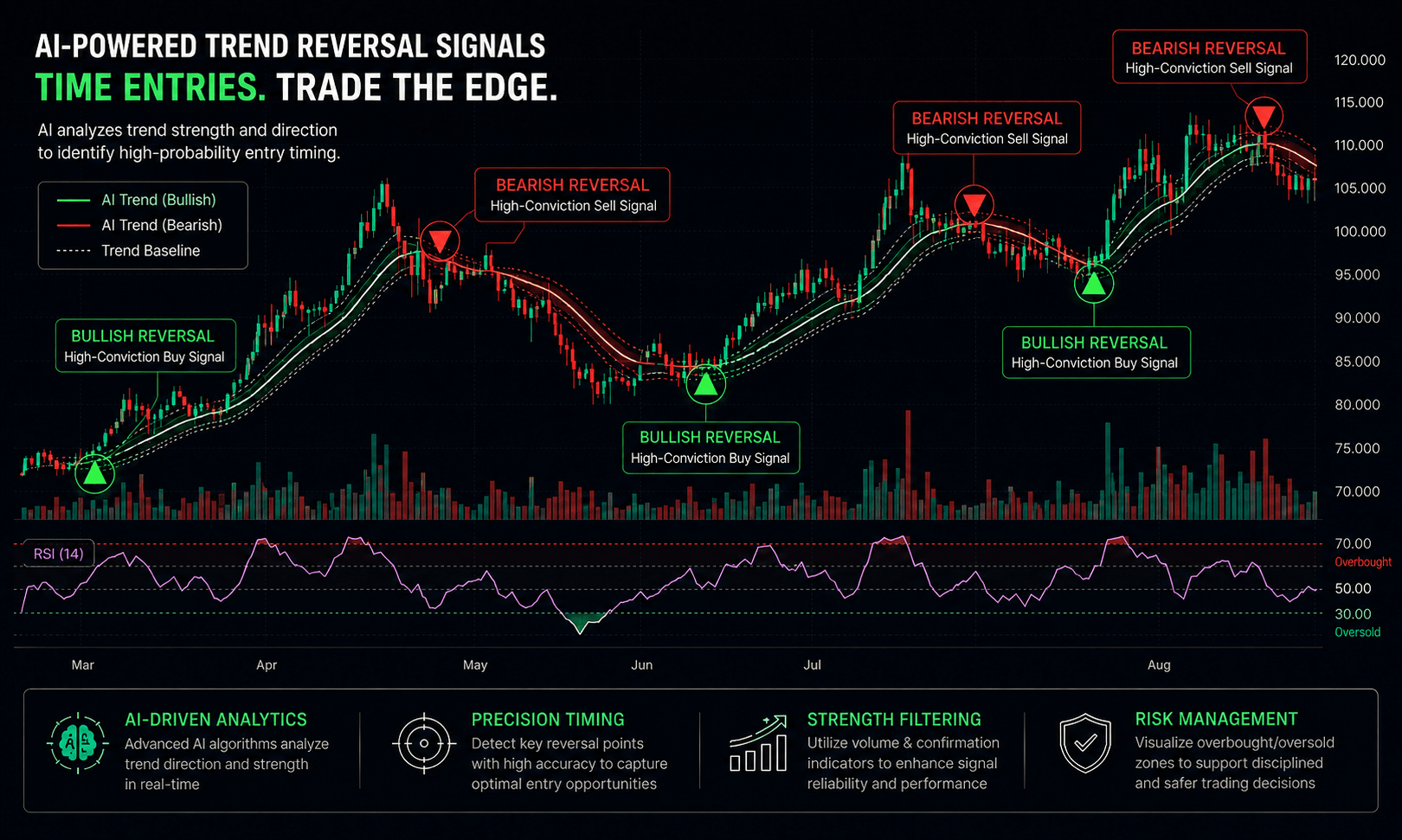
Bull Wave / Bear Wave Forecast Model
Engineered to help you read market direction and momentum faster than the crowd.
- Instantly separate bullish momentum from bearish pressure
- Pinpoint high-probability entry zones with confidence
- Chart signals clear enough for beginners, sharp enough for pros
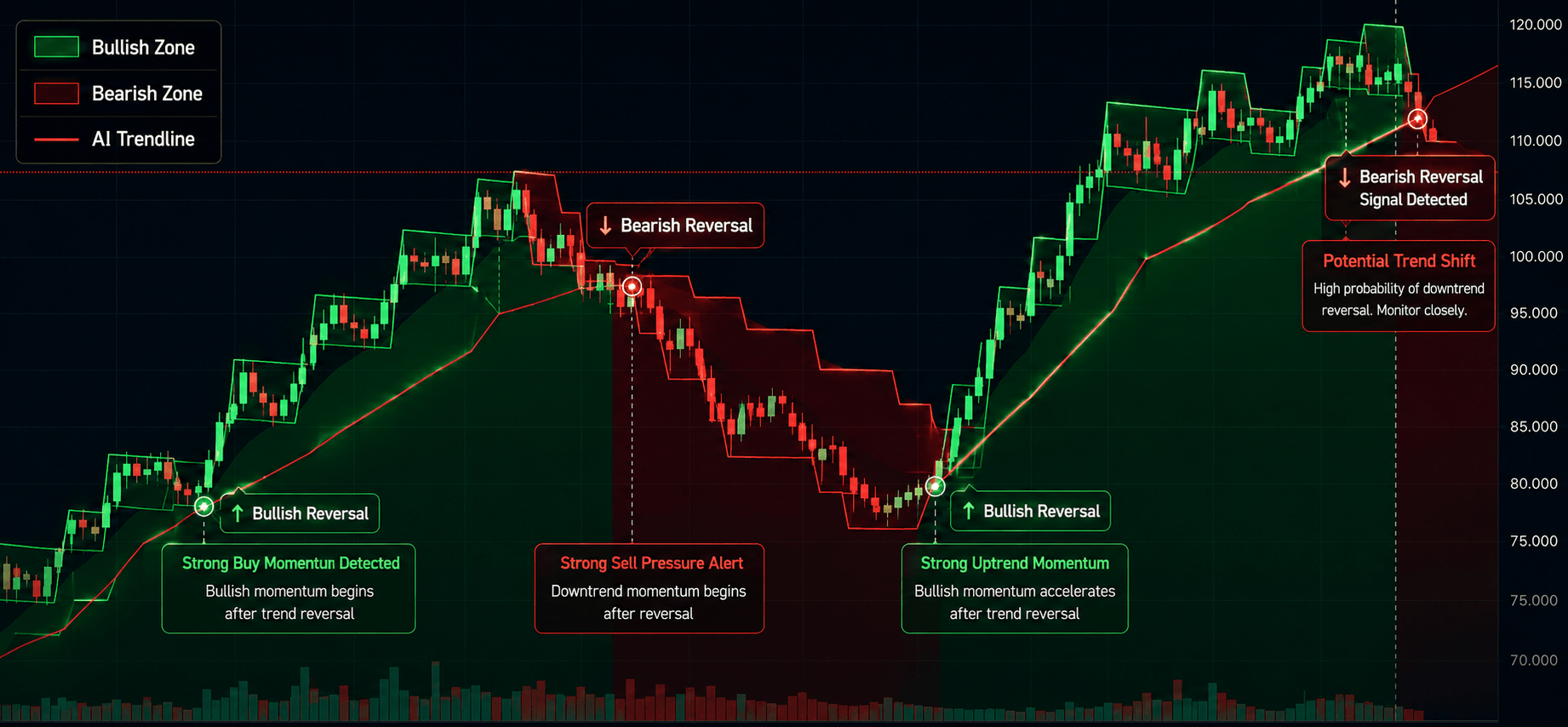
Winning Pattern Detection
Instantly surfaces the high-probability setups that repeat across the charts — a trusted edge for timing your entries and exits.
- Spot momentum building in real time
- Catch trend-reversal points before they break
- Built for active traders who need results, not theory
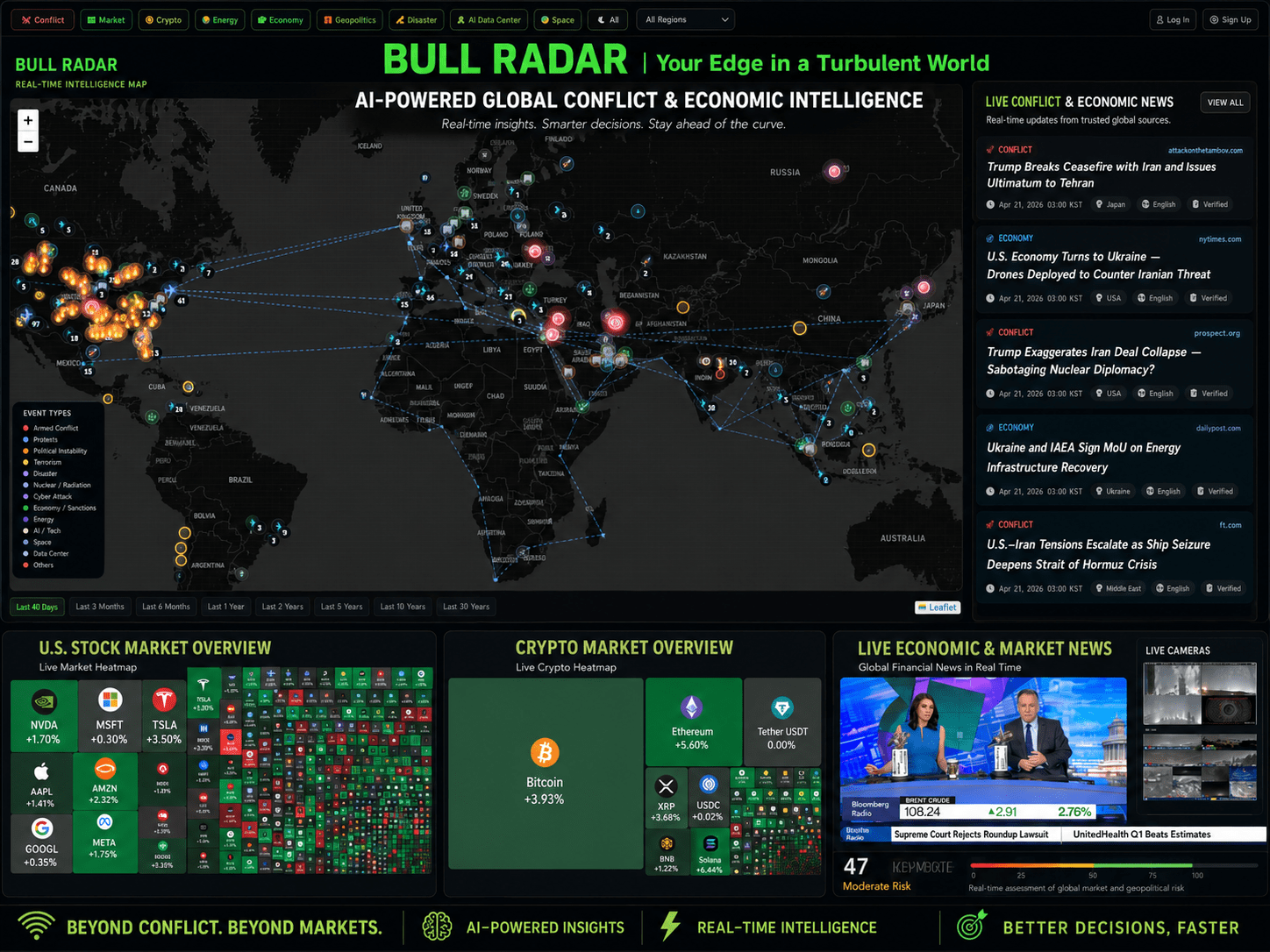
AI Live Economic Dashboard
AI analyzes real-time market data — turning complex, global investment flows into clear insight in seconds.
- Track global stock markets in real time
- See exactly which assets are strong — and which are fading
- Watch how geopolitical events move the markets
About the Author