What Basis Means
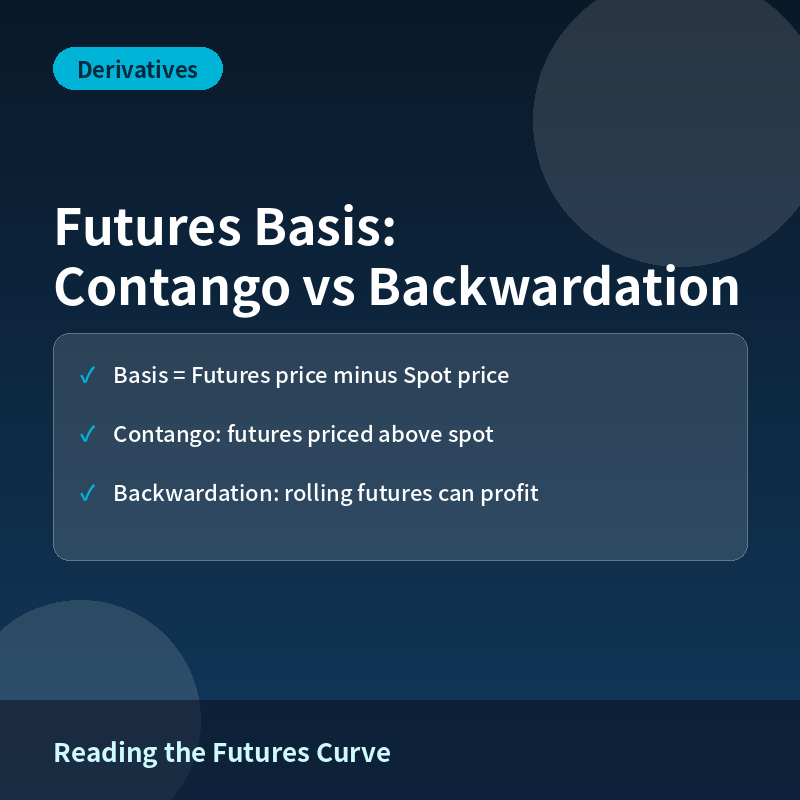
Basis is the difference between the futures price and the spot price of the same underlying asset. As a contract approaches expiration, basis typically narrows and theoretically converges to zero at expiry, since the futures and spot prices must align by then.
Contango: Futures Priced Above Spot
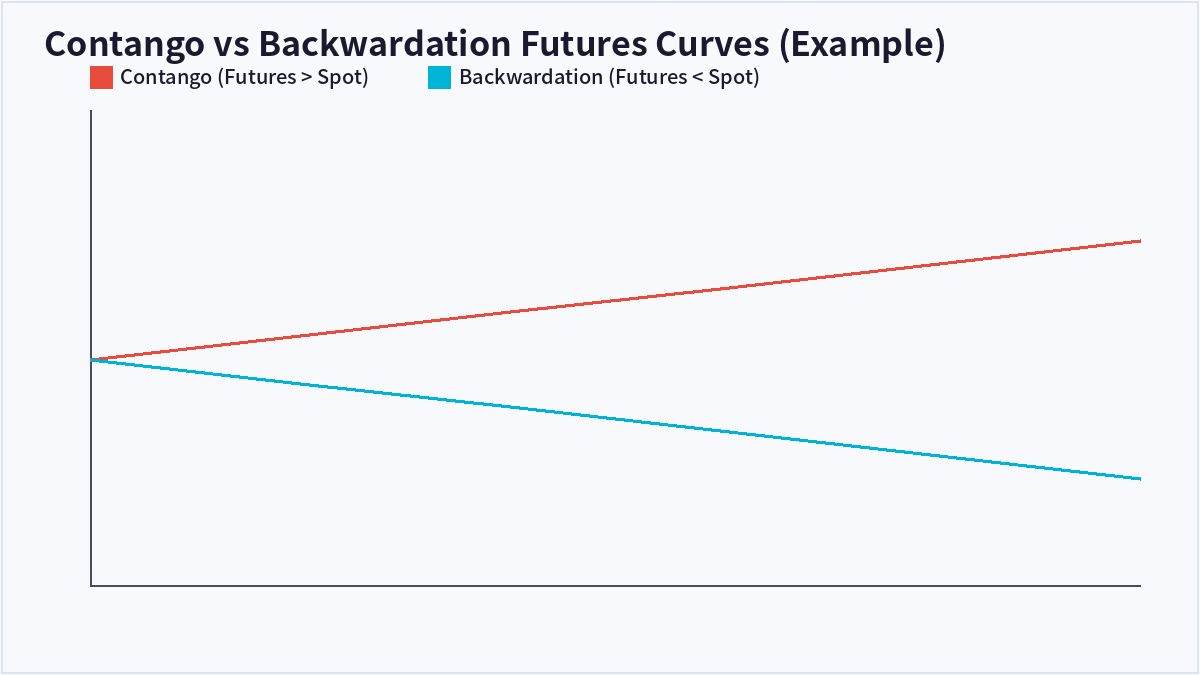
Contango describes a market structure where futures prices sit above the spot price, common in many commodity markets once storage and financing costs are factored in. In this structure, rolling an expiring futures contract into a new one means buying at a higher price, creating a roll cost that erodes returns over time.
Backwardation: Futures Priced Below Spot
Backwardation is the opposite, futures priced below spot, typically appearing when current supply is tight or near-term demand is unusually strong. In this structure, rolling into a new contract can actually generate roll yield, since the new contract is bought at a lower price.
Practical Implications for Investors
For investors in commodity or oil futures ETFs, whether the market is in contango or backwardation can meaningfully affect long-term returns even if the spot price stays flat, making the shape of the futures curve just as important to check as the underlying’s price outlook.
| Structure | Contango | Backwardation |
|---|---|---|
| Price relationship | Futures > Spot | Futures < Spot |
| Roll yield effect | Cost (unfavorable) | Gain (favorable) |
| Typically seen when | Storage costs dominate, normal markets | Supply shortage, strong near-term demand |
Frequently Asked Questions
Is basis always positive or always negative?
No, it shifts between contango and backwardation depending on supply and demand conditions, and even the same commodity can switch structure over time.
Do stock index futures show contango or backwardation too?
Yes, depending on dividend yields and interest rates, stock index futures can trade in either contango or backwardation, with high-dividend indices sometimes showing backwardation.
Can roll costs be avoided?
Diversifying across futures contracts with different expirations, or using spot-based products instead of heavily contango-affected futures ETFs, are strategies used to manage roll cost exposure.
What is basis trading?
Basis trading involves taking offsetting positions in futures and spot markets to profit from an expected narrowing or widening of the basis itself, a form of arbitrage strategy.
Key Takeaways
Futures basis captures the gap between futures and spot prices, and whether a market sits in contango or backwardation determines whether rolling contracts costs money or generates yield. Commodity futures ETF investors in particular should watch this structure, not just the spot price outlook. This article is for informational purposes only and does not constitute investment advice.

QuantPro: AI Finds the Trade Before You Do
From AI-powered chart analysis to real-time market intelligence — everything a serious investor needs, in one platform.
- Automated AI chart analysis with precision trend timing
- Bull Radar: real-time visualization of geopolitical & economic shifts
- Live market-moving news and insights, curated for you
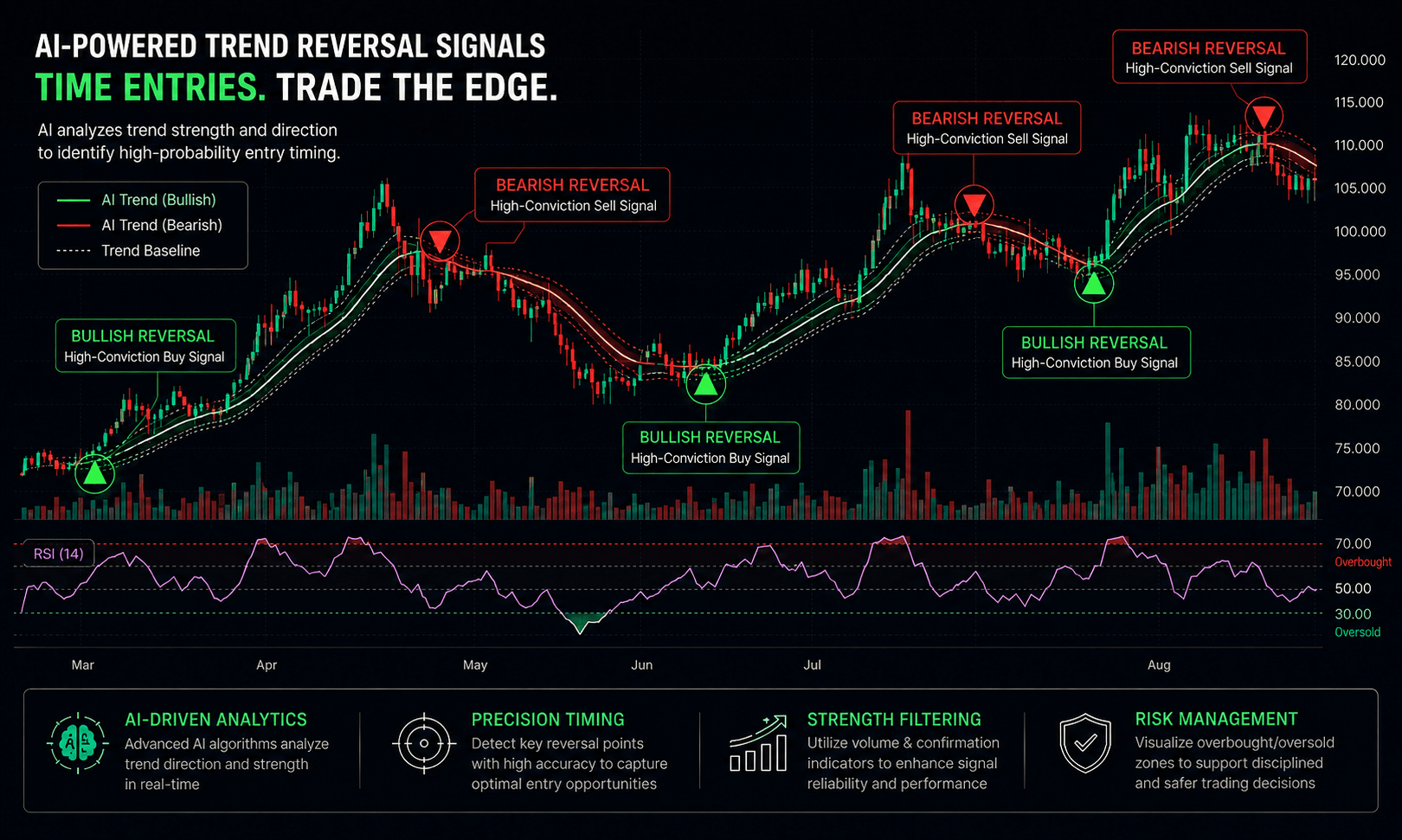
Bull Wave / Bear Wave Forecast Model
Engineered to help you read market direction and momentum faster than the crowd.
- Instantly separate bullish momentum from bearish pressure
- Pinpoint high-probability entry zones with confidence
- Chart signals clear enough for beginners, sharp enough for pros
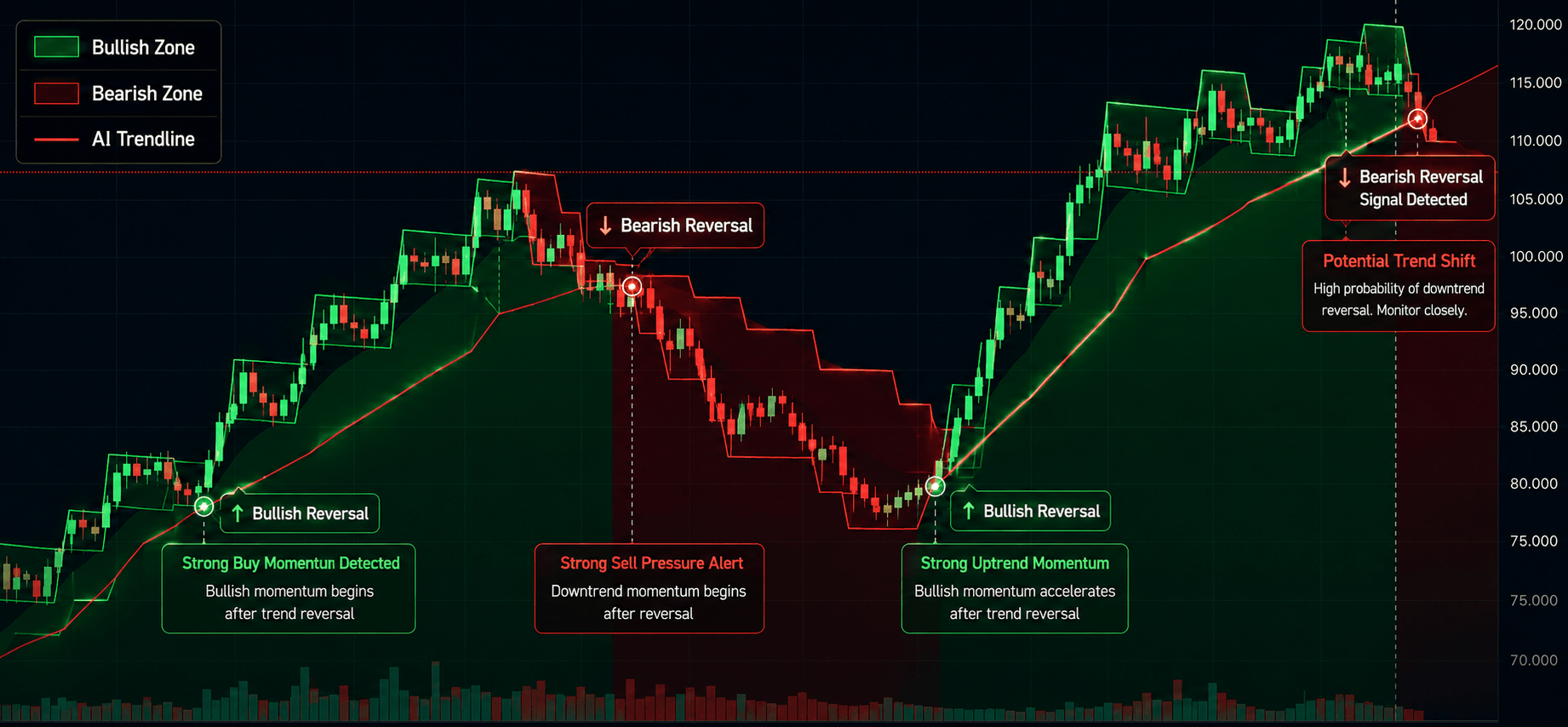
Winning Pattern Detection
Instantly surfaces the high-probability setups that repeat across the charts — a trusted edge for timing your entries and exits.
- Spot momentum building in real time
- Catch trend-reversal points before they break
- Built for active traders who need results, not theory
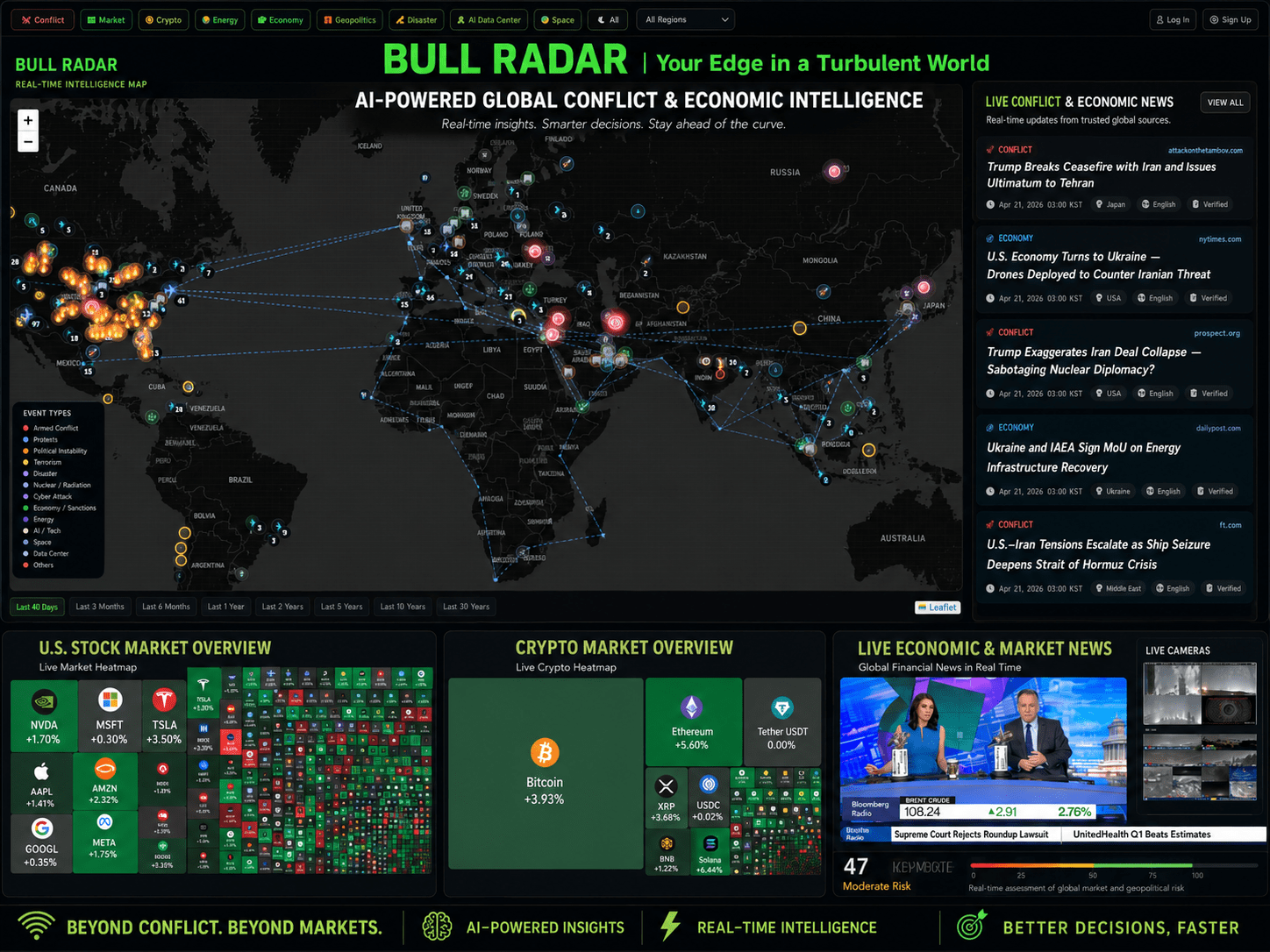
AI Live Economic Dashboard
AI analyzes real-time market data — turning complex, global investment flows into clear insight in seconds.
- Track global stock markets in real time
- See exactly which assets are strong — and which are fading
- Watch how geopolitical events move the markets
About the Author