Definitions
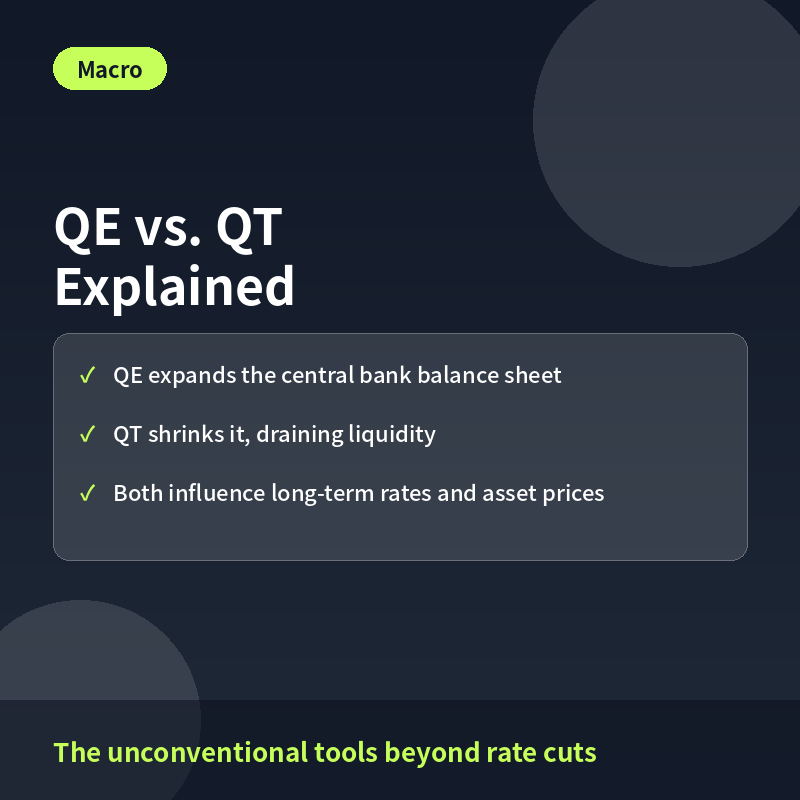
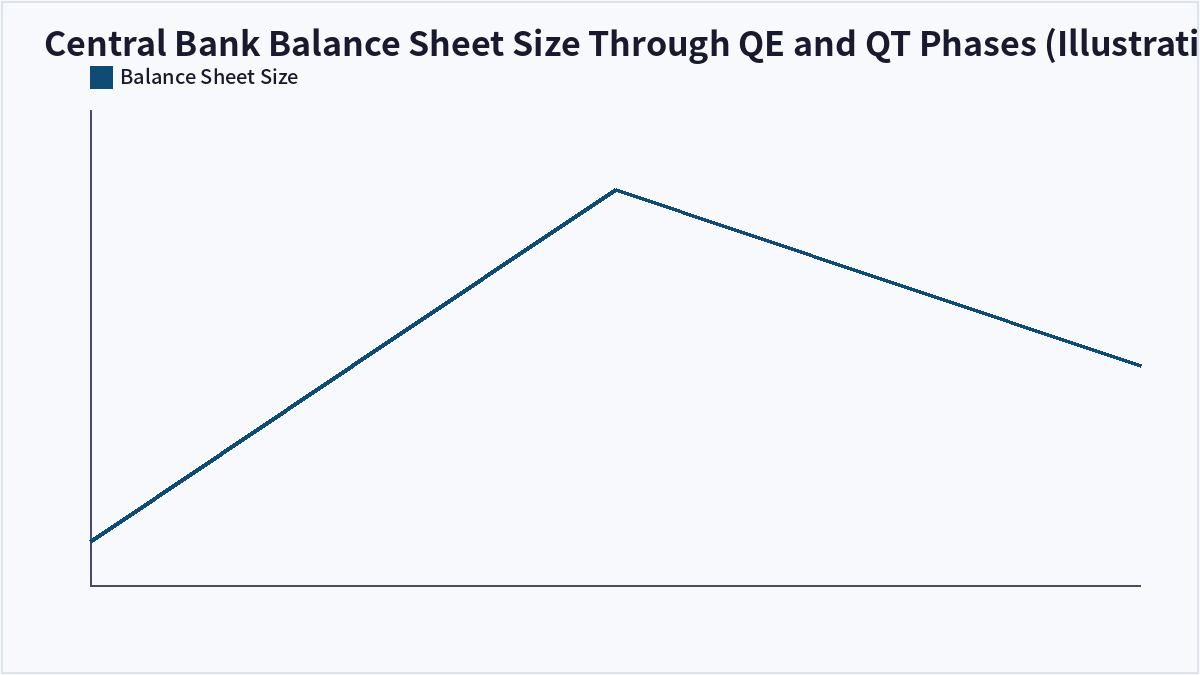
Quantitative easing (QE) is an unconventional monetary policy in which a central bank purchases large quantities of government bonds or other assets to inject liquidity directly into the financial system.
Quantitative tightening (QT) is the reverse process, where the central bank lets its holdings mature without reinvesting the proceeds, or actively sells assets, thereby withdrawing liquidity from the system.
How They Work
When short-term policy rates are already near zero and offer little room for further cuts, central banks turn to QE to push down long-term interest rates and stimulate the economy through direct asset purchases.
When inflation runs too hot, central banks may pursue QT to shrink their balance sheet, which tends to put upward pressure on market interest rates as liquidity in the system is reduced.
Why It Matters to Investors
QE periods have historically coincided with rising prices for stocks, real estate, and other risk assets as abundant liquidity searched for returns, while QT periods have often brought increased volatility as that liquidity support is withdrawn.
QE vs. QT Compared
The two policies move the central bank’s balance sheet, and by extension market liquidity, in opposite directions.
| Aspect | Quantitative Easing (QE) | Quantitative Tightening (QT) |
|---|---|---|
| Central bank action | Buys assets (balance sheet expands) | Reduces assets (balance sheet shrinks) |
| Market liquidity | Increases | Decreases |
| Typical timing | Recession, low-inflation periods | Overheating, high-inflation periods |
| Typical effect on risk assets | Upward pressure on prices | Downward pressure on prices |
Frequently Asked Questions
Is QE the same as printing money?
It expands central bank reserves used to buy assets, which does increase the money supply in a broad sense, but the mechanism differs from physically printing currency.
Why does QT create market stress?
Reduced liquidity and increased bond supply in private hands can push market interest rates higher, which in turn pressures valuations across risk assets, including stocks.
Does QE always cause inflation?
It depends on how much of the injected liquidity flows into the real economy and how quickly, so QE does not automatically or proportionally translate into higher inflation.
Have other central banks besides the U.S. Federal Reserve used QE and QT?
Yes, central banks including the European Central Bank and the Bank of Japan have used similar balance sheet tools, though the scale and duration have varied significantly by institution.
Key Takeaways
QE and QT represent opposite ends of central bank balance sheet policy, expanding or contracting system-wide liquidity, and tracking which direction a central bank is moving is key to understanding broader asset market trends. This article is for informational purposes only and does not constitute investment advice.

QuantPro: AI Finds the Trade Before You Do
From AI-powered chart analysis to real-time market intelligence — everything a serious investor needs, in one platform.
- Automated AI chart analysis with precision trend timing
- Bull Radar: real-time visualization of geopolitical & economic shifts
- Live market-moving news and insights, curated for you
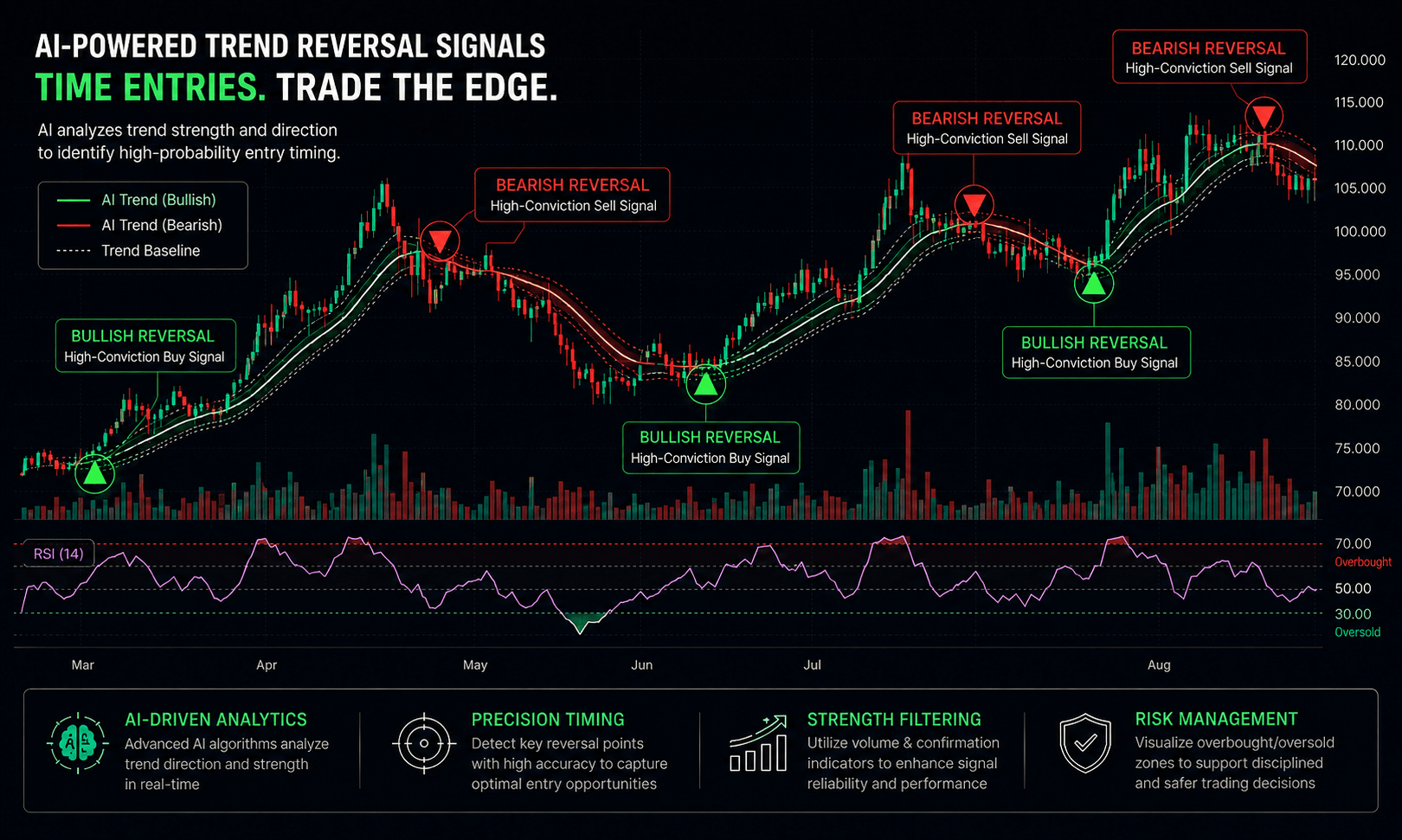
Bull Wave / Bear Wave Forecast Model
Engineered to help you read market direction and momentum faster than the crowd.
- Instantly separate bullish momentum from bearish pressure
- Pinpoint high-probability entry zones with confidence
- Chart signals clear enough for beginners, sharp enough for pros
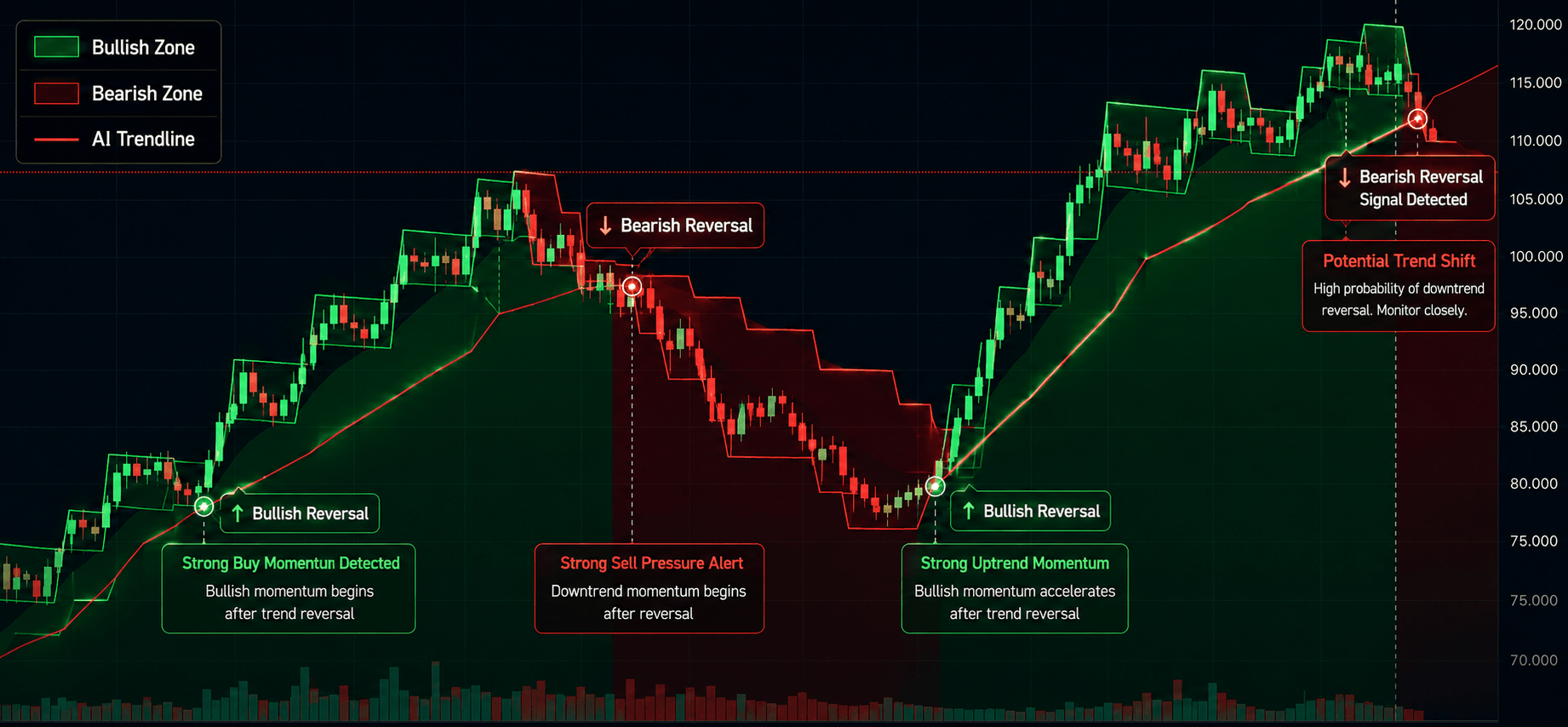
Winning Pattern Detection
Instantly surfaces the high-probability setups that repeat across the charts — a trusted edge for timing your entries and exits.
- Spot momentum building in real time
- Catch trend-reversal points before they break
- Built for active traders who need results, not theory
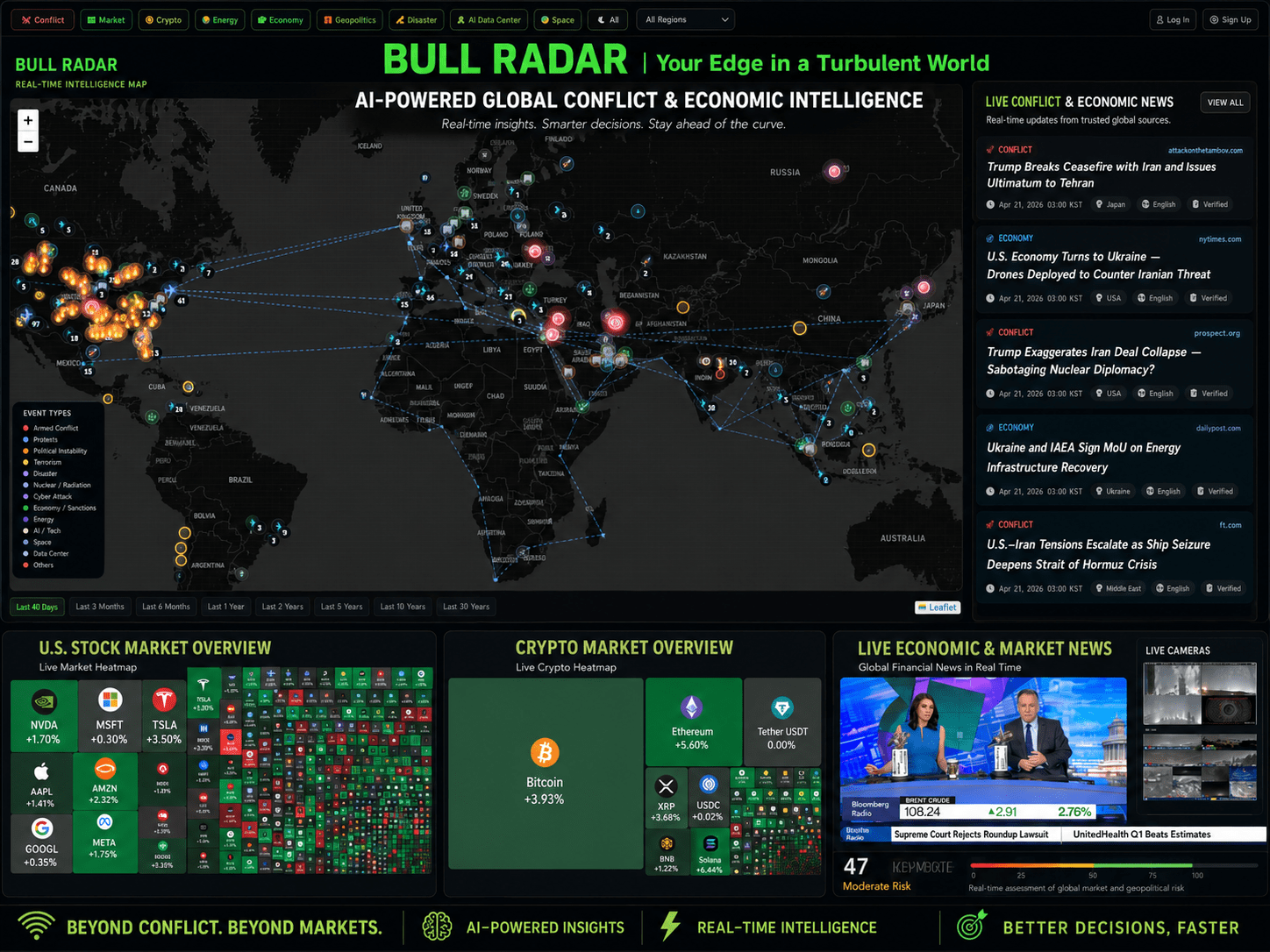
AI Live Economic Dashboard
AI analyzes real-time market data — turning complex, global investment flows into clear insight in seconds.
- Track global stock markets in real time
- See exactly which assets are strong — and which are fading
- Watch how geopolitical events move the markets
About the Author