What Is an Economic Moat?
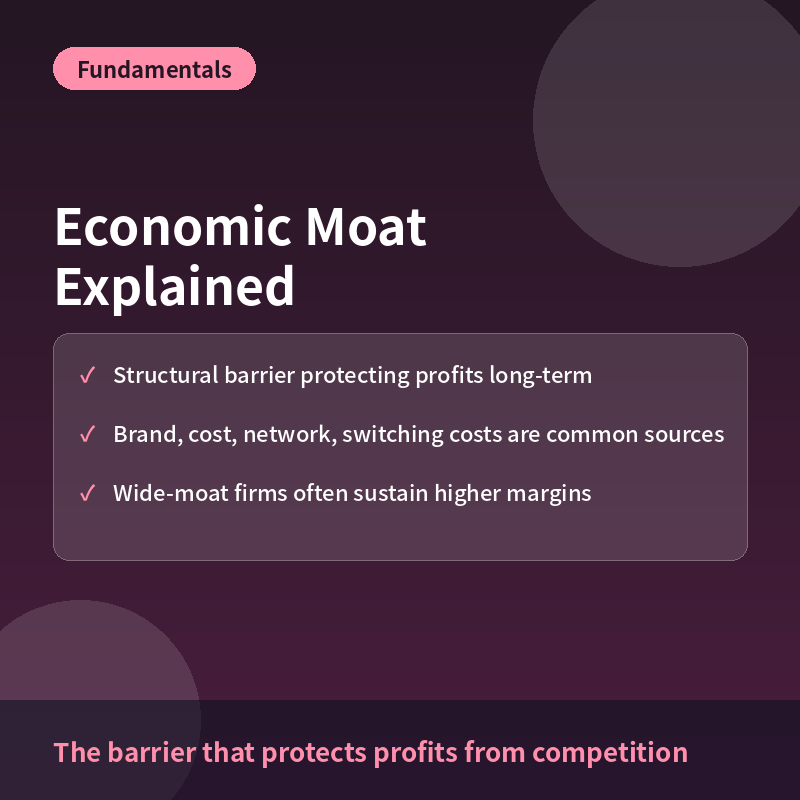
An economic moat is a durable competitive advantage that protects a company’s profits and market share from being eroded by competitors over the long run, a term popularized by investor Warren Buffett.
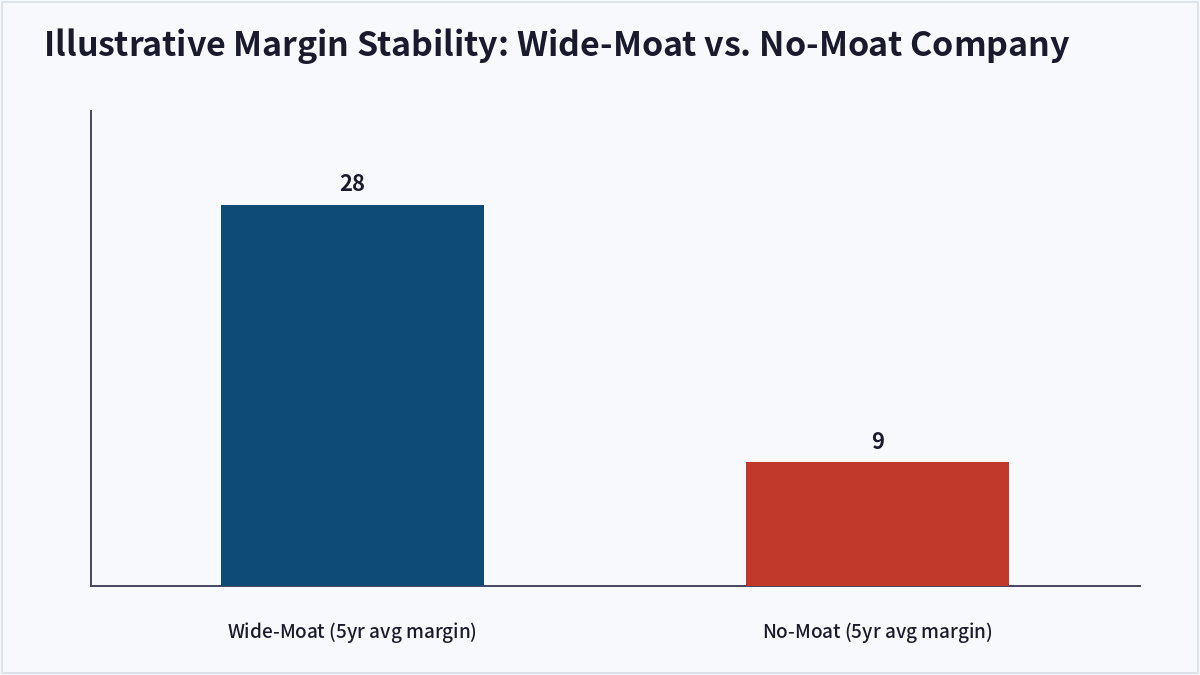
Companies with wide moats can sustain higher returns on capital for longer periods, because rivals struggle to replicate their advantage even with significant investment.
Common Sources of a Moat
Cost advantages let a company underprice competitors while maintaining margins, often built through scale, proprietary technology, or unique access to resources.
Network effects, high switching costs, intangible assets like brands and patents, and efficient scale in a limited market are the other classic sources analysts look for when assessing moat strength.
Why It Matters to Investors
Because a wide moat allows a company to defend its profitability against competitive pressure for years, investors often view moat strength as a key input when judging whether a premium valuation is justified.
Moat Sources at a Glance
Each source of competitive advantage works through a different mechanism to keep rivals at bay.
| Moat Source | Mechanism | Example Type |
|---|---|---|
| Cost advantage | Lower costs allow sustainable pricing power | Scale-driven manufacturers |
| Network effect | Value rises as more users join the platform | Online marketplaces, payment networks |
| Switching costs | Customers face friction leaving for a rival | Enterprise software providers |
| Intangible assets | Brand trust or patents deter competitors | Consumer brands, pharmaceutical patents |
Frequently Asked Questions
Can a company lose its economic moat?
Yes, technological shifts, regulatory changes, or new entrants can erode even well-established moats over time, so moat strength should be reassessed periodically rather than assumed permanent.
Does a wide moat always justify a high valuation?
Not automatically — even a durable moat needs to be weighed against the price paid, since overpaying for quality can still lead to disappointing investment returns.
How do analysts measure moat strength?
There is no single formula; analysts typically look at sustained returns on invested capital, market share stability, and pricing power over multiple years as supporting evidence.
Are moats only relevant for large companies?
No, smaller companies can also possess narrow but genuine moats, such as a dominant position in a small, specialized niche market that larger competitors find unattractive to enter.
Key Takeaways
An economic moat describes the structural barriers that let a company defend its profitability from competitors over time, making moat analysis a valuable complement to traditional valuation metrics. This article is for informational purposes only and does not constitute investment advice.

QuantPro: AI Finds the Trade Before You Do
From AI-powered chart analysis to real-time market intelligence — everything a serious investor needs, in one platform.
- Automated AI chart analysis with precision trend timing
- Bull Radar: real-time visualization of geopolitical & economic shifts
- Live market-moving news and insights, curated for you
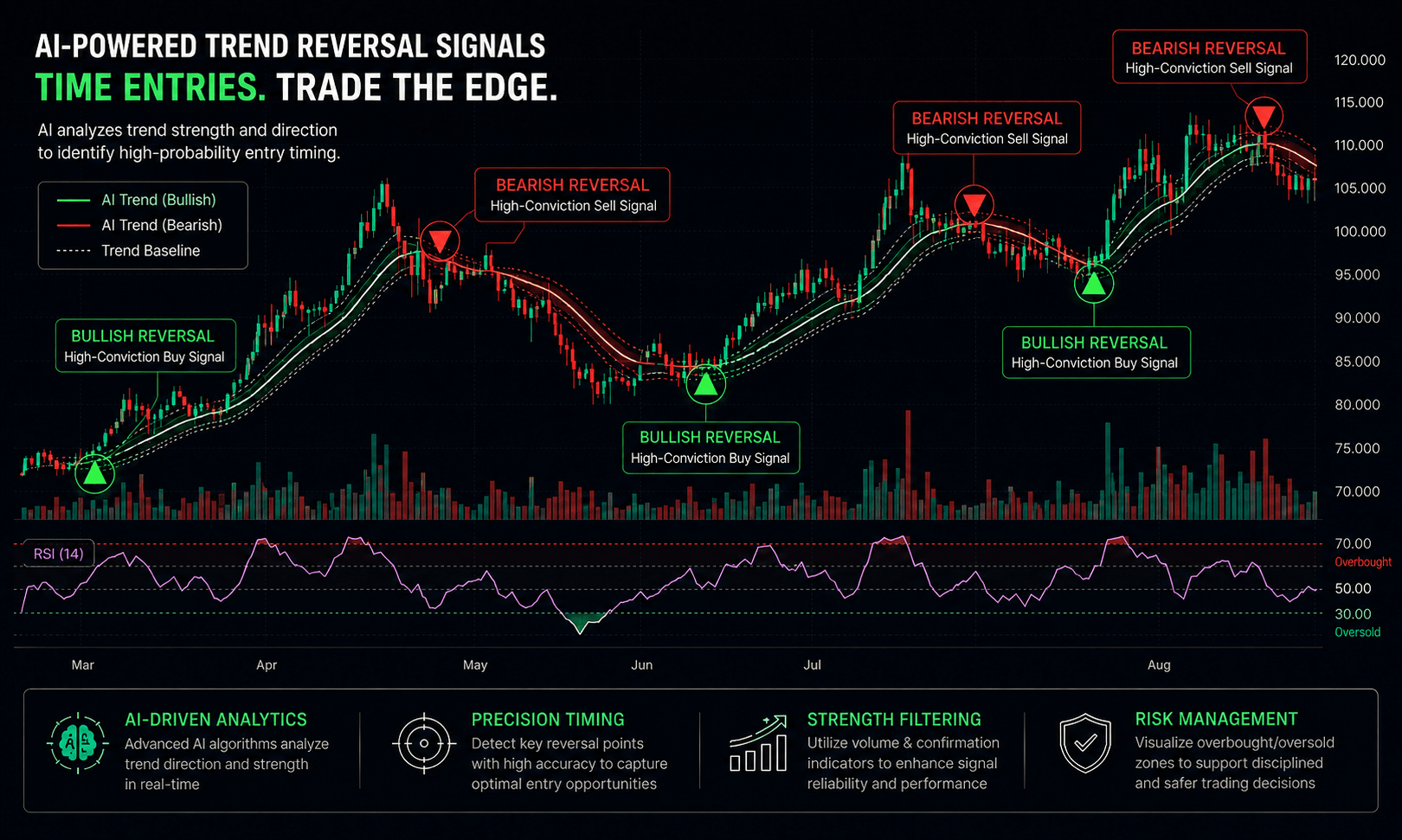
Bull Wave / Bear Wave Forecast Model
Engineered to help you read market direction and momentum faster than the crowd.
- Instantly separate bullish momentum from bearish pressure
- Pinpoint high-probability entry zones with confidence
- Chart signals clear enough for beginners, sharp enough for pros
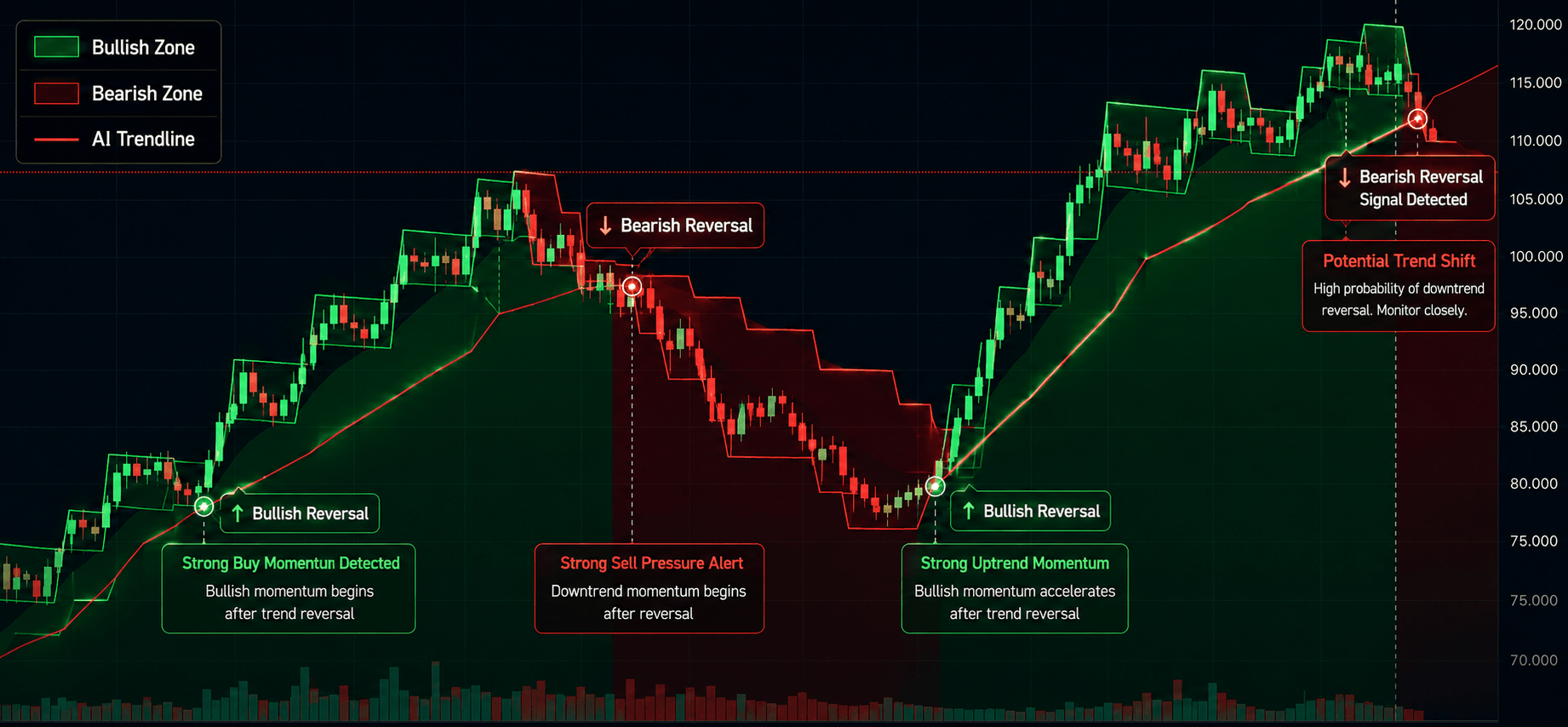
Winning Pattern Detection
Instantly surfaces the high-probability setups that repeat across the charts — a trusted edge for timing your entries and exits.
- Spot momentum building in real time
- Catch trend-reversal points before they break
- Built for active traders who need results, not theory

AI Live Economic Dashboard
AI analyzes real-time market data — turning complex, global investment flows into clear insight in seconds.
- Track global stock markets in real time
- See exactly which assets are strong — and which are fading
- Watch how geopolitical events move the markets
About the Author