What Is a REIT?
A real estate investment trust (REIT) is a company that owns, operates, or finances income-producing real estate, allowing individual investors to earn a share of the income produced through commercial real estate ownership without directly buying or managing property.
How REITs Are Structured
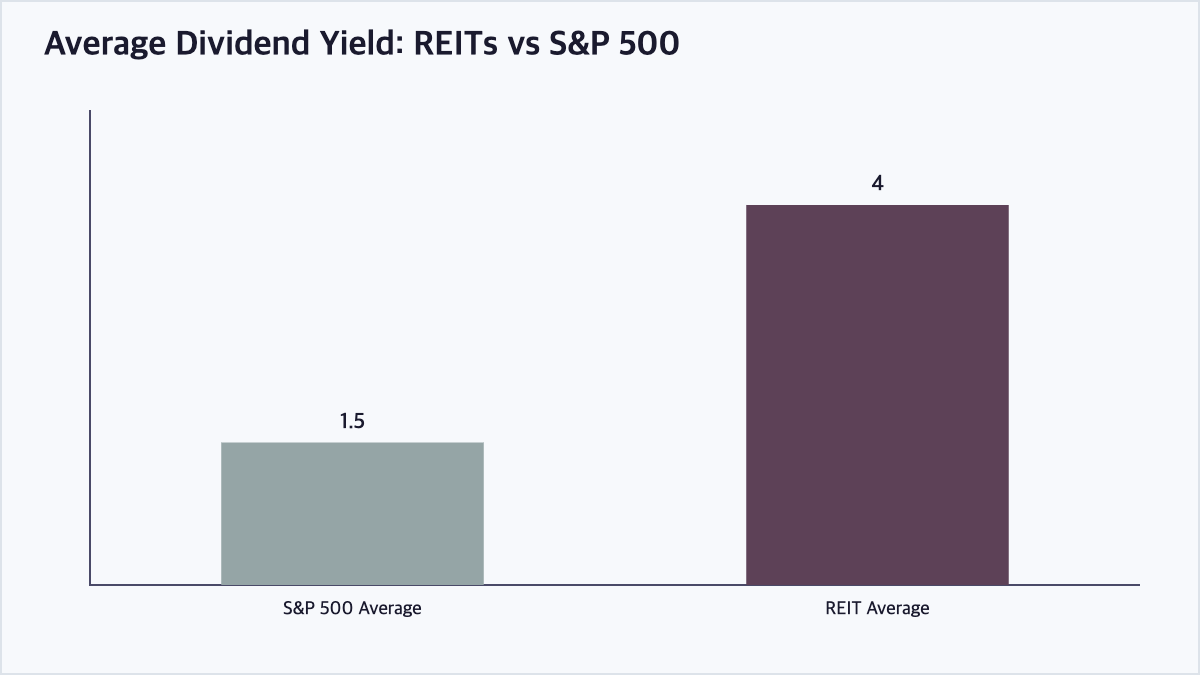
To qualify as a REIT in the United States, a company must distribute at least 90% of its taxable income to shareholders annually as dividends, in exchange for favorable tax treatment at the corporate level, which is why REITs are known for relatively high dividend yields.
REITs Often Offer Higher Yields
Types of REITs
Equity REITs own and operate income-producing properties like apartments, offices, and shopping centers, earning revenue primarily through rent. Mortgage REITs (mREITs) instead provide financing for real estate by purchasing or originating mortgages and mortgage-backed securities, earning income from interest.
REIT Types Compared
| REIT Type | Income Source | Typical Risk |
|---|---|---|
| Equity REIT | Rental income from owned properties | Property value & occupancy risk |
| Mortgage REIT (mREIT) | Interest income from real estate debt | Interest rate & credit risk |
| Hybrid REIT | Combination of rental and interest income | Mix of both risk types |
Publicly Traded vs. Non-Traded REITs
Publicly traded REITs are listed on major stock exchanges and can be bought and sold like ordinary stocks, offering high liquidity. Non-traded REITs are not listed on an exchange, often carry higher fees, and can be significantly harder to sell, making them considerably less liquid.
Frequently Asked Questions
Are REIT dividends taxed differently than stock dividends?
Most REIT dividends are taxed as ordinary income rather than at the lower qualified dividend tax rate, since REITs generally do not pay corporate income tax on distributed earnings, though a portion may qualify for a special pass-through deduction.
How can I invest in REITs?
Publicly traded REITs can be bought through a brokerage account just like any other stock, while REIT-focused mutual funds or ETFs offer a diversified way to gain exposure to multiple REITs at once.
What sectors do REITs typically invest in?
REITs span a wide range of property sectors, including residential apartments, office buildings, retail centers, industrial warehouses, data centers, healthcare facilities, and self-storage properties.
Are REITs a good hedge against inflation?
REITs are often considered a partial inflation hedge since rental income and property values can rise with inflation over time, though performance still varies by property sector and broader economic conditions.
Key Takeaways
REITs allow investors to gain exposure to income-producing real estate without directly owning property, and are required to distribute most of their taxable income as dividends, often resulting in higher yields than the broader stock market. Understanding the difference between equity and mortgage REITs, as well as publicly traded versus non-traded structures, is key to evaluating the right fit for a portfolio. This article is for informational purposes only and does not constitute investment advice.

QuantPro: AI Finds the Trade Before You Do
From AI-powered chart analysis to real-time market intelligence — everything a serious investor needs, in one platform.
- Automated AI chart analysis with precision trend timing
- Bull Radar: real-time visualization of geopolitical & economic shifts
- Live market-moving news and insights, curated for you
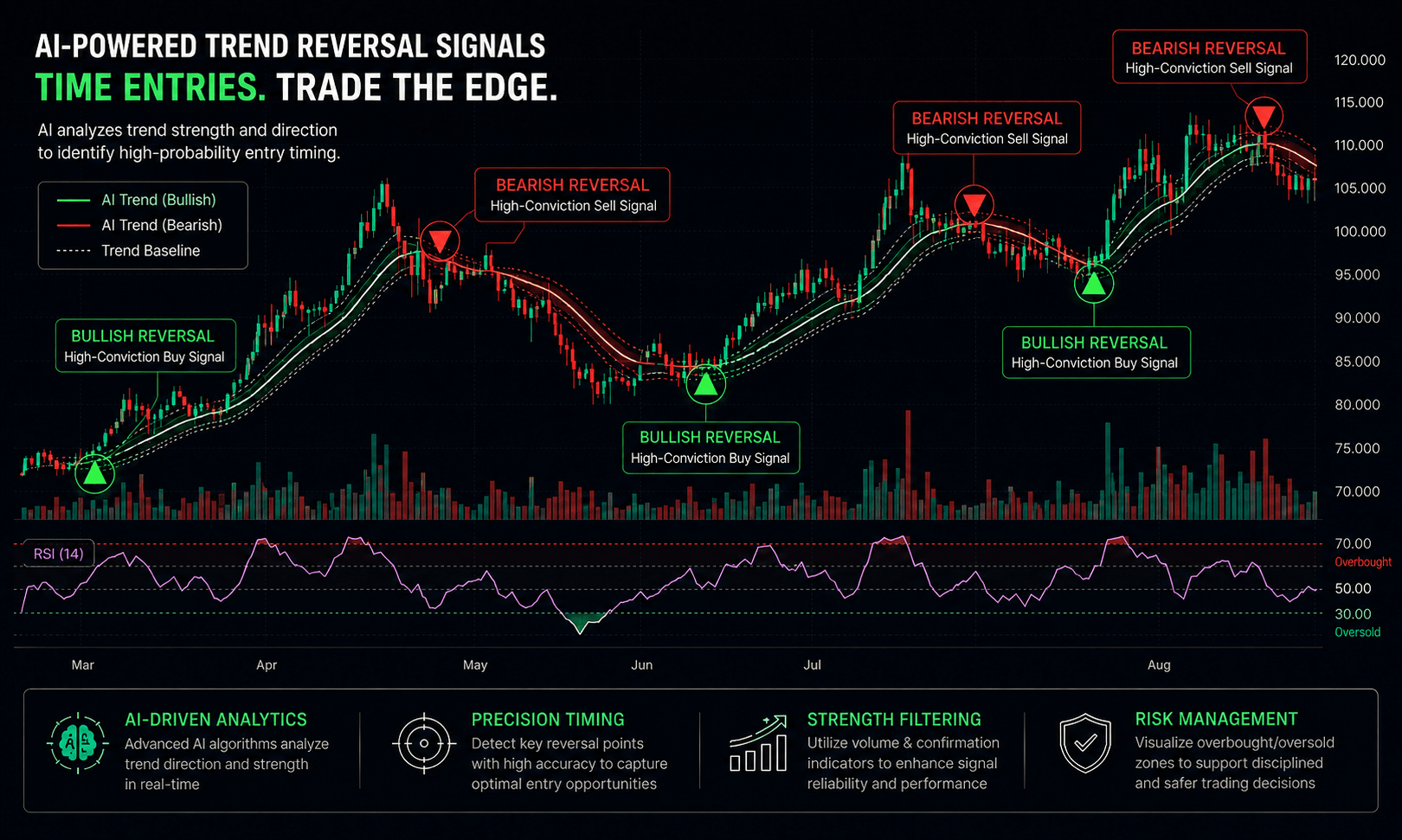
Bull Wave / Bear Wave Forecast Model
Engineered to help you read market direction and momentum faster than the crowd.
- Instantly separate bullish momentum from bearish pressure
- Pinpoint high-probability entry zones with confidence
- Chart signals clear enough for beginners, sharp enough for pros
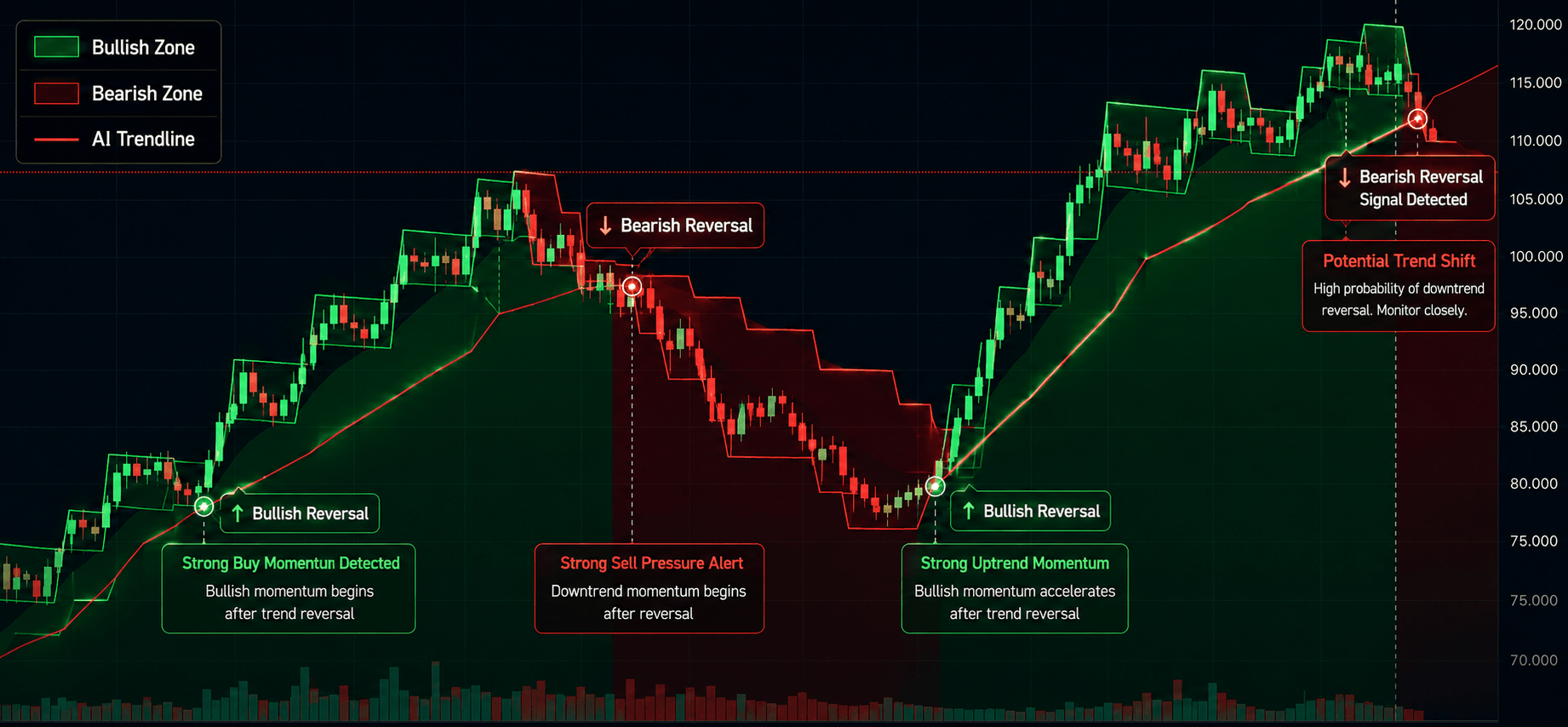
Winning Pattern Detection
Instantly surfaces the high-probability setups that repeat across the charts — a trusted edge for timing your entries and exits.
- Spot momentum building in real time
- Catch trend-reversal points before they break
- Built for active traders who need results, not theory

AI Live Economic Dashboard
AI analyzes real-time market data — turning complex, global investment flows into clear insight in seconds.
- Track global stock markets in real time
- See exactly which assets are strong — and which are fading
- Watch how geopolitical events move the markets
About the Author