What Is Common Stock?
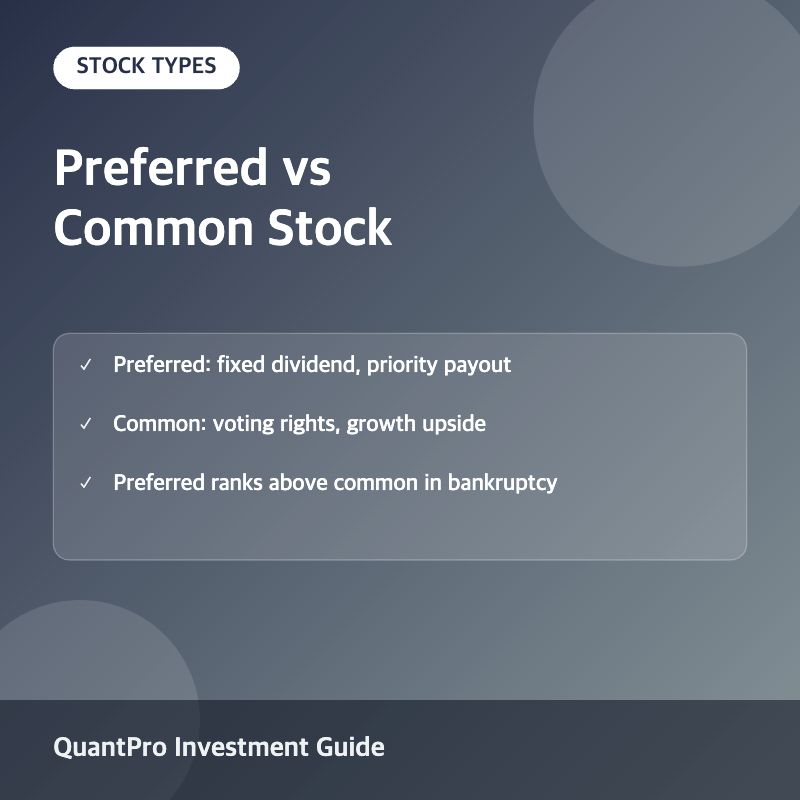
Common stock represents standard ownership shares in a company, granting shareholders voting rights on corporate matters and the potential for capital appreciation and dividends, though dividends are not guaranteed and can be reduced or eliminated at the company’s discretion.
What Is Preferred Stock?
Preferred stock is a class of ownership that typically pays a fixed dividend and has priority over common stock for both dividend payments and asset claims in the event of liquidation, but usually comes without voting rights.
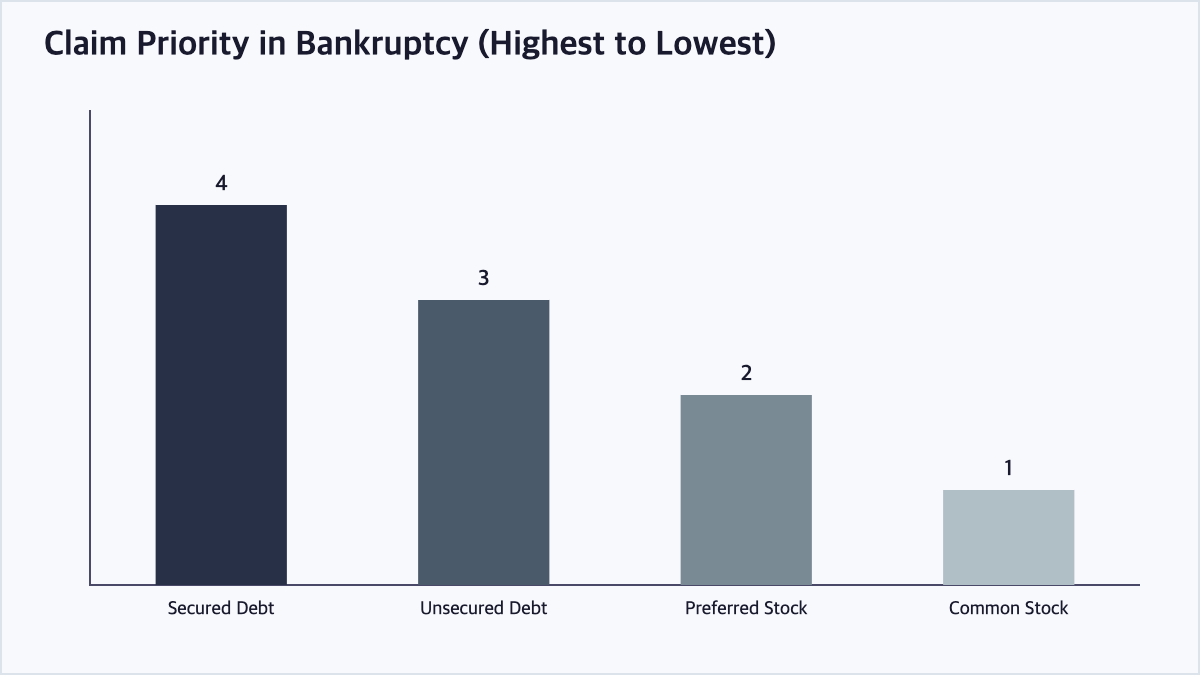
Claim Priority: Preferred vs. Common
Dividend Differences
Preferred stock dividends are typically fixed and paid out before any dividends are distributed to common stockholders, offering more predictable income. Common stock dividends, when paid, can fluctuate based on company performance and board discretion.
Preferred vs. Common Stock: Key Differences
| Feature | Preferred Stock | Common Stock |
|---|---|---|
| Voting Rights | Typically none | Yes, one vote per share |
| Dividend | Fixed, priority payment | Variable, not guaranteed |
| Liquidation Priority | Higher than common stock | Lowest priority |
| Price Volatility | Generally lower | Generally higher |
| Growth Potential | Limited | Higher long-term upside |
Convertible Preferred Stock
Some preferred shares are convertible, meaning holders can exchange them for a predetermined number of common shares, offering a way to participate in potential stock price appreciation while still benefiting from the fixed dividend in the meantime.
Frequently Asked Questions
Is preferred stock more like a bond or a stock?
Preferred stock has characteristics of both, offering fixed income similar to a bond through its dividend, while also representing equity ownership in the company, placing it in a hybrid category between debt and common equity.
Can preferred stock dividends be skipped?
Yes, though many preferred shares are “cumulative,” meaning any skipped dividends must be paid in full before common stockholders receive any dividends, while “non-cumulative” preferred shares do not carry this protection.
Why doesn’t preferred stock usually have voting rights?
Preferred stock is generally structured to prioritize steady income over control, so companies typically exclude voting rights in exchange for offering fixed dividends and higher claim priority than common stock.
Which offers more long-term growth potential?
Common stock generally offers greater long-term growth potential since its value can rise with company performance, while preferred stock’s price tends to behave more like a bond, staying relatively stable around its par value.
Key Takeaways
Common stock offers voting rights and greater growth potential but comes with variable dividends and the lowest claim priority, while preferred stock offers fixed, priority dividends and a higher claim in liquidation but typically no voting rights and limited price appreciation. This article is for informational purposes only and does not constitute investment advice.

QuantPro: AI Finds the Trade Before You Do
From AI-powered chart analysis to real-time market intelligence — everything a serious investor needs, in one platform.
- Automated AI chart analysis with precision trend timing
- Bull Radar: real-time visualization of geopolitical & economic shifts
- Live market-moving news and insights, curated for you

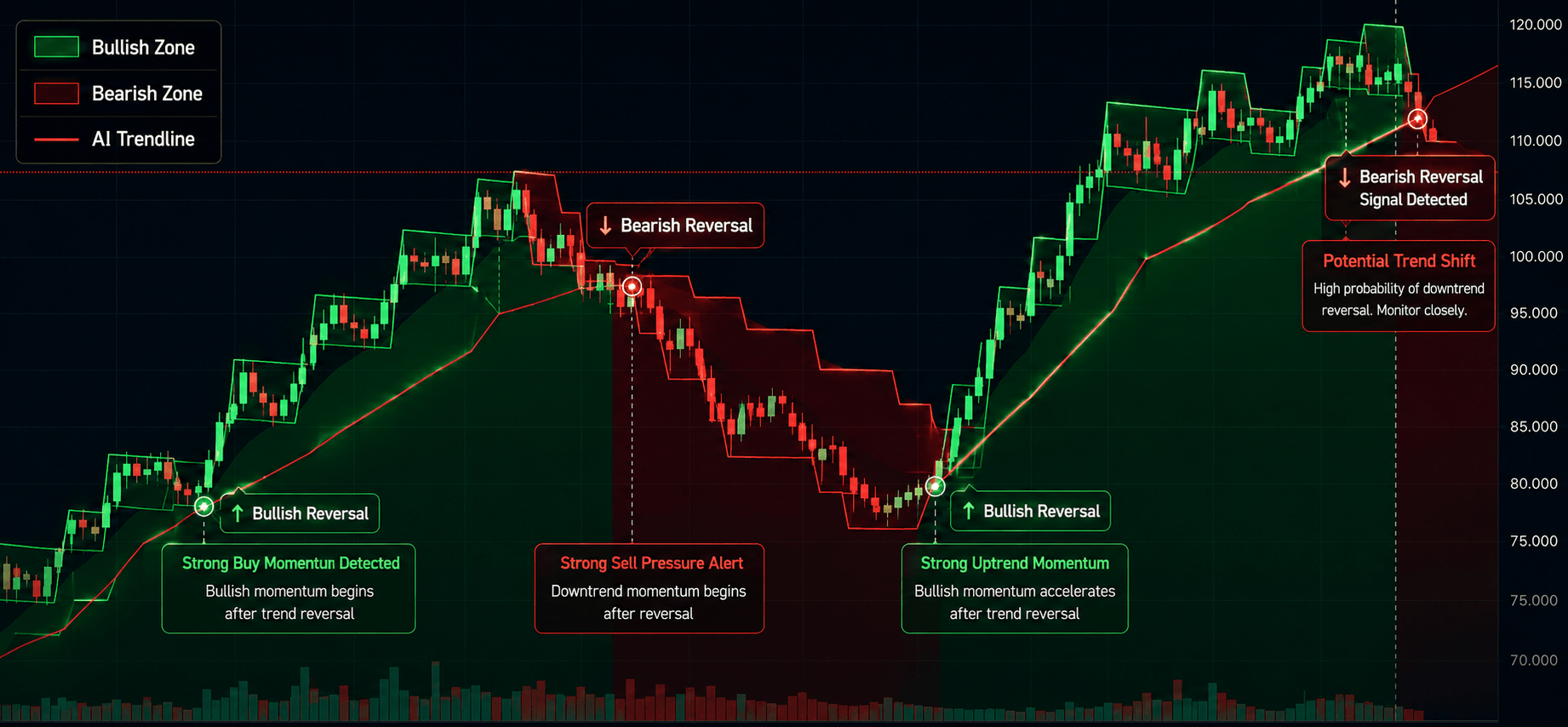
Bull Wave / Bear Wave Forecast Model
Engineered to help you read market direction and momentum faster than the crowd.
- Instantly separate bullish momentum from bearish pressure
- Pinpoint high-probability entry zones with confidence
- Chart signals clear enough for beginners, sharp enough for pros
Winning Pattern Detection
Instantly surfaces the high-probability setups that repeat across the charts — a trusted edge for timing your entries and exits.
- Spot momentum building in real time
- Catch trend-reversal points before they break
- Built for active traders who need results, not theory

AI Live Economic Dashboard
AI analyzes real-time market data — turning complex, global investment flows into clear insight in seconds.
- Track global stock markets in real time
- See exactly which assets are strong — and which are fading
- Watch how geopolitical events move the markets
About the Author