What Slippage Is
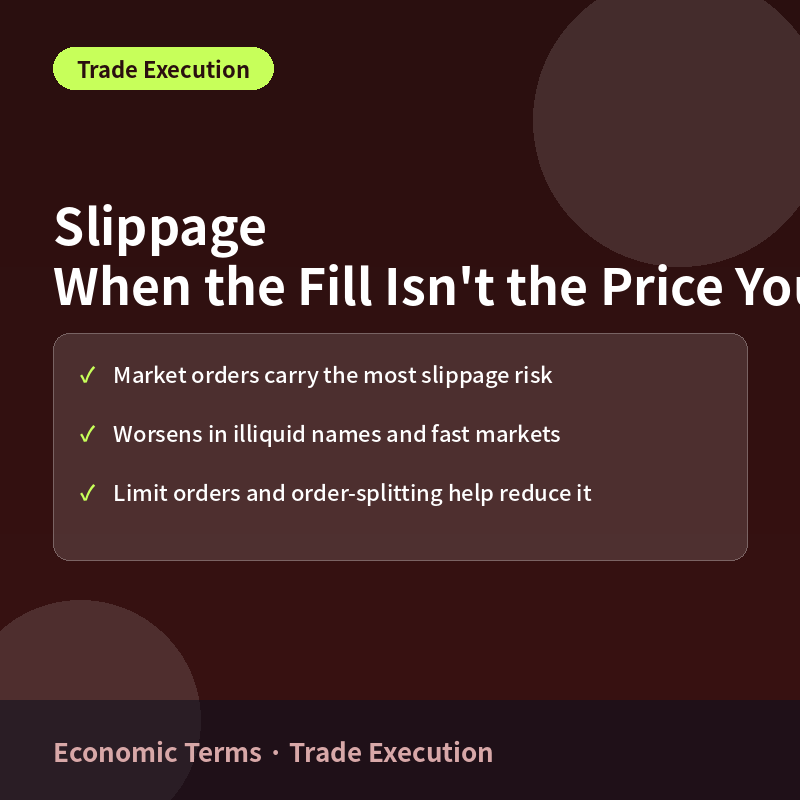
Slippage is the difference between the price a trader expected when placing an order and the price at which it actually executed. Market orders are particularly exposed because they fill sequentially against whatever liquidity is resting in the order book — if the order size is large or the book is thin, the average fill price can drift meaningfully from the quoted price.
When Slippage Tends to Get Worse
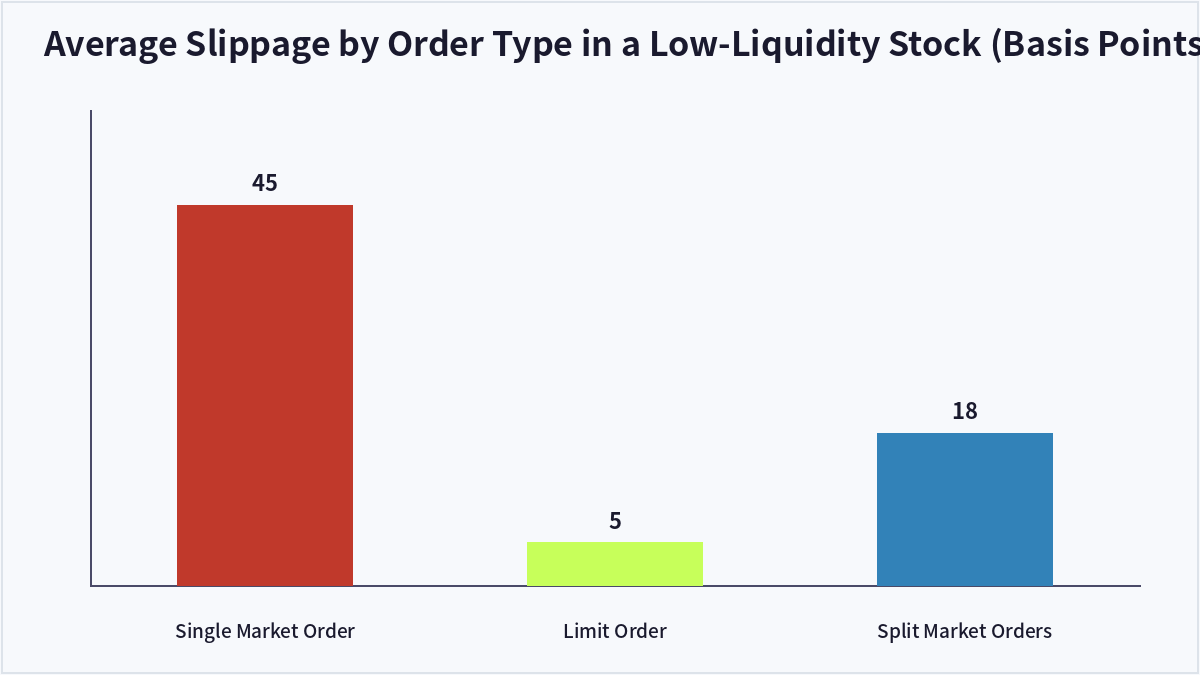
Slippage widens in small-cap or thinly-traded stocks, during low-volume periods (the market open and close), and around sudden volatility such as earnings releases or breaking news, when bid-ask gaps widen. Its impact is most pronounced when trying to execute a large order as a single market order.
Practical Strategies to Reduce Slippage
| Strategy | Method | Effect |
|---|---|---|
| Use limit orders | Set an explicit maximum or minimum acceptable price | Eliminates unfavorable fills, but risks non-execution |
| Split the order | Break a large order into several smaller pieces over time | Avoids consuming the entire order book at once |
| Trade during liquid hours | Time execution to periods of active trading | Tighter spreads reduce slippage |
The Trade-Off With Limit Orders
Limit orders eliminate slippage risk by construction, but carry the risk of never executing if price doesn’t reach the specified level. Deciding between the two comes down to whether immediate execution or price certainty matters more for that particular trade.
Frequently Asked Questions
Does slippage always work against the trader?
The term is typically used to describe an unfavorable fill, though occasionally a trade fills at a more favorable price than expected — sometimes called positive slippage. The unfavorable case is the far more common usage.
Do large-cap stocks experience slippage too?
Large caps typically have deep liquidity and low slippage under normal conditions, but even they can see wider spreads and increased slippage during broad market volatility.
How many pieces should a large order be split into?
There’s no universal answer — the right number depends on comparing the security’s average trading volume to the order size, aiming to minimize market impact. Some brokers offer built-in execution algorithms for this.
Does using only limit orders eliminate slippage entirely?
It controls the execution price precisely, but trades non-execution risk in its place — effectively swapping slippage risk for the risk of the order not being filled at all.
Key Takeaways
Slippage is the gap between an expected price and the actual fill price, and it tends to widen in illiquid stocks or during fast-moving markets. Limit orders and order-splitting can both reduce slippage, but each comes with its own trade-off — non-execution risk on one side, and time or complexity on the other. This article is for informational purposes only and does not constitute investment advice.

QuantPro: AI Finds the Trade Before You Do
From AI-powered chart analysis to real-time market intelligence — everything a serious investor needs, in one platform.
- Automated AI chart analysis with precision trend timing
- Bull Radar: real-time visualization of geopolitical & economic shifts
- Live market-moving news and insights, curated for you
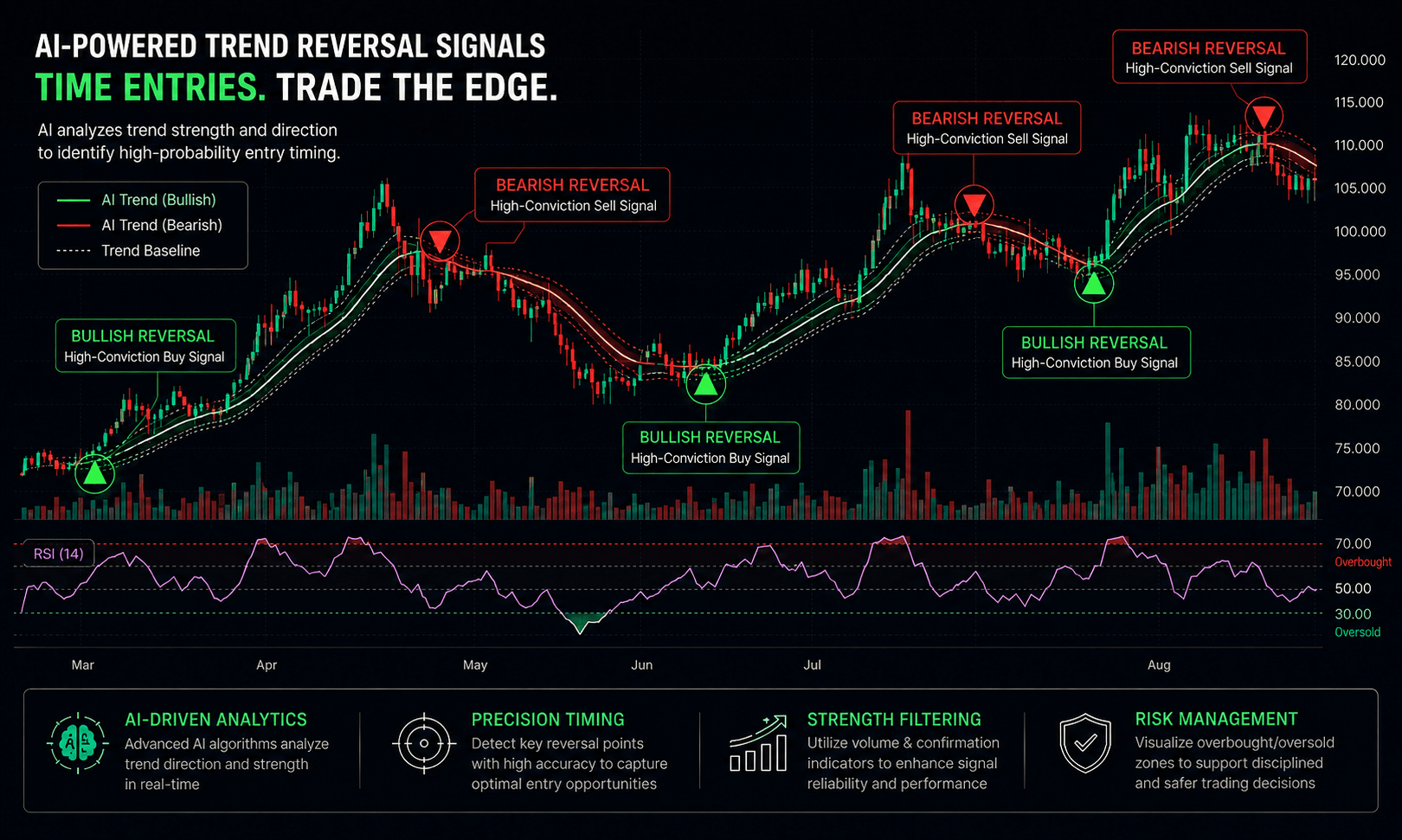
Bull Wave / Bear Wave Forecast Model
Engineered to help you read market direction and momentum faster than the crowd.
- Instantly separate bullish momentum from bearish pressure
- Pinpoint high-probability entry zones with confidence
- Chart signals clear enough for beginners, sharp enough for pros
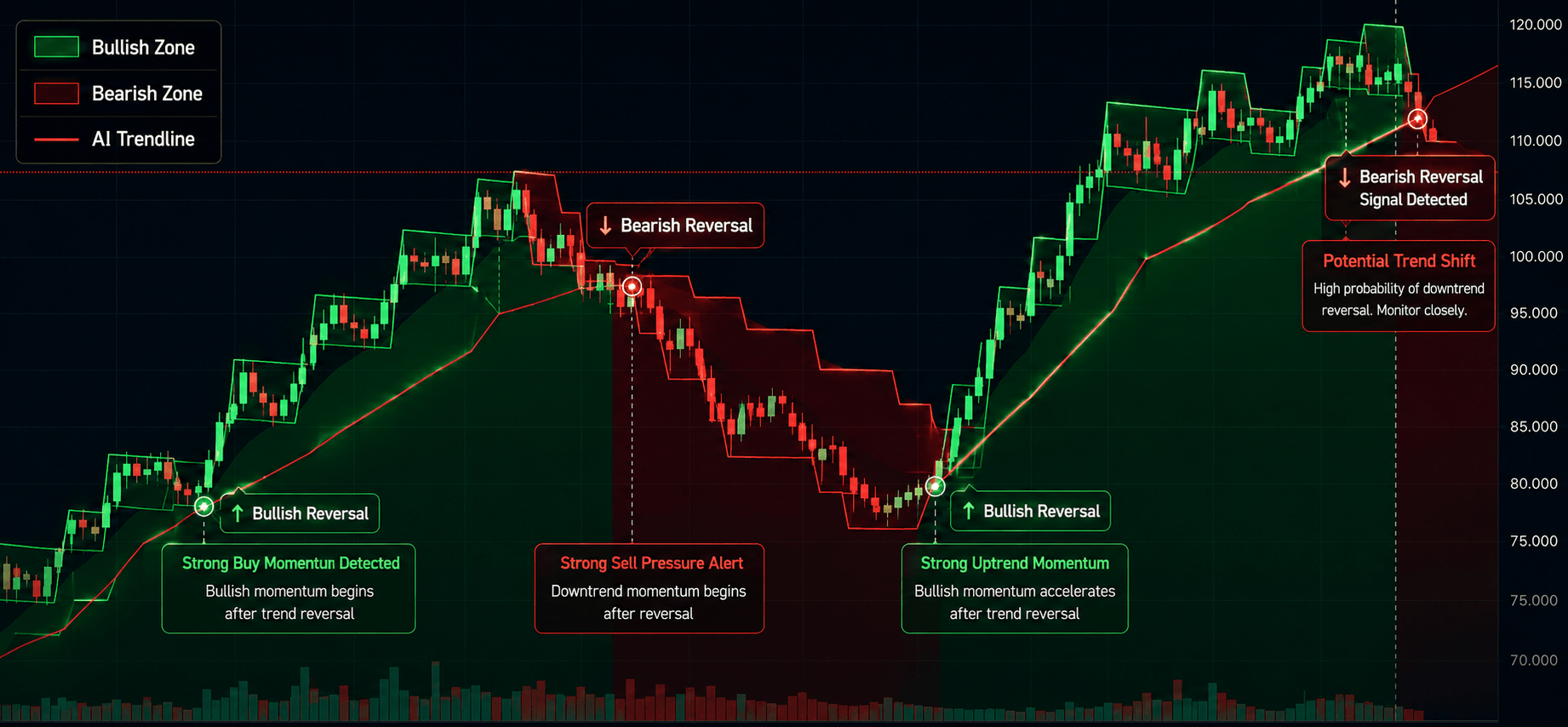
Winning Pattern Detection
Instantly surfaces the high-probability setups that repeat across the charts — a trusted edge for timing your entries and exits.
- Spot momentum building in real time
- Catch trend-reversal points before they break
- Built for active traders who need results, not theory
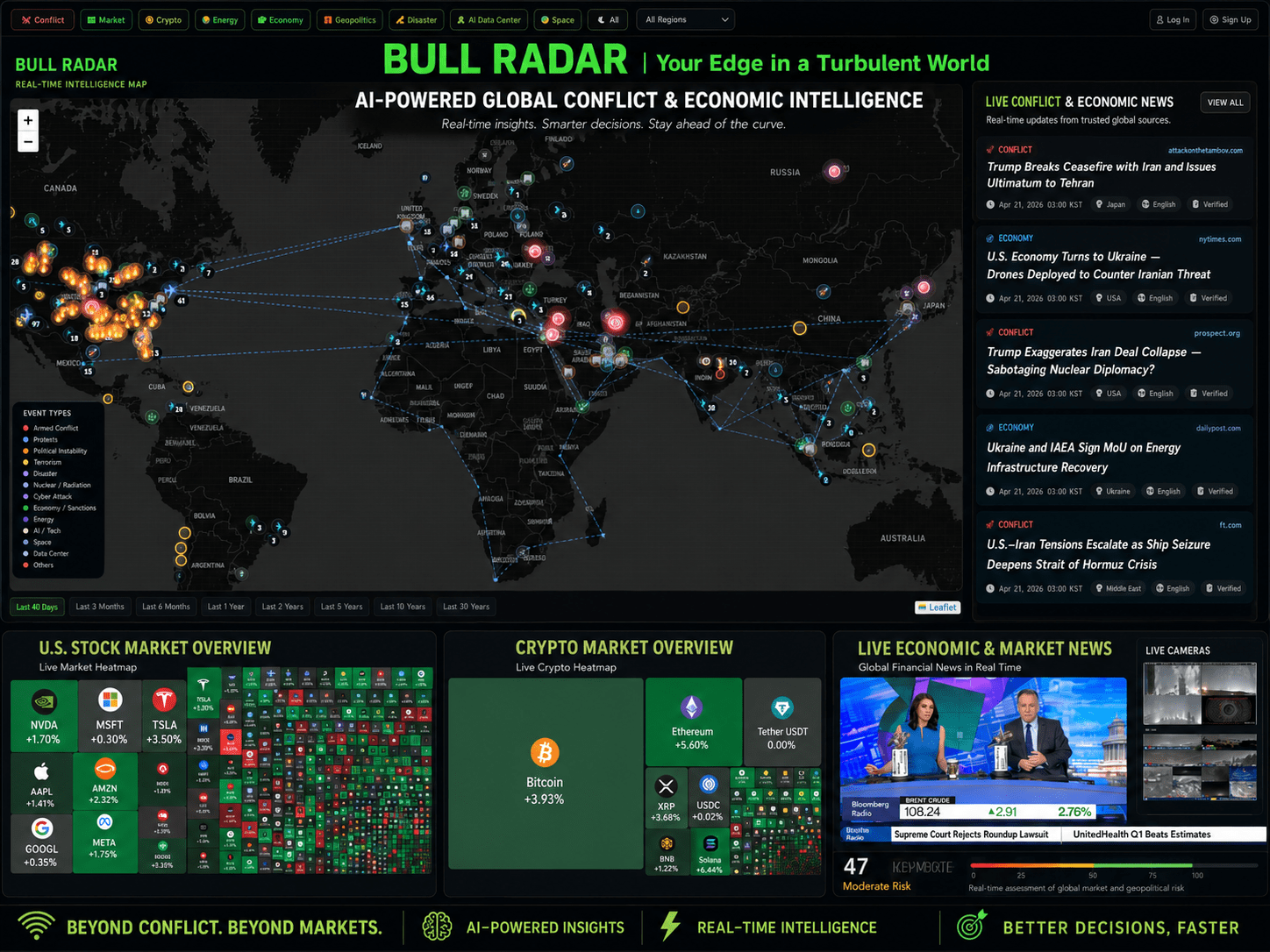
AI Live Economic Dashboard
AI analyzes real-time market data — turning complex, global investment flows into clear insight in seconds.
- Track global stock markets in real time
- See exactly which assets are strong — and which are fading
- Watch how geopolitical events move the markets
About the Author