Survivorship Bias: Leaving Out the Losers
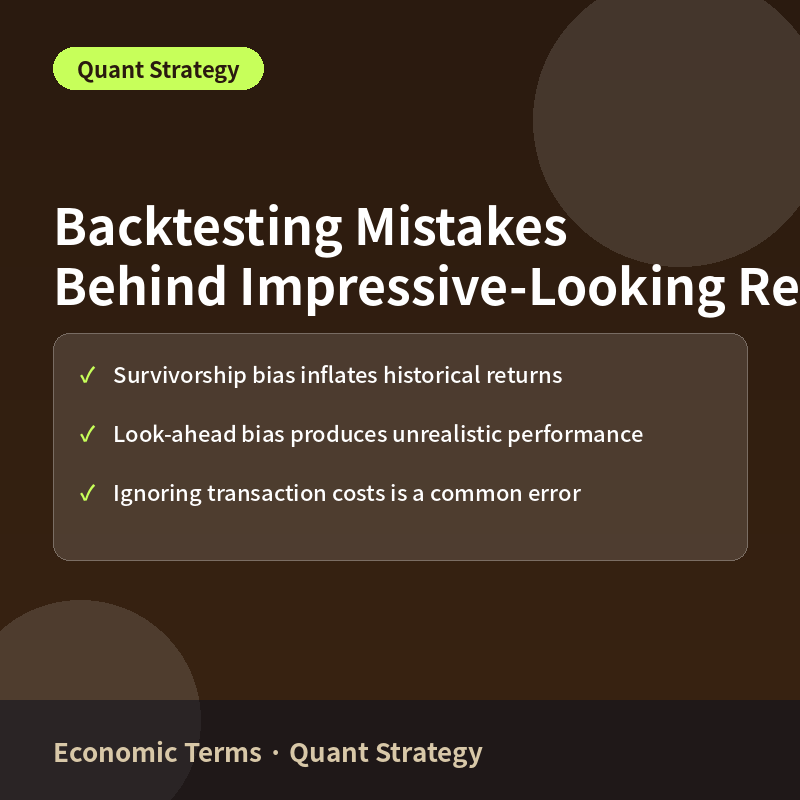
Building a historical dataset from only the securities currently in an index excludes companies that were delisted or dropped from that index along the way — typically the weaker performers. Backtesting on this incomplete dataset produces survivorship bias, systematically inflating apparent historical returns.
Look-Ahead Bias: Using Information Before It Existed
Look-ahead bias occurs when a backtest accidentally incorporates information that wasn’t actually available at that point in time — for example, using a quarter’s earnings figures before they were actually reported. This produces performance that could never have been achieved in real trading.
Other Frequent Mistakes
| Mistake | Description | How to Avoid It |
|---|---|---|
| Ignoring transaction costs | Failing to account for commissions and slippage | Always include realistic cost assumptions |
| Overfitting | Tuning parameters too tightly to historical data | Validate separately on out-of-sample data |
| Data snooping | Repeatedly testing and revising a hypothesis on the same dataset | Fix the hypothesis in advance and test only once |
A Checklist for Trustworthy Backtests
A reliable backtest uses a dataset that includes delisted securities, only references information that was genuinely available at each point in time, applies realistic transaction cost assumptions, and has been validated on a separate out-of-sample period that wasn’t used during development.
Frequently Asked Questions
How can survivorship bias be avoided?
Use a dataset that includes securities that were later delisted or dropped from an index, rather than only the current constituents. This kind of dataset is harder and more costly to obtain than free historical data.
What exactly does out-of-sample validation mean?
It means splitting the full dataset into two periods, developing the strategy using only one period (in-sample), and testing performance on the other period that was never referenced during development (out-of-sample).
Why do strategies with great backtests often fail live?
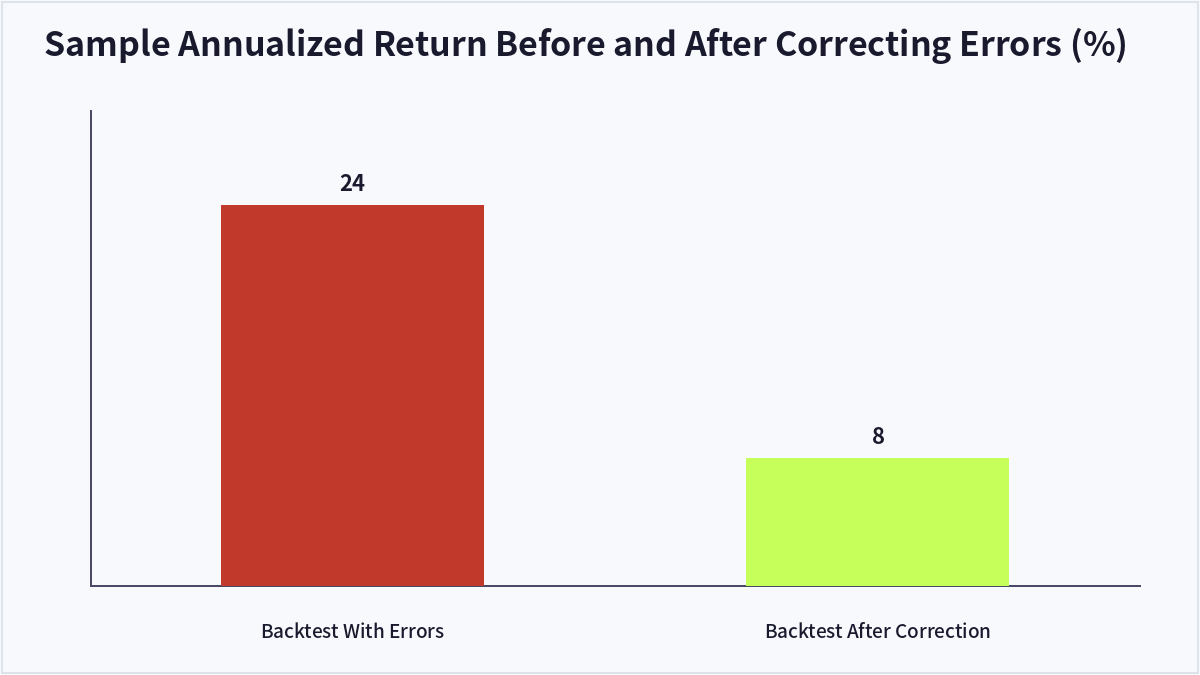
Survivorship bias, look-ahead bias, overfitting, and ignored transaction costs frequently combine to create a large gap between backtested and real-world performance.
Can individual investors check for these errors themselves?
Even without access to professional data vendors, conservatively assuming higher transaction costs and validating on a held-out time period can eliminate a meaningful portion of these errors.
Key Takeaways
Backtests are vulnerable to survivorship bias, look-ahead bias, overfitting, and ignored transaction costs, all of which can make an impressive-looking strategy fail to reproduce its results in live trading. Using realistic data and cost assumptions, along with genuine out-of-sample validation, is the starting point for building trustworthy strategies. This article is for informational purposes only and does not constitute investment advice.

QuantPro: AI Finds the Trade Before You Do
From AI-powered chart analysis to real-time market intelligence — everything a serious investor needs, in one platform.
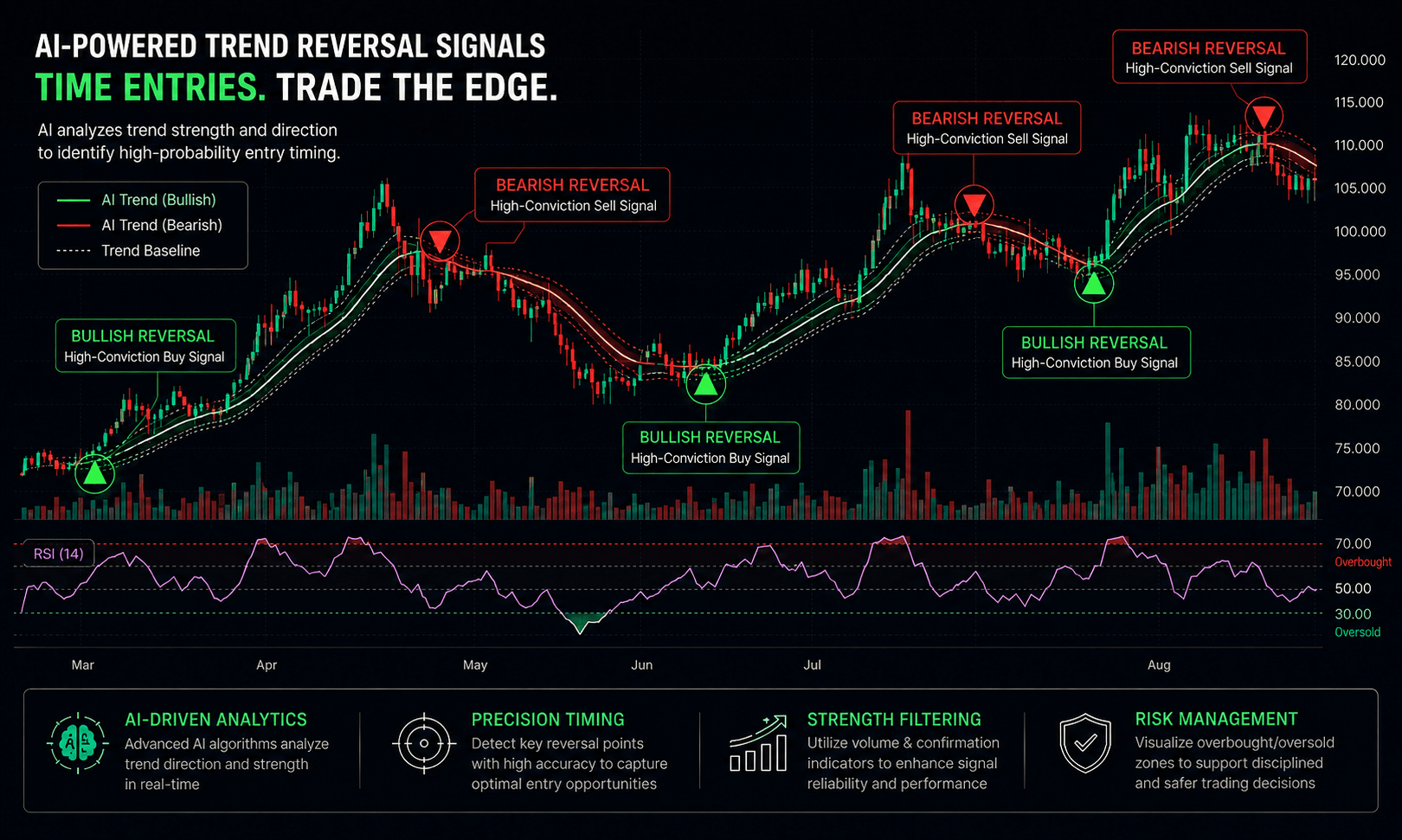
- Automated AI chart analysis with precision trend timing
- Bull Radar: real-time visualization of geopolitical & economic shifts
- Live market-moving news and insights, curated for you
Bull Wave / Bear Wave Forecast Model
Engineered to help you read market direction and momentum faster than the crowd.
- Instantly separate bullish momentum from bearish pressure
- Pinpoint high-probability entry zones with confidence
- Chart signals clear enough for beginners, sharp enough for pros
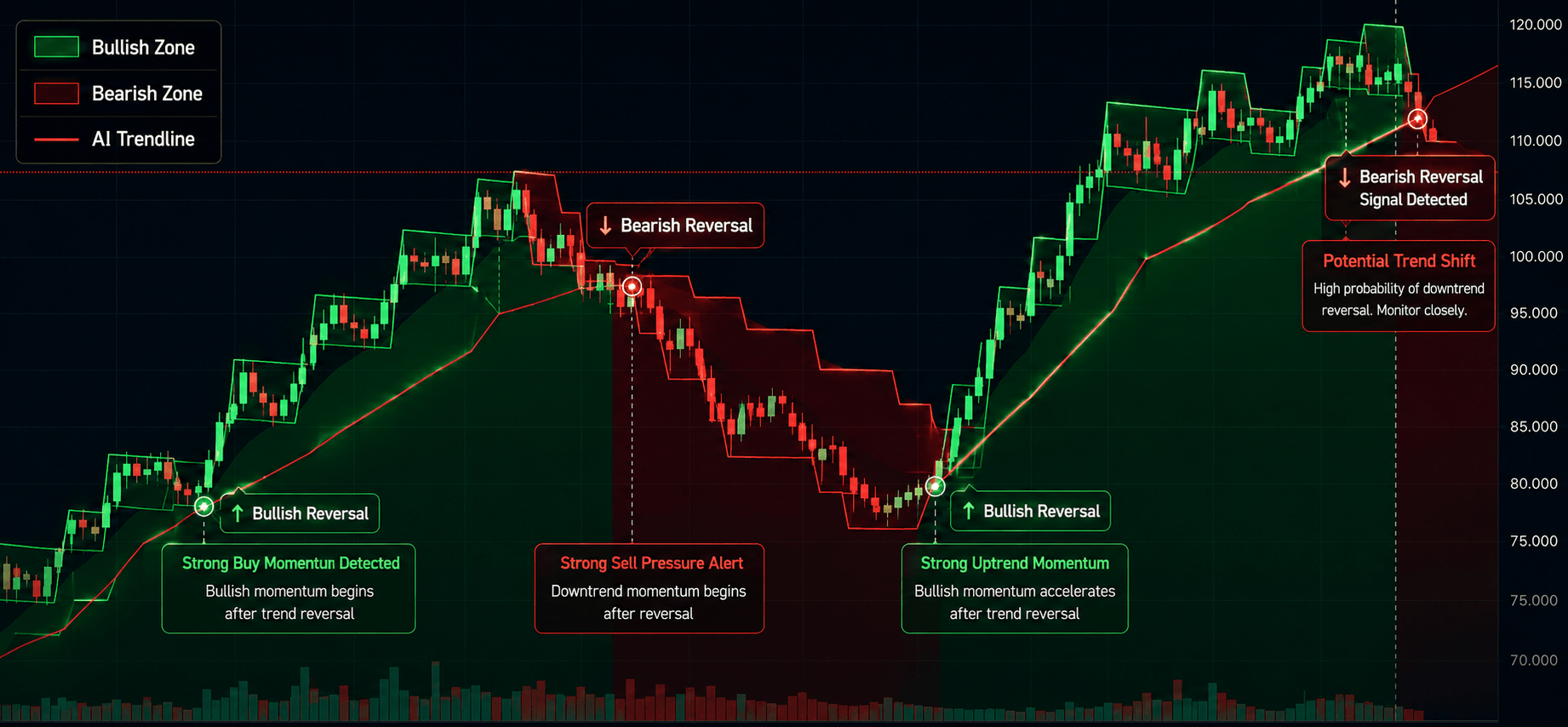
Winning Pattern Detection
Instantly surfaces the high-probability setups that repeat across the charts — a trusted edge for timing your entries and exits.
- Spot momentum building in real time
- Catch trend-reversal points before they break
- Built for active traders who need results, not theory
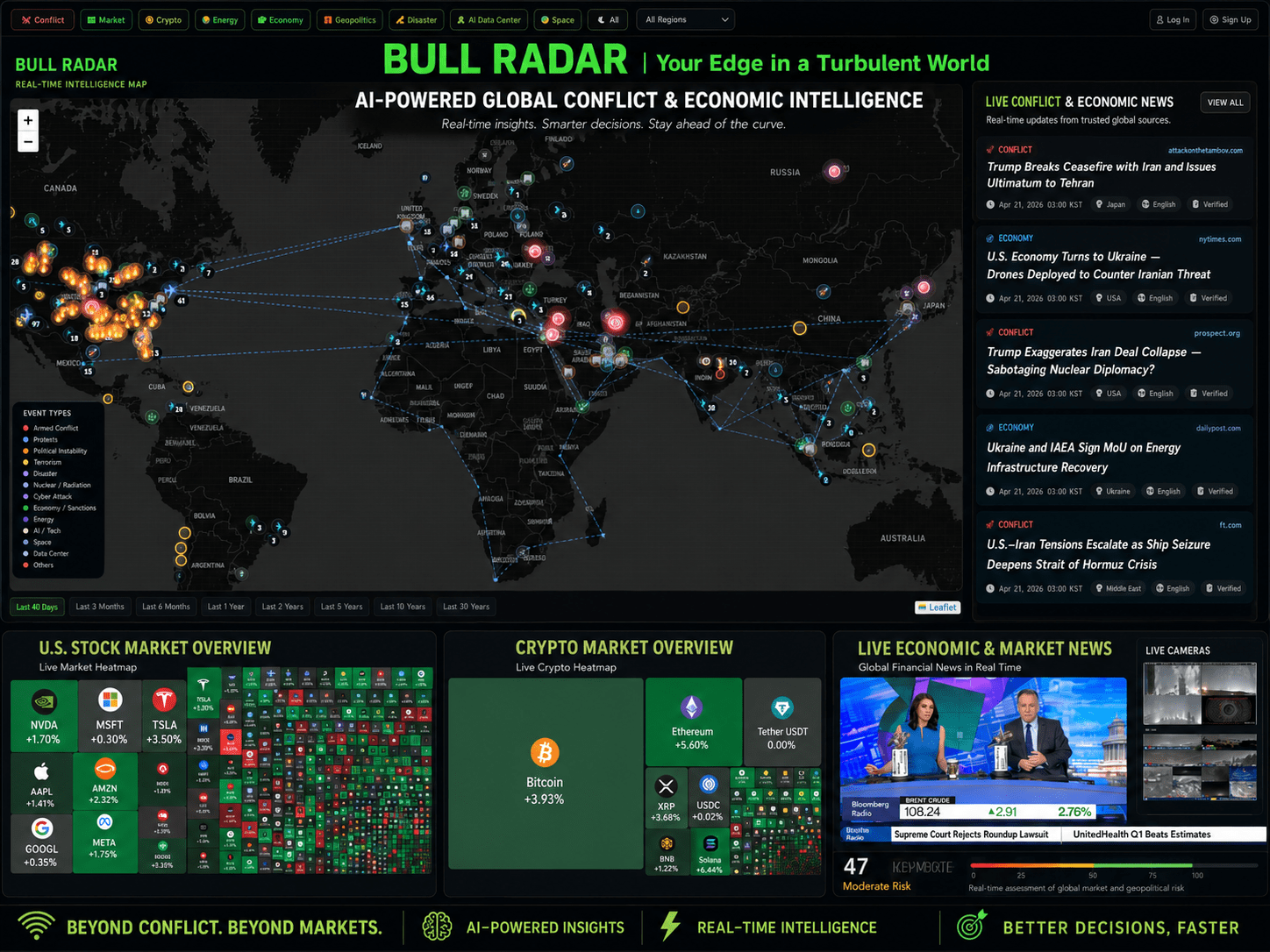
AI Live Economic Dashboard
AI analyzes real-time market data — turning complex, global investment flows into clear insight in seconds.
- Track global stock markets in real time
- See exactly which assets are strong — and which are fading
- Watch how geopolitical events move the markets
About the Author