What Is a Stop-Loss Order
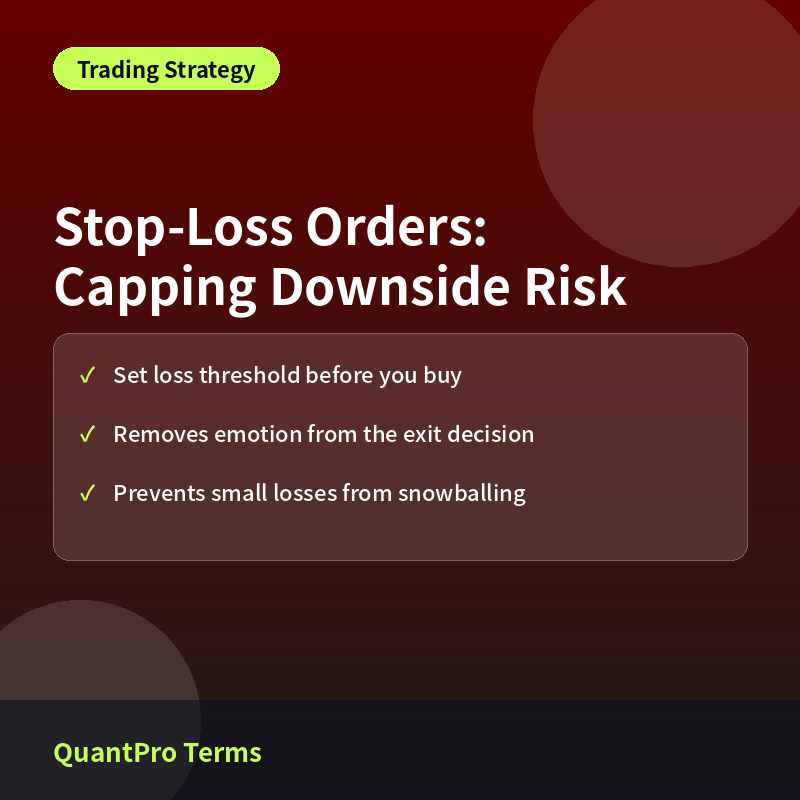
A stop-loss order is a predetermined instruction to sell a position once its price falls to a specified level, designed to cap losses before they grow larger. The key discipline is deciding in advance — before you even buy — how much loss you’re willing to accept, and sticking to that line without hesitation once it’s reached.
Many investors are prone to holding onto losing positions too long, hoping for a rebound that never comes, which allows manageable losses to snowball into much larger ones. A stop-loss removes that emotional decision-making by enforcing the exit mechanically.
How to Set Stop-Loss Levels
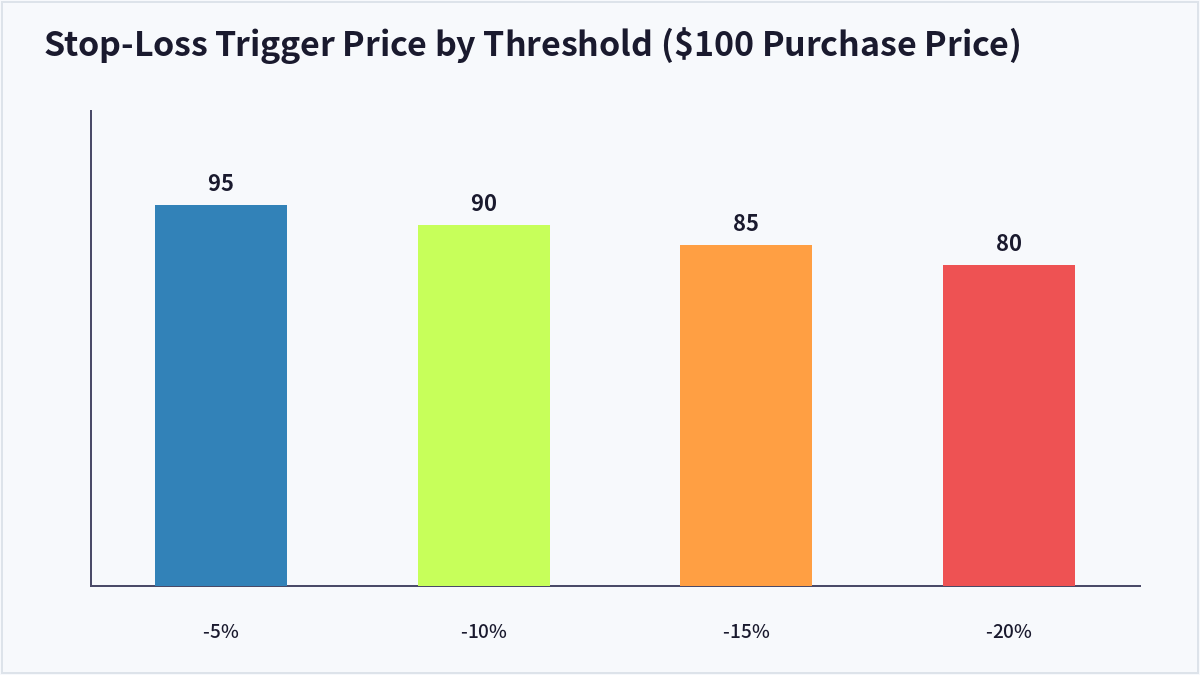
The most common approach sets the stop-loss as a percentage below the purchase price — for example, -5%, -10%, or -15%. On a stock bought at $100, a -5% stop triggers a sale at $95, a -10% stop at $90, and a -15% stop at $85.
Setting the threshold too tight (like -3%) risks getting stopped out frequently by ordinary volatility, racking up unnecessary trading costs, while setting it too loose (like -20%) undermines the whole point of limiting losses. Many traders adjust the threshold based on a stock’s typical volatility — wider for volatile growth stocks, tighter for stable blue chips.
Practical Considerations
Stop-loss orders are considered a core tool of risk management: locking in one loss frees up capital to pursue better opportunities elsewhere. That said, stocks sometimes rebound shortly after a stop-loss triggers, so a stop-loss shouldn’t be seen as always the ‘correct’ individual decision — it’s better understood as a probabilistic strategy for avoiding large losses over time.
Many brokers allow automatic stop-loss orders to be set in advance, so the sale executes automatically once the trigger price is hit, without requiring the investor to watch the market continuously.
| Threshold | Trigger Price ($100 purchase) | Characteristic |
|---|---|---|
| -5% | $95 | Small loss, but frequent triggers possible |
| -10% | $90 | A commonly used general threshold |
| -15% | $85 | Better suited to volatile stocks |
| -20% | $80 | Risks diluting the loss-limiting purpose |
Frequently Asked Questions
Does a stop-loss guarantee I’ll minimize losses?
It’s generally effective at preventing large losses, but stocks sometimes rebound right after a stop triggers, so it doesn’t guarantee the best outcome on every single trade. It’s best viewed as a long-term risk management tool.
Do investors use take-profit levels alongside stop-losses?
Yes — most trading strategies pair a stop-loss threshold with a take-profit target to manage the overall risk-reward ratio of a position from the start.
What happens if I keep delaying my stop-loss?
Repeatedly pushing back your stop-loss level in hopes of a rebound is one of the most common ways small losses turn into large ones — sticking to your original plan is the core discipline behind a stop-loss strategy.
How do I set an automatic stop-loss order?
Most brokerage platforms offer a ‘stop order’ or ‘stop-loss’ feature that lets you pre-set a trigger price, so the sale executes automatically once that price is reached.
Key Takeaways
A stop-loss order removes emotion from the exit decision by automatically selling once a preset loss threshold is hit, preventing small losses from compounding into larger ones. Setting a threshold that matches a stock’s typical volatility and sticking to it consistently is central to long-term risk management. This article is for informational purposes only and does not constitute investment advice.

QuantPro: AI Finds the Trade Before You Do
From AI-powered chart analysis to real-time market intelligence — everything a serious investor needs, in one platform.
- Automated AI chart analysis with precision trend timing
- Bull Radar: real-time visualization of geopolitical & economic shifts
- Live market-moving news and insights, curated for you
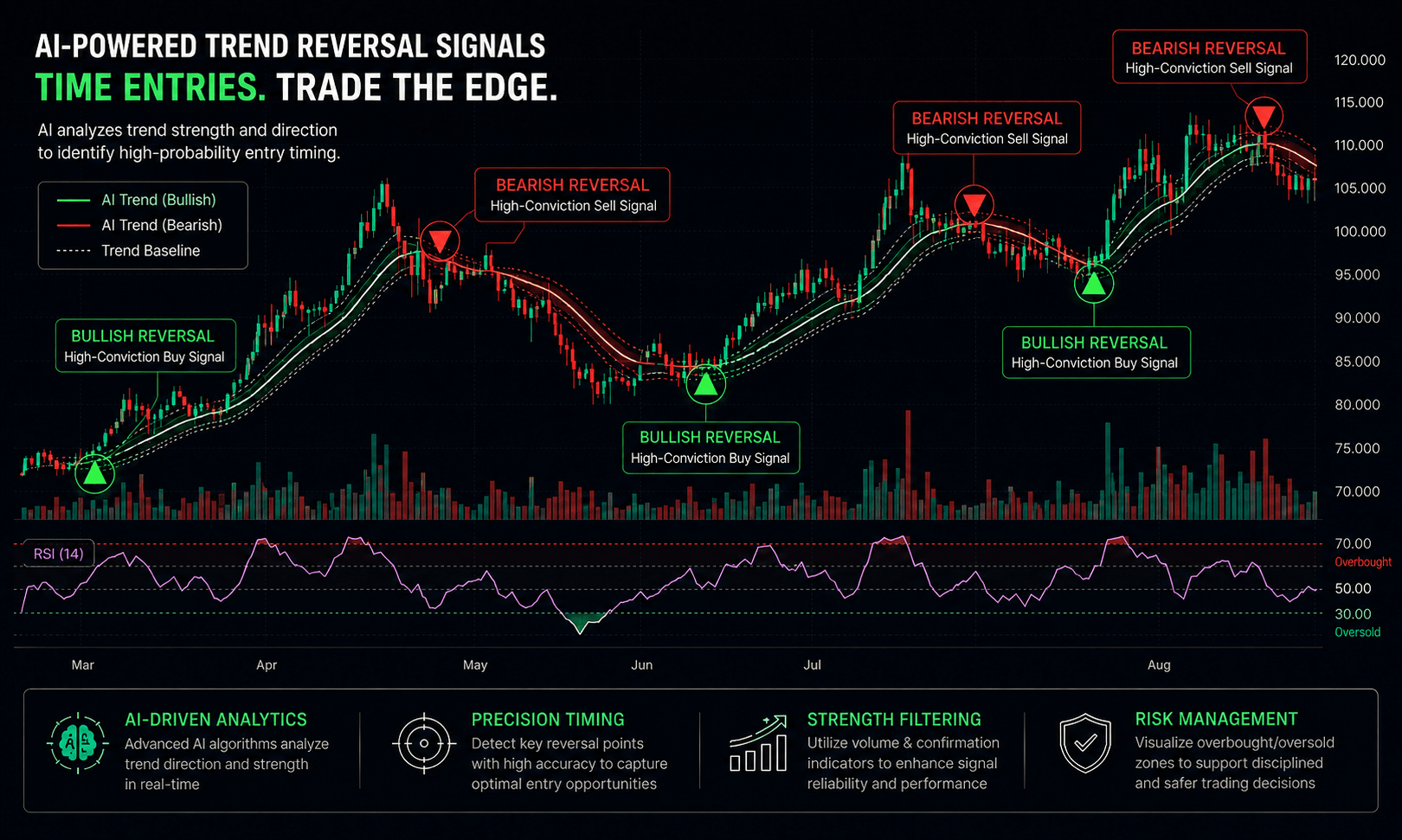
Bull Wave / Bear Wave Forecast Model
Engineered to help you read market direction and momentum faster than the crowd.
- Instantly separate bullish momentum from bearish pressure
- Pinpoint high-probability entry zones with confidence
- Chart signals clear enough for beginners, sharp enough for pros
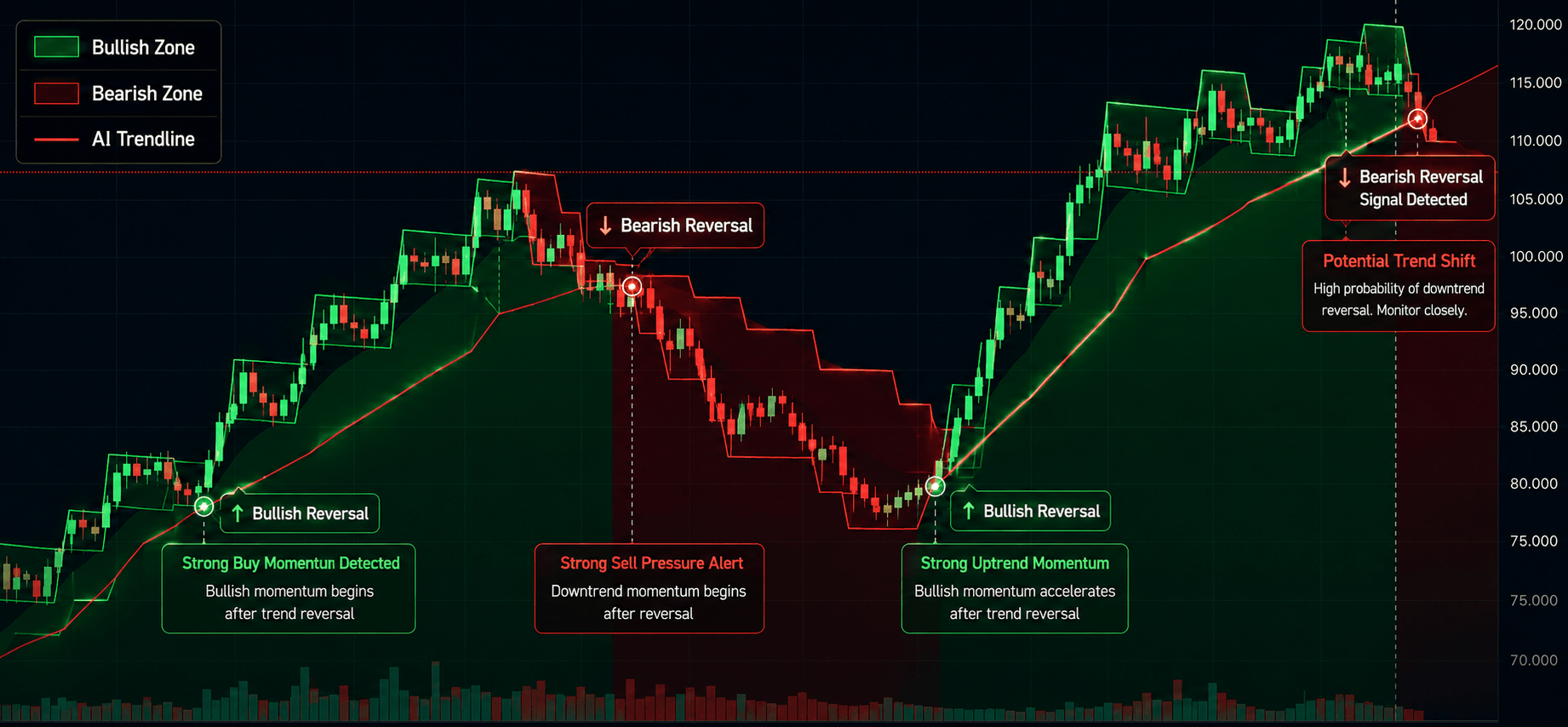
Winning Pattern Detection
Instantly surfaces the high-probability setups that repeat across the charts — a trusted edge for timing your entries and exits.
- Spot momentum building in real time
- Catch trend-reversal points before they break
- Built for active traders who need results, not theory
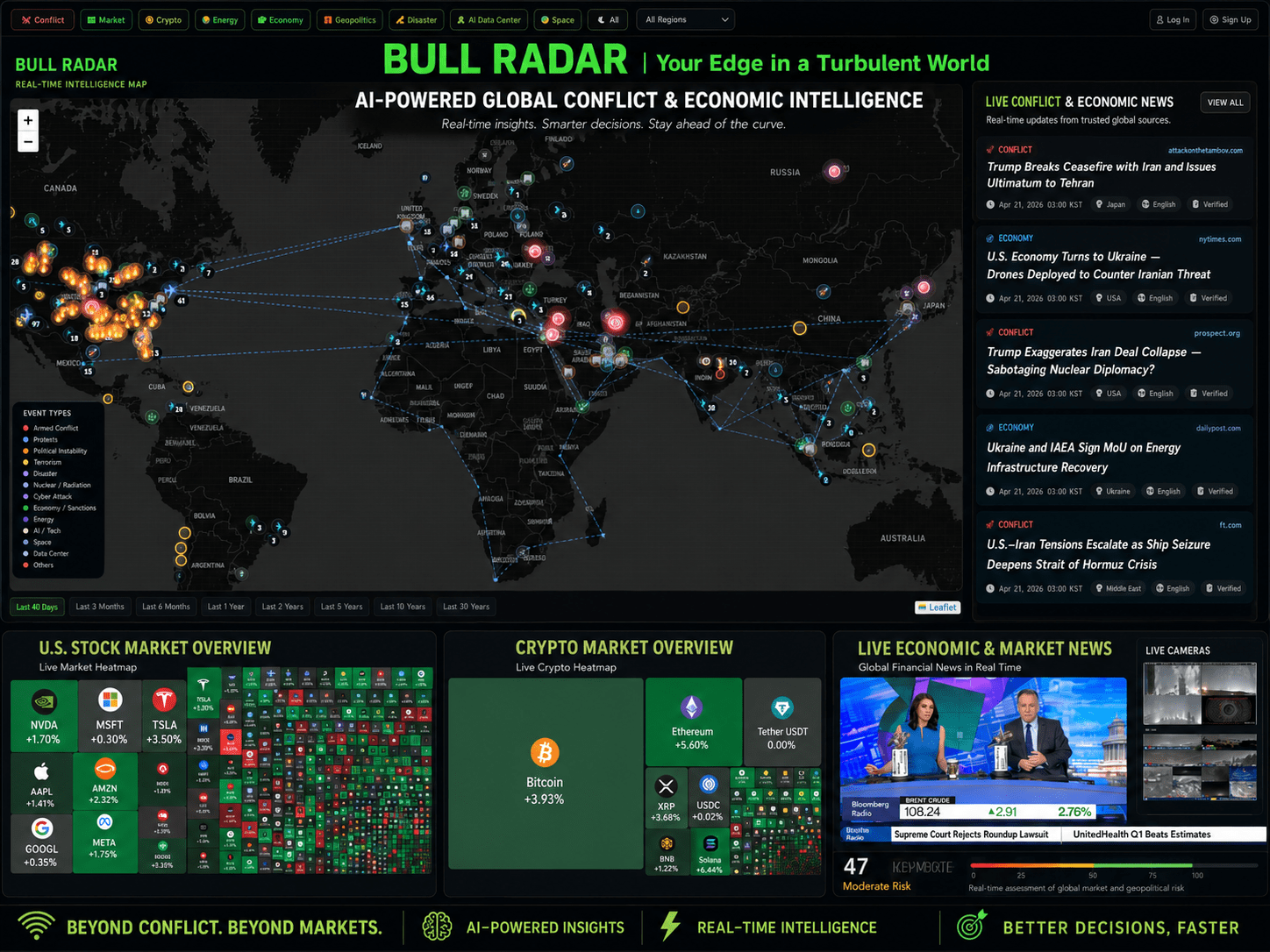
AI Live Economic Dashboard
AI analyzes real-time market data — turning complex, global investment flows into clear insight in seconds.
- Track global stock markets in real time
- See exactly which assets are strong — and which are fading
- Watch how geopolitical events move the markets
About the Author