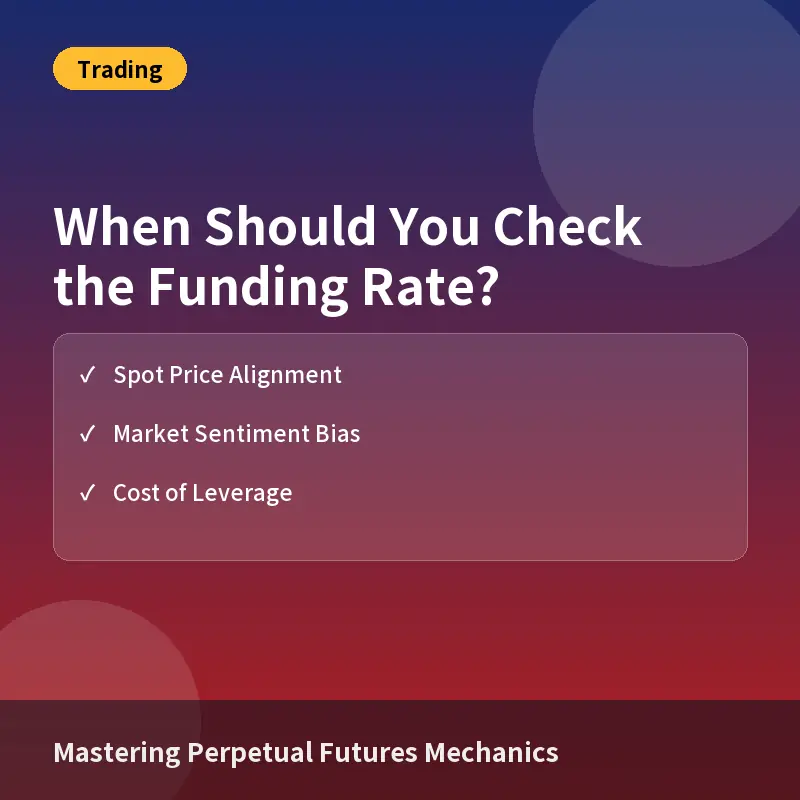
The funding rate is a periodic payment made between traders to keep the perpetual futures price anchored to the underlying asset's spot price. Monitoring this rate helps traders identify market sentiment bias and avoid being on the wrong side of a costly trend reversal.
What Is the Funding Rate in Crypto Perpetual Futures?
The funding rate is the mechanism that ensures the price of a perpetual futures contract stays close to the actual market price of the underlying asset. Unlike traditional futures, these contracts have no expiration date, so this payment acts as a synthetic peg to prevent long-term price divergence.
- Positive rate: Longs pay shorts to keep the contract price down
- Negative rate: Shorts pay longs to keep the contract price up
- Equilibrium: The market price tracks the spot index effectively
How Is the Funding Rate Calculated and Applied?
The rate is derived from the difference between the perpetual contract price and the spot index price, often calculated every 8 hours by major exchanges. You can check this metric directly on Bull Radar to see how it aligns with current market positioning.
- The formula typically incorporates the premium index and interest rate spread
- Payments occur at fixed intervals, usually three times a day
- Traders holding open positions at the payment time must pay or receive the funding fee

QuantPro: AI Finds the Trade Before You Do
From AI-powered chart analysis to real-time market intelligence — everything a serious investor needs, in one platform.
- Automated AI chart analysis with precision trend timing
- Bull Radar: real-time visualization of geopolitical & economic shifts
- Live market-moving news and insights, curated for you
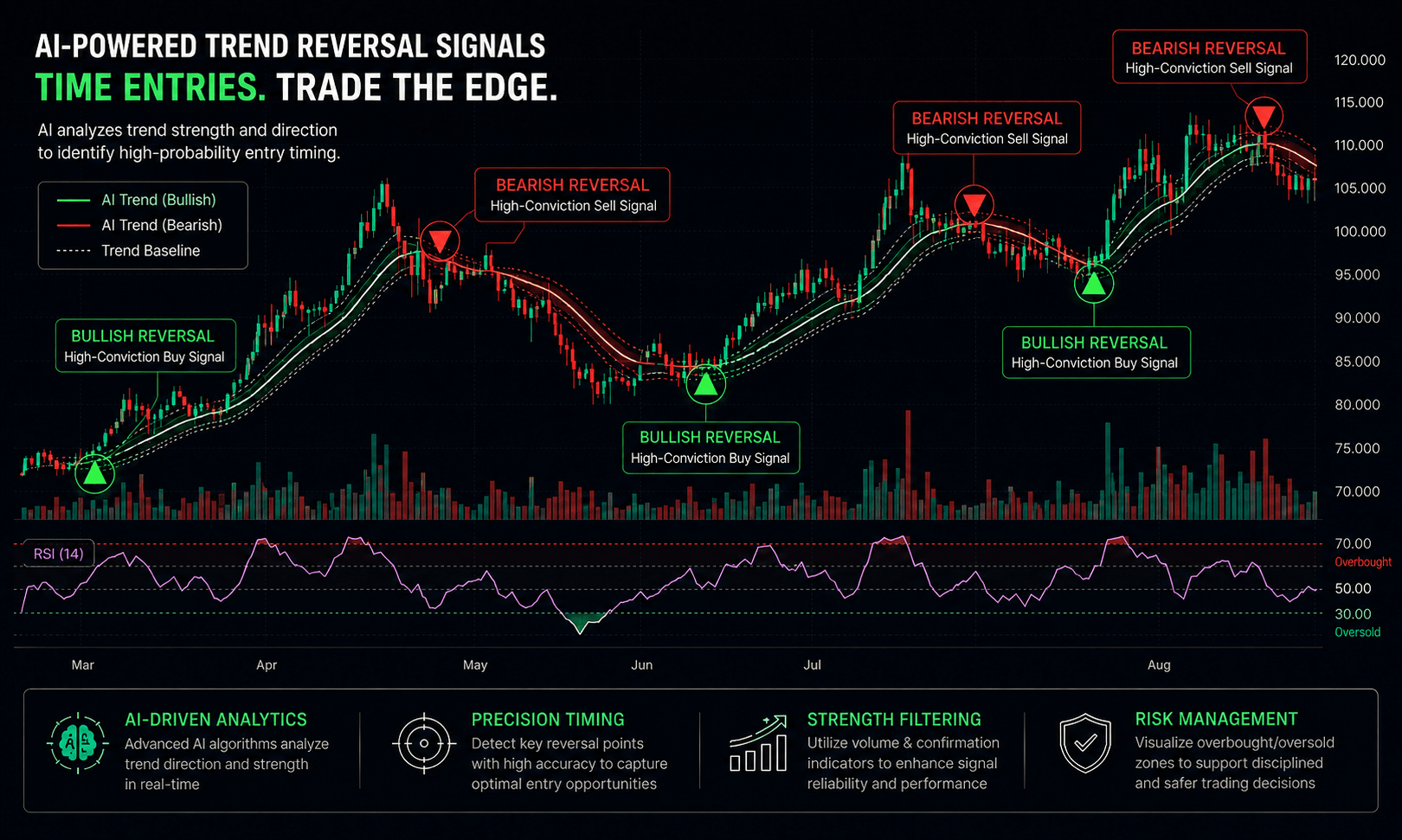
Bull Wave / Bear Wave Forecast Model
Engineered to help you read market direction and momentum faster than the crowd.
- Instantly separate bullish momentum from bearish pressure
- Pinpoint high-probability entry zones with confidence
- Chart signals clear enough for beginners, sharp enough for pros
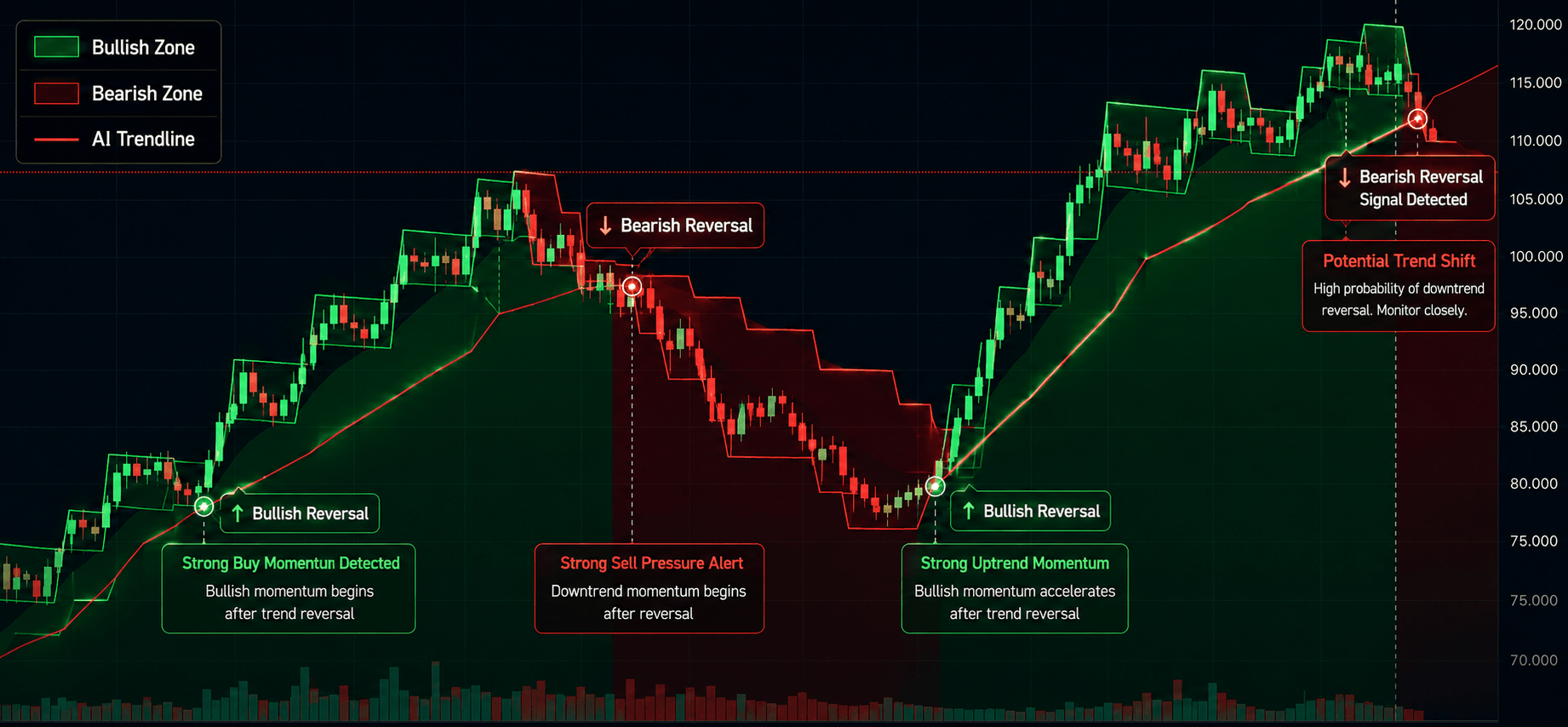
Winning Pattern Detection
Instantly surfaces the high-probability setups that repeat across the charts — a trusted edge for timing your entries and exits.
- Spot momentum building in real time
- Catch trend-reversal points before they break
- Built for active traders who need results, not theory
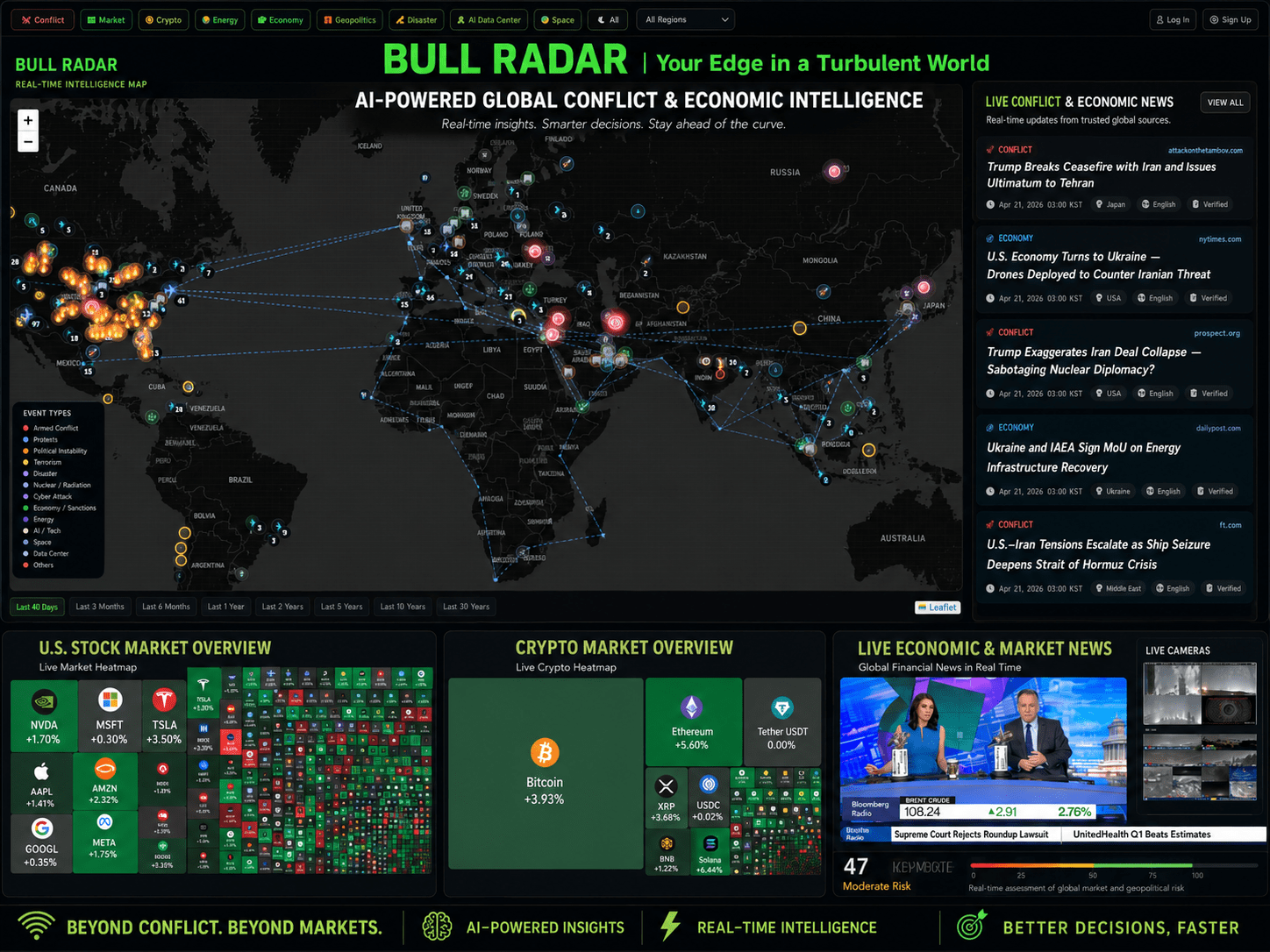
AI Live Economic Dashboard
AI analyzes real-time market data — turning complex, global investment flows into clear insight in seconds.
- Track global stock markets in real time
- See exactly which assets are strong — and which are fading
- Watch how geopolitical events move the markets
Worked Example: Funding Payments in Practice
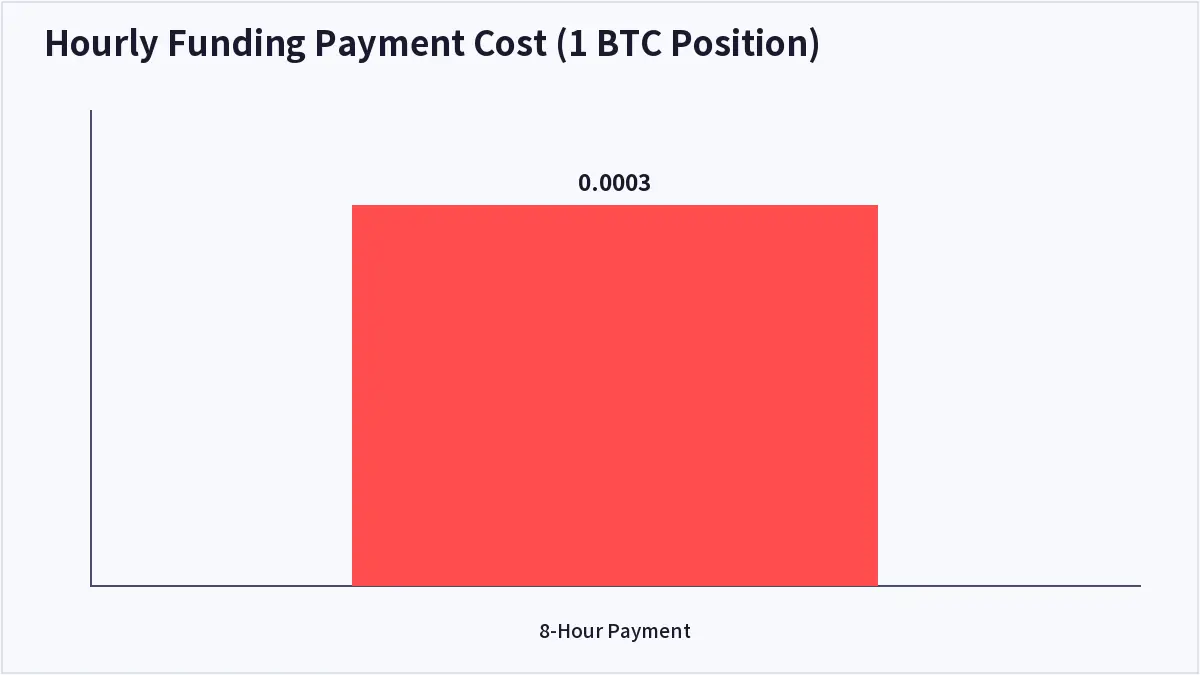
Imagine a scenario where Bitcoin’s market demand is overwhelmingly bullish, causing the perpetual contract to trade at a premium to the spot index. If you hold a long position, you must pay the funding fee to the shorts.
- Position Size: 1 BTC
- Funding Rate: 0.03%
- Calculation: 1 BTC * 0.0003 = 0.0003 BTC payment
- Total Cost: You pay 0.0003 BTC every 8 hours just for maintaining your long leverage position
Common Mistakes and Misconceptions
Many traders mistakenly believe a high funding rate is a guaranteed indicator of a market top or bottom. While it indicates sentiment, it is not a direct prediction of future price movement.
- Ignoring fees: Traders often overlook how funding costs erode margins in long-term swing trades
- Sentiment trap: Assuming a positive rate means the price will drop immediately; it can stay positive for weeks in a bull market
- Neglecting the exchange: Funding rates can vary slightly across different trading platforms depending on their specific liquidation and insurance fund mechanics
| Rate Status | Market Sentiment | Who Pays? | Price Pressure |
|---|---|---|---|
| Positive | Bullish | Long Traders | Downward |
| Negative | Bearish | Short Traders | Upward |
| Zero | Neutral | None | Stable |
Frequently Asked Questions
Why do I have to pay a funding fee?
You pay or receive the fee to keep the perpetual contract price aligned with the spot price. It is the cost of holding a leveraged position without an expiration date.
Can I avoid paying funding fees?
Yes, you can avoid paying fees by closing your position immediately before the scheduled funding time. Alternatively, you can trade assets with neutral or opposite sentiment if you want to be a receiver of the fee.
Is the funding rate the same on all exchanges?
No, while most exchanges use a similar formula, the rates vary slightly based on each platform’s specific order book depth and internal market demand. Always check the specific exchange data.
Does a high funding rate mean the price will crash?
Not necessarily. A high positive rate indicates strong bullish sentiment, which can lead to a ‘long squeeze’ if price momentum stalls, but it is not a direct trigger for a price crash on its own.
Key Takeaways
The funding rate is an essential tool for crypto traders to understand market sentiment and manage the hidden costs of leverage. By monitoring these payments, you can better anticipate potential volatility and avoid eroding your capital through unexpected recurring fees. This article is for informational purposes only and does not constitute investment advice.
Last updated: 2026-09-18
About the Author