Definition: Staggering Bond Maturities
A bond ladder is a fixed-income strategy in which an investor buys multiple bonds with staggered maturity dates rather than a single maturity, so that a portion of the portfolio matures at regular intervals, such as every year.
How It Works: An Example Ladder
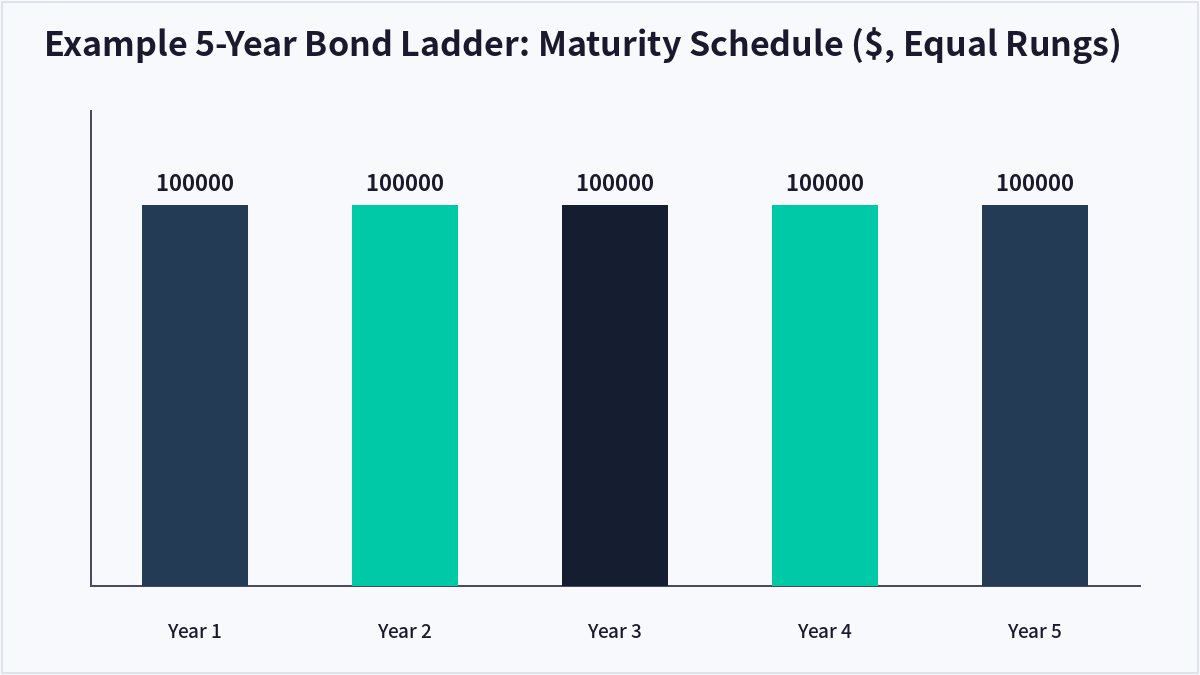
An investor with $500,000 to invest might build a five-year ladder by buying $100,000 each of bonds maturing in one, two, three, four, and five years. As each bond matures, the investor typically reinvests the proceeds in a new bond at the long end of the ladder (in this case, a new five-year bond), keeping the laddered structure intact over time.
Why It Manages Interest Rate Risk
Because only a fraction of the portfolio matures and needs reinvestment at any given time, a bond ladder reduces the risk of being forced to reinvest a large sum all at once during a period of unfavorable interest rates, smoothing the average reinvestment rate over the interest rate cycle.
| Bond Structure | Reinvestment Risk | Interest Rate Sensitivity |
|---|---|---|
| Single long-term bond | Low until maturity, then all-at-once | High (long duration) |
| Bond ladder (staggered maturities) | Spread evenly across each rung | Blended, moderate duration |
| All short-term bonds (no ladder) | High, frequent reinvestment | Low, but income more variable |
Frequently Asked Questions
Does a bond ladder eliminate interest rate risk?
No, it reduces but does not eliminate interest rate risk; bond prices still fluctuate with rates before maturity, but the staggered structure smooths out the impact of reinvesting compared to holding a single large maturity.
What happens if interest rates fall while running a ladder?
Each maturing rung will be reinvested at the new, lower prevailing rate, so income gradually declines, but only the maturing portion is affected each period rather than the entire portfolio at once.
Can a bond ladder be built with different bond types?
Yes, investors can build ladders using Treasury bonds, municipal bonds, or corporate bonds, or a mix, though credit risk should be evaluated separately for corporate bond rungs.
Is a bond ladder the same as a bond fund?
No. A bond ladder consists of individual bonds held to specific maturities with known cash flows, while a bond fund holds a pool of bonds that is continuously bought and sold, generally without a fixed maturity date for the fund itself.
Key Takeaways
A bond ladder staggers bond maturities so that only a portion of the portfolio needs reinvesting at any given time, reducing the risk of reinvesting a large sum during an unfavorable rate environment. It smooths but does not eliminate interest rate risk over the life of the ladder. This article is for informational purposes only and does not constitute investment advice.

QuantPro: AI Finds the Trade Before You Do
From AI-powered chart analysis to real-time market intelligence — everything a serious investor needs, in one platform.
- Automated AI chart analysis with precision trend timing
- Bull Radar: real-time visualization of geopolitical & economic shifts
- Live market-moving news and insights, curated for you
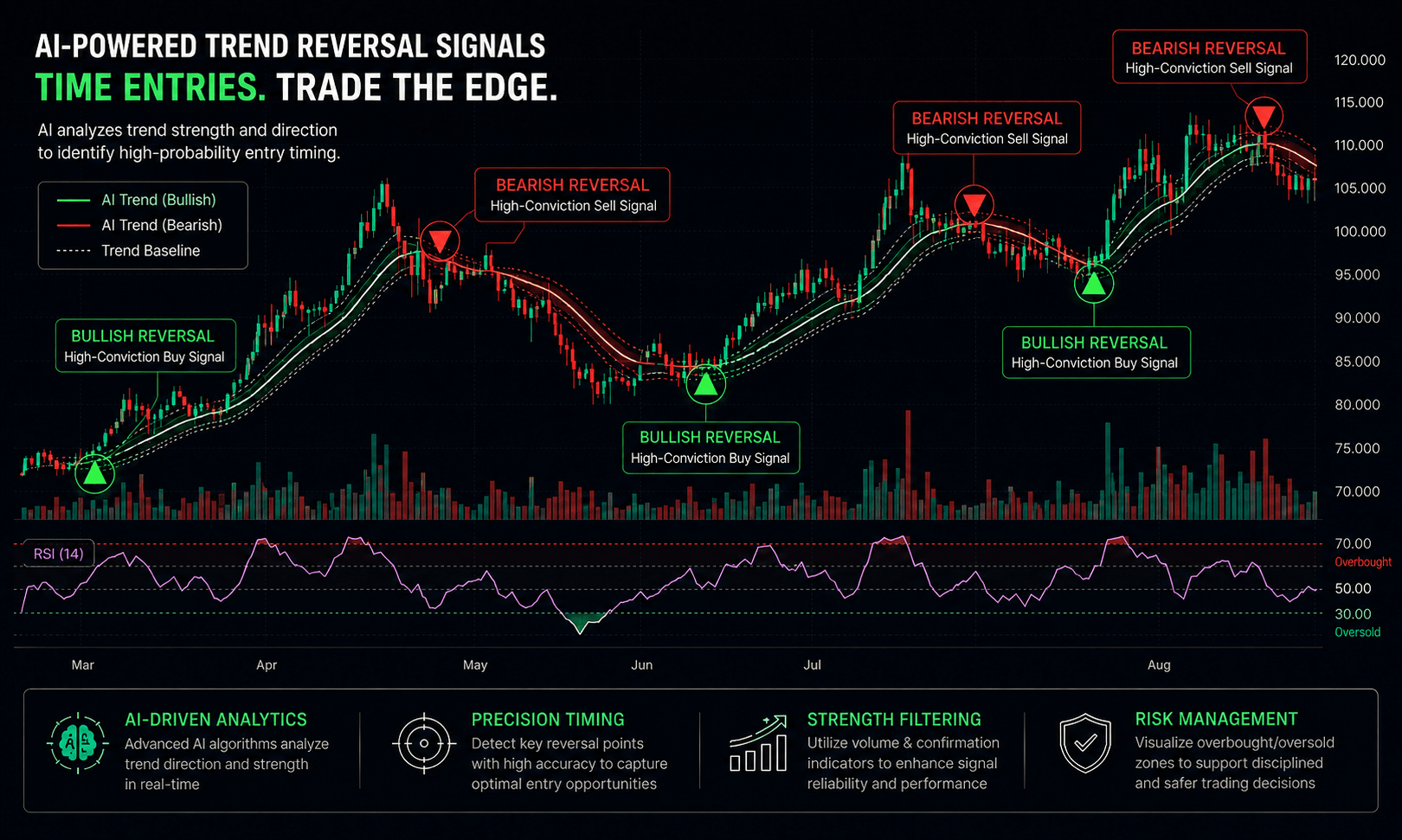
Bull Wave / Bear Wave Forecast Model
Engineered to help you read market direction and momentum faster than the crowd.
- Instantly separate bullish momentum from bearish pressure
- Pinpoint high-probability entry zones with confidence
- Chart signals clear enough for beginners, sharp enough for pros
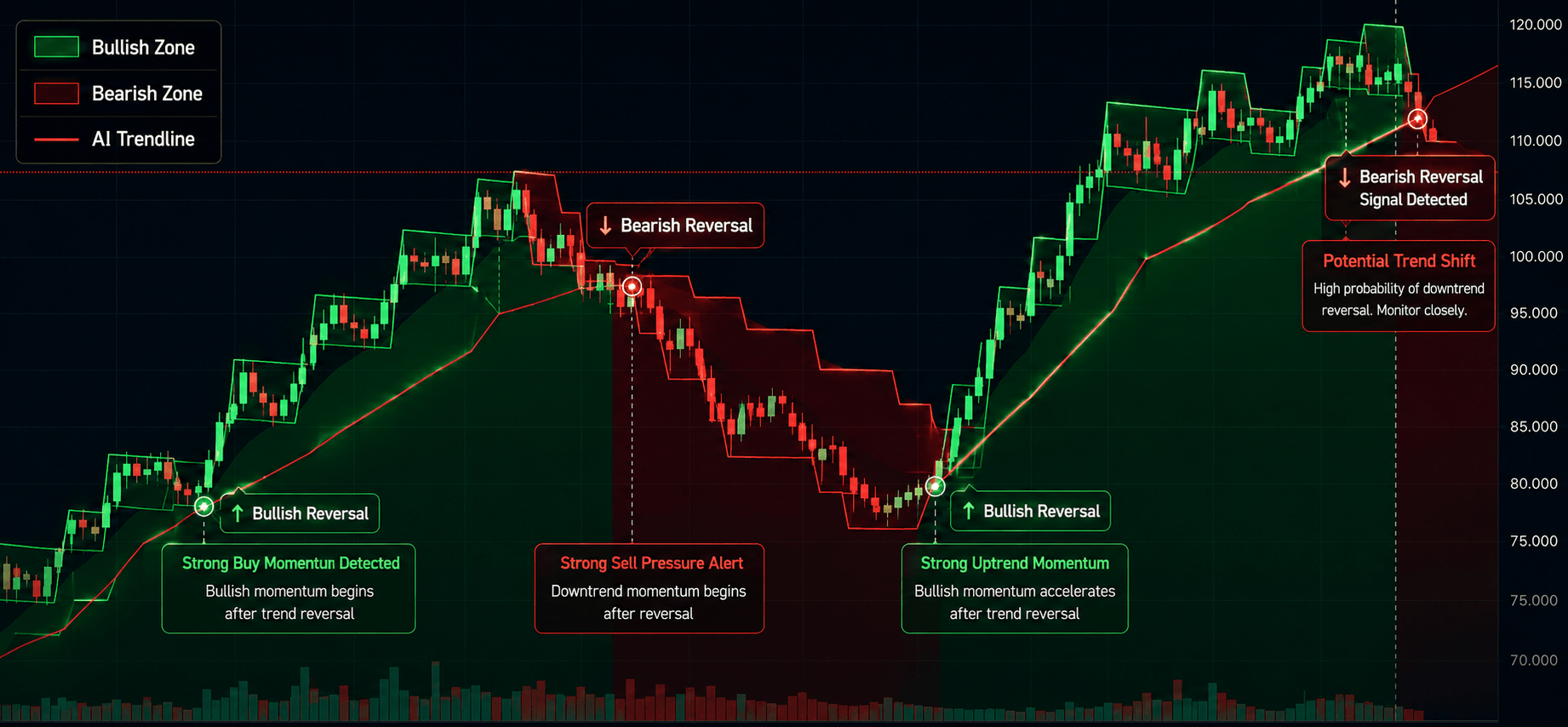
Winning Pattern Detection
Instantly surfaces the high-probability setups that repeat across the charts — a trusted edge for timing your entries and exits.
- Spot momentum building in real time
- Catch trend-reversal points before they break
- Built for active traders who need results, not theory

AI Live Economic Dashboard
AI analyzes real-time market data — turning complex, global investment flows into clear insight in seconds.
- Track global stock markets in real time
- See exactly which assets are strong — and which are fading
- Watch how geopolitical events move the markets
About the Author